Blend fresh basil, garlic, nuts, Parmesan, and olive oil until smooth for classic pesto.
I’ve spent years refining quick sauces in home kitchens and pro kitchens alike, and this guide on how to make pesto with a blender walks you through every step. You’ll learn ingredient choices, blender technique, common fixes, and pro tips I use daily to get bright, silky pesto in under 10 minutes.

Why use a blender for pesto?
Blenders make pesto fast, consistent, and great for larger batches. Compared with a mortar and pestle, a blender saves time while still delivering vibrant flavor when used correctly. If you know how to make pesto with a blender, you can easily scale recipes and tweak texture from chunky to smooth. This method is ideal for busy cooks who want fresh pesto without extra fuss.
Ingredients you'll need
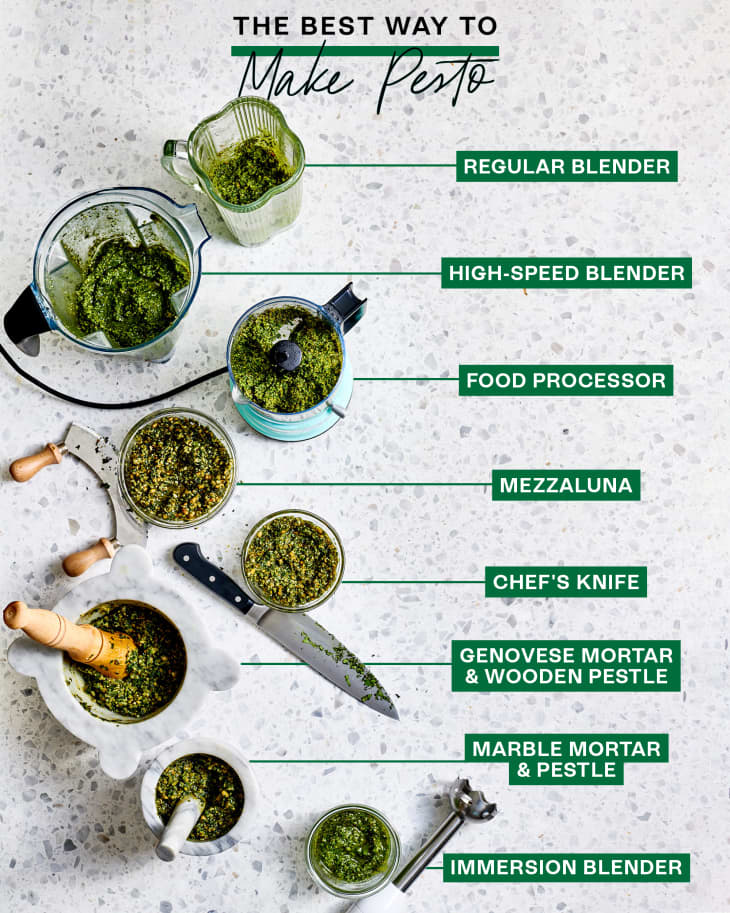
Use fresh, high-quality ingredients for the best pesto. Below are classic ingredients and easy swaps if you need them.
- 2 cups fresh basil leaves, packed
- 1/3 cup nuts, toasted (pine nuts, walnuts, or almonds work well)
- 1/2 cup freshly grated Parmesan or Pecorino Romano
- 2 small garlic cloves, peeled
- 1/2 cup extra-virgin olive oil, more as needed
- Salt and black pepper to taste
- Optional: 1–2 teaspoons lemon juice to brighten
Substitutions and notes:
- Use baby spinach or arugula to stretch basil or change flavor.
- Pecans or sunflower seeds are good nut-free or budget options.
- Nutritional yeast makes a vegan, cheesy flavor when skipping cheese.
Equipment and blender selection
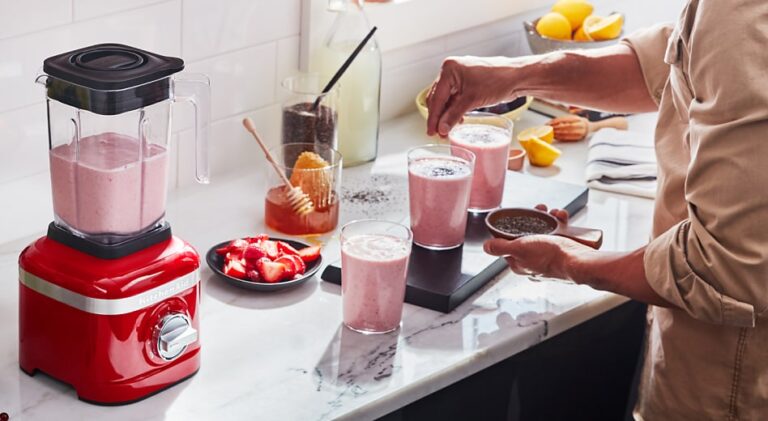
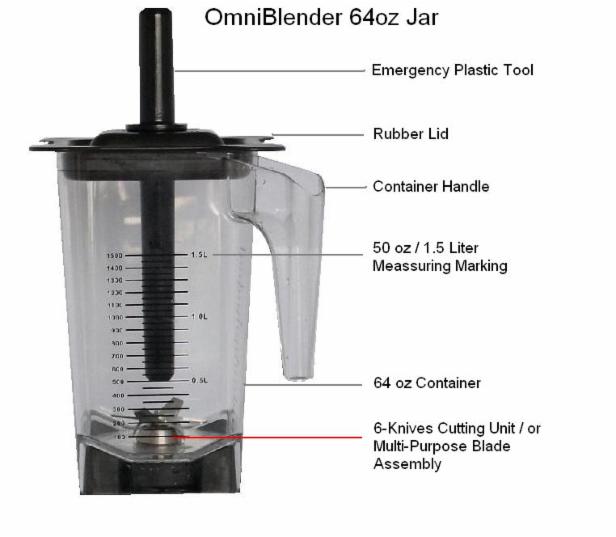
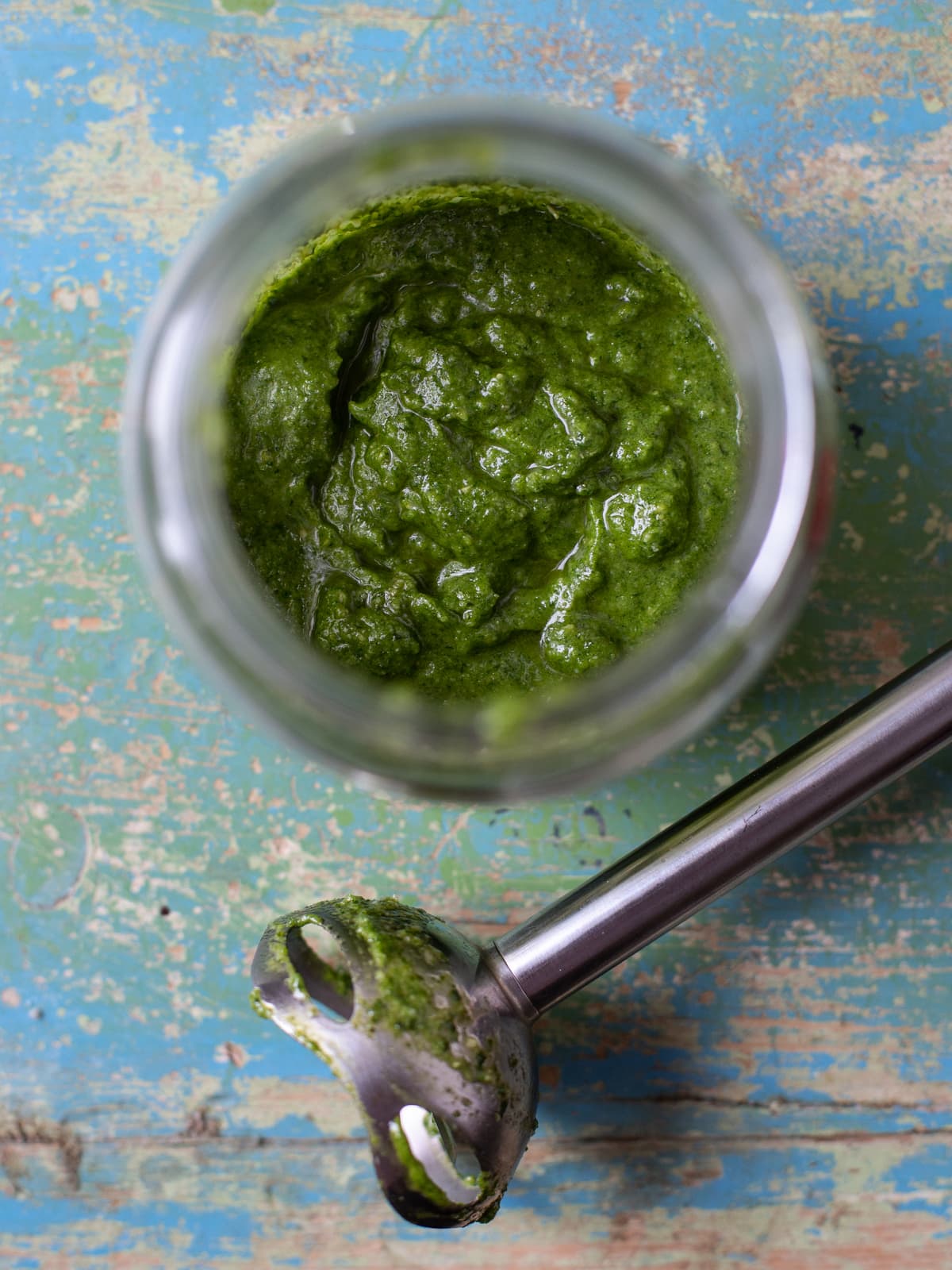
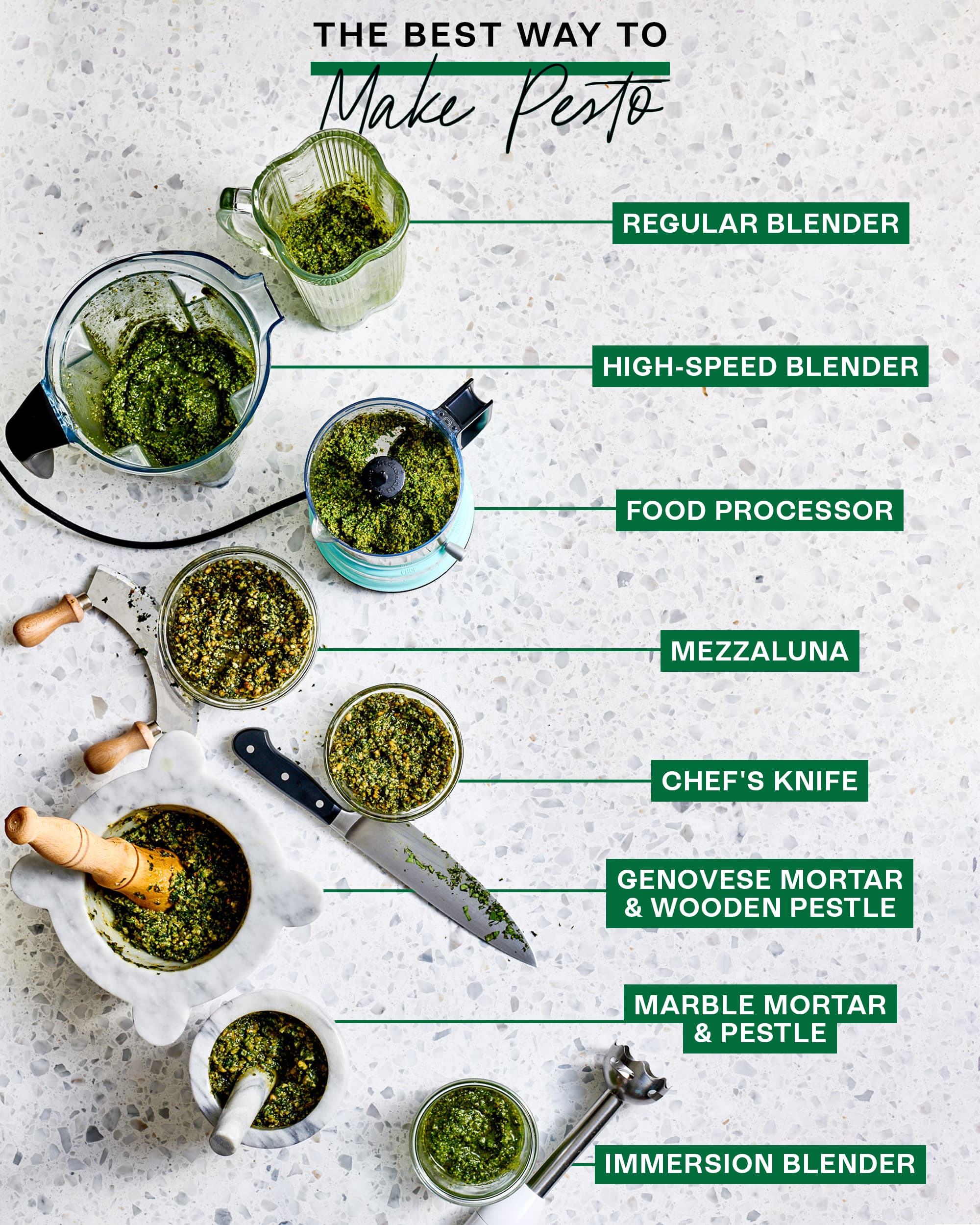
Choose the right blender to control texture and avoid overheating. A standard countertop blender, an immersion blender, or a high-power personal blender all work, with small differences.
- Countertop blender — Best for larger batches; pulse to avoid overprocessing.
- Immersion blender — Great for small jars and fine control; requires a tall container.
- Personal blender — Quick single-batch option; use short pulses.
Tips:
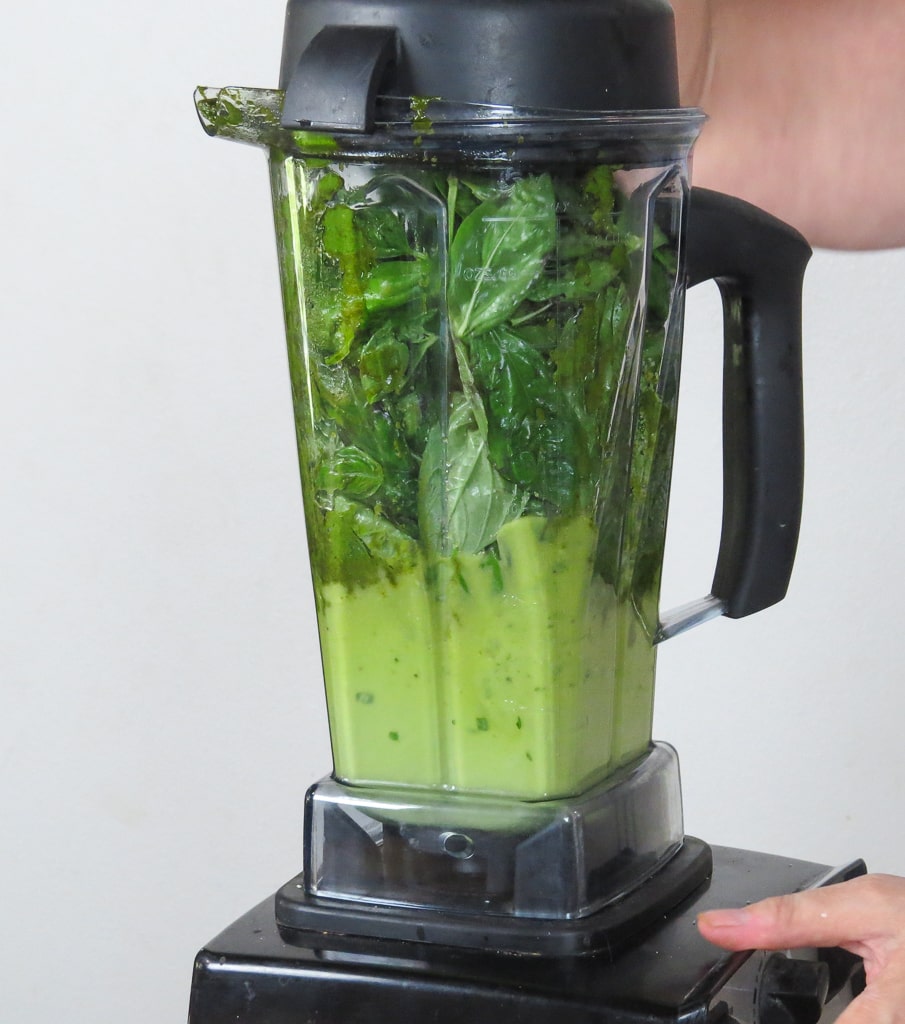
- If using a high-speed blender, use short pulses and add oil slowly to prevent turning the pesto into a puree that tastes warm and flat.
- Use a spatula to scrape the sides and check texture between pulses.
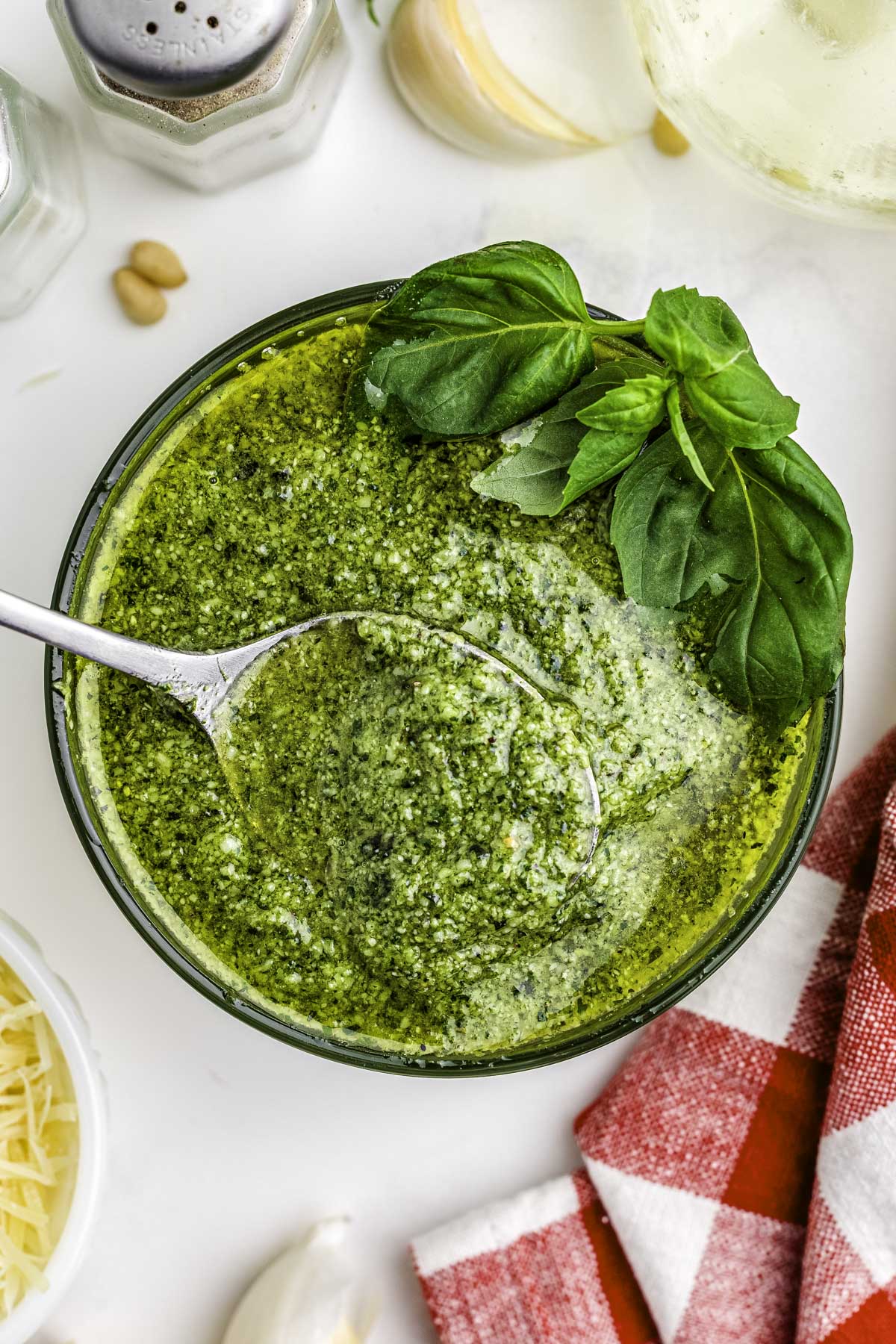
Step-by-step: how to make pesto with a blender
Follow these simple steps for fresh pesto that tastes vibrant and silky every time.
-
Prepare ingredients and toast nuts
- Rinse and dry basil leaves well. Pat dry to avoid dilution.
- Toast nuts lightly in a pan for 3–5 minutes until fragrant. Cool before blending.
-
Add solids to the blender
- Put basil, cooled nuts, grated cheese, and garlic into the blender jar. Start with less garlic if you prefer a mild flavor.
-
Pulse to combine
- Use 3–5 short pulses to break down leaves and nuts. Stop and scrape down the sides with a spatula.
-
Emulsify with oil
- With the blender running on low, add olive oil in a slow, steady stream until the mixture reaches your desired texture. For chunkier pesto, add less oil.
-
Season and taste
- Add salt, pepper, and a squeeze of lemon if desired. Pulse once or twice to blend.
-
Adjust and serve
- If the pesto seems too thick, thin with a tablespoon of warm water or more oil. Serve over pasta, as a spread, or a dip.
I personally learned to pulse and scrape often. I used to blend continuously and ended up with a warm, dull pesto. Short bursts and cool ingredients keep the color and aroma bright.
Texture control and common variations
Texture defines how you use pesto. Learn the small moves that change it.
- Chunky pesto — Use fewer pulses and less oil. Great on crostini.
- Smooth pesto — Pulse longer and add oil slowly. Ideal for silky pasta sauce.
- Creamy pesto — Stir in a spoonful of ricotta or a bit of cream after blending.
- Vegan pesto — Replace cheese with nutritional yeast and add extra nuts for richness.
When experimenting, make small changes and taste as you go. I aim for a balance of herb, nut, salt, and acid.

Troubleshooting: fixes and FAQs while making pesto
Short answers to common problems you’ll encounter when you learn how to make pesto with a blender.
- Pesto is too thin — Add more cheese or nuts and pulse. Chill briefly to thicken.
- Pesto is too oily — Blend in more basil or a spoon of breadcrumbs to absorb excess oil.
- Pesto turned brown — It may be oxidized; toss with lemon juice and use right away. Store properly to slow browning.
Will blender pesto taste as good as mortar-and-pestle pesto?
Blender pesto can be just as flavorful if you pulse and keep ingredients cool. Mortar-made pesto may have a slightly different texture, but the flavor can be equally bright.
How long should I pulse to avoid heating the pesto?
Use short 1–2 second pulses and scrape often. Total blending time under 30 seconds usually keeps the pesto cool.
Can I make pesto without cheese in a blender?
Yes. Use nutritional yeast or extra nuts for depth and blend as usual. Add a touch of lemon for brightness.

Storage, freezing, and shelf life
Store pesto smart to keep flavor and color. Proper storage extends pesto shelf life safely.
- Refrigerate in an airtight container for up to 5 days. Press plastic wrap directly on the surface to reduce air exposure.
- Freeze pesto in ice cube trays for 1–3 months. Transfer frozen cubes to a labeled bag for easy portions.
- To thaw, place a cube in a small bowl and let it sit at room temperature for 20 minutes, or stir into warm pasta.
When reheating, gently fold pesto into warm (not hot) pasta to preserve freshness. I always freeze half my batch in cubes to avoid waste.
Nutrition and culinary uses
Pesto is nutrient-dense, flavorful, and versatile. A little goes a long way.
- Health notes — Basil provides vitamins A and K. Nuts add healthy fats and protein, while olive oil gives heart-healthy monounsaturated fats.
- Uses — Toss with pasta, spread on sandwiches, dollop on grilled fish or chicken, stir into soups, or mix into salad dressings.
- Serving suggestion — Use 2–4 tablespoons per serving of pasta. Adjust to taste.
Keep portion sizes in mind if you watch calories. Pesto is concentrated but adds a lot of flavor for small amounts.

Personal lessons and pro tips
Here are real tips from years of kitchen experience making pesto with a blender.
- Dry basil thoroughly — Water dilutes flavor and thins texture.
- Toast nuts briefly — It deepens flavor but cool them fully before blending.
- Add oil slowly — This controls texture and keeps the sauce bright.
- Keep ingredients cold — Warm blades can brown basil and dull flavor.
- Make a double batch — Pesto freezes well and saves time later.
My common mistake was over-blending. I now pulse and taste often. That quick change improved color and aroma immediately.
Frequently Asked Questions of how to make pesto with a blender
How long does blender pesto last in the fridge?
Refrigerated pesto lasts about 4–5 days when stored in an airtight container with minimal air contact. Add a thin film of olive oil on top to slow browning.
Can I use frozen basil to make pesto in a blender?
Yes. Thaw and drain frozen basil well, then reduce added liquid to avoid a watery pesto. For best color, add a squeeze of lemon.
What nuts work best when making pesto with a blender?
Pine nuts give a classic flavor, but walnuts, almonds, and pecans are tasty and cost-effective. Toast nuts briefly for a richer, nuttier profile.
Is it safe to make pesto with raw garlic in a blender?
Yes. Raw garlic is safe and adds fresh bite; adjust the amount to your taste. For milder garlic, roast cloves first.
Can I use a food processor instead of a blender?
A food processor is ideal and offers more texture control, but a blender works well if you pulse and scrape frequently. The method for how to make pesto with a blender translates easily to a food processor.
How do I prevent pesto from becoming bitter?
Avoid using old or bruised basil and don't over-blend, which can release bitter compounds. Use fresh, bright leaves and add acid like lemon to balance flavors.
Conclusion
Making pesto with a blender gives you fresh, versatile sauce in minutes. Start with fresh basil, toast your nuts, pulse in short bursts, and add oil slowly to control texture. Try a small batch first, freeze extras, and tweak to your taste.
Take action: make a batch this week, save some in ice cube trays, and share your favorite use in the comments below.