To operate a blender: secure parts, add ingredients, choose speed, pulse, and blend to desired texture.
I have used and tested many blenders over years, from compact personal units to heavy-duty countertop models. This guide on how to operate a blender walks you through safe setup, smart technique, cleaning, and troubleshooting so you get consistent, great results every time. Read on for step-by-step instructions, helpful tips, and real-life mistakes I made so you don’t repeat them.
Why learn how to operate a blender?
A blender is a simple tool that can do many kitchen tasks. Learning how to operate a blender saves time and prevents messy or unsafe outcomes. It improves the quality of smoothies, soups, sauces, and more. Knowing the right technique also extends the life of your unit and keeps your blends smooth and even.
Blender parts and types
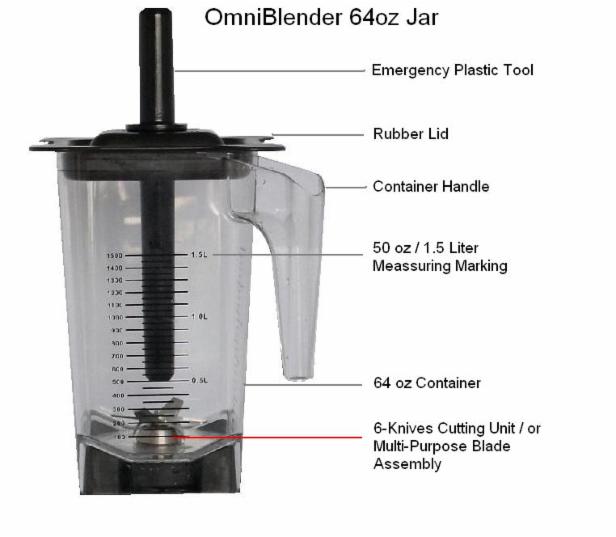
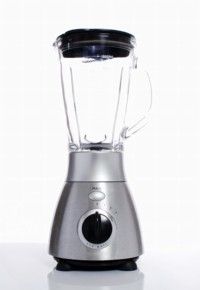
Understanding parts helps you operate a blender with confidence. Common parts include the motor base, jar or pitcher, lid, blade assembly, and control panel. Some jars lock into place; others use a twist base. Blenders come in types that suit different needs:
- Countertop blenders: Powerful and versatile, good for soups and frozen fruit.
- Personal blenders: Compact and fast for single-serve smoothies.
- Immersion blenders: Handheld units for blending in pots or bowls.
- High-performance blenders: Designed for nut butters, ice crushing, and heavy use.
Knowing your model helps you follow specific manufacturer tips on how to operate a blender safely and effectively.

Safety first before you operate a blender
Safety prevents injuries and appliance damage. Always place the blender on a flat, stable surface. Ensure the power is off and the unit is unplugged before assembling or disassembling. Never put hands or utensils near moving blades. For hot liquids, allow steam to escape by tilting the lid or using a vented lid.
- Check that the jar and lid are intact and free from cracks.
- Secure the jar to the base before plugging in.
- Start at low speed to avoid splatter.
- Keep the blender away from water while the base is plugged in.
These steps make it easier and safer to operate a blender and protect both you and the machine.
Step-by-step: how to operate a blender
Follow a clear process each time to get perfect blends. The steps below show how to operate a blender from setup to serving.
- Assemble and inspect.
- Place the blender base on a level surface.
- Fit the jar onto the base until it locks.
- Check the blade assembly for tightness.
- Add ingredients in the right order.
- Add liquids first, then soft items, then hard or frozen pieces.
- Fill no more than the manufacturer’s max fill line.
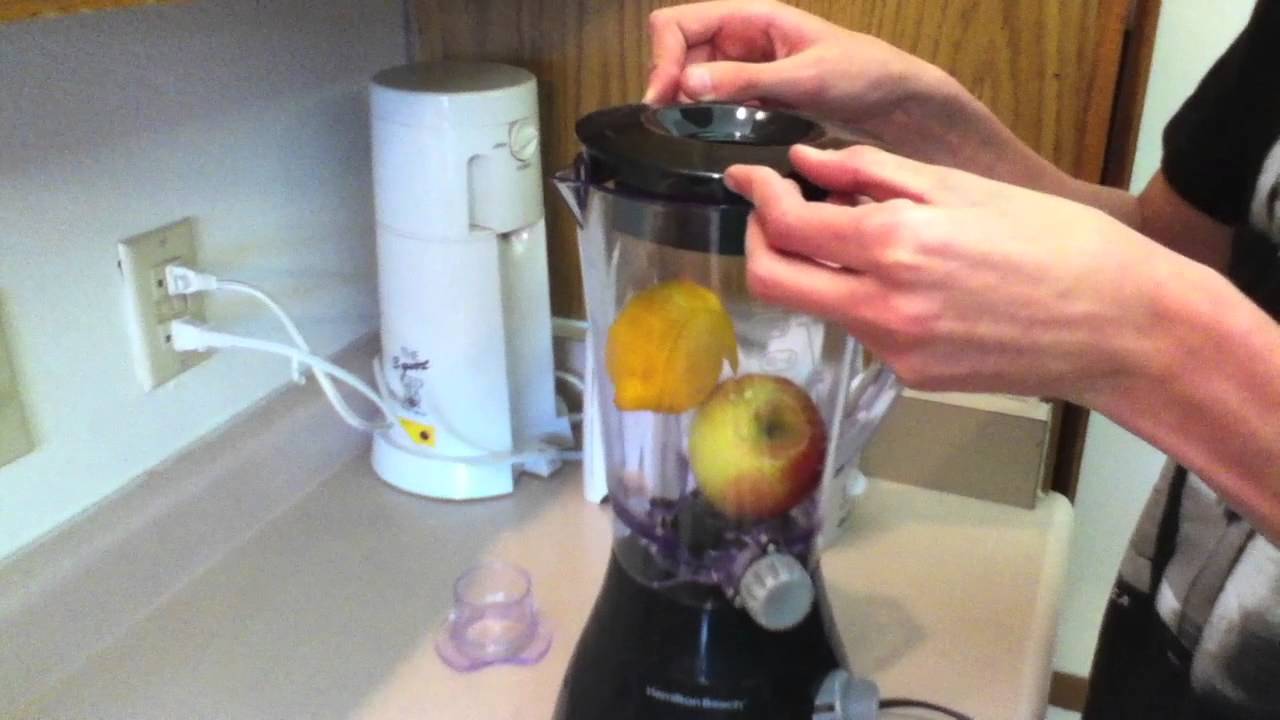
- Secure the lid.
- Ensure the lid is snug.
- Use a vent or remove center cap for hot blends.
- Choose the correct speed or program.
- Start low and ramp up.
- Use pulse for chunky textures.
- Use presets for smoothies, soups, or crushing ice.
- Monitor and adjust.
- Stop and scrape down the sides if needed.
- Add liquid in small amounts to thin mixtures.
- Turn off and pour.
- Power down before removing the jar.
- Unlock and pour carefully to avoid spills.
Practice these steps and you will learn ideal timings for your recipes. Knowing how to operate a blender well leads to better texture and less cleanup.
Cleaning and maintenance after you operate a blender
Regular care keeps the blender working well. Clean soon after use to prevent odors and stains. For quick cleaning, fill the jar with warm water and a drop of dish soap, then run the blender for 30 seconds. Rinse and dry thoroughly.
- Remove the blade assembly when possible to clean seals and threads.
- Check and replace worn gaskets to prevent leaks.
- Wipe the motor base with a damp cloth; never submerge it.
- Sharpen or replace blades if performance drops.
I once left a jar uncleaned overnight and had to soak it for hours. Lesson learned: clean right away. Proper maintenance helps your blender last longer and keeps it safe to operate.

Troubleshooting common issues when you operate a blender
Problems happen. These fixes can save a call to support. If the blender won’t start, check the power cord and outlet, and ensure the jar is locked into place. If it runs but fails to blend, add more liquid or pulse to move contents toward the blades.
- Overheating: give the motor a 15–30 minute rest before resuming.
- Leaking: inspect the jar base gasket and tighten the blade assembly.
- Loud noise: check for hard items hitting the blade or loose parts.
- Burnt smell: stop immediately and let the motor cool; if smell persists, seek repair.
Most fixes are simple. Following manufacturer guidance reduces risk and helps you operate a blender reliably.

Practical recipes and use cases to practice how to operate a blender
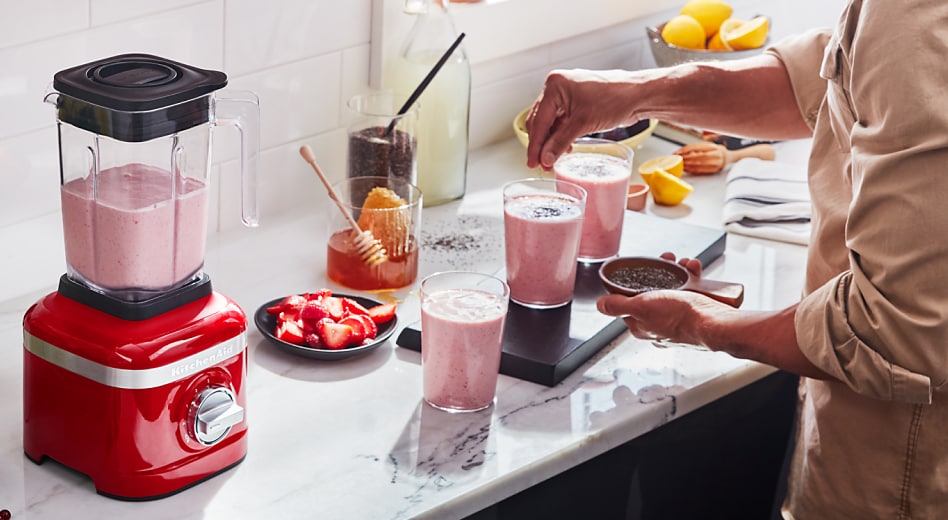
Using recipes helps you learn speed and timing. Start with a basic smoothie: banana, berries, liquid, and a spoon of yogurt. Add ice last and pulse to crush. For hot soup, blend hot stock and cooked veggies in small batches and use a vented lid.
- Smoothie: 1 banana, 1 cup fruit, 1 cup liquid, blend on low to high for 30–45 seconds.
- Nut butter: roast nuts, pulse, then blend at high speed until smooth; expect several minutes.
- Sauce: combine herbs, oil, and cheese and pulse to desired texture.
Each recipe teaches a different aspect of how to operate a blender, like pulse control or handling hot liquids. Practice builds intuition about speed, timing, and ingredient order.

Quick questions readers often ask (PAA-style)
Why start with liquids when you operate a blender?
- Liquids help ingredients move toward the blades and create a vortex for smooth blending.
Can you blend hot liquids safely?
- Yes, but use a vented lid or allow steam to escape. Blend in small batches to avoid pressure buildup.
What speed is best for frozen fruit?
- Start on low to break fruit up, then increase to high for a smooth finish. Use pulse for chunky texture.

Source: youtube.com

Frequently Asked Questions of how to operate a blender
How do I prevent air pockets when I operate a blender?
Start on low and gradually increase speed. Stop and stir or add liquid to break up pockets.
Can I put hot soup directly into a blender?
You can if the blender has a vented lid. Blend in small batches and hold the lid down with a towel.
How do I clean hard-to-reach blade areas after I operate a blender?
Disassemble the jar and blade if possible. Use a brush and soak in warm, soapy water for stubborn residue.
What is the best way to crush ice when I operate a blender?
Use a high-power setting or pulse mode. Add small amounts of ice and liquid to protect the motor.
How often should I replace blender gaskets after I operate a blender?
Inspect gaskets monthly for wear. Replace them if you see cracks or leaks; frequency depends on use.
Conclusion
Mastering how to operate a blender gives you faster prep, smoother results, and longer appliance life. Follow safety steps, assemble and feed ingredients correctly, use proper speeds, and keep the unit clean. Try different recipes and learn from small mistakes; practice builds confidence quickly. Now go blend something simple, test one tip from this article, and leave a comment about your favorite blender trick or question.