Unplug it, check power and reset the thermal switch—simple fixes often restore your blender.
I’ve fixed dozens of blenders as a home cook and appliance writer, so I know how confusing it feels when a blender stops mid-smoothie. This guide explains exactly what to do when your blender stops working. You’ll get a clear checklist, easy troubleshooting steps, safety tips, and guidance on repairs versus replacement. Read on for hands-on, reliable advice written in plain language so you can get blending again fast.
Quick checklist: Immediate actions to take when your blender stops working
If your blender stops working, act calm and follow this quick checklist before doing anything else. These steps protect you and prevent more damage.
- Unplug the blender right away to avoid shock or short circuits.
- Check the outlet by plugging in a lamp or phone charger.
- Inspect the power cord for cuts, frays, or damage.
- Look for a reset button or thermal fuse on the base and press it.
- Remove the jar, motor coupling, and blade assembly to clear jams.
- Try a simple test run with a small amount of water once everything is dry and reassembled.
What to do when your blender stops working often begins with these safe, simple actions. They fix many common issues without tools or repair calls. If these steps don’t help, keep reading for a deeper diagnosis and repair options.

Diagnose the problem: Common causes and quick checks
Knowing what to do when your blender stops working starts with diagnosing the cause. Here are the most common reasons and how to spot them.
- No power to the outlet
- Check circuit breakers and try another outlet. A tripped breaker or dead outlet is an easy fix.
- Faulty power cord or plug
- Look for visible damage. A damaged cord can prevent power and is a safety hazard.
- Overheated motor and thermal cutoff
- Many blenders have a thermal switch that trips if the motor overheats. Let the unit cool for 15–30 minutes and press the reset if available.
- Jammed blades or stuck coupling
- Solid chunks or sticky mixtures can lock the blades. Removing the jar and cleaning the coupling often frees the motor.
- Worn brushes or internal motor failure
- If the motor hums but doesn’t spin, worn brushes or a failed motor may be the cause. This needs parts or professional repair.
- Faulty switch, fuse, or control board
- If lights come on but it won’t start, an internal electrical component may be bad.
- Loose jar or lid safety switches
- Modern blenders have safety interlocks that stop the motor if the jar isn’t seated. Check alignment and locks.
Each time you diagnose what to do when your blender stops working, prioritize safety. Unplug first, then inspect visually and by feel.

Step-by-step troubleshooting guide you can follow at home
Follow this ordered set of actions to troubleshoot most blender problems. Short steps and simple tools are usually enough.
- Safety first
- Unplug the blender. Wear gloves if handling sharp blades.
- Check power and outlet
- Plug a different device into the same outlet. Reset the breaker if needed.
- Inspect the cord and plug
- If the cord is damaged, stop using the blender until it’s repaired.
- Test the base and controls
- Plug in the blender and turn it on without the jar. If nothing happens, try the reset button or see if a fuse is accessible.
- Remove and inspect the jar
- Empty the jar. Remove the blade assembly and clean any stuck food or debris.
- Check the coupling and blades
- Manually spin the blades. If they are stuck, clean them thoroughly and test again.
- Allow the motor to cool
- Overheating can trip a thermal protector. Wait 20–30 minutes and try again.
- Listen for hums or unusual sounds
- A humming motor that doesn't spin means mechanical or electrical failure.
- Try a simple load test
- Add a cup of water and run on low for 5–10 seconds to see if the motor engages.
- Document what you find
- Note sounds, smells (like burning), or visible damage. This helps a repair tech later.
If these steps don’t resolve the issue, you’ll have good information to decide what to do when your blender stops working next: repair, visit a service center, or replace.

When to repair the blender and when to replace it
Knowing what to do when your blender stops working includes a cost-benefit decision. Use these guidelines.
- Repair if:
- The blender is a higher-end model, less than five years old, and the fault is a replaceable part like a cord, blade, or brush.
- It is still under warranty or repair cost is less than half the price of a new unit.
- Replace if:
- The motor has failed completely and repair quotes approach the price of a new blender.
- The blender is cheap, older than five years, or has multiple failures.
- Consider sustainability
- If repairable, fixing a blender is more eco-friendly than replacing it. Reuse parts and recycle responsibly.
When deciding what to do when your blender stops working, weigh price, expected life, and sentimental or performance value.

Maintenance and prevention: Keep your blender working longer
The best answer to what to do when your blender stops working is to prevent it in the first place. Regular care reduces failures.
- Clean after every use
- Remove the jar, blade assembly, and gasket. Wash and dry fully to avoid corrosion and odors.
- Avoid overloading
- Cut large pieces and avoid blending thick doughs unless the model supports it.
- Use pulse mode for tough jobs
- Pulsing reduces strain on the motor.
- Let it rest between heavy batches
- Prevent overheating by running shorter cycles with cool-down intervals.
- Inspect seals and gaskets
- Replace cracked or worn parts quickly to keep the motor area dry.
- Store properly
- Keep the blender dry and away from heat or direct sunlight.
These practices lower the odds you'll have to figure out what to do when your blender stops working.

Personal experience and pro tips from real repairs
I once had a vintage blender that kept cutting out during nut butter. I followed what to do when your blender stops working: cleaned the coupling and found a small pebble stuck in the blade hub. After removing it and replacing a worn gasket, the unit ran like new. Key lessons I learned:
- Small debris can cause big problems—always inspect the blade hub.
- A humming motor often means a mechanical jam, not full failure.
- Document symptoms before disassembling; it makes technician diagnostics faster.
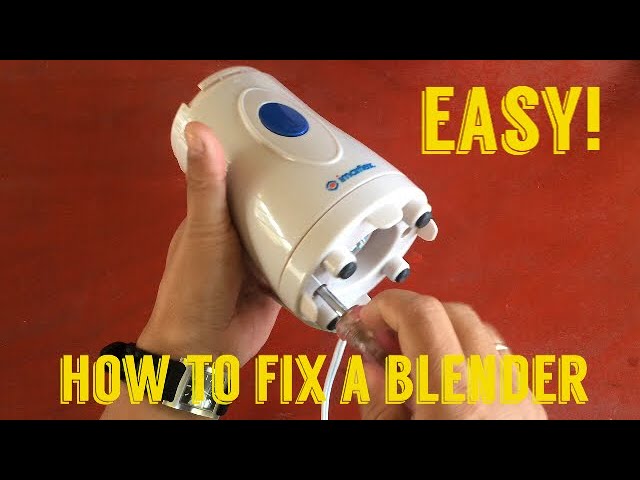
I prefer blenders with user-replaceable parts. That choice saved me money and waste when I had a motor brush replaced rather than tossing the whole unit.

Tools, parts, and when to call a professional
Some fixes are safe at home, others need a pro. Here’s what to have on hand and when to stop.
- Handy tools for DIY
- Basic screwdriver set
- Multimeter for checking continuity
- Replacement gaskets, blades, and drive couplings
- Parts you can safely replace
- Rubber gaskets, blade assemblies, jar, and simple power cords (if you have wiring experience)
- Call a pro if:
- The motor needs open-case repair or bearings replaced.
- There are signs of burning, smoke, or melted parts.
- You are unsure about wiring or high-voltage components.
When deciding what to do when your blender stops working, prioritize safety and don’t gamble with electrical repairs if you lack experience.

Safety notes and limitations
Safety matters when troubleshooting. Keep these limits in mind.
- Always unplug before disassembly.
- Don’t operate the blender without the jar or with the blade assembly removed unless the manual says it’s safe.
- Electrical repairs behind sealed panels may void warranties.
- If you smell burning or see smoke, stop and seek professional help.
Being cautious is part of smart troubleshooting when considering what to do when your blender stops working.
Frequently Asked Questions
Why did my blender suddenly stop working?
Most blenders stop because of a power issue, a tripped thermal protector, or a jammed blade. Start by unplugging, checking the outlet, and inspecting the jar and coupling.
How long should I wait if my blender overheats?
Let it cool for 15–30 minutes before trying again and press any reset button if present. Repeated overheating means you should reduce load or seek repair.
Can I fix a humming blender myself?
If the motor hums but doesn’t spin, try freeing jammed blades and checking the coupling; otherwise, it may be worn brushes or a motor issue that needs a technician. Use a multimeter only if you know how to test electrical components safely.
Is it worth repairing an old blender?
Repair is worth it for high-end or recently purchased models where parts and labor cost less than half a new unit. For cheap or very old blenders, replacement is often more practical.
What maintenance prevents blender failure?
Clean the blade hub, avoid overloading, use pulse bursts for thick mixtures, and replace worn gaskets or blades promptly. Regular care reduces most common failures.
Conclusion
You now know what to do when your blender stops working—from quick checks and safe troubleshooting to deciding between repair and replacement. Start with power and safety checks, clear jams, and let the motor cool; these actions fix most problems. If the issue is internal or electrical, get a professional to avoid risk. Try the steps today, note what you find, and don’t hesitate to reach out to a service center if needed. If this guide helped, share your experience, ask a question below, or subscribe for more practical appliance tips.