Hold it steady, immerse the blade, pulse safely, blend to desired texture, and clean promptly.
I’ve used and tested hand blenders for years, and I’ll walk you through exactly how to use a hand blender with clear steps, safety tips, and real-life tricks. This guide covers everything from basic setup to advanced techniques, common problems, and upkeep so you can blend soups, smoothies, sauces, and more with confidence.
Why a hand blender is useful
A hand blender is a small, handheld immersion tool that blends directly in a pot, bowl, or cup. Learning how to use a hand blender saves time, reduces dishes, and gives you control over texture.
It is ideal for hot soups, quick smoothies, baby food, sauces, and small-batch purees. Using one correctly also cuts food waste because you can blend scraps and ends instead of transferring to a countertop blender.

Key parts and types of hand blenders
Hand blenders come in a few main styles and share common parts you should know before learning how to use a hand blender.
Parts to recognize:
- Motor body: The top portion you hold that houses controls and power.
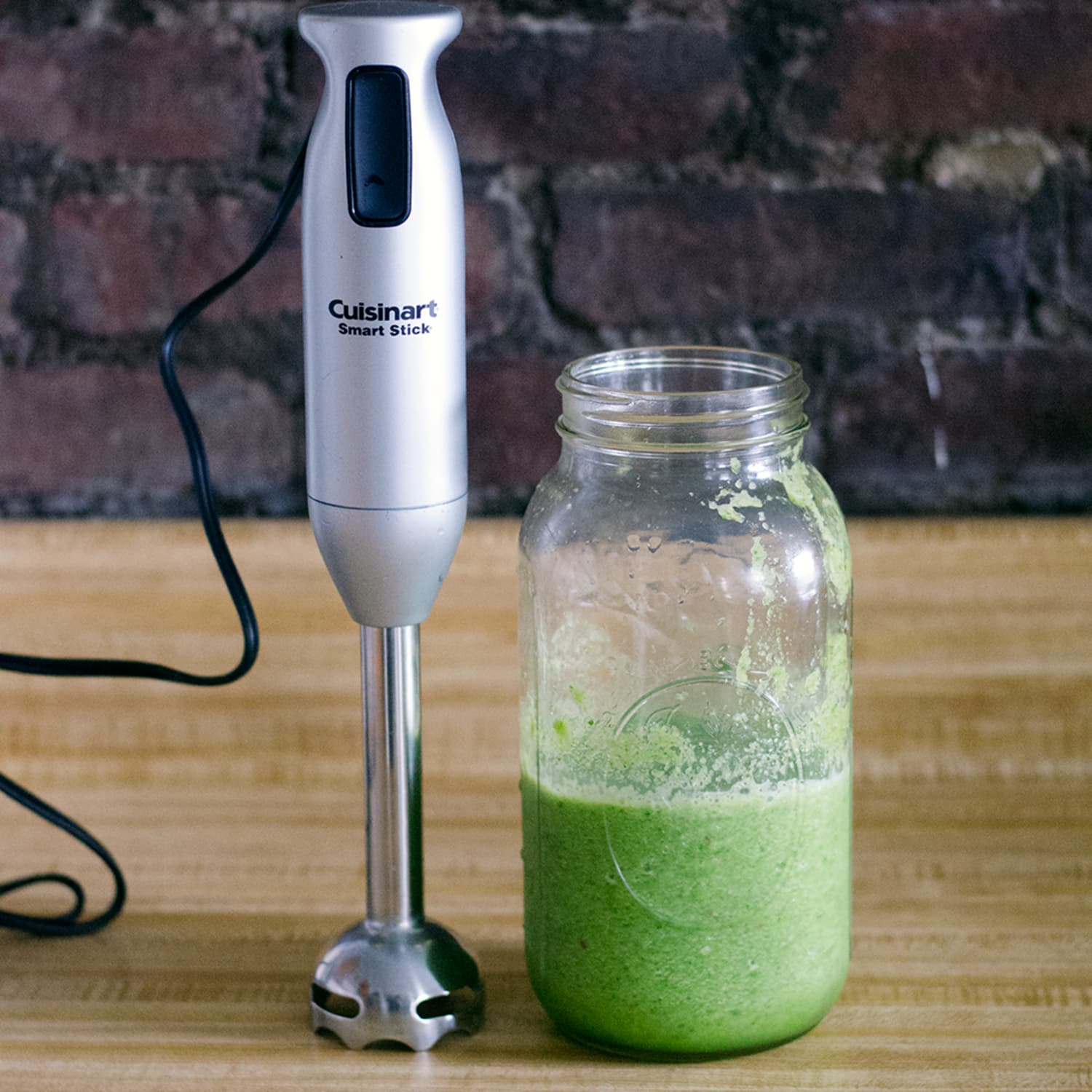
- Shaft and bell: The long part that reaches into food and protects the blade.
- Blade: The metal cutting piece at the end of the shaft.
- Attachments: Whisks, choppers, and blending jars that expand use.
Common types:
- Corded stick blenders: Strong and continuous power for heavy tasks.
- Cordless stick blenders: Portable and handy for quick jobs.
- Multi-function kits: Offer choppers and whisks for one-device versatility.

Safety and preparation before blending
Safety prevents accidents and keeps your blender working longer. Follow these simple steps before you learn how to use a hand blender in any recipe.
- Unplug or remove the battery: Always cut power before attaching or removing parts.
- Secure the container: Use a deep, stable bowl or pot to avoid splashes.
- Keep the blade submerged: Start with the blade under the surface to prevent splatter.
- Mind hot liquids: Allow very hot soups to settle slightly, and blend in short bursts.
- Read the manual: Check your model’s max temp and recommended attachments.

Step-by-step: How to use a hand blender
Follow these clear steps to blend safely and get great texture every time. These steps explain how to use a hand blender for general tasks.
- Prepare ingredients and container. Cut large pieces into smaller chunks. Use a tall jar or deep pot that fits the shaft.
- Assemble and plug in or charge. Attach the shaft or whisk securely until it clicks. Ensure the motor is off before connecting power.
- Immerse the blade fully before turning on. This prevents splatter and gives even blending.
- Start on low speed and pulse. Begin with short bursts to break down solids and avoid overworking your motor.
- Move slowly and tilt if needed. Use an up-and-down or circular motion to blend all pieces evenly.
- Increase speed gradually. Use steady speed to finish smoothing, but avoid continuous runs longer than recommended.
- Turn off before removing from food. Never lift the blade while it’s spinning.
- Pour or serve and then clean right away. Warm water loosens food stuck on the shaft.
These steps cover most uses and show how to use a hand blender safely and effectively.
Techniques and common uses
Knowing techniques makes it easier to match texture to the dish when you use a hand blender.
Soups and hot liquids
- Use a deep pot and start with the blade submerged.
- Pulse to break vegetables, then hold steady to smooth.
- For very smooth soups, blend in batches if needed.
Smoothies and drinks
- Use a tall jar and add liquids first to help circulation.
- Chop frozen fruit into smaller pieces first to avoid stalling the motor.
Sauces and emulsions
- Create mayonnaise or vinaigrette by pouring oil slowly while blending.
- Hold the blender at a slight angle for steady emulsification.
Whipping and frothing
- Use a whisk attachment for cream or egg whites.
- Whisk at medium speed and watch texture; whisking too long can overwork ingredients.
Purees and baby food
- Cook ingredients until soft. Blend in short bursts and stir to check lumps.
- Cool food slightly before serving to babies.
Can a hand blender heat soups further? Yes. The friction can warm food a little, but it won’t replace cooking.
Is a hand blender good for ice? It can handle crushed ice in short bursts, but avoid large ice cubes unless your model is rated for them.

Cleaning and maintenance
Proper cleaning keeps your hand blender safe and lasting longer.
Daily cleaning
- Unplug before cleaning.
- Detach the shaft and rinse under warm water right after use.
- Use a soft brush to remove stuck bits around the blade.
- Wash removable parts by hand or in the top rack of a dishwasher if allowed.
Deep maintenance
- Wipe the motor body with a damp cloth; never submerge the motor.
- Check seals and replace them if they leak.
- Store with attachments dry to prevent rust and odor.
Maintenance tips from experience:
- Clean immediately after use; dried food is harder to remove.
- Run warm soapy water with the blade attached and briefly power the blender to flush small bits (only if manufacturer allows).

Troubleshooting common problems
A few small fixes solve most issues you’ll face when learning how to use a hand blender.
Blender stalls or won’t start
- Ingredients are too thick; add liquid or pulse.
- Overload protection may have tripped; let the motor cool and try again.
Splattering
- Keep the blade submerged and start slowly.
- Use a taller container to contain splashes.
Strange noise or smell
- Stop immediately and unplug. Check for foreign objects or burnt motor.
- If the smell persists, have a technician inspect it.
Blade dulling
- Replace blade attachments if they become dull or bent.
- Avoid blending hard objects like bones or large frozen blocks.

Buying guide and accessories
Choosing the right tool improves how to use a hand blender in your kitchen.
What to look for
- Power level: 200–800 watts is common; more power handles thicker blends.
- Speed settings: Multiple speeds give better control.
- Attachments: Whisk, chopper, and blending jar increase versatility.
- Build quality: Stainless steel shafts last longer than plastic.
Useful accessories
- Tall blending jar for smoothies.
- Chopper bowl for nuts and herbs.
- Balloon whisk for cream and eggs.
Personal note: I learned that a mid-range model with a good whisk and chopper often beats a basic high-watt unit without attachments. Versatility mattered most to me.
Personal tips, mistakes to avoid, and real-life examples
I’ve used many hand blenders and here are honest tips from that experience to help you master how to use a hand blender.
Tips I learned the hard way
- Avoid full-size batches in a shallow pan; spills will happen.
- Don’t force frozen fruit; let it thaw a bit or chop first.
- Pulse ice and hard items to protect the motor.
Smart habits
- Keep a dedicated tall jar for smoothies to speed routine prep.
- Use short bursts for chunky textures and steady blends for silky ones.
A quick story: I once tried to puree a whole pot of hot carrot-ginger soup in one go. It splashed and scorched a rim. Now I always blend in two batches and start with the blade immersed.
Frequently Asked Questions of how to use a hand blender
How do I prevent splatter when blending hot soup?
Keep the blade fully submerged, start on low speed, and use a tall pot. Pulse gently until the soup breaks down, then finish with steady strokes.
Can I put a hand blender in the dishwasher?
Only parts labeled dishwasher-safe should go in the dishwasher. Always detach the motor unit and wash only the removable shaft and accessories as directed by the manufacturer.
Is a hand blender powerful enough for smoothies with frozen fruit?
Yes, a mid- to high-power hand blender can handle frozen fruit if you cut the fruit into small pieces and add a splash of liquid. Use short pulses to protect the motor.
How do I clean around the blade safely?
Unplug the unit and remove the shaft. Rinse immediately under warm water and use a soft brush for crevices. Never submerge the motor housing.
What attachments should I buy for more uses?
A whisk, chopper bowl, and a tall blending jar are the most useful extras. They let you whisk cream, chop nuts, and make smoothies without extra tools.
How long can I run a hand blender continuously?
Check your model’s manual, but many recommend no more than 30–60 seconds continuous bursts to avoid overheating. Allow cooling breaks between long blends.
Conclusion
You now know how to use a hand blender safely and well, from basic setup to advanced techniques and upkeep. Practice with small batches, protect the motor with short pulses, and clean parts right away to keep your blender working smoothly. Try one new recipe this week—soup, sauce, or smoothie—and apply the tips here to see fast, tasty results. Share your experience, subscribe for more kitchen tips, or leave a comment about your favorite hand blender use.