Homemade mayo in minutes: blend egg, oil, acid, and salt until thick and smooth.
I’ve made mayonnaise with a blender hundreds of times, and I’ll show you exactly how to make mayonnaise with a blender so you can get perfect results fast. This guide covers ingredients, gear, step-by-step instructions, safety tips, troubleshooting, tasty variations, and real kitchen lessons I learned the hard way. Read on to master how to make mayonnaise with a blender and gain the confidence to tweak flavors, fix splits, and store it safely.
:max_bytes(150000):strip_icc()/two-minute-mayonnaise-02-5-e2eca0287aec476c9e20c1474adefef2.jpg)
Why use a blender to make mayonnaise?
A blender makes mayonnaise fast and consistent. When you learn how to make mayonnaise with a blender, you get a thick, stable emulsion in about one minute.
Blenders do most of the work. They beat air and mix oil into egg and acid evenly. This cuts the fuss compared to whisking by hand.
If you like speed and reliable texture, a blender is a great tool for homemade mayonnaise.
Ingredients for classic blender mayonnaise
Use fresh, simple ingredients for the best result when making how to make mayonnaise with a blender.
- 1 large egg at room temperature
- 1 cup neutral oil such as canola, grapeseed, or light olive oil
- 1 to 2 tablespoons acid: lemon juice or white wine vinegar
- 1/2 teaspoon fine salt, adjust to taste
- 1/2 teaspoon Dijon mustard (optional, stabilizes and flavors)
- Pinch of sugar (optional, balances acidity)
Variations:
- For richer mayo, use 1 egg yolk instead of the whole egg and 3 tablespoons water.
- For lighter mayo, replace some oil with light-tasting oils or add a splash of water while blending.
Equipment and prep: what you need to know
A good setup improves success when learning how to make mayonnaise with a blender.
- Blender: A standard countertop blender with a tight lid works best.
- Measuring tools: Cups, spoons, and a kitchen scale if you prefer accuracy.
- Bowl and spatula: To transfer and taste.
- Room temperature ingredients: Let the egg and lemon juice warm for 10–20 minutes. Cold ingredients can prevent emulsification.
Prep tips:
- Crack the egg into the blender pitcher first. This helps the blade contact the egg immediately.
- Add mustard and acid before oil for easier emulsification.
:max_bytes(150000):strip_icc()/two-minute-mayonnaise-step-2-collage-b3f6dae2881542569a313486733355de.jpg)
Step-by-step: classic blender mayonnaise recipe
These short steps show how to make mayonnaise with a blender reliably.
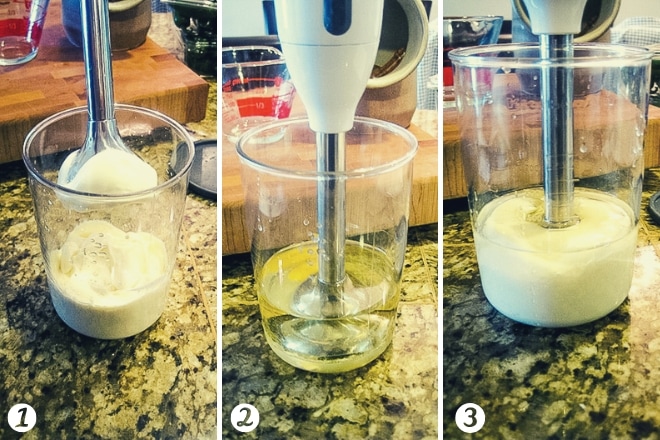
- Add egg, mustard, acid, and salt to the blender pitcher.
- Close lid and blend on low for 5–10 seconds to mix.
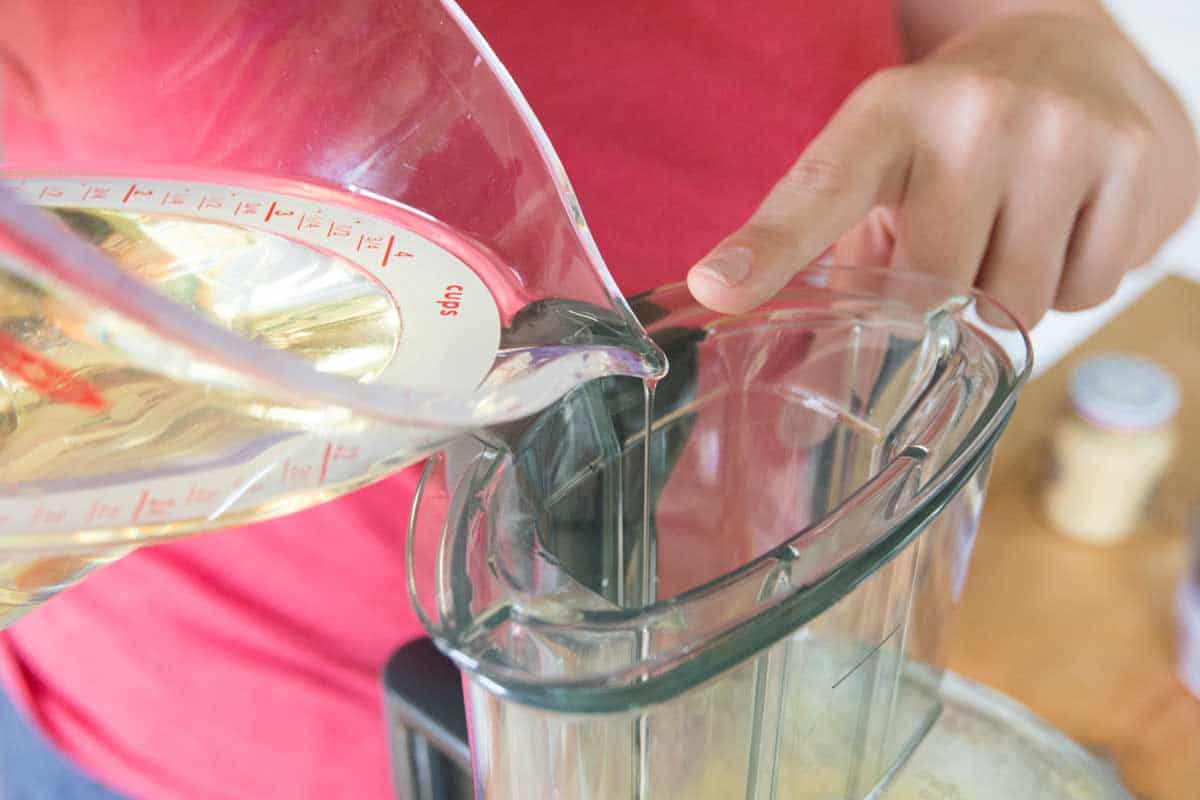
- With the blender running on low, slowly pour 1 cup oil in a thin, steady stream through the lid opening. Pouring slowly is key to forming an emulsion.
- Watch the mixture thicken and turn pale. This usually takes 30–60 seconds once oil is added.
- Stop blender. Taste and adjust with salt, lemon, or a teaspoon of water to loosen if too thick.
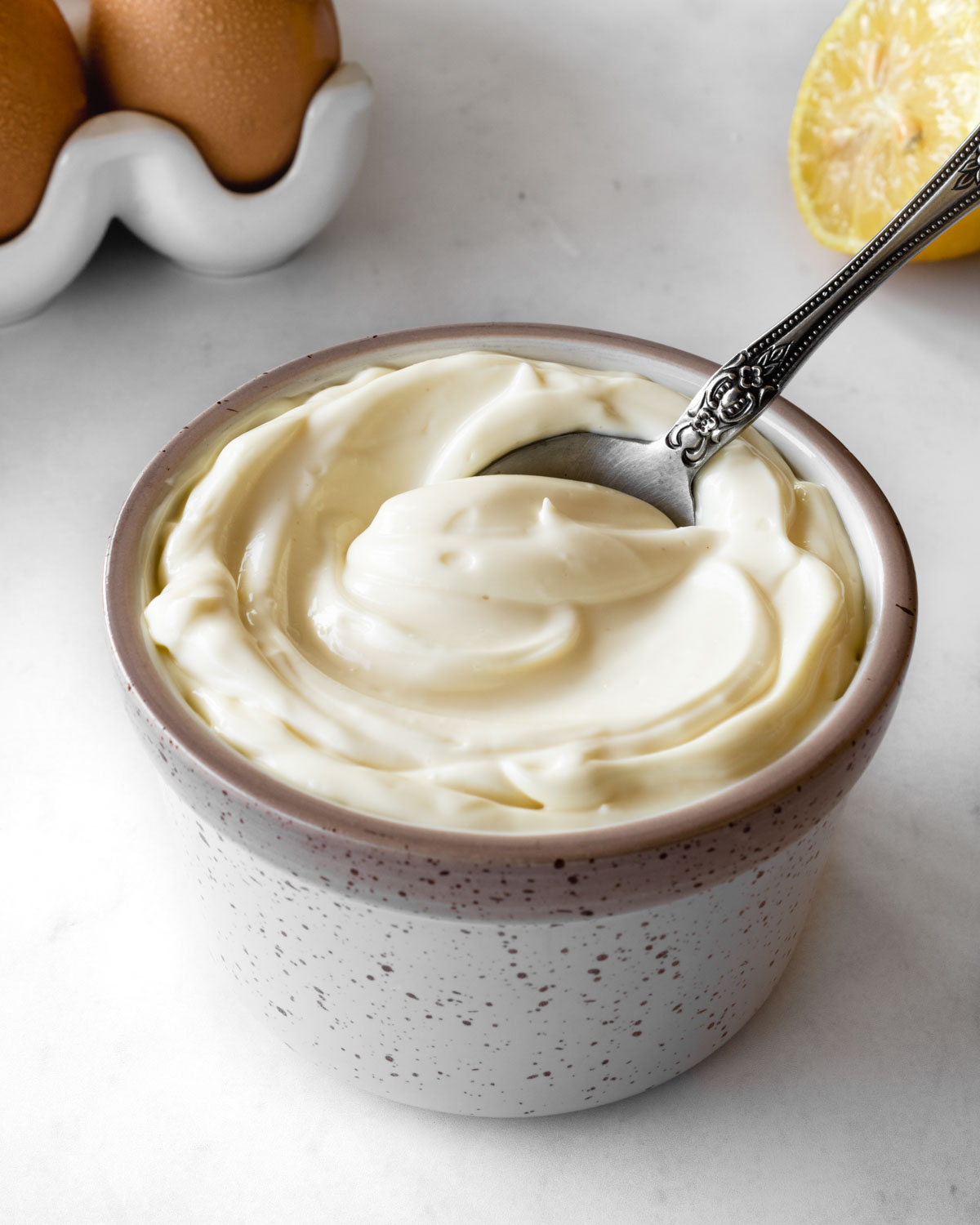
- Transfer to a clean jar and refrigerate.
Timing and speed:
- Start on low to avoid splatter.
- Total active time is typically under two minutes.

Troubleshooting and common mistakes
You can recover many issues if you know how to make mayonnaise with a blender the right way.
- Mayo too thin: You likely added oil too fast. Blend and then drizzle a little warm water while blending to help bind.
- Mayo split (separated): Start a fresh egg in a clean bowl and slowly whisk or blend in the split mayo, a spoonful at a time, to bring it back.
- Mayo too thick: Add 1 teaspoon water and blend briefly. Repeat until you reach desired texture.
- Bitter or oily taste: Use neutral oil or blend in a touch more acid to balance flavor.

Flavor variations and uses
Once you master how to make mayonnaise with a blender, you can create many flavors and condiments.
- Garlic aioli: Add 1–2 cloves garlic and blend.
- Herb mayo: Stir in chopped parsley, dill, or chives.
- Spicy mayo: Mix in sriracha or chipotle paste.
- Lemon-thyme mayo: Add extra lemon zest and a pinch of thyme.
Uses: - Sandwich spread, potato salad, dips, and dressings.
Storage, food safety, and nutrition
Safety matters when making how to make mayonnaise with a blender because raw egg is involved.
- Refrigerate immediately in a clean, sealed jar.
- Use within 3 to 4 days if made with raw eggs. Use pasteurized eggs to reduce risk and extend safe use slightly.
- Store at 40°F (4°C) or below. Discard if smell or color changes.
Nutrition snapshot: - Homemade mayo is high in fat and calories per tablespoon. You control oil type and salt, so you can make healthier choices by using heart-healthy oils and less salt.

Personal experience: tips, mistakes, and lessons learned
I started making how to make mayonnaise with a blender to save money and control flavor. Here are real tips from my kitchen.
- Lesson 1: Warm eggs work. Cold eggs slowed my first batches. Let them sit for 15 minutes.
- Lesson 2: Oil speed matters. Pouring too fast split a batch once. A steady thin stream fixed later attempts.
- Lesson 3: Mustard helps. A little Dijon saved a split and added depth.
- Tip: Keep a small jar of reserve oil to slowly add if your mayo needs tightening after chilling.
These practical tips avoid common traps and help you get perfect mayo every time.

Quick answers (PAA-style) about blender mayonnaise
Q: Can I use a food processor instead of a blender?
A: Yes. A food processor works but needs the same slow oil addition to emulsify. Results can be slightly different in texture.
Q: Is it safe to use raw eggs in blender mayo?
A: Raw eggs carry some risk. Use pasteurized eggs if you want a lower risk option, and always refrigerate promptly.
Q: Can I make vegan mayo in a blender?
A: Yes. Use aquafaba or soy milk with oil and acid. The process mirrors how to make mayonnaise with a blender but uses plant-based binders.
Frequently Asked Questions of how to make mayonnaise with a blender
How long does blender mayonnaise last in the fridge?
Homemade mayo usually lasts 3 to 4 days in the fridge. Use pasteurized eggs and very clean containers to maximize safety.
Can I use olive oil for blender mayonnaise?
You can, but strong extra-virgin olive oil can taste bitter. Use light olive oil or mix olive oil with a neutral oil for balanced flavor.
What causes mayonnaise to split in a blender?
Splitting often happens when oil is added too quickly or ingredients are too cold. Start blending the egg and acid first and pour oil slowly.
Can I fix split mayonnaise made in a blender?
Yes. Start with a fresh egg or a spoon of mustard in a clean container and slowly whisk or blend the split mayo into it one spoon at a time until it re-emulsifies.
Is homemade blender mayonnaise healthier than store-bought?
Homemade mayo can be healthier because you control the oil and salt. However, it still contains a high amount of fat, so use it in moderation.
Do I need to use the whole egg or can I use just the yolk?
You can use whole egg or yolk. Whole egg yields a lighter, slightly thinner mayo. Yolks give a richer, thicker result and need less oil.
How can I make thick mayonnaise in a blender?
Use room temperature egg and start with a stable binder like mustard. Slowly add oil and stop when it reaches the thickness you want. Chill to firm it further.
Can I flavor mayo during blending or after?
Both work. Blending adds deeper integration of flavors. Stirring in delicate herbs after blending keeps them bright.
Conclusion
Making how to make mayonnaise with a blender is fast, reliable, and fun. Follow the simple steps, use room temperature ingredients, pour the oil slowly, and adjust flavors to your taste. Start with the classic recipe, then experiment with herbs, spices, or lighter oils to make it your own. Try one batch today, and share how it turned out or ask a question below — I’d love to hear your results.