Dispose responsibly: recycle, donate, or follow local e-waste rules for safe blender disposal.
I have helped dozens of people and houses clear out small appliances, so I know how to dispose of a blender in ways that save money, protect the planet, and keep you safe. This guide walks you step-by-step through safe prep, recycling options, donation and resale choices, legal and environmental concerns, plus smart tips from my own experience to make disposing of a blender simple and stress-free. Read on to learn practical methods that fit your needs and local rules.
Why proper blender disposal matters
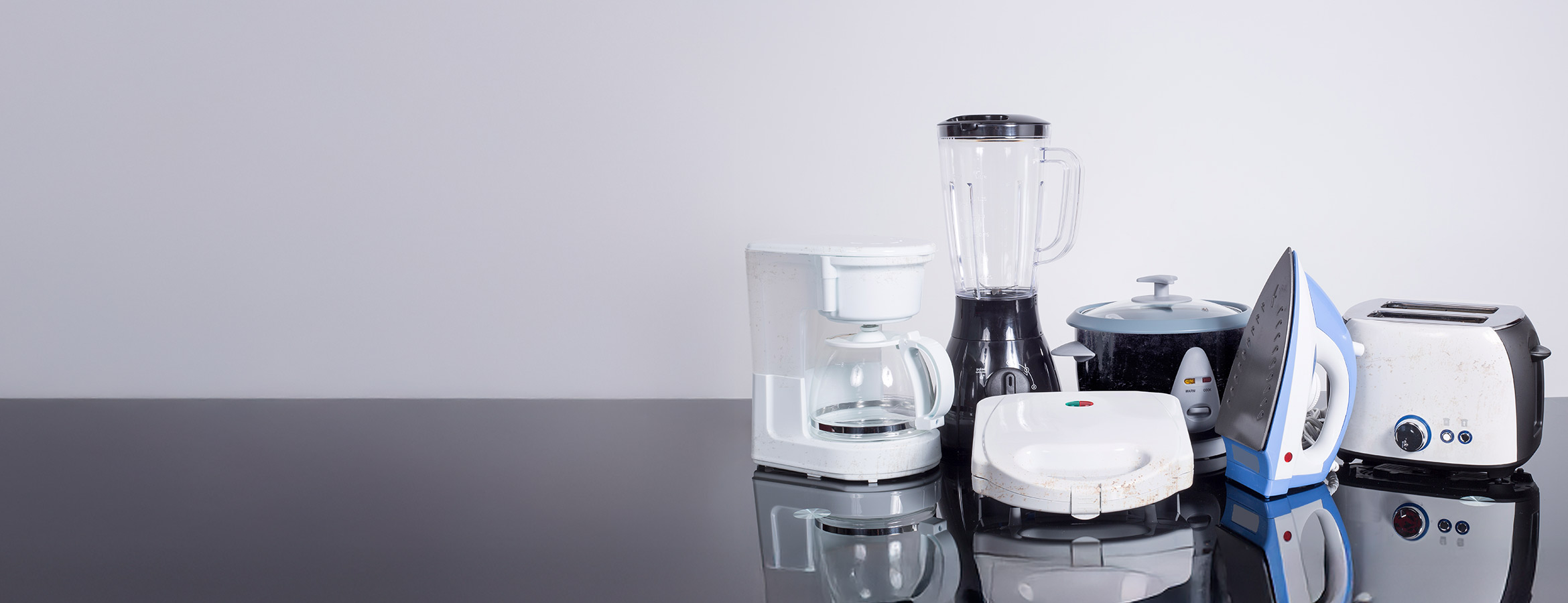
Throwing a blender in the trash can harm the environment and create safety risks. Blenders contain metal, glass or plastic, and small electronic parts. The motor and wiring are e-waste. If sent to a landfill, they can leak metals and plastics that persist for years.
Proper disposal protects water, soil, and recycling streams. It can also save you money and avoid fines for improper e-waste dumping. Knowing how to dispose of a blender helps you choose the best option for your city rules and the blender’s condition.
How to prepare your blender for disposal
Preparing your appliance is the first step when you want to know how to dispose of a blender safely.
- Unplug and clean it. Wash removable jars, rinse residue, and let parts dry before handing them off.
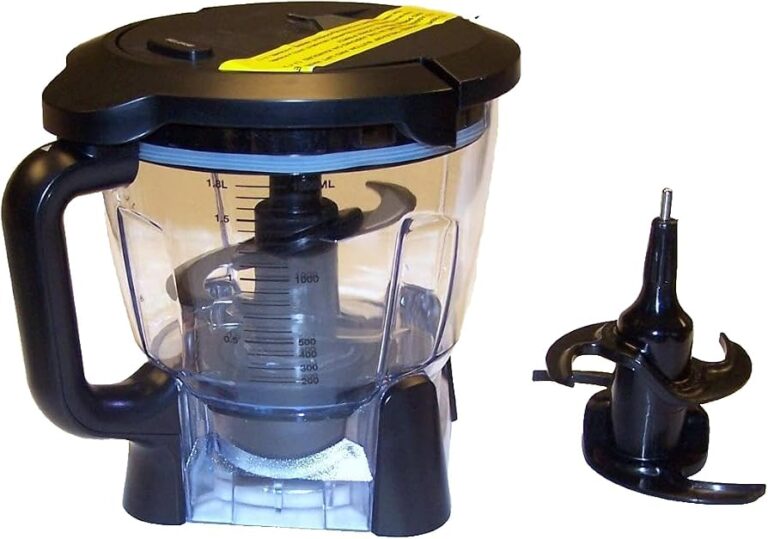
- Disassemble simple parts. Remove the jar, lid, gasket, and blade assembly if possible, and keep the motor base separate.
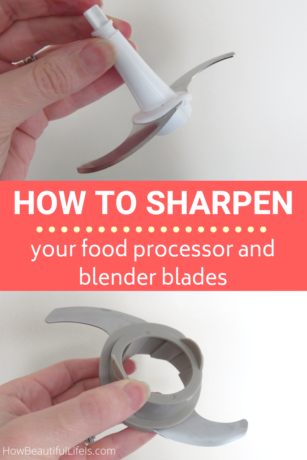
- Make blades safe. Wrap blades in thick paper or cardboard and tape them to avoid cuts for handlers.
- Secure cords. Coil and tape the power cord to the base to prevent tripping or tangles.
- Remove batteries if present. Some blenders have a backup battery or small cell; remove and recycle batteries separately.
These short steps lower injury risk and speed recycling or donation. I once failed to tape blades and ended up with a cut while lifting a wrapped jar — wrapping blades is worth the extra minute.

Disposal options: choose what fits
Here are the main choices for how to dispose of a blender. Pick the one that matches the blender’s condition and your local rules.
- Donate or sell
- Best for working blenders or those with minor issues.
- Charity shops, shelters, thrift stores, or online marketplaces accept small appliances.
- Manufacturer or retail take-back
- Many brands and big-box retailers run appliance take-back programs.
- Some stores offer trade-in credit or recycling for free or a small fee.
- Local e-waste recycling centers
- Centers handle motors and electronics safely.
- Often free or low-cost; check your municipal website for locations and rules.
- Curbside or bulk pickup
- Many cities allow small appliances in scheduled bulk pickup or a special curbside recycling day.
- Confirm weight and size limits and whether you need to schedule pickup.
- Scrap metal or appliance recyclers
- Metal recyclers may accept metal parts and pay a small scrap fee.
- The motor base often has valuable metals.
- Household trash as last resort
- If no other option exists and local rules allow, you can dispose of small appliances in the trash.
- Prepare by removing hazardous parts and wrapping sharp edges.
When you decide how to dispose of a blender, compare cost, convenience, and environmental benefit. I typically check a local e-waste center first; it’s quick and responsible.
How to recycle blender parts
Recycling the parts can keep materials in use and reduce waste. Knowing how to dispose of a blender by parts helps recyclers sort items correctly.
- Glass or plastic jar
- Clean and separate by type if possible. Many recycling programs accept clean glass and some plastics.
- Metal blades and base components
- These are often recyclable as scrap metal. Securely package blades before drop-off.
- Motor and electronics
- Treat as e-waste. Motors contain copper and other metals that recyclers recover.
- Rubber gaskets and foam
- Usually not recyclable curbside; discard responsibly or find specialty recyclers.
Label or note the materials when you drop off parts. Recycling centers will guide you on separation rules. On a recent drop-off, staff praised my pre-sorted parts — they processed everything faster.

Repurpose, repair, and creative reuse
Before recycling, consider giving your blender a second life. Repurposing can be fun and eco-friendly.
- Repair and replace parts
- Replace a gasket, blade, or jar to extend life. Spare parts are often inexpensive.
- Repurpose jars
- Use jars as pantry storage, drinking cups, or plant pots.
- Use motor parts for DIY
- Motors can power small projects or art pieces if you know basic wiring.
- Upcycle blades as tools
- Blades can become craft tools or garden labels when safely mounted.
I once turned an old blender jar into a herb pot. It sat on my windowsill for months and renewed a dead basil start into a full plant. Small creative steps can be satisfying and reduce waste.
Cost, logistics, and local rules
Costs and rules vary. Here are practical points to consider when you figure out how to dispose of a blender.
- Fees
- Some drop-off centers or retailers charge a small recycling fee. Others accept appliances free.
- Pickup scheduling
- Book bulk or e-waste pickup early. Slots can fill fast near community cleanup events.
- Local ordinances
- Check city or county rules. Some places ban small appliances from curbside trash or require special handling.
- Documentation
- For bulk pickups, you may need an ID or proof of residency.
Call or visit your local waste management site before you act. I saved a trip once by confirming online that my city’s e-waste day accepted small appliances without a fee.

Common quick questions
Can I recycle a blender jar in curbside recycling?
Yes, if the jar is empty, clean, and the right material type for your city. Remove metal or plastic lids and follow local plastic and glass rules.
Do I need to remove the blade before donating a blender?
It helps, but many charities accept whole blenders if they work. If you remove the blade, wrap it safely to protect handlers.
Is the motor base hazardous waste?
Not usually, but motors contain metals and electronics that belong in e-waste streams. Do not put the motor in regular glass or plastic recycling.

Mistakes to avoid and practical tips from experience
Small errors can cost time or cause injury. Learn from my experience and the common pitfalls below.
- Don’t toss blades loose. They cut handlers and clutter recycling lines.
- Don’t assume curbside accepts motors. Check first.
- Don’t donate dirty or broken appliances. Charities prefer working items.
- Do label heavy boxes and tape cords to prevent tripping.
- Do ask recyclers if they accept mixed materials. Separation can speed processing.
Years ago I dropped off a mixed box of parts without guidance. It was returned because metals and glass must be separated. That taught me to call first and save time.
Frequently Asked Questions of how to dispose of a blender
How do I safely remove blender blades?
Unplug the blender and hold the jar firmly. Turn the jar upside down and unscrew or pry the blade assembly according to the manual, then wrap blades in thick paper.
Can I donate a broken blender?
Most charities will not accept a broken blender, but some repair cafes or makerspaces will take it for parts or repair. Check local options before donating.
Where can I recycle the motor?
Take the motor to an e-waste center or scrap metal recycler that accepts small appliances. Motors contain metals and electronics that standard curbside recycling won’t process.
Do retailers take old blenders when I buy a new one?
Some retailers offer take-back or trade-in programs when you buy a new appliance. Policies vary, so ask the store or check the retailer’s website.
Is it okay to throw a blender in the trash?
Only if local rules allow and no better option exists. Removing hazardous parts and securing sharp edges is still important if you must dispose of it with regular trash.
Conclusion
Disposing of a blender responsibly is simple when you know the steps. Clean and prep the unit, choose donation, recycling, retail take-back, or scrap options, and follow local rules to protect the environment and keep people safe. Start by checking local e-waste resources or calling a nearby recycler, and consider repair or repurpose if the unit still has life. Take action today: schedule a drop-off, list your blender for donation, or book a pickup and help keep waste out of landfills. Leave a comment with your local tips or subscribe for more easy eco-friendly home guides.