Sharpen blender blades by hand with a stone or file, following safety steps and careful testing.
I’ve sharpened many kitchen blades and repaired small appliances, so I’ll guide you clearly through how do you sharpen blender blades at home. This post covers why blades dull, what tools to use, step-by-step methods, safety rules, testing, and when to replace blades instead of sharpening. Read on for practical tips and real-life lessons to keep your blender cutting cleanly and safely.

Why blender blades get dull and what that means for performance
Blender blades dull from normal use. They hit ice, frozen fruit, and hard seeds. Tiny nicks and worn edges make blades less sharp. Dull blades chop less well and force the motor to work harder, shortening the blender’s life.
Knowing how do you sharpen blender blades helps you restore performance. A sharper blade reduces blending time. It also makes smoothies smoother and saves energy. If you know the wear signs, you can act before parts fail.

Tools you’ll need to sharpen blender blades
Use the right tools to sharpen safely and well. Gather:
- Protective gloves to stop cuts and slips.
- A diamond stone or ceramic stone for most blender steels.
- A small flat mill file for quick edge touch-ups.
- A clamp or vice to hold the blade securely.
- Fine grit sandpaper for polishing the edge.
Using proper tools makes how do you sharpen blender blades easier and safer. Cheap tools can do harm or ruin the blade angle.
Source: youtube.com
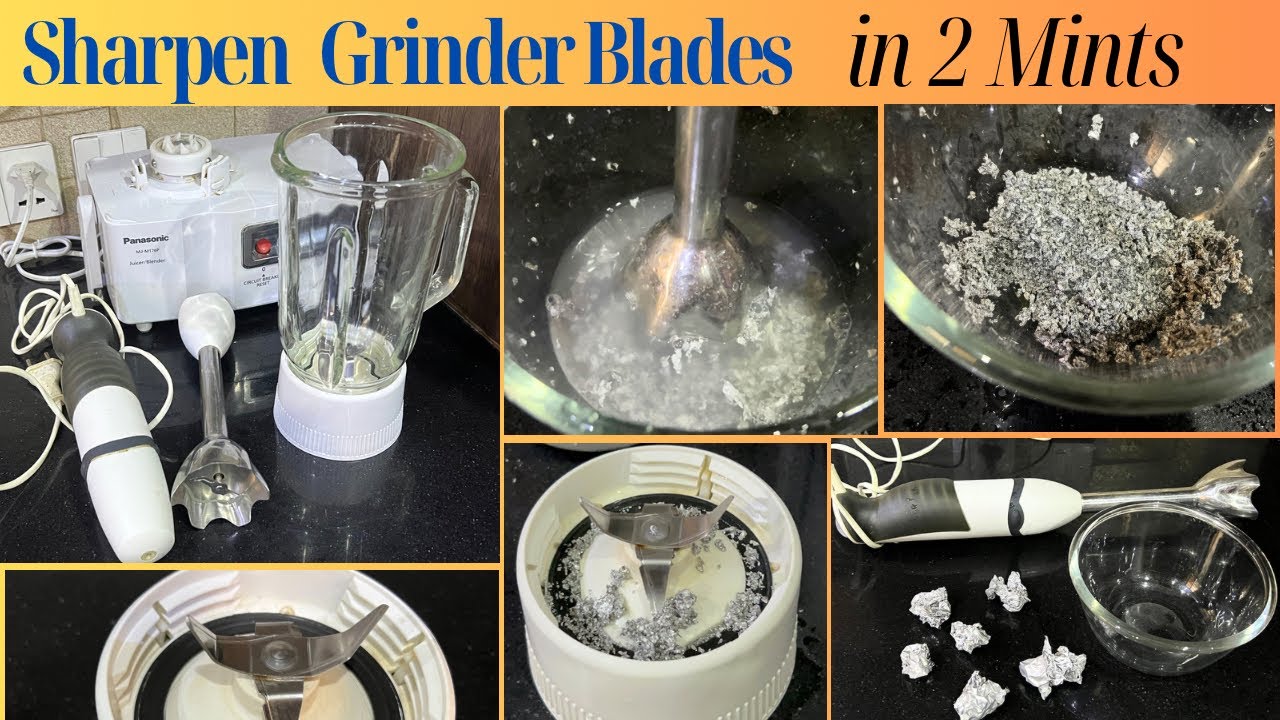
Step-by-step: sharpening blender blades with a diamond stone
This method works for most removable blender blades. The steps are simple and repeatable.
- Disassemble and clean the blade assembly. Remove the blade unit and wash it to remove gunk. Dry fully to avoid slipping.
- Secure the blade. Use a clamp or vice with soft jaws. Hold the blade so you can access the bevel safely.
- Find the bevel angle. Most blender blades have a small bevel between 15 and 25 degrees. Match that angle on your stone.
- Stroke the blade on the stone. Move the cutting edge across the stone away from you. Keep the angle steady. Do 8 to 12 light strokes per side.
- Check the edge. Look for a consistent shine and a slight burr along the opposite side. Remove the burr by gently stroking the flat side on the stone.
- Polish the edge with fine sandpaper. Wrap paper around a block and make a few light passes to remove roughness.
- Reassemble and test. Clean again, reattach, and test with soft food. If needed, repeat for a sharper edge.
Knowing how do you sharpen blender blades by matching the bevel keeps the original edge intact. Be patient and use light pressure. Heavy pressure removes metal fast and can ruin the blade.
Alternative methods: file, rotary tool, or professional sharpening
Not every blade needs a stone. Here are other options:
- File: A small flat mill file works for quick touch-ups on thicker blades. Use light, even strokes and match the angle.
- Rotary tool: A bench grinder or Dremel with a fine wheel can reshape badly damaged blades, but it’s risky and creates heat that can weaken the metal.
- Professional sharpening: Send the blade to a shop if it’s very warped or the bevel is gone.
When thinking about how do you sharpen blender blades, choose the method that matches blade condition. Use rotary tools only if you have experience and cooling measures.Source: youtube.com

Safety tips and precautions when sharpening blender blades
Safety matters every step of the way. Follow these rules:
- Always wear cut-resistant gloves and eye protection.
- Unplug and remove blades from the blender before touching them.
- Secure the blade firmly so it doesn’t twist while you work.
- Work slowly and check progress often to avoid over-sharpening.
- Keep fingers away from the cutting edge and never test sharpness with touch.
Understanding how do you sharpen blender blades safely prevents injury and damage. If you feel unsure at any point, stop and get help.Source: reddit.com

Testing, maintenance, and extending blade life
After sharpening, test and maintain blades to prolong performance.
- Test on soft food first, such as a banana or some yogurt. If blending is smoother and faster, the job is good.
- Clean the blades after every use to prevent corrosion and build-up.
- Balance the blade assembly. If the blender vibrates, the blade may be warped or unevenly sharpened.
- Lubricate seals and check gaskets when you reassemble the unit.
Learning how do you sharpen blender blades is only half the story. Regular care keeps blades sharp longer and keeps your blender running well.
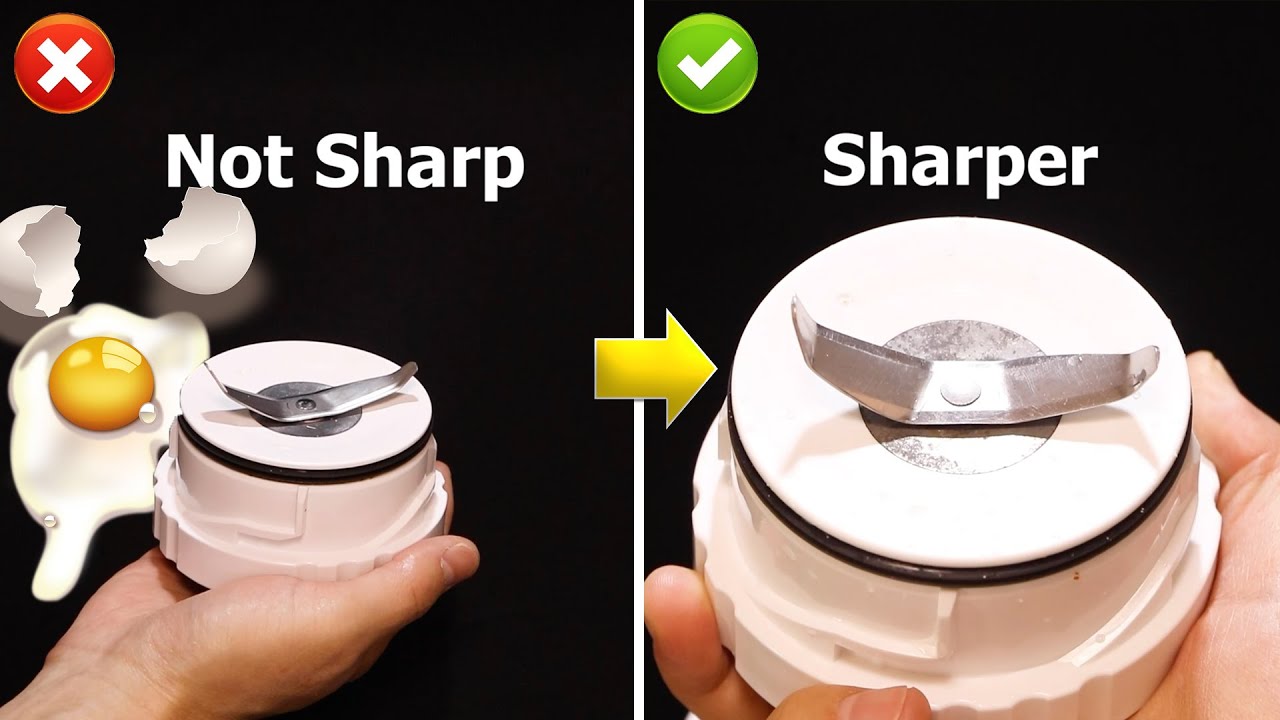
When to replace blender blades instead of sharpening
Sharpening isn’t always the answer. Replace blades if:
- The blade is bent or warped and won’t spin true.
- The bevel is too thin or pitted from corrosion.
- Seals or the bearing are worn and leaking.
- The metal is brittle or cracked.
Knowing how do you sharpen blender blades also means knowing when not to. A replacement is safer and more cost-effective in many cases.
My experience: lessons learned and practical tips
I’ve sharpened many blender blades for home use and for friends. A few lessons stood out:
- Match the original bevel angle. It yields the best balance between sharpness and durability.
- Light strokes beat heavy ones. You keep more metal and control the edge better.
- If the blade is part of a sealed cartridge, consider replacing the cartridge rather than trying to disassemble it.
- Test with real recipes. A blade may cut well on paper but underperform with ice.
If you follow these tips about how do you sharpen blender blades, you’ll save time and avoid mistakes. Treat the blade like a tiny tool, not a disposable part.

Frequently Asked Questions of how do you sharpen blender blades
Can all blender blades be sharpened at home?
Most removable metal blades can be sharpened at home with a stone or file. Sealed or plastic blades and some one-piece units cannot be safely sharpened and should be replaced.
How often should I sharpen blender blades?
Sharpen only when performance drops or you see visible wear. For regular home use, this might be once a year or every few hundred hours of blending.
Will sharpening damage the blade or motor?
Proper sharpening does not harm the motor. Damage happens when you over-sharpen, change the blade profile, or leave burrs that unbalance the assembly.
Is it safe to use a grinder or Dremel to sharpen blender blades?
A grinder or Dremel can reshape blades, but these tools create heat and remove metal quickly. They are risky unless you control speed, angle, and cooling.
How do I know the bevel angle to use when sharpening?
Look at the existing edge and match it. Most blender blades have a small bevel near 15 to 25 degrees; keep strokes light and consistent to maintain that angle.
Conclusion
Sharpening blender blades is a useful skill that keeps your blender efficient and your food smooth. You can learn how do you sharpen blender blades using a stone, file, or by choosing professional help when needed. Follow safety rules, match the blade angle, and test after sharpening to get the best results.
Ready to try it? Gather your tools, work carefully, and share your results or questions below — or subscribe for more kitchen-care tips.