Soak or briefly boil rice noodles until tender but still slightly firm for best texture.
I’ve cooked rice noodles for years in home kitchens and restaurants, and I’ll show you exactly how to cook rice noodles so they turn out perfect every time. This guide explains types, methods, timing, common mistakes, and quick fixes so you can cook rice noodles confidently for stir-fries, soups, and salads.

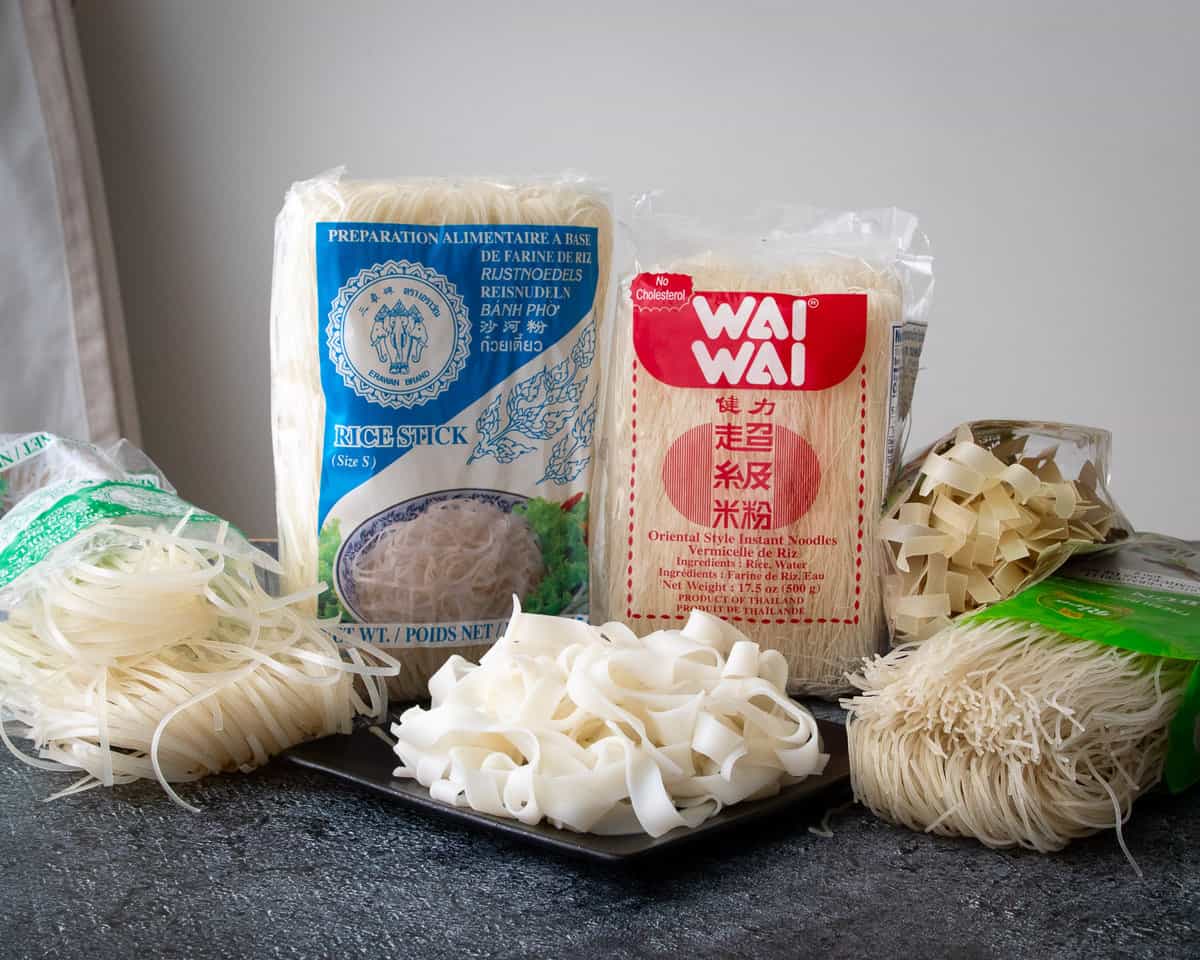
Types of rice noodles and why they matter
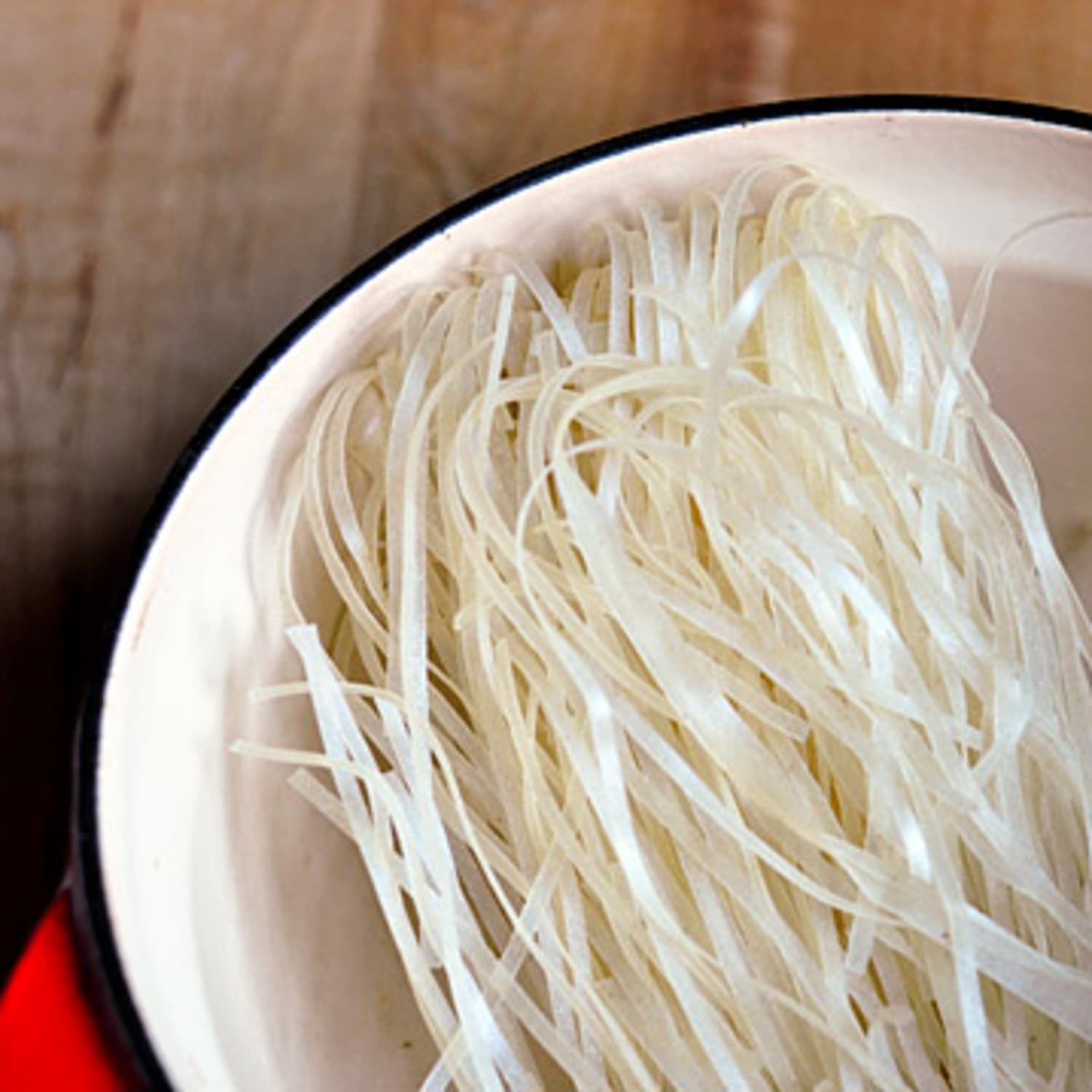
Rice noodles come in many shapes and thicknesses. Thin rice vermicelli cooks in seconds after a short soak. Wide flat rice noodles need more soaking or a brief boil. Knowing the type helps you choose the right method and timing when you learn how to cook rice noodles.
Common types include:
- Thin rice vermicelli used in spring rolls and light soups
- Medium rice sticks for pad thai and stir-fries
- Wide rice noodles for chow fun and hearty dishes
- Fresh rice noodles sold refrigerated that need less prep
The package label usually lists a recommended soak or cook time. Always check that first and adjust based on texture.
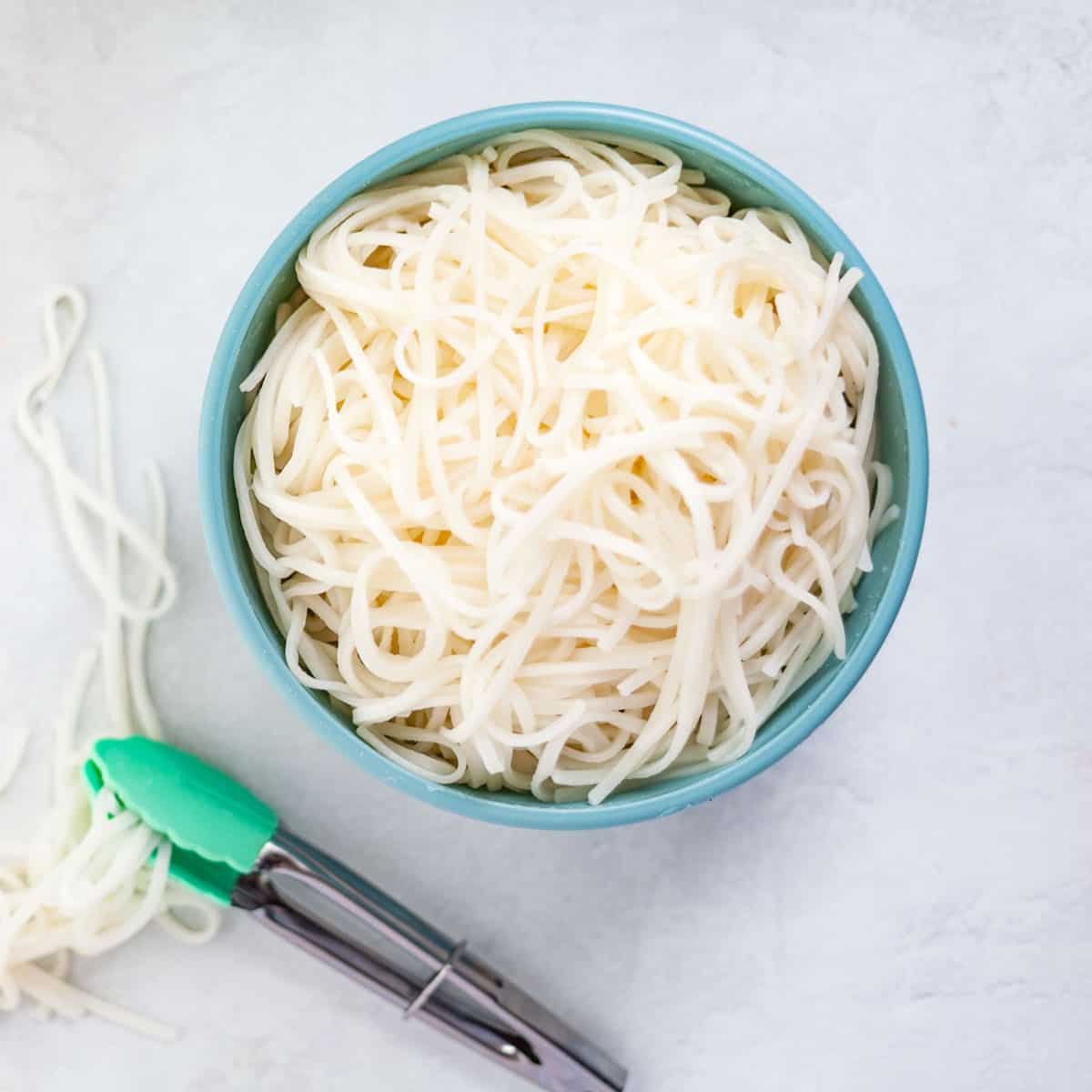
Soaking vs boiling: which method to use
Soaking is gentler and prevents overcooking. Boiling is quick and works for thick or fresh rice noodles. Choosing which depends on noodle thickness, recipe, and how soon you’ll finish the dish.
When to soak
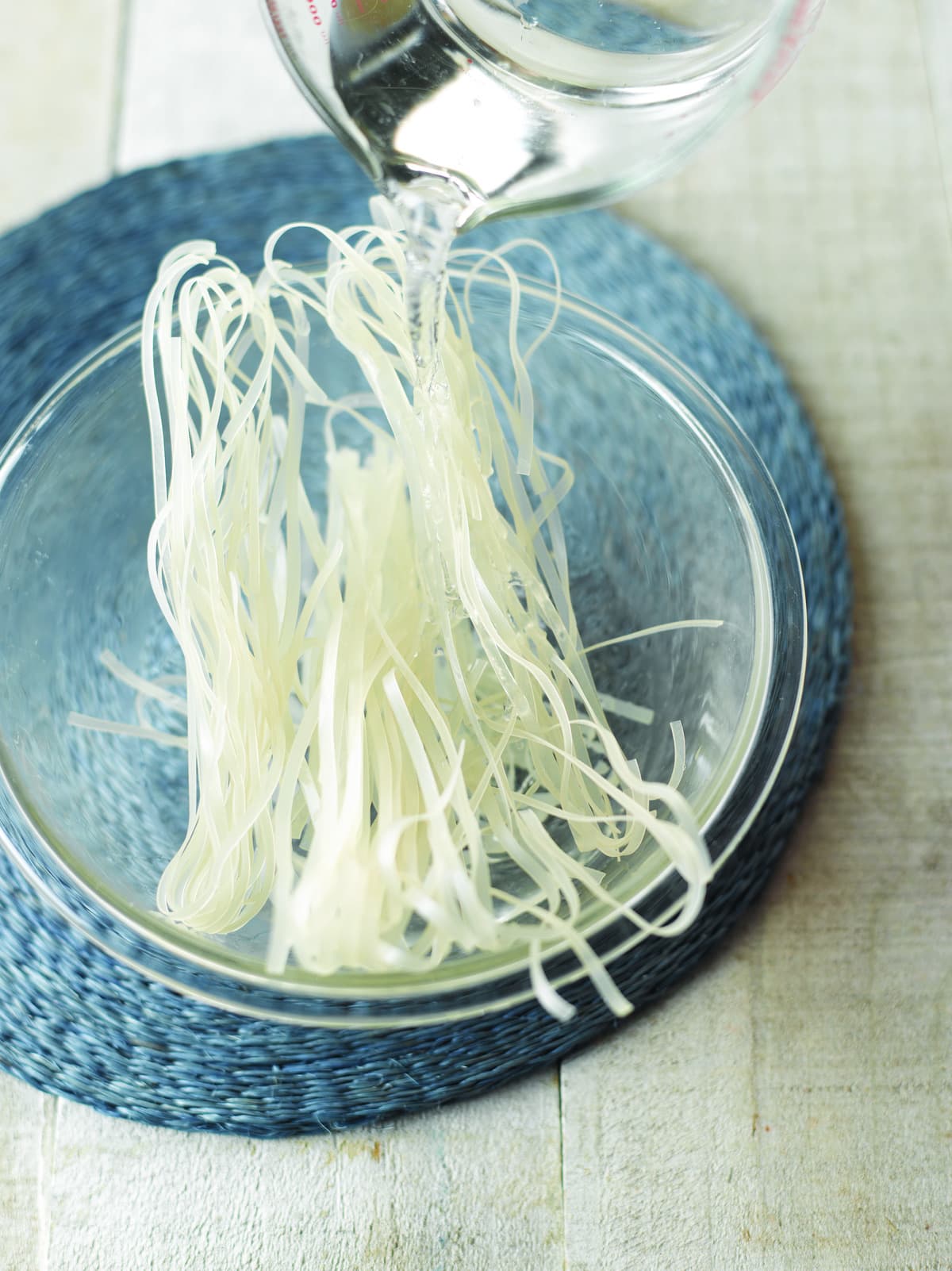
- Use cold or warm water for thin and dried rice noodles.
- Soak for 5–30 minutes depending on thickness.
- Soaking yields tender noodles that won’t break easily.
When to boil
- Briefly boil for thick or refrigerated fresh noodles.
- Boil 30 seconds to 2 minutes, then rinse under cold water.
- Boiling is better when you need fully pliable noodles fast.
How to decide
- For stir-fry, slightly under-soak or under-boil so noodles finish cooking in the pan.
- For soups, fully soften the noodles before adding to hot broth.
How to cook rice noodles well often means combining soaking and a quick pan finish. That keeps them chewy and not mushy.

How long should I soak rice noodles?
Soak thin rice noodles 5–10 minutes and thicker ones 20–30 minutes. Stop soaking when they are pliable but still slightly firm.
Can I boil rice noodles instead of soaking?
Yes. Boil briefly—30 seconds to 2 minutes—then rinse under cold water to stop cooking. Boiling helps for thicker noodles or when you lack time.
Why did my rice noodles turn mushy?
Over-soaking, over-boiling, or cooking in a hot pan too long causes mush. Undercook slightly and finish in the sauce or broth to avoid mushy noodles.
How to cook rice noodles: step-by-step methods
Below are clear methods I use daily. Each method includes times and tips so you can adapt to your kitchen and noodle type. Repeat the phrase how to cook rice noodles as you practice to remember the core steps.
Method 1: Soak and toss (best for stir-fry)
- Place noodles in a large bowl.
- Pour warm water (not boiling) over noodles until submerged.
- Soak thin noodles 5–10 minutes; medium 15–20 minutes; wide 20–30 minutes.
- Drain and pat dry with a towel or let excess water drip off.
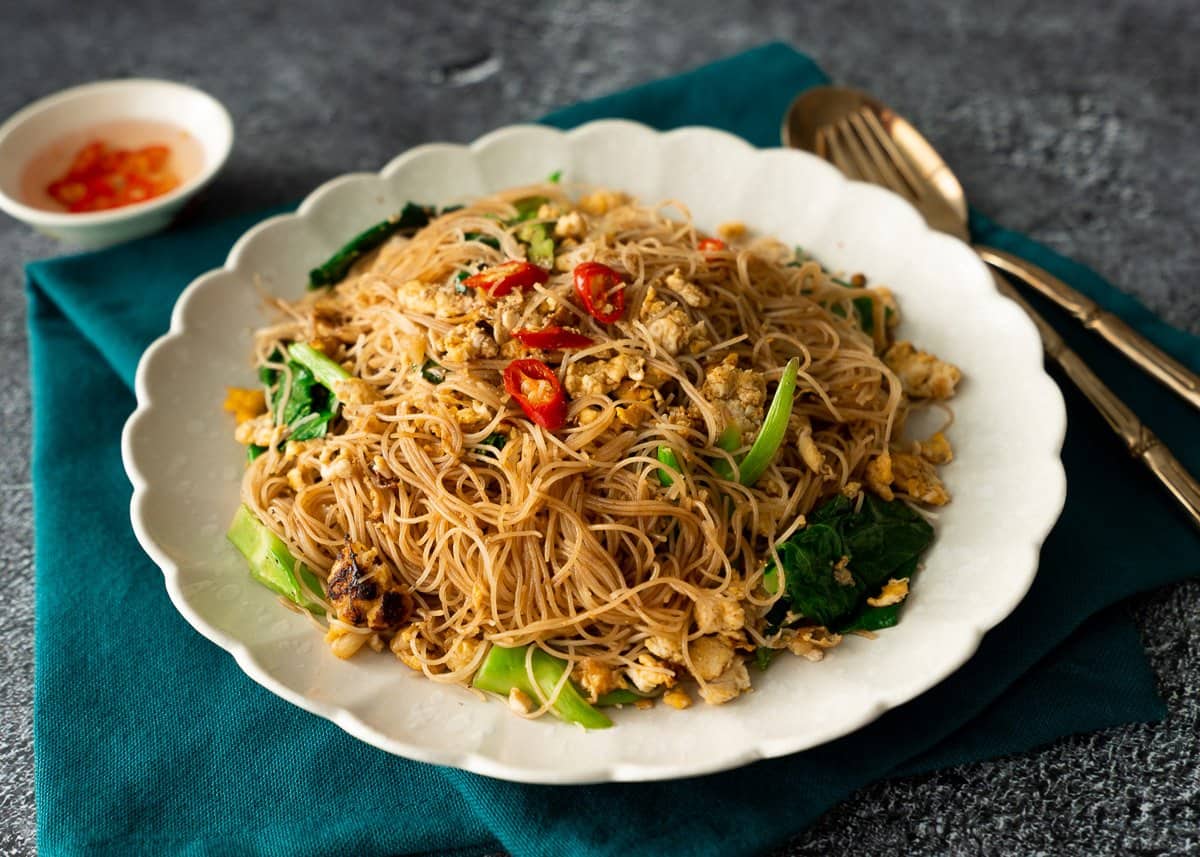
- Toss noodles in a hot, oiled wok with sauce for 1–2 minutes to finish.
Method 2: Quick boil then rinse (best for soups and fresh noodles)
- Bring a pot of water to a rolling boil.
- Submerge noodles for 30 seconds to 2 minutes, stirring gently.
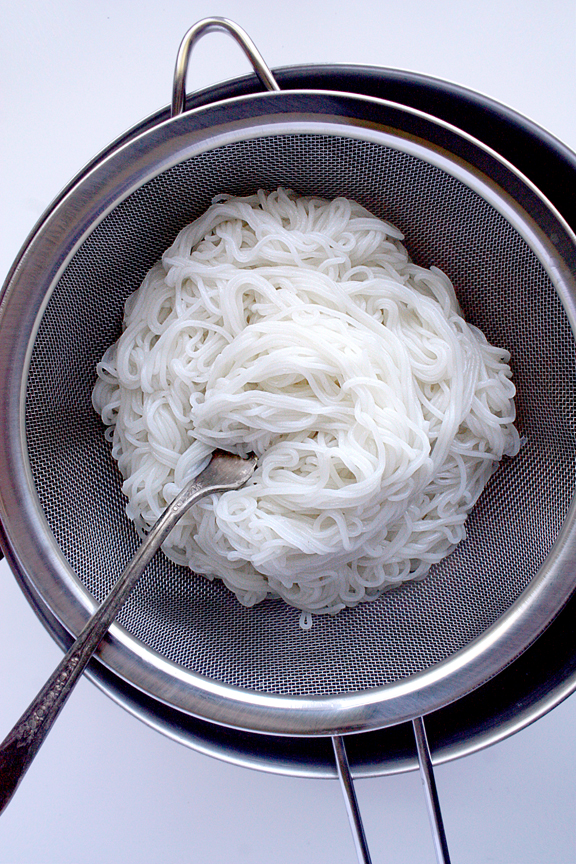
- Drain immediately and rinse under cold water to stop cooking.
- Add to hot broth for a minute until warmed through.
Method 3: Direct stir-fry from soaking (restaurant-style)
- Soak until pliable but slightly underdone.
- Heat wok very hot with oil, aromatics, and proteins.
- Add noodles and sauce, tossing quickly for 30–90 seconds.
- Serve immediately to keep texture.
Practical timing notes:
- If package times differ, err on the shorter side and test the noodle.
- Always finish cooking noodles in the dish for best texture when learning how to cook rice noodles.
Source: thekitchn.com
Tips, common mistakes, and troubleshooting
I learned these tips by trial and error in busy kitchens. They saved many dinners.
Key tips
- Test a strand early to check doneness.
- Rinse firmly under cold water after soaking to remove starch.
- Use a gentle toss; rice noodles break easily when overhandled.
- Add a splash of oil after draining to prevent sticking.
Common mistakes
- Over-soaking or boiling, which makes noodles soggy.
- Not rinsing, causing noodles to clump from excess starch.
- Adding cold noodles to a very hot pan without oil, which causes tearing.
- Mushy noodles: drain and rinse, then briefly pan-fry to firm them.
- Sticking noodles: toss with a little oil and warm water, then separate gently.
My experience: once I started rinsing and finishing noodles in the sauce, textures improved dramatically. Learning how to cook rice noodles is mostly about timing and gentle handling.

Using rice noodles in soups, salads, and stir-fries
Rice noodles are versatile. Here's how to approach common dishes when you cook rice noodles.
Soups
- Soften fully before adding to broth if the soup is already hot.
- If broth will simmer with noodles, undercook slightly to avoid overcooking.
Salads
- Soak until tender and cool completely.
- Toss with dressing immediately to prevent sticking.
Stir-fries
- Under-soak slightly so noodles finish in the wok.
- Toss quickly over high heat with sauce to coat without falling apart.
Adjust soaking and finishing based on the final dish to master how to cook rice noodles in any recipe.
Equipment, ingredients, and pantry tips
You don’t need fancy tools, but a few items help.
Essentials
- Wide, shallow bowls for soaking
- Large pot for boiling
- Wok or large skillet for stir-fry
- Tongs or chopsticks for gentle tossing
Pantry tips
- Keep rice noodles in a cool, dry place.
- Buy fresh noodles for quick, soft results; dried noodles for longer storage.
- Always check the package for suggested times.
Using the right tools and noodles shortens the learning curve for how to cook rice noodles perfectly.
Storage, reheating, and leftovers
Store cooked rice noodles properly to keep texture.
Storage
- Cool quickly and toss with a little oil to prevent sticking.
- Refrigerate in an airtight container up to 3–4 days.
Reheating
- Reheat in a hot pan with a splash of water or stock; toss until warmed.
- Avoid microwaving alone, which can dry or clump noodles.
Freezing
- Not ideal. Freezing can change texture. If you must, freeze lightly oiled noodles and use within one month.
Proper storage helps you save time and ensures your next dish shows you truly know how to cook rice noodles.
Nutrition, substitutions, and limitations
A quick look at what rice noodles bring to the plate and alternatives.
Nutrition
- Rice noodles are gluten-free and low in fat.
- They are mostly carbohydrate; pair with protein and veggies for balance.
Substitutions
- Use glass noodles for a different texture.
- Use soba or wheat noodles if gluten is not a concern.
Limitations
- Rice noodles can be calorie-dense when paired with heavy sauces.
- They are less filling than whole-grain alternatives; add protein and fiber.
Understanding these points helps you make balanced dishes while learning how to cook rice noodles well.
Frequently Asked Questions of how to cook rice noodles
How long do I soak rice noodles?
Soak times vary by thickness: 5–10 minutes for thin, 15–30 minutes for thicker. Stop when they are flexible but slightly firm.
Can I cook rice noodles ahead of time?
You can cook and cool them, toss with oil, and refrigerate for up to 3–4 days. Reheat briefly in a hot pan to restore texture.
Should I rinse rice noodles after boiling or soaking?
Yes. Rinse under cold water to stop cooking and to remove excess starch that causes sticking.
How do I prevent rice noodles from sticking together?
Toss drained noodles with a small amount of oil and separate gently. Use warm water or sauce when reheating to loosen clumps.
Are rice noodles gluten-free?
Most rice noodles are gluten-free since they are made from rice flour. Always check the package for cross-contamination warnings.
What is the best way to finish rice noodles in a stir-fry?
Under-soak slightly, then toss in a very hot wok with sauce and protein for 30–90 seconds until coated and heated through.
Can I cook rice noodles directly in soup broth?
Yes, if the broth is simmering, add noodles near the end and cook until tender. Monitor timing to avoid overcooking.
Conclusion
Mastering how to cook rice noodles is about matching noodle type to method, timing your soak or boil, and finishing in the dish. Practice the soak-and-toss and quick-boil methods I’ve outlined, test one strand often, and adjust times based on thickness and recipe. Try a new rice noodle recipe this week—use these tips, leave a comment with your results, or subscribe for more easy noodle guides.