Fried rice is quick: use cold day-old rice, hot pan, oil, aromatics, and high heat.
I’ve cooked fried rice for years, tested many tweaks, and helped friends master it. This guide explains how to cook fried rice step by step, why each step matters, and how to adapt the recipe to your taste. You’ll learn practical tips, common mistakes, safety notes, and simple variations so you can make perfect fried rice at home every time.

Why fried rice works and why you should learn it
Fried rice turns simple leftovers into a fast, tasty meal. It is flexible, budget-friendly, and works as a one-pan dinner or a side dish. Knowing how to cook fried rice well lets you use up odds and ends from the fridge and make restaurant-style results at home.
Fried rice is a balance of texture and flavor. The goal is slightly crisp grains, bright aromatics, and evenly distributed seasoning. Once you know the core method, you can swap proteins, veg, and sauces without losing the result.

Ingredients and tools you need to cook fried rice
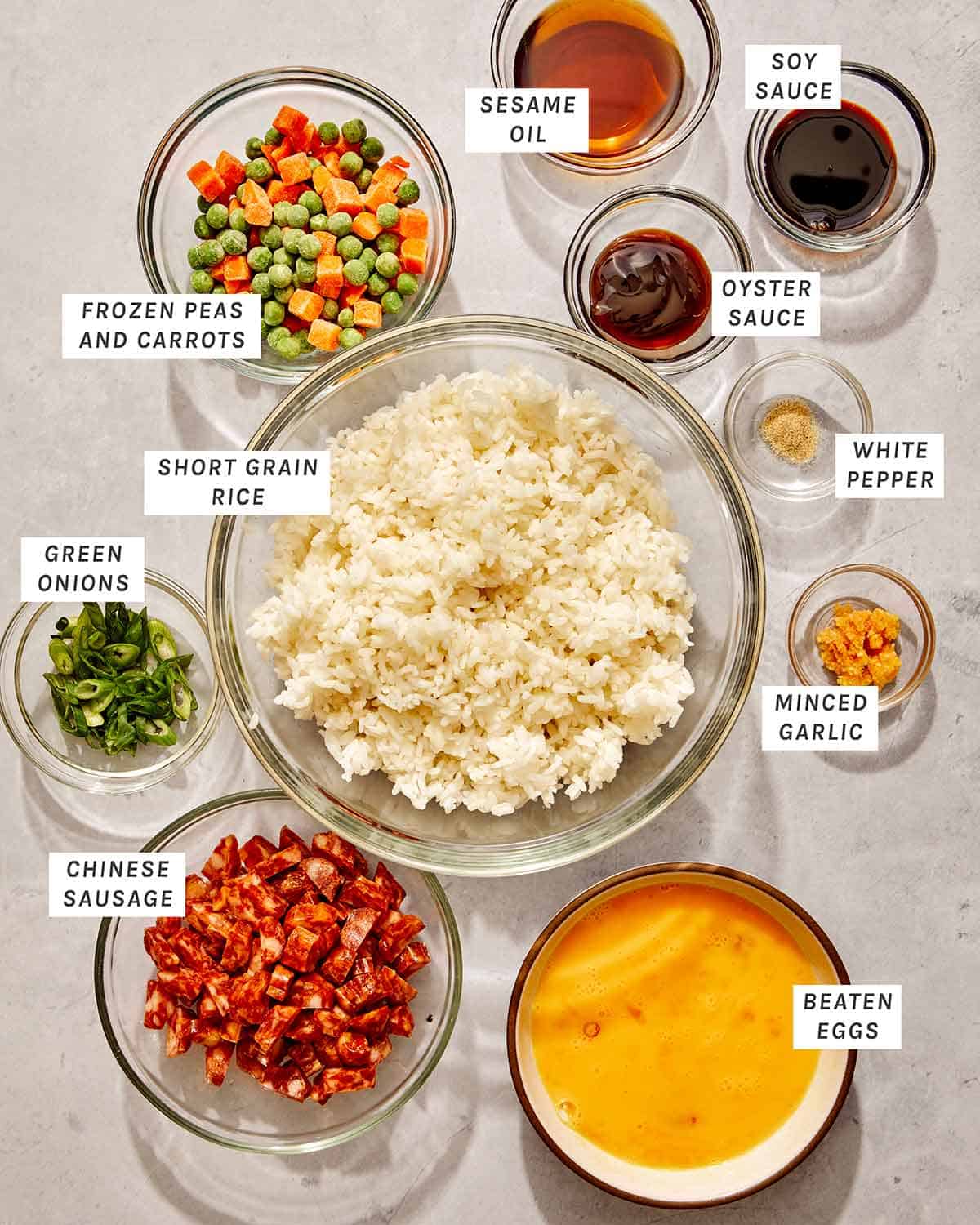
Use fresh, simple ingredients and a hot, wide pan for best results.
- Rice
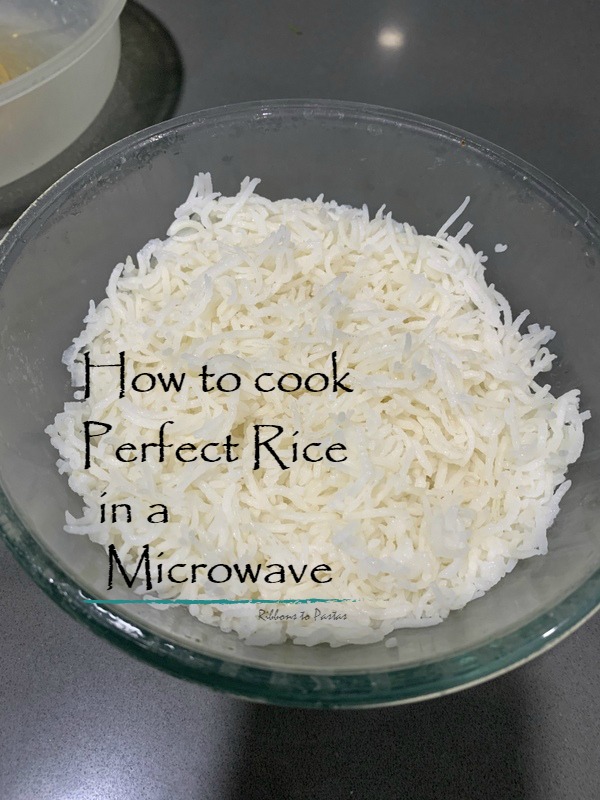
- Use cooked, cooled rice. Day-old jasmine or long-grain rice works best.
- Oils and fats
- Neutral oil with high smoke point like vegetable or peanut. A little sesame oil at the end for flavor.
- Aromatics and seasonings
- Garlic, onion or scallion, soy sauce, oyster sauce (optional), salt, and pepper.
- Proteins and vegetables
- Leftover chicken, shrimp, tofu, eggs, peas, carrots, bell pepper, corn, or scallions.
- Tools
- Wok or large nonstick skillet, spatula, bowl, and a plate for prep.
Why cold rice? Freshly cooked rice is moist and clumps. Cold rice firms the grains so they fry evenly. Preparing ingredients before heating the pan keeps the cook time short and efficient.
Step-by-step method: how to cook fried rice perfectly
Follow these steps for a classic, reliable result. Read all steps before you start.
- Prep everything first
- Chop vegetables and proteins into small, even pieces.
- Beat 1–2 eggs in a bowl if using.
- Break up any clumps in the cold rice with your fingers or a fork.
- Heat the pan
- Set wok or skillet over medium-high to high heat.
- Add 1–2 tablespoons oil. Heat until shimmering.
- Cook proteins and set aside
- Sear raw protein pieces briefly until nearly done. Remove to a plate.
- Aromatics and eggs
- Add a touch more oil if needed. Fry garlic and onion or scallion whites for 20–30 seconds.
- Push aromatics to the side. Add beaten eggs and scramble lightly; then mix with aromatics.
- Add rice and fry
- Add cold rice. Spread it across the pan and let it sit for 20–30 seconds to dry and get slight color.
- Toss and press to separate grains. Keep rice moving a bit, but allow occasional contact with the hot pan.
- Season and finish
- Return proteins to the pan. Add peas, carrots, or quick-cooking veg.
- Splash soy sauce and optional oyster sauce. Drizzle a little sesame oil. Taste and adjust with salt or pepper.
- Stir in scallion greens at the end for fresh flavor.
Serve hot. Fry in small batches if cooking for many people to keep high heat and good texture. This step-by-step shows exactly how to cook fried rice without sogginess and with bright flavors.

Flavor builds and smart swaps
Understanding flavor layers helps you adapt the recipe when you ask how to cook fried rice for different tastes.
- Base flavors
- Soy sauce adds salt and color. Use light soy to season; dark soy for color only.
- Umami boost
- Oyster sauce, fish sauce, or a pinch of MSG can deepen flavor.
- Crunch and color
- Add nuts, bean sprouts, or fresh herbs after frying for texture.
- Low-sodium and gluten-free
- Use low-sodium soy or tamari and adjust salt to taste.
Can I skip soy sauce or make it spicy?
Yes. Substitute tamari for gluten-free or add chili paste, sriracha, or fresh chiles for heat. Taste as you go to avoid overpowering the dish.
Is brown rice okay for fried rice?
Brown rice works but needs careful handling. It is firmer and may require a splash more oil and slightly longer fry time to get a good texture.
These examples show how to cook fried rice to match your pantry and diet. Small swaps change the flavor but the same method applies.
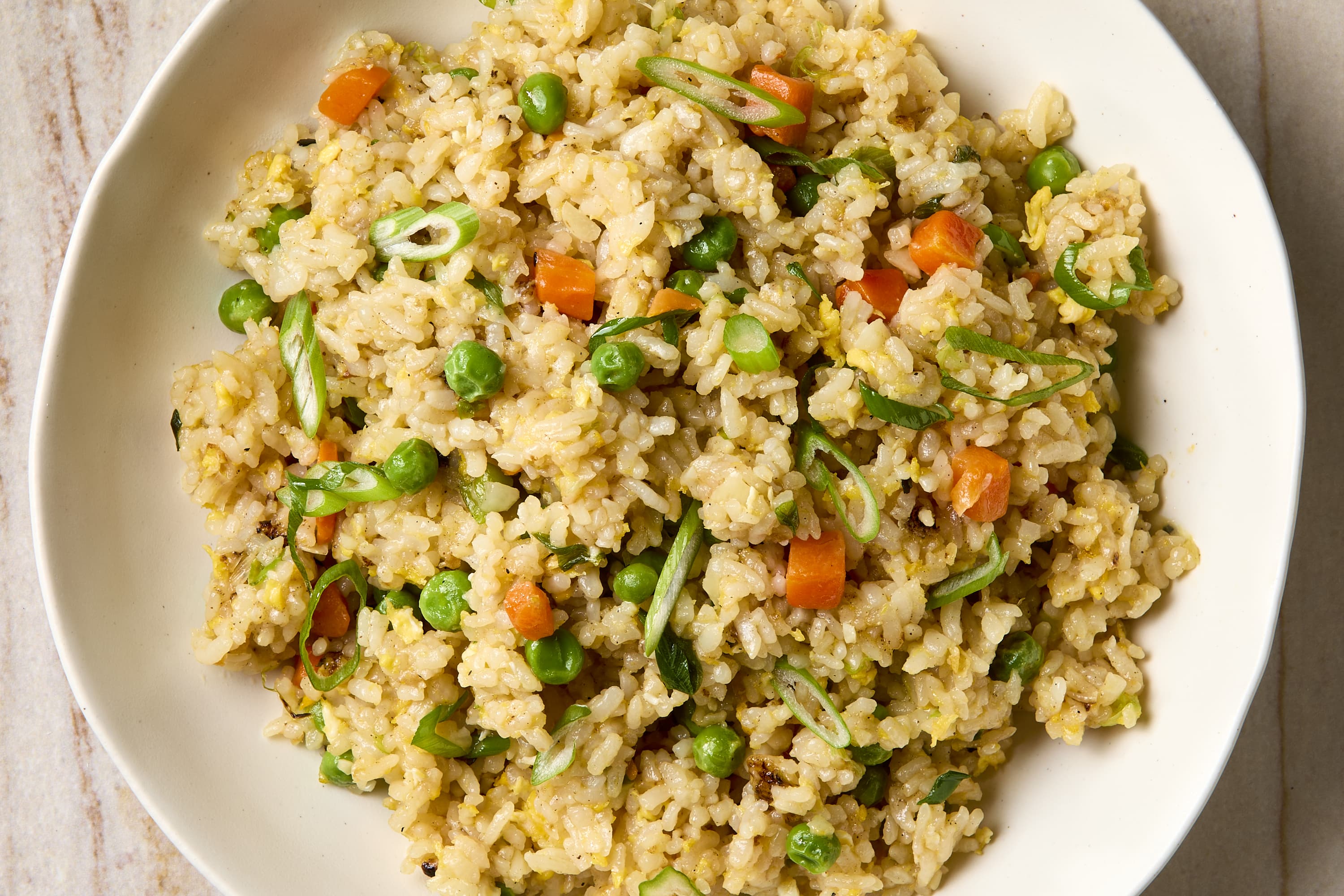
Common mistakes and fixes when you cook fried rice
Avoid these pitfalls to get consistent results when you learn how to cook fried rice.
- Using hot, freshly cooked rice
- Problem: Soggy, sticky grains.
- Fix: Use rice that has cooled in the fridge. Break up clumps before frying.
- Overcrowding the pan
- Problem: Steaming instead of frying.
- Fix: Cook in batches so each grain touches the pan and gets heat.
- Too little heat
- Problem: Soft, pale fried rice.
- Fix: Preheat the pan well and work quickly on high heat.
- Adding sauces too early
- Problem: Mushy rice and uneven color.
- Fix: Add sauces after rice is loose and hot, and toss quickly.
- Burning aromatics
- Problem: Bitter garlic or onions.
- Fix: Keep aromatics moving and add eggs or rice to cool the pan slightly.
Learned from trial and error: controlling heat and timing is more important than exact measurements. That’s the key to great fried rice.

My real-world tips and personal notes
I’ve cooked fried rice in small apartments and teaching kitchens. These practical tips make a difference.
- Use day-old rice whenever possible. I store rice in a shallow container so it cools fast.
- Use a metal spatula in a hot wok to toss rice confidently.
- Taste and adjust at the end. Small pinches of salt or a splash of lime can brighten the dish.
- If you want a smoky “wok hei” flavor and don’t have a wok, tilt a cast-iron skillet and keep it very hot.
- Keep portions small in the pan. I learned that cooking too much at once ruins texture.
These are simple, repeatable actions I still use. They make how to cook fried rice faster and more reliable.
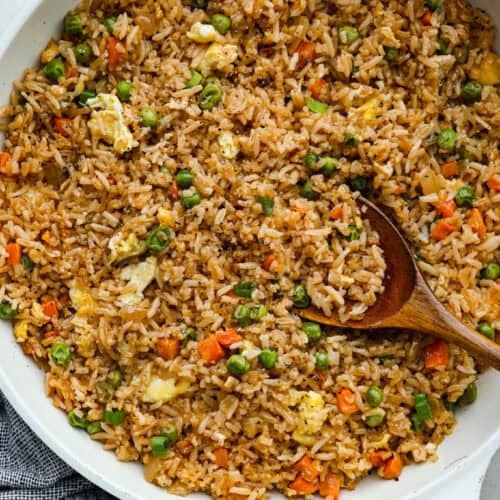
Frequently Asked Questions of how to cook fried rice
How do I prevent soggy fried rice?
Use cold, day-old rice and avoid overcrowding the pan. Fry on high heat and add sauces late to keep grains separate.
Can I make fried rice without a wok?
Yes. Use a large, heavy skillet like cast iron or nonstick and follow the same high-heat, quick-cook method. Work in small batches for best results.
How long can I store leftover fried rice?
Refrigerate within two hours and keep for 3–4 days. Reheat until steaming hot or freeze for longer storage.
Is it safe to eat leftover rice in fried rice?
Yes if rice was cooled quickly and stored properly. To reduce risk, refrigerate leftovers promptly and reheat thoroughly.
Can I make fried rice ahead of time for a party?
Partially. Cook rice earlier and refrigerate. Finish frying just before serving to keep texture and heat. For large batches, fry in batches and keep warm in a low oven.
Conclusion
Mastering how to cook fried rice gives you a quick, flexible meal that reduces waste and tastes great. Remember the three core rules: use cold rice, keep the pan hot, and prep everything before you start. Try one variation this week and tweak the seasoning to your taste.
Give it a try tonight. Share your favorite swap or question in the comments, or bookmark this guide for your next rice rescue.