Blend roasted almonds until they turn creamy, adding a neutral oil and salt to taste.
I’ve made almond butter in blenders many times, and this guide walks you through how to make almond butter blender-style with clear steps, tools, and tips. I’ll explain why roasting matters, how to troubleshoot a grainy blend, and which blender settings make the smoothest nut butter. Read on to learn practical, tested advice so your next batch of almond butter from the blender is silky, tasty, and reliably repeatable.
Ingredients you’ll need
Keep the ingredient list short and flexible. You can make almond butter with only almonds, but a few optional items improve texture and flavor.
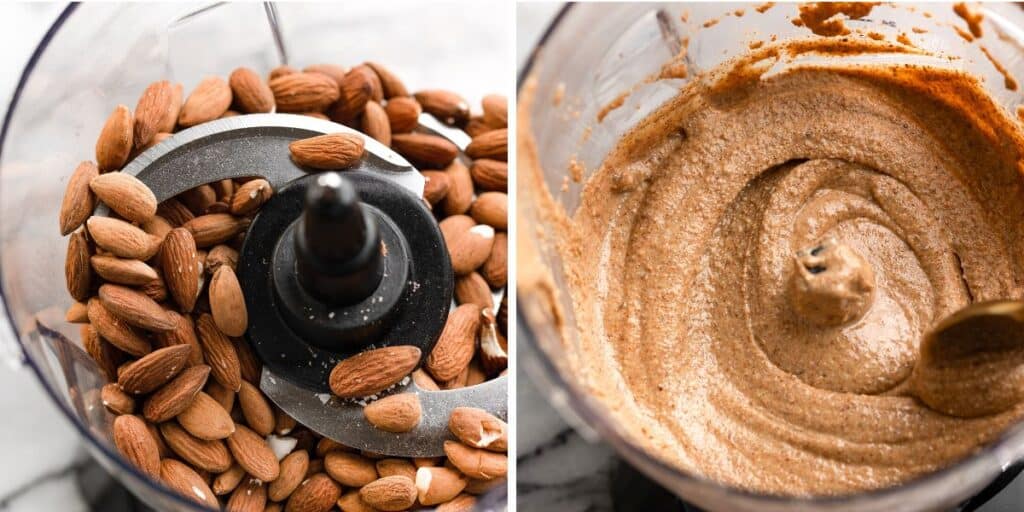
- Raw or roasted almonds — 2 to 4 cups, depending on batch size.
- Salt — 1/4 to 1/2 teaspoon, to taste.
- Neutral oil (optional) — 1 to 2 teaspoons of avocado, grapeseed, or light olive oil.
- Sweetener (optional) — 1 teaspoon honey or maple syrup for a touch of sweetness.
- Add-ins (optional) — vanilla, cinnamon, or cocoa powder for flavor.
If you start with raw almonds, roast them first for a more nutty flavor and a smoother result. This ingredients list supports learning how to make almond butter blender-style step by step.
Equipment and blender selection
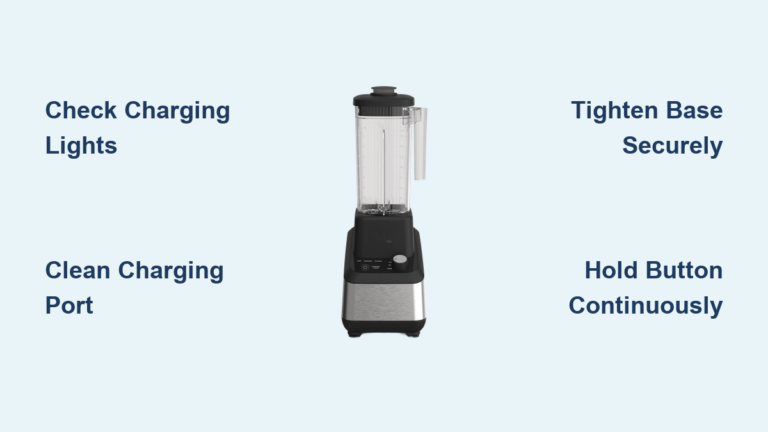
Choosing the right blender is key when learning how to make almond butter blender-based.
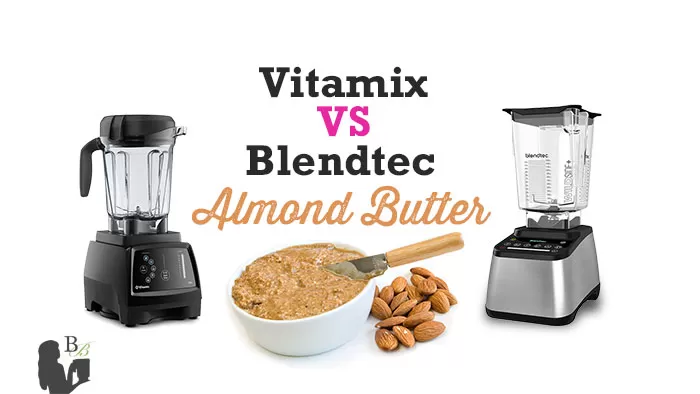
- High-speed blender — works best for smooth texture; look for 1000W+ or a high-performance motor.
- Standard countertop blender — can work but needs patience and pulse technique.
- Food processor — not a blender, but a good alternative if your blender struggles.
- Spatula — for scraping down the jar.
- Oven tray or skillet — if you roast almonds yourself.
A strong motor prevents overheating and reduces blending time. I recommend testing your blender with small batches first to see if it can handle the load.
Step-by-step: how to make almond butter blender
Follow these simple steps to make creamy almond butter in a blender.
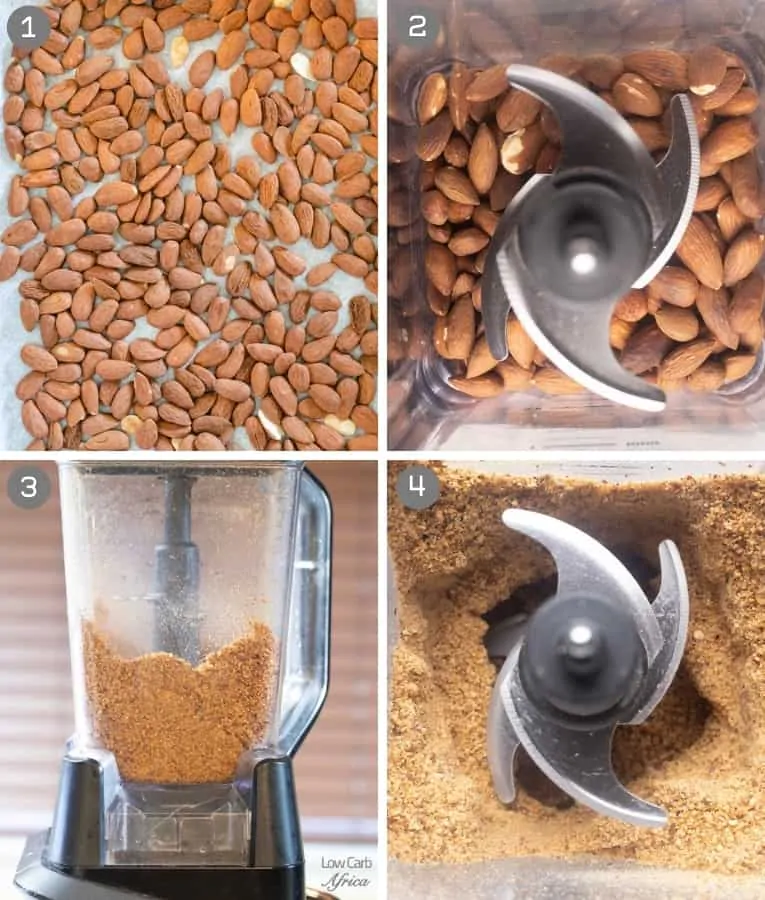
- Prepare almonds
- Roast raw almonds at 350°F (175°C) for 8–12 minutes, stirring once. Allow to cool slightly.
- Add almonds to the blender
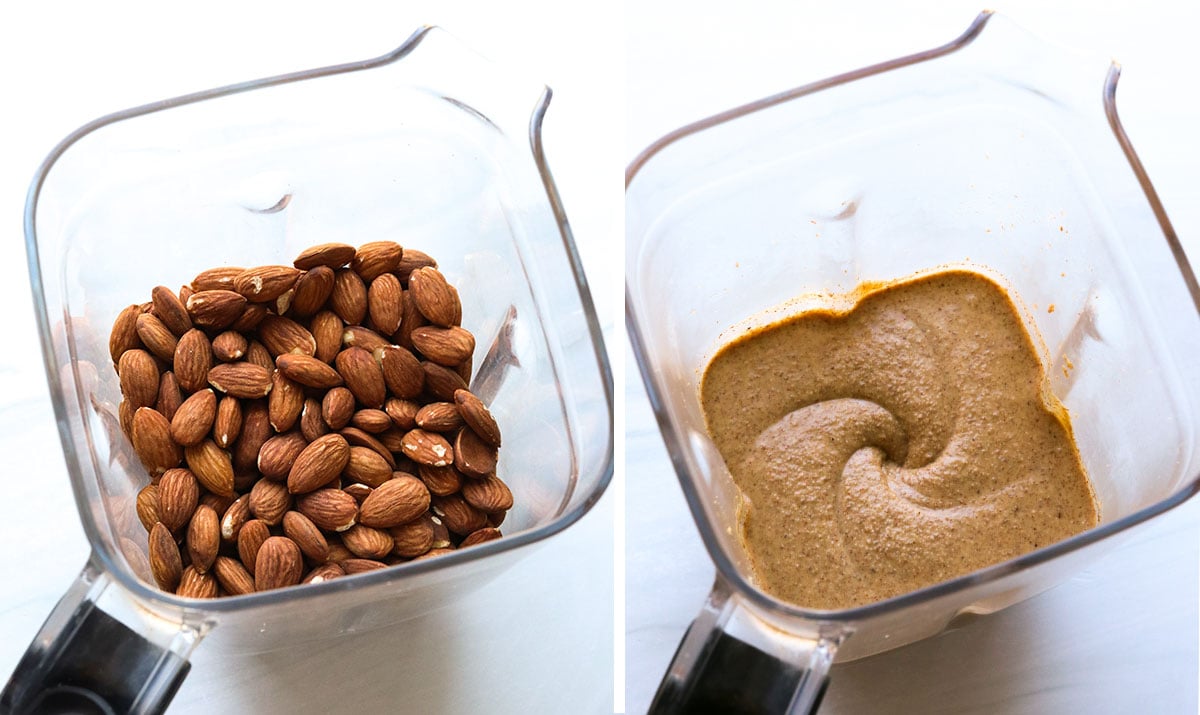
- Pour 2 cups of warm or room-temperature roasted almonds into the blender jar.
- Start blending
- Pulse 10–15 times to break nuts into coarse crumbs. Stop and scrape the sides.
- Blend continuously
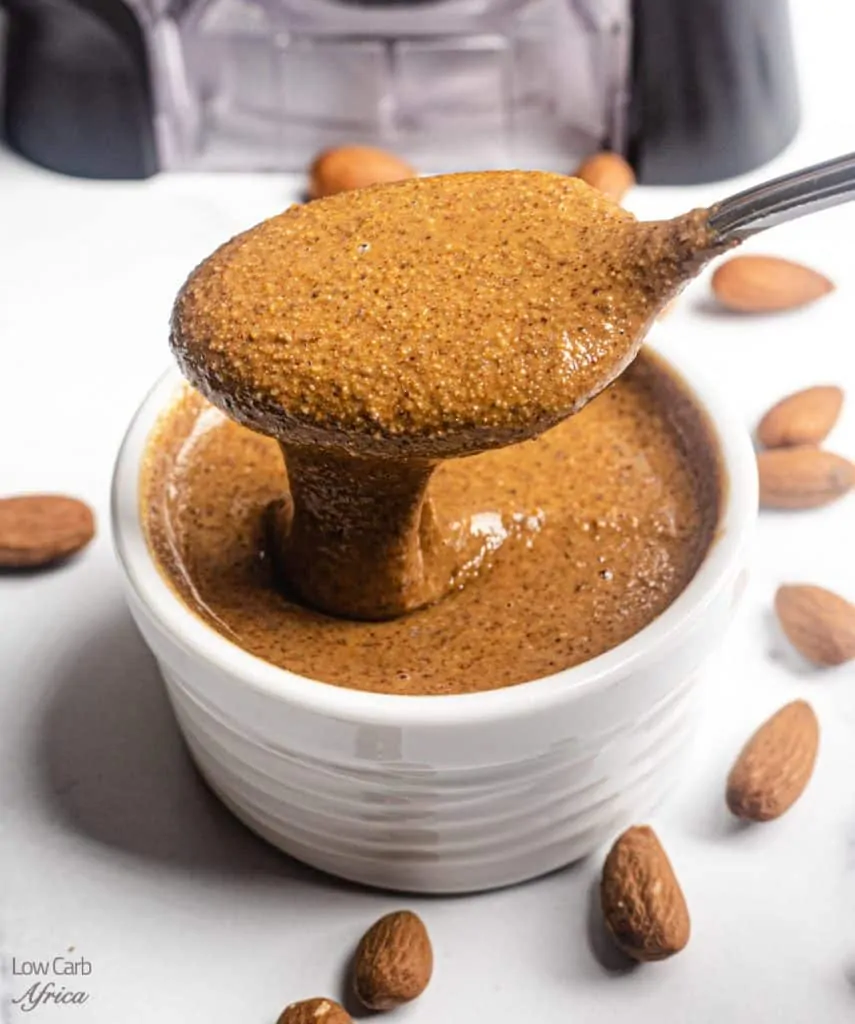
- Run the blender in 20–30 second bursts; pause to scrape every 30–45 seconds. Expect a dry paste stage, then clumping, then smoothness.
- Add oil and salt
- When paste starts to come together, add 1 teaspoon oil and 1/4 teaspoon salt. Adjust later.
- Final texture tune
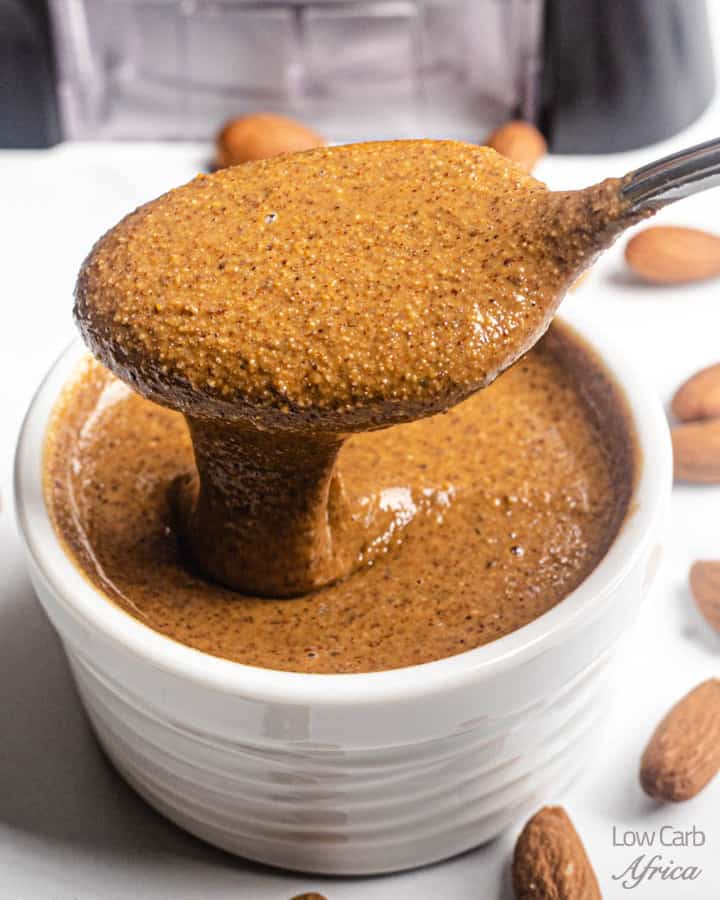
- Blend until smooth. Add up to 1 more teaspoon oil if you want looser almond butter.
- Store
- Transfer to a clean jar and refrigerate.
These steps give a clear blueprint for how to make almond butter blender batches that are smooth and shelf-ready.
Tips and tricks for a silky result
Little habits save time and improve texture when you make almond butter blender-style.
- Roast almonds for the best flavor and easier blending.
- Use room-temperature almonds; warm nuts release oils more easily.
- Don’t overfill the jar — work in batches if needed.
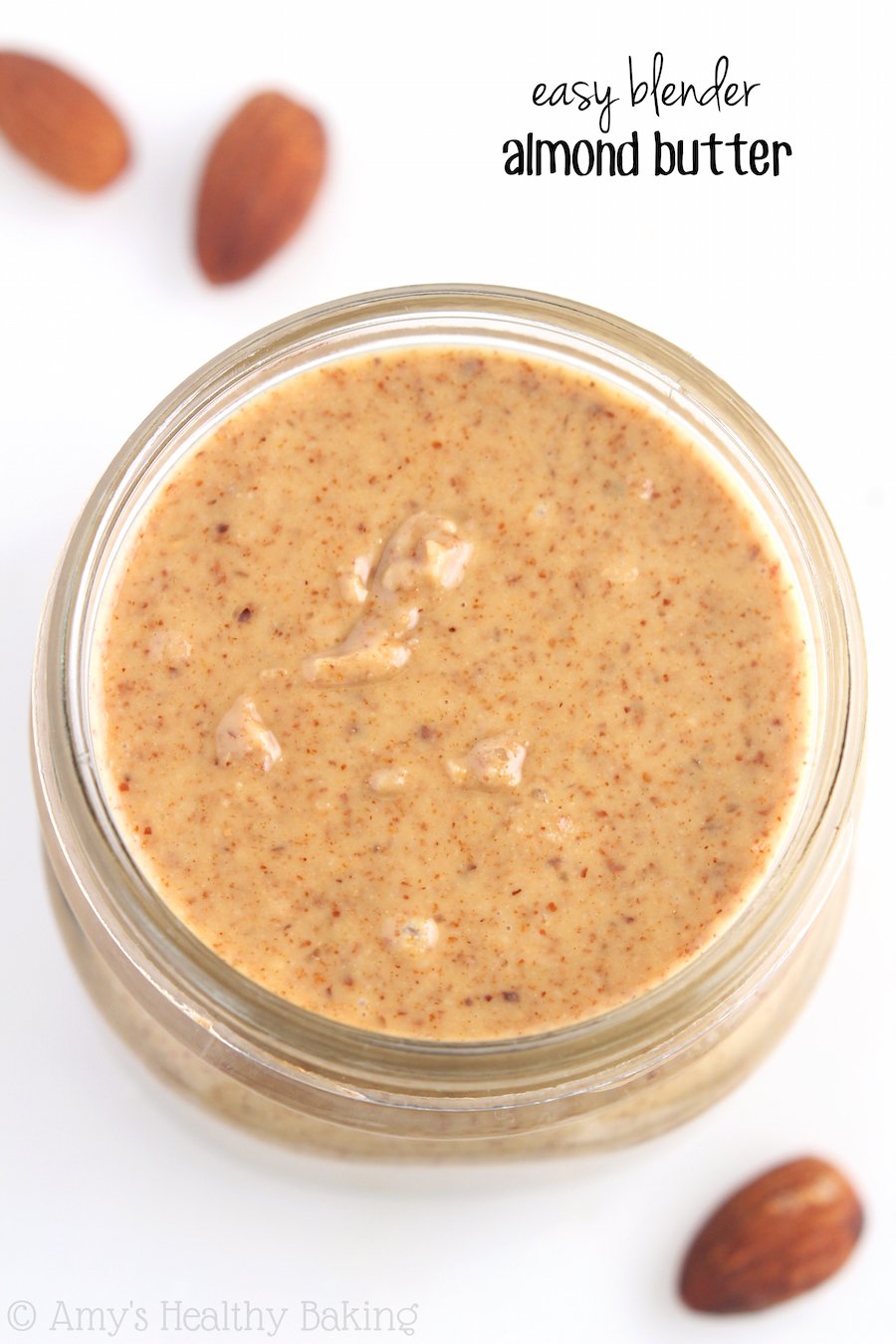
- Be patient; smooth almond butter can take 5–10 minutes of total blending time.
- Add oil sparingly to avoid oily flavor; you can always add more.
From my experience, scraping the jar frequently reduces motor strain and speeds up emulsification. If your blender gets hot, give it a break and continue after a short rest.
Troubleshooting common problems
If your almond butter is gritty, too thick, or the blender struggles, try these fixes.
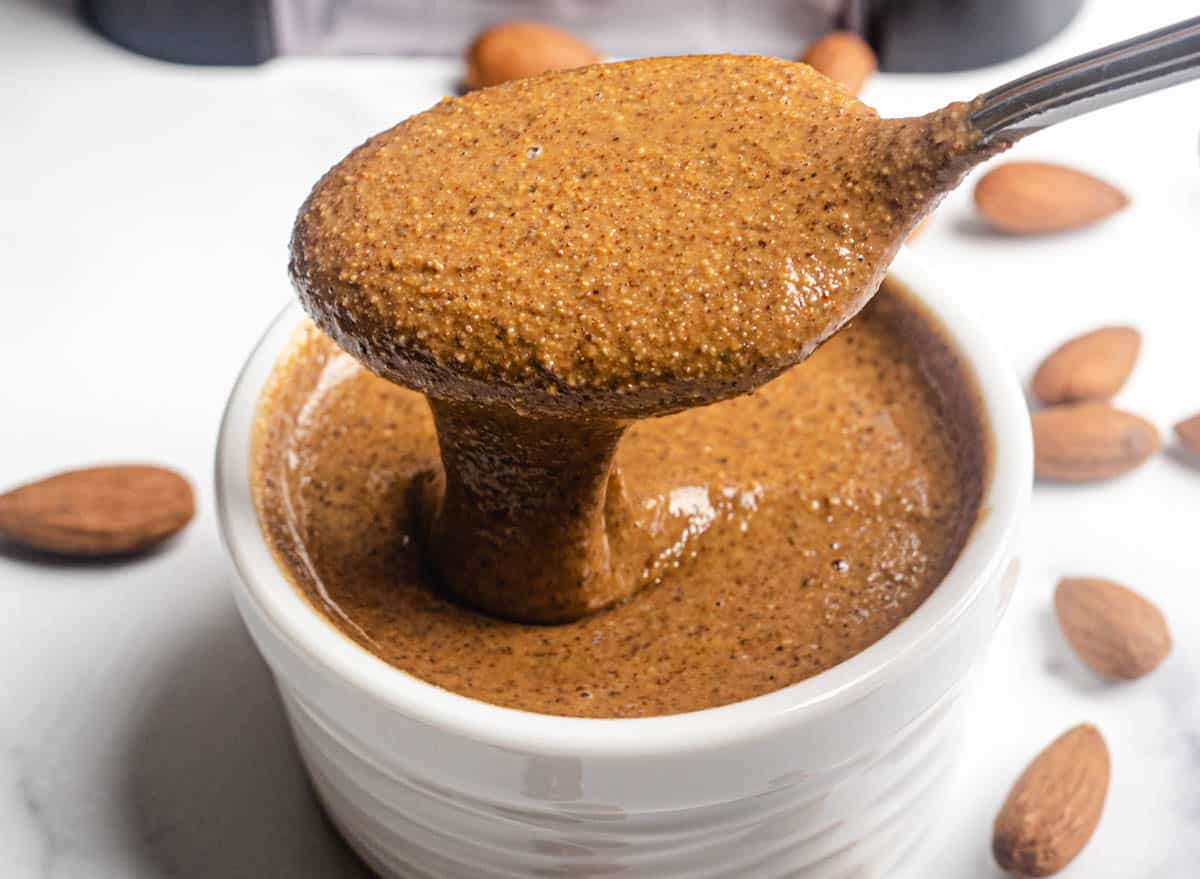
- Gritty texture — roast almonds longer or blend longer; add 1 teaspoon oil to help emulsify.
- Blender overheating — blend in shorter bursts and cool down the motor between cycles.
- Too thin — reduce oil and chill the butter; almond oil firms when cold.
- Separating oil — stir well before use and store in refrigerator to slow separation.
These solutions reflect tested adjustments I use when learning how to make almond butter blender batches in different machines.

Flavor variations and add-ins
Make almond butter your own with simple mix-ins. Here are ideas that work well in a blender.
- Cinnamon and honey — for a warm, sweet spread.
- Cocoa and a pinch of salt — chocolate almond butter.
- Vanilla extract and maple syrup — a breakfast-friendly version.
- Spicy blend — a small pinch of cayenne for savory toast toppings.
Add delicate flavors after the butter reaches a smooth stage to avoid over-blending. These variations make learning how to make almond butter blender-made fun and creative.
Nutrition and health benefits
Almond butter is nutrient-dense and makes a healthy addition to many diets.
- High in healthy monounsaturated fats and vitamin E.
- Good source of protein, fiber, and magnesium.
- Servings are calorie-dense, so watch portion sizes if you track calories.
Homemade almond butter lets you control salt, sugar, and added oils, which supports healthier eating compared to many store brands.
Storage and shelf life
Store your homemade almond butter correctly to preserve flavor and freshness.
- Refrigerator — keeps 1–3 months; oil separation may occur.
- Pantry — OK for 2–4 weeks if tightly sealed and stored in a cool place.
- Freeze — up to 6 months in an airtight container.
Label jars with date made. Good storage is part of how to make almond butter blender batches that last and taste great.
Frequently Asked Questions of how to make almond butter blender
How long does it take to make almond butter in a blender?
It typically takes 8–12 minutes of total blending time, including pauses for scraping. Roasting adds 8–12 minutes if you do it yourself.
Can I use raw almonds without roasting?
Yes, but roasted almonds yield a nuttier flavor and blend into a smoother texture more easily. If using raw, consider soaking and drying or roast briefly.
Do I need to add oil to almond butter?
No, almonds release their own oil when blended, but adding 1–2 teaspoons of neutral oil can speed blending and loosen texture. Add sparingly to avoid greasiness.
Will a regular blender ruin the motor?
Prolonged, high-resistance blending can overheat weaker blenders. Use short bursts, cool the motor between blends, or use a food processor for heavy loads.
How do I stop almond butter from separating?
Stir well before use and store in the refrigerator to slow separation. Natural separation is normal and not a sign of spoilage.
Conclusion
Making almond butter in a blender is simple, rewarding, and customizable. Follow the steps, choose the right almonds and blender, and use the troubleshooting tips above to perfect your technique. Try one small batch, tweak the roast time or oil amount, and soon you’ll have a go-to recipe that beats store jars. Ready to try? Make a batch this weekend, share your results, and consider bookmarking this guide or leaving a comment with your favorite flavor twist.