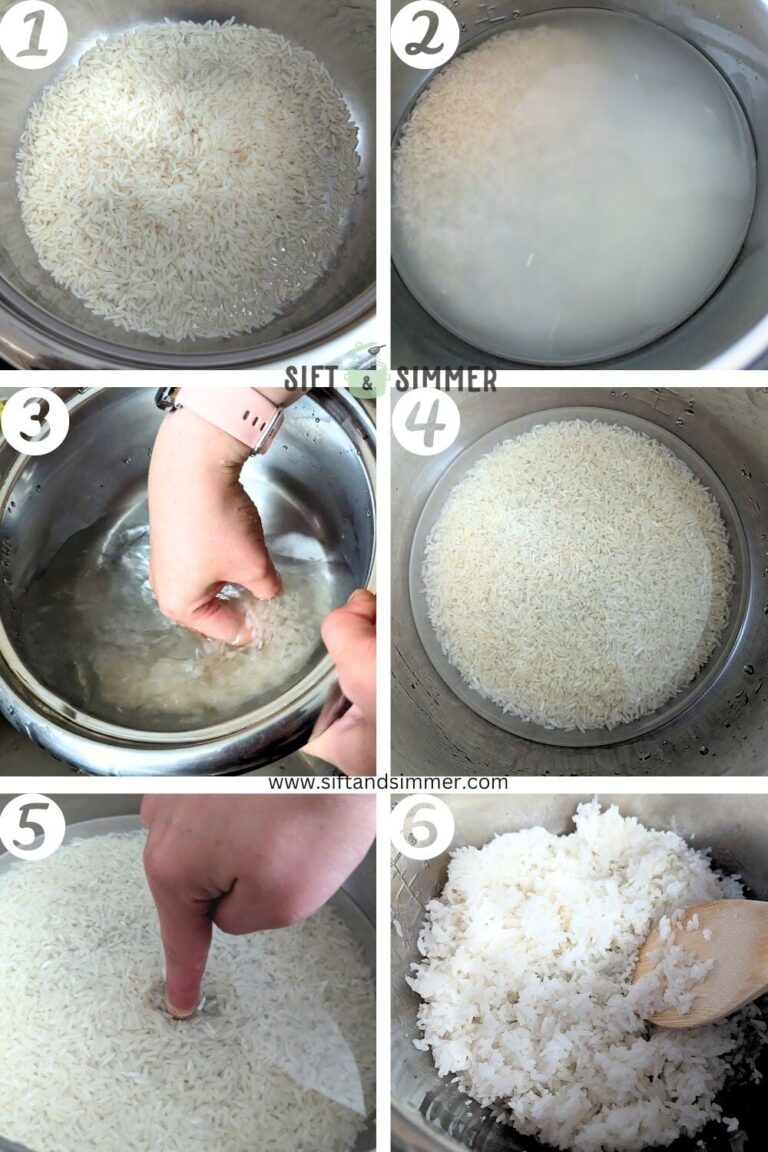
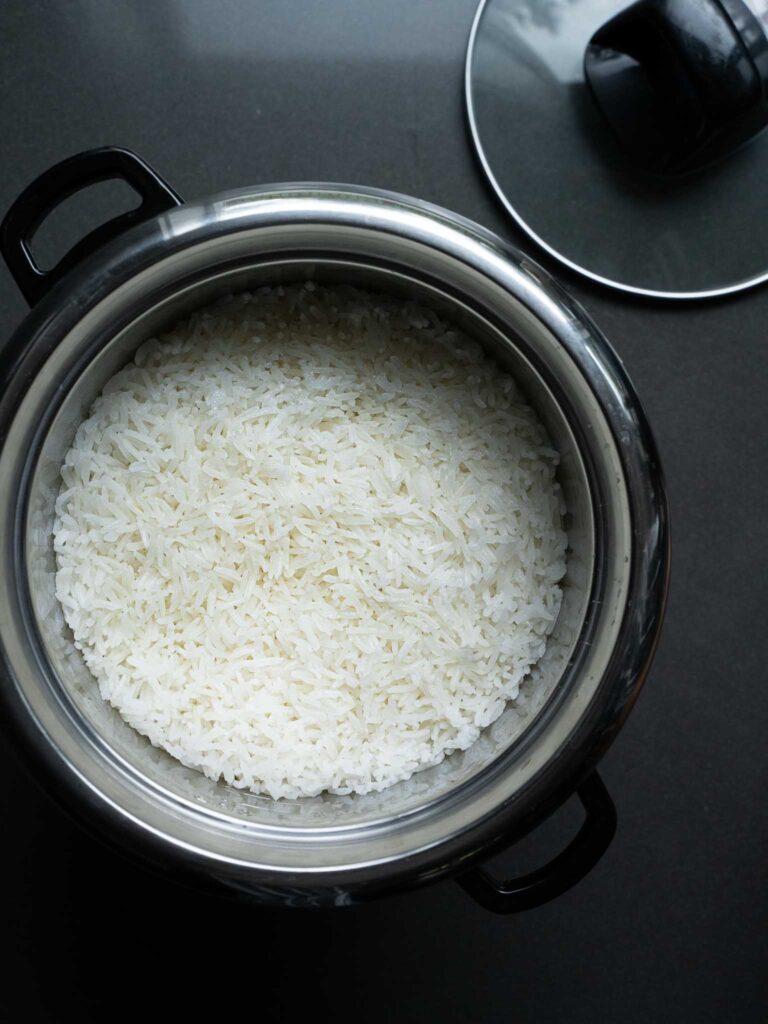
Steaming rice in a rice cooker is simple: rinse rice, add correct water, press cook, and let rest.
I’ve cooked hundreds of batches of rice with various rice cookers, from basic models to high-end steamers. This article shows exactly how to steam rice in a rice cooker with clear steps, smart tips, and real-life fixes. You’ll learn water ratios, timing, how to use steaming baskets, common mistakes, and cleaning advice so you get perfect, fluffy rice every time. Read on to master a reliable method and avoid the usual pitfalls.

Why steam rice in a rice cooker?
Steaming rice in a rice cooker gives steady heat and hands-off convenience. A rice cooker uses controlled steam and temperature to cook rice evenly. This method reduces burned bottoms and saves time. It also frees you up to prepare other parts of the meal while rice cooks. For consistent results, follow a simple routine and learn a few tricks about water, rinsing, and resting times.

Rice types and water ratios
Different rice types need different water. Using the right ratio is the core of how to steam rice in a rice cooker.
- Short-grain white rice: 1 cup rice to 1 to 1.1 cups water. Short-grain is sticky and needs slightly less water.
- Long-grain white rice: 1 cup rice to 1.25 cups water. It yields separate, fluffy grains.
- Jasmine rice: 1 cup rice to 1.25 cups water. Rinse lightly; jasmine benefits from a bit less water.
- Basmati rice: 1 cup rice to 1.5 cups water. Rinse until water runs clear for fluffiness.
- Brown rice: 1 cup rice to 1.75–2 cups water. Brown rice needs more water and longer cook time.
- Wild rice or mixes: Follow package instructions and add extra water as needed.
Tips on measuring
- Use the rice cup that came with your cooker or a standard 240 ml cup for consistency.
- If you like softer rice, add 1–2 tablespoons more water per cup.
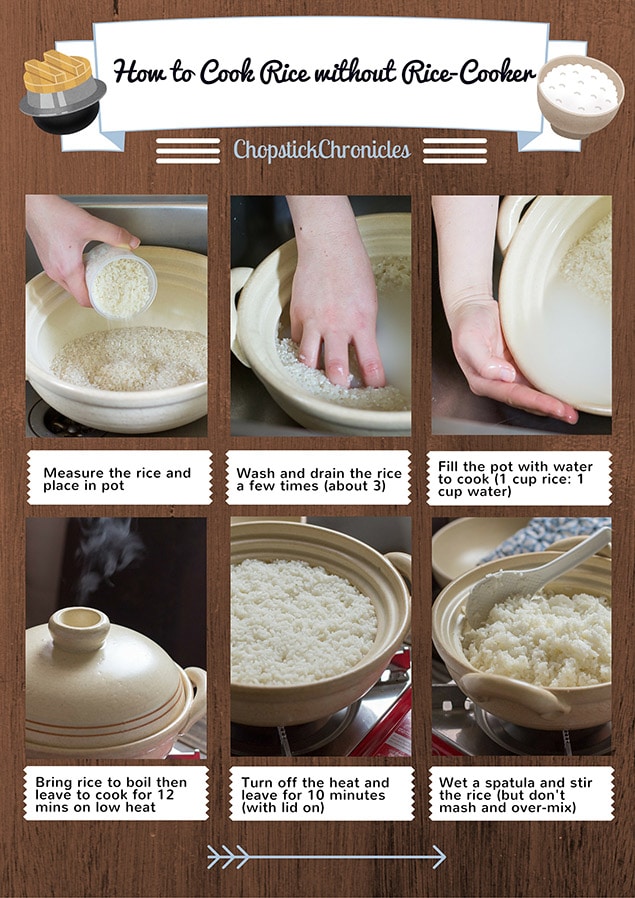
Step-by-step: How to steam rice in a rice cooker
Follow these clear steps to steam rice in a rice cooker reliably every time.
- Measure the rice.
- Use the rice cup that came with the cooker or a standard cup.
- Rinse the rice.
- Place rice in a bowl or the cooker inner pot.
- Rinse under cool running water until the water is mostly clear. This removes excess starch and prevents gumming.
- Add water.
- Use the correct water ratio for the rice type. Level the surface gently.
- Optional: Add salt or oil.
- Add a pinch of salt and 1 teaspoon of oil or butter per cup for taste and nonstick benefits.
- Start the cooker.
- Close the lid and press the cook button. Let the cooker run its cycle.
- Let it steam after cooking.
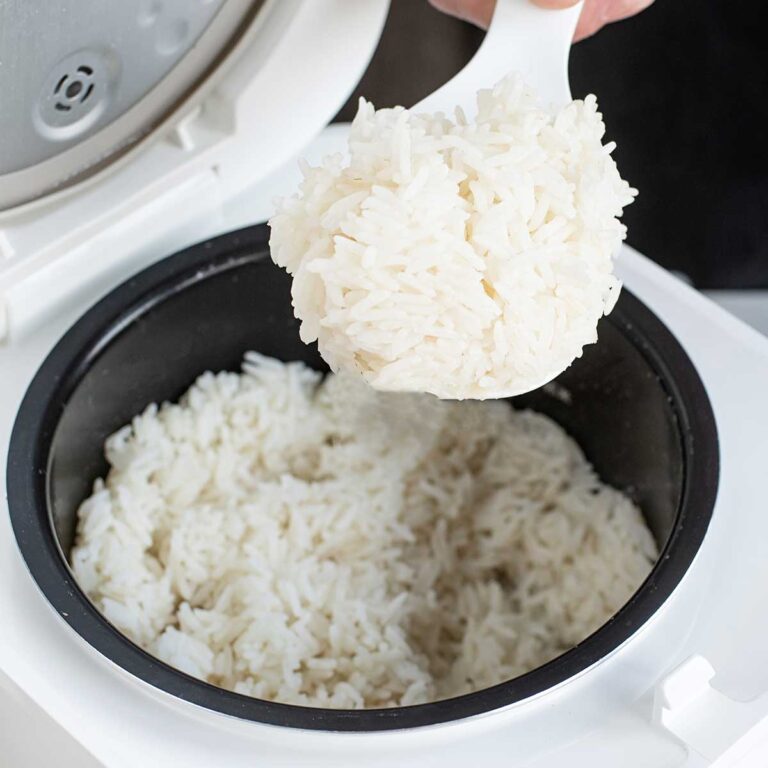
- When the cooker switches to “keep warm,” let the rice rest for 10–15 minutes with the lid closed. This final steam step firms up the grains.
- Fluff and serve.
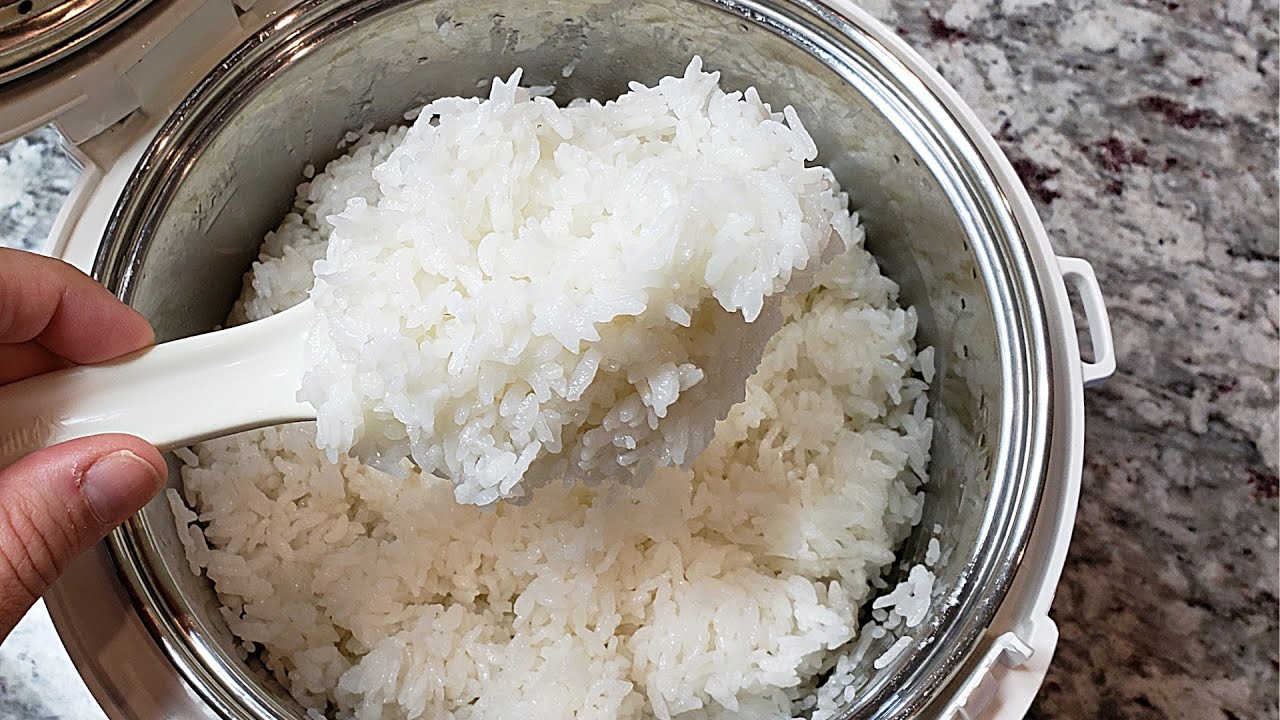
- Use a rice paddle or fork to fluff rice gently. Serve immediately.
I repeat this method when I teach others how to steam rice in a rice cooker because it works for nearly every model and rice type. Small habits like rinsing and resting change results more than brand-name machines.

Steaming rice with a steaming tray or basket
Many rice cookers include a steaming tray. You can steam rice and vegetables together. Here’s how to use that feature.
- Add rice and water to the inner pot as usual.
- Place the steaming tray or basket above the rice, if your cooker design allows.
- Put vegetables or fish on the tray. Cut food into even pieces for uniform cooking.
- Start the cooker. The rising steam cooks both rice and the tray contents.
- Check doneness after the cooker cycles. Be cautious: food on the tray may cook faster than rice.
Note: Some cookers do not allow placing food directly on top of rice. Check your manual. I’ve steamed rice and green beans together many times and found this method great for weeknight dinners.
Tips, tricks, and common mistakes
These are practical tips I learned after trial and error. They save time and prevent common failures when you learn how to steam rice in a rice cooker.
- Don’t skip rinsing. Unrinsed rice can be gummy.
- Use the inner pot markings as guides. They are calibrated for the cooker’s heat output.
- Avoid lifting the lid while cooking. Each lift releases steam and changes cook time.
- Let rice rest. Instant fluffing causes compacted grains.
- Scale water up linearly when cooking larger amounts.
- For freezer-ready rice, cool completely before packing into portions.
- If rice is too firm: add a few tablespoons of hot water, then let steam on warm for 5–10 minutes.
- If rice is mushy: reduce water next time or shorten soak time for rinsed rice.
- Clean the steam vent regularly. Build-up can alter pressure and cooking.
Common mistakes to avoid
- Using wrong cup size. The small rice cup that comes with cookers is not always 240 ml.
- Not accounting for altitude. High altitudes may need more water or longer steam.
- Overfilling the cooker. Leave room for steam and expansion.
Cleaning and maintenance
Good care keeps a cooker working well and helps steam rice in a rice cooker perfectly every time.
- Clean after each use. Wash the inner pot, lid, and steam tray with warm soapy water.
- Wipe the heating plate gently. Make sure it’s dry before using.
- Check the gasket or seal for wear if your cooker has one.
- Remove stuck rice with a soft brush. Avoid metal scrubs that scratch the pot.
- Descale if you have hard water. A vinegar-water soak fixes mineral build-up.
I once let stuck grains sit for weeks. It damaged the nonstick surface. Since then I clean at once. Small daily care extends any cooker’s life.
Troubleshooting common problems
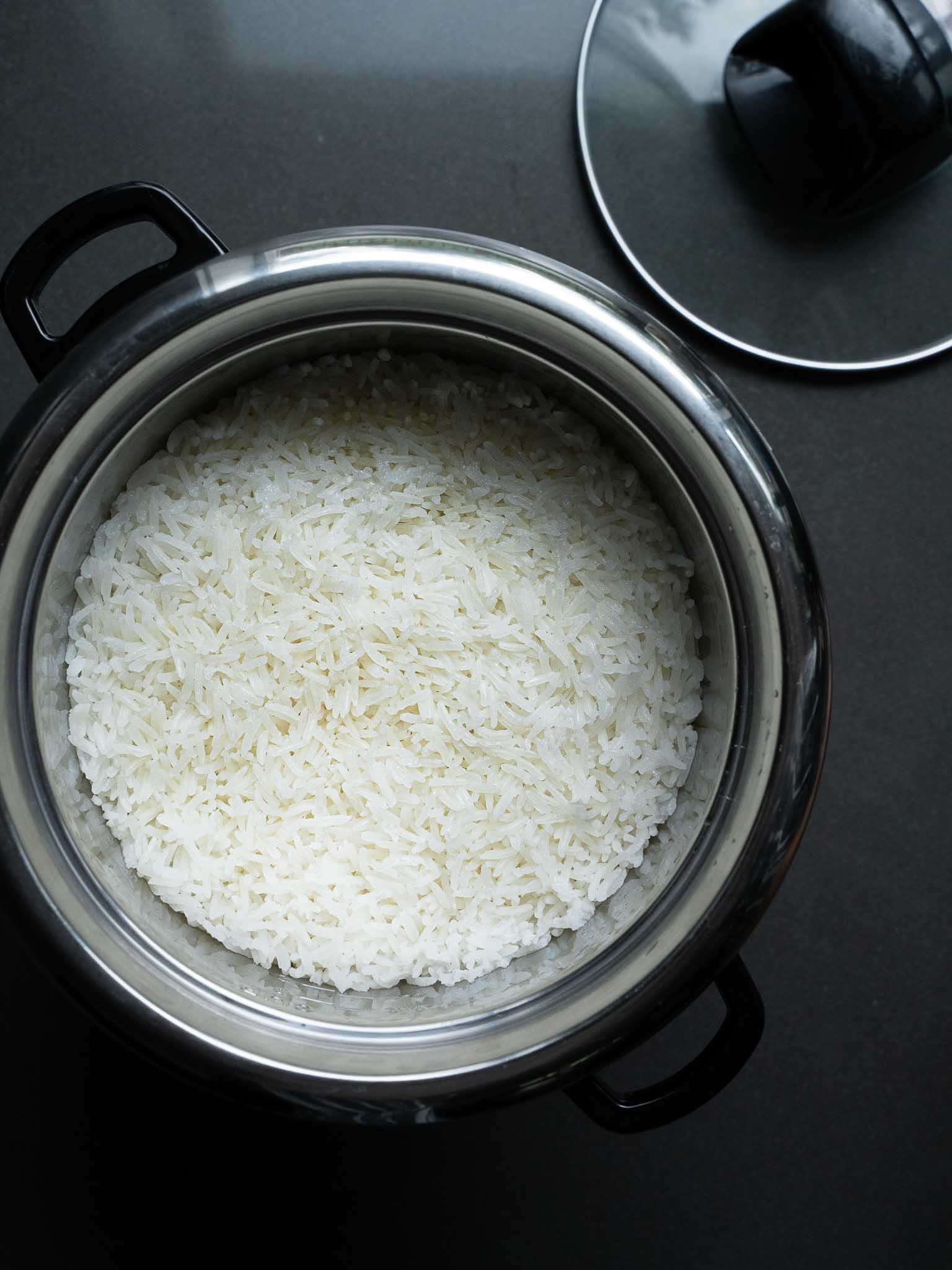
If your rice is not right, try these fixes. They are based on repeated testing.
- Rice is hard or undercooked:
- Add hot water (1–3 tablespoons), close lid, and let sit on warm for 10–15 minutes.
- Rice is mushy:
- Use less water next time by 1–2 tablespoons per cup. Drain any excess if possible.
- Rice sticks to the pot:
- Add 1 teaspoon oil next time and rinse rice well. Use a silicone or wooden paddle.
- Cooker won’t switch to “keep warm”:
- Check power, and ensure the inner pot sits flat on the heating plate.
- Odors or smoky smell:
- Clean the heating plate and vent. Burned crumbs can cause smells.

Frequently Asked Questions of how to steam rice in a rice cooker
How much water do I use for one cup of rice in a rice cooker?
Water amounts vary by rice type. For most white rice use about 1.25 cups water per 1 cup rice; brown rice needs about 1.75–2 cups water per cup of rice.
Should I rinse rice before steaming in a rice cooker?
Yes. Rinsing removes surface starch. It keeps rice from becoming gummy and improves texture.
Can I steam rice and vegetables together in a rice cooker?
Often yes, if your cooker has a steaming tray. Place rice and water below and vegetables on the tray. Check both for doneness when the cycle ends.
Do I need to let rice rest after the cooker stops?
Yes. Let rice rest 10–15 minutes with the lid closed. This final steam firms the grains and improves texture.
Can I use the rice cooker for different rice types without changing settings?
Most cookers handle different rice types but water ratios and resting time change. Use the correct water ratio for each rice type for best results.
Conclusion
You can steam rice in a rice cooker simply and consistently by rinsing rice, using the right water ratio, and allowing a short rest after cooking. Follow the step-by-step method here and use the tips to avoid sticky or undercooked batches. Try a few small tests with your favorite rice to fine-tune water levels. Now, pick up your rice cooker, try one recipe, and leave a comment about your result—or subscribe for more easy kitchen guides.