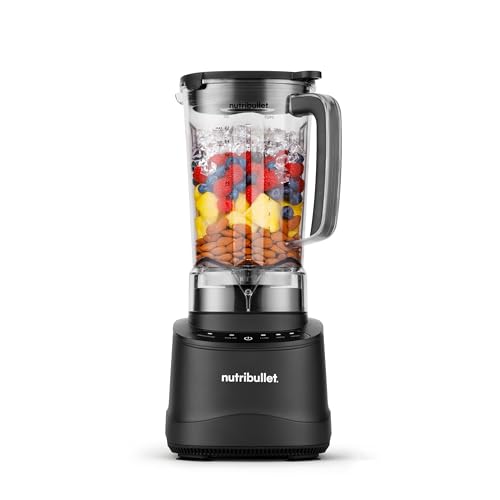
Blend chickpeas, tahini, lemon, garlic, olive oil, and water until silky smooth.
I’ve made hummus in a blender for years, testing bean textures, blender speeds, and oil amounts so you get a creamy result fast. This guide on how to make hummus in a blender walks through ingredients, step-by-step technique, troubleshooting, tasty variations, and storage tips. Read on to master simple, smooth hummus that rivals store-bought tubs.
Ingredients you need to make hummus in a blender
Use simple pantry staples. Measure for best results.
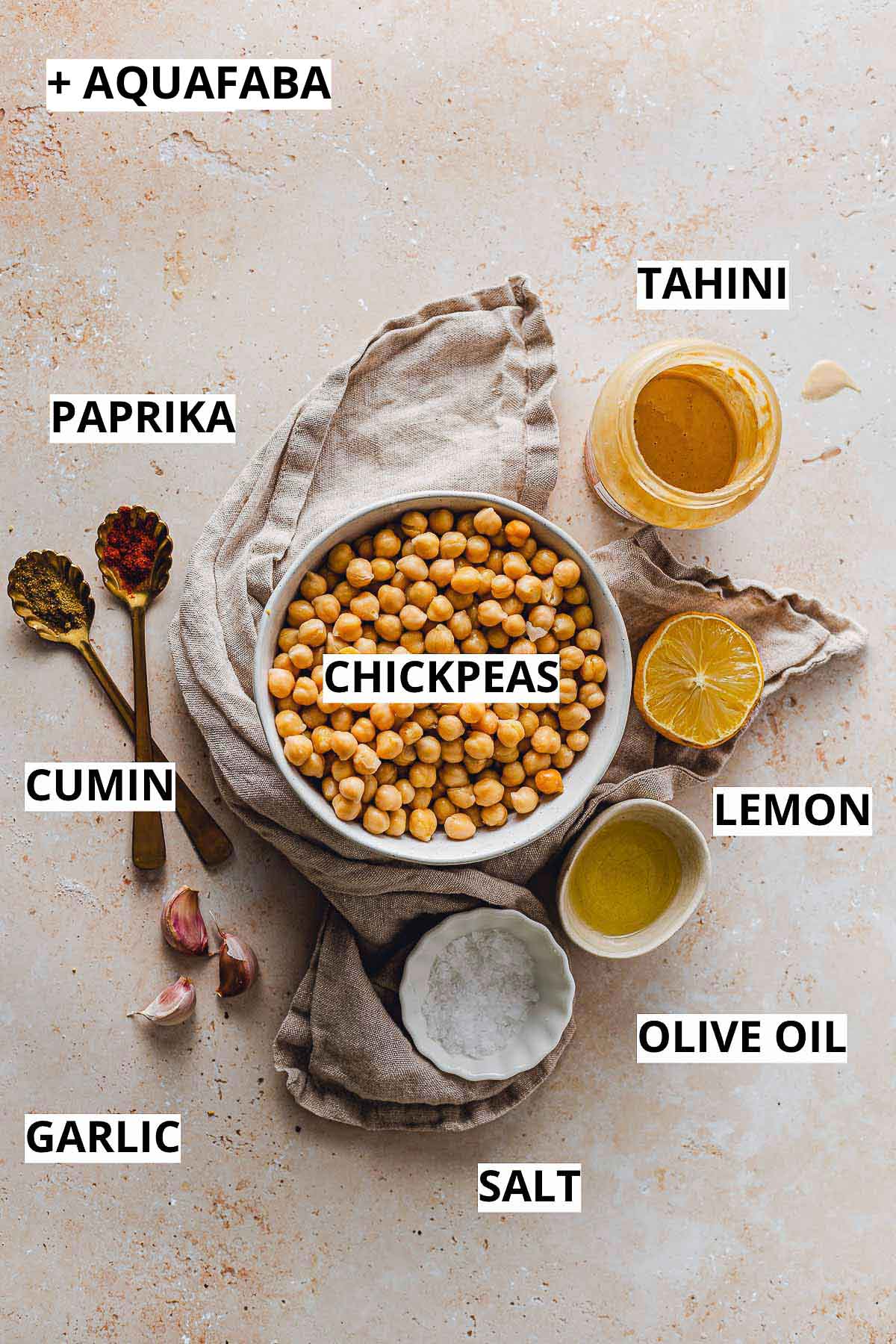
- 1 15-ounce can chickpeas (drained and rinsed) or 1 1/2 cups cooked chickpeas
- 3 tablespoons tahini
- 2 tablespoons fresh lemon juice (about one lemon)
- 1 garlic clove, peeled (more if you like)
- 2 tablespoons extra-virgin olive oil, plus more for serving
- 1/2 teaspoon fine salt, adjust to taste
- 2 to 4 tablespoons cold water, to thin
- Optional: 1/2 teaspoon ground cumin or a pinch of smoked paprika
If you use canned chickpeas, save a few whole beans for garnish. If you cook dried chickpeas, peel the skins for an extra-smooth texture. These choices affect how smooth your hummus will be.

Why use a blender instead of a food processor to make hummus in a blender
A high-speed blender can make ultra-smooth hummus quickly. Blenders push ingredients against blades with strong shear. That helps break down fibers and seeds.
Benefits of a blender:
- Faster blending for silky texture.
- Great when you want a very smooth, light hummus.
- Works well with added liquids for a creamier result.
Limitations and when to choose a food processor:
- Blenders can overheat with long runs. Use short pulses.
- Smaller blenders can struggle with thick batches. If you have a heavy-duty food processor, it may handle thick mixes better.
From experience, start with a bit more liquid in a blender than you would for a food processor. This prevents sticking and gives a stable whirl.
Step-by-step recipe: how to make hummus in a blender
Follow these clear steps for reliable results. Read all steps before starting.
-
Prep chickpeas
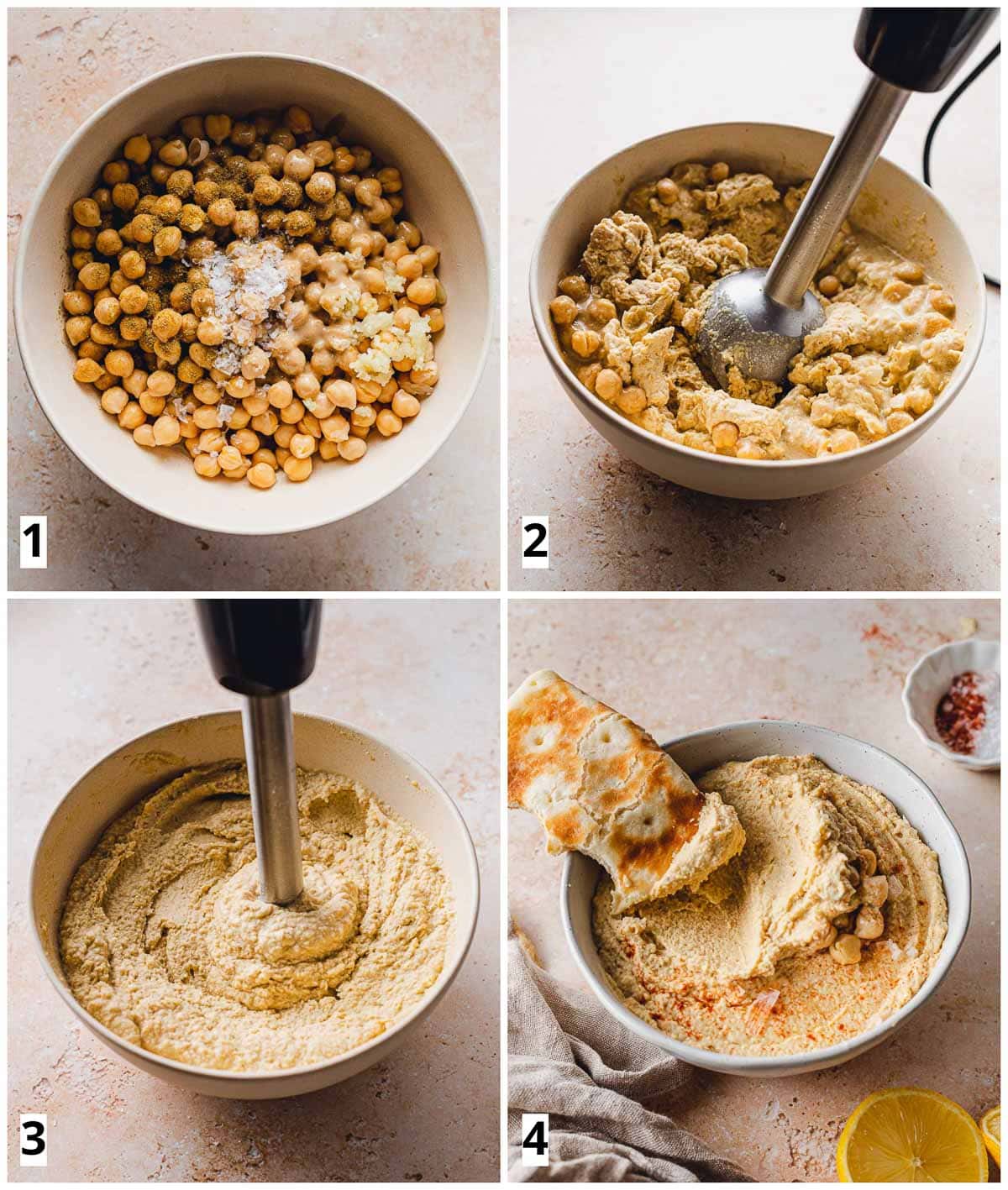
- Drain and rinse canned chickpeas. If you want ultra-smooth hummus, remove some skins by rubbing beans between your fingers. This is optional but worth the small effort.
-
Add tahini and lemon first
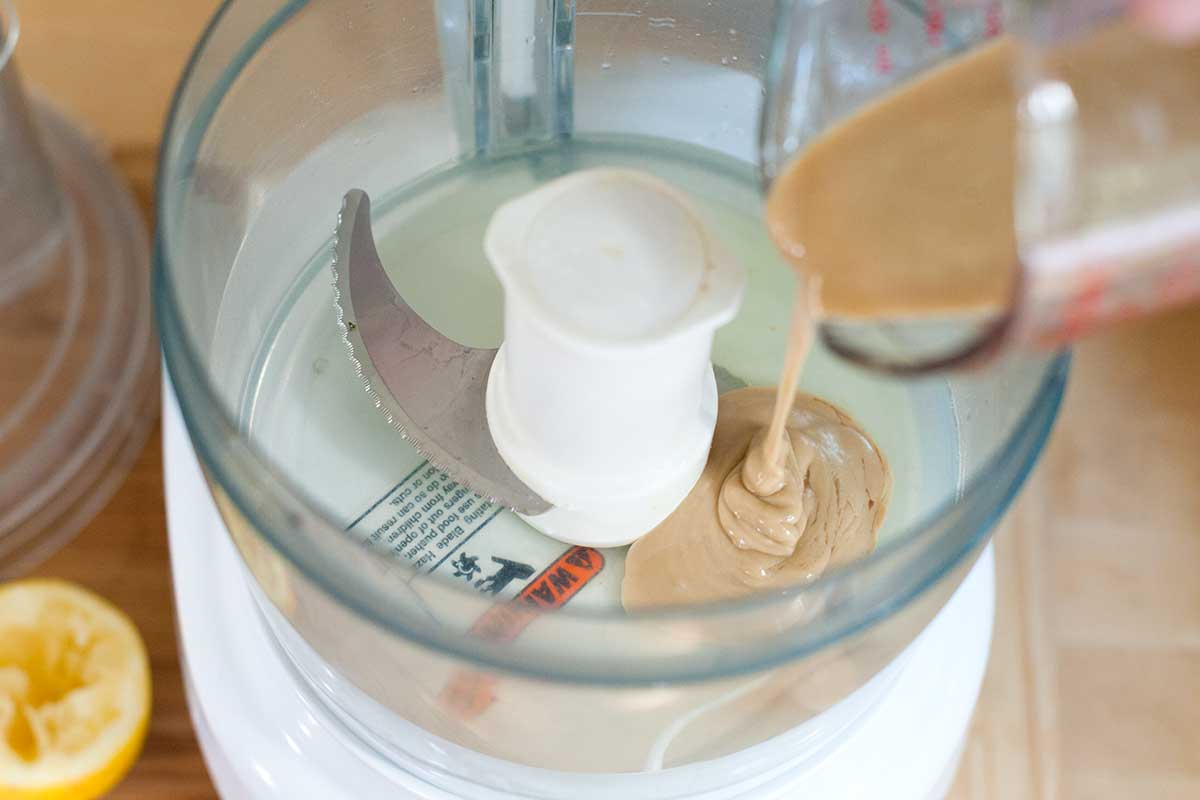
- Put tahini and lemon juice in the blender. Blend 20 seconds. This whips the tahini and makes a fluffy base for how to make hummus in a blender.
-
Add garlic, salt, and some water
- Add garlic and salt. Pour 2 tablespoons cold water. Blend in short bursts until mixed.
-
Add chickpeas and oil
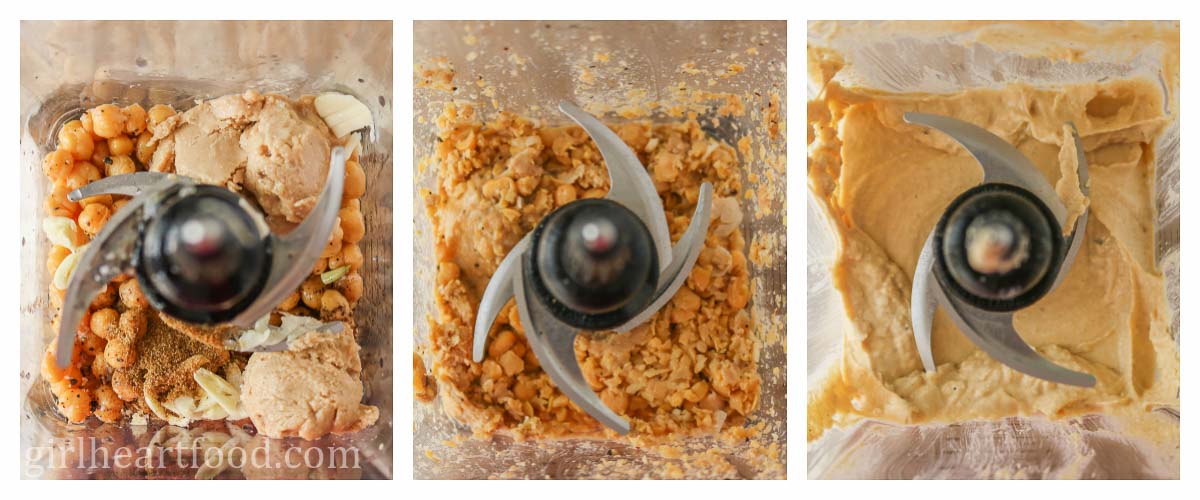
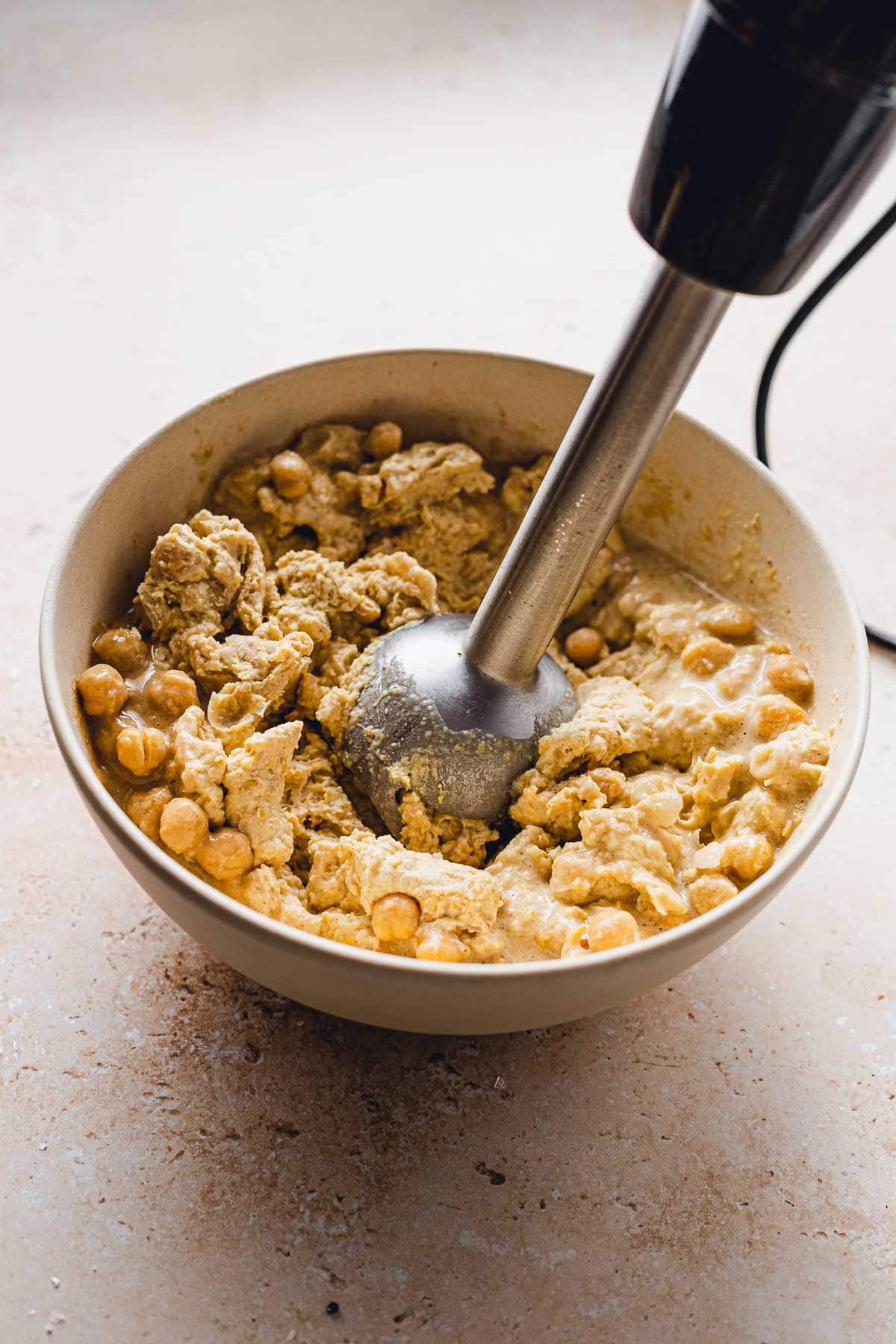
- Add chickpeas and olive oil. Pulse in 10- to 15-second bursts. Stop, scrape sides, and continue. Add more water, 1 tablespoon at a time, until you reach desired smoothness.
-
Adjust flavor and texture
- Taste. Add salt, lemon, or garlic if needed. If it’s grainy, blend longer with a splash of water or a teaspoon of aquafaba (the chickpea liquid). For richer hummus, add a bit more tahini or olive oil.
-
Serve and garnish
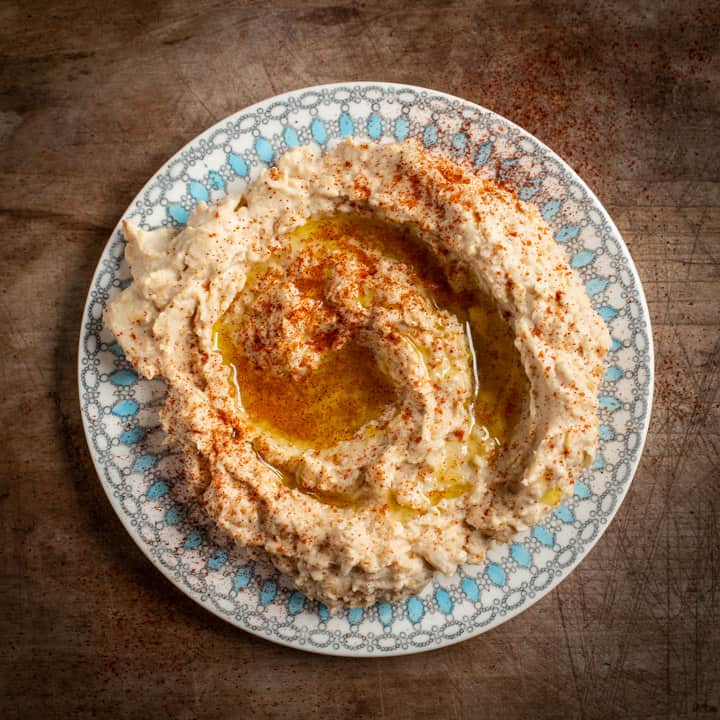
- Spoon into a bowl. Drizzle olive oil, sprinkle paprika, and add chopped parsley or whole chickpeas for texture. Serve with pita, veggies, or as a sandwich spread.
Practical tips from testing:
- Use cold water. Warm liquids make tahini seize and feel oily.
- Pulse and rest. Blenders heat up. Short bursts preserve texture.
- If the blender struggles, reduce batch size and blend twice.
Quick questions about the process (PAA-style)
Can I make hummus in a small blender?
Yes. Make smaller batches and add extra liquid. Pulse and scrape often to prevent motor strain.
Do I need to peel chickpeas for smooth hummus?
No, but peeling helps. I tried both and the peeled version is silkier. It takes a few minutes and is optional.
Can I use aquafaba when making hummus in a blender?
Yes. Aquafaba adds creaminess and reduces the need for oil. Use it in place of some water for a lighter texture.
Flavor variations and add-ins for hummus made in a blender
Experiment to keep hummus interesting. Each variation uses the same basic method for how to make hummus in a blender.
-
Roasted red pepper hummus
- Add 1/2 cup roasted red peppers to the blender. Blend until smooth.
-
Lemon-herb hummus
- Add extra lemon, fresh parsley, and a pinch of za’atar.
-
Spicy harissa hummus
- Add 1 tablespoon harissa or a teaspoon of red pepper flakes.
-
Avocado hummus
- Add half an avocado for a creamy, green twist.
-
Beet hummus
- Add 1/2 cup cooked beets for color and sweetness.
Try one change at a time. Note which tweaks you like so you can repeat the winning combo.
Troubleshooting and tips when you make hummus in a blender
Common problems and easy fixes I learned the hard way.
Problem: Hummus is grainy
- Fix: Add more liquid and blend longer. Use aquafaba or warm water sparingly. Peel chickpeas next time.
Problem: Blender stalls or overheats
- Fix: Blend smaller batches. Pulse and let the motor cool. Add liquid to ease blending.
Problem: Hummus is too thin
- Fix: Add more chickpeas or a spoonful of tahini. Chill for 30 minutes; it will thicken slightly.
Problem: Bitter or off-tasting hummus
- Fix: Bitterness often comes from old tahini. Use fresher tahini and balance with more lemon or salt.
Personal lessons:
- I once over-blended and got oily hummus. Short pulses work best.
- A hand-tied tip: reserve some chickpeas whole for garnish; it makes homemade hummus feel special.
Storage and shelf life after you make hummus in a blender
Store hummus in an airtight container in the fridge. It keeps well for 4 to 7 days. Stir before serving; texture may firm up.
Freezing tips:
- Freeze in small portions for up to 3 months. Thaw in the fridge overnight. Stir and add a splash of water if needed.
Safety note:
- Smell and look for signs of spoilage. If it smells off or has mold, discard. Homemade hummus lacks preservatives found in store varieties, so it has a shorter shelf life.
Nutrition and benefits of hummus made in a blender
Hummus is plant-based and nutrient-dense. It offers fiber, plant protein, healthy fats, and micronutrients.
Typical benefits:
- Good source of fiber and protein from chickpeas.
- Healthy fats from olive oil and tahini.
- Low glycemic index and filling snack option.
Portion note:
- Hummus is calorie-dense. Watch portions if you follow a strict calorie plan. A typical serving is 2 tablespoons.

Frequently Asked Questions of how to make hummus in a blender
How long does it take to make hummus in a blender?
Making hummus in a blender typically takes 10 to 15 minutes, including prep. Longer if you peel chickpeas for extra smoothness.
Can I use dried chickpeas instead of canned?
Yes. Cooked dried chickpeas work great and often taste fresher. Simmer until tender and cool before blending.
Is tahini necessary when making hummus in a blender?
Tahini adds richness and authentic flavor, but you can make hummus without it by using extra olive oil or sunflower seed butter. Flavor will differ slightly.
How can I make hummus creamier in a blender?
Use cold water or aquafaba, peel chickpeas, and blend in short pulses until silky. Adding a bit more tahini or olive oil helps too.
Can I make flavored hummus directly in the blender?
Yes. Add roasted peppers, herbs, spices, or avocado during the blending stage. Taste and adjust seasoning before serving.
Conclusion
You can make hummus in a blender that is smooth, flavorful, and ready in minutes. Follow the ingredient ratios, use short pulses, and adjust water and tahini to reach your ideal texture. Try one variation and store leftovers safely to enjoy all week. Now grab a blender, pick a flavor, and make your best batch—then share how it turned out in the comments or try another variation.