Blend fresh pineapple with water, strain, and chill for bright, homemade pineapple juice.
I have made pineapple juice in home kitchens and at food demos. I will walk you through how to make pineapple juice with blender in clear, simple steps. Expect tips on ripeness, blender choice, strain options, and flavor tweaks so your juice tastes fresh every time.

Why make pineapple juice at home?
Fresh pineapple juice tastes brighter than store-bought options. Making pineapple juice with blender keeps more nutrients and lets you control sugar and additives. It is fast, cost-effective, and great for summer or for adding to smoothies and cocktails.
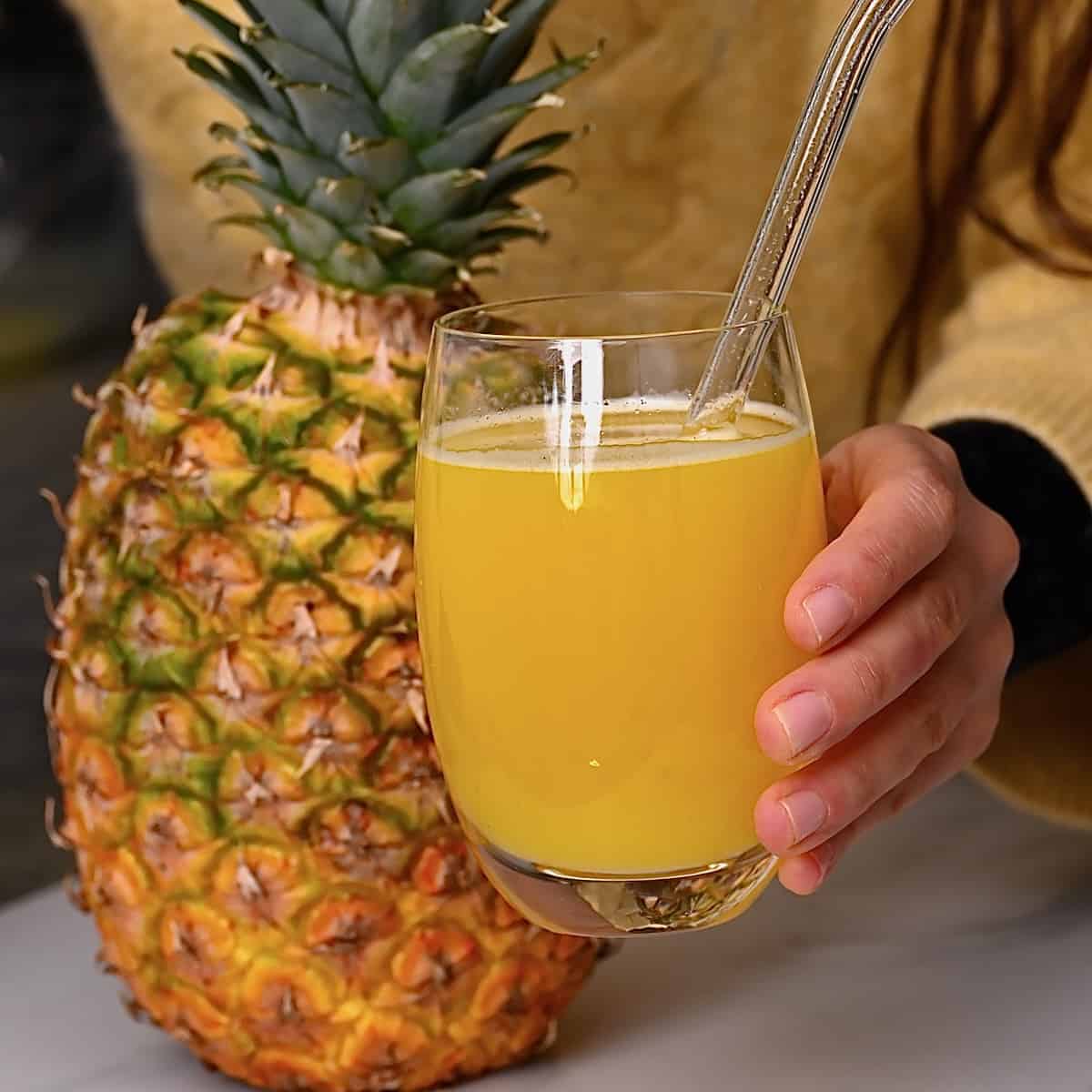
Ingredients you'll need
Use fresh, ripe fruit for the best flavor. Here are the basics:
- Pineapple
- One medium pineapple yields about 4 cups of juice.
- Water
- Helps the blender and smooths texture.
- Optional sweetener
- Honey, sugar, or agave if the fruit is not sweet enough.
- Optional add-ins
- Lime juice, mint, ginger, or coconut water for variation.
Measure simple amounts. For a single batch: about 1 medium pineapple and 1/2 to 1 cup water.
Equipment and blender choice
Pick the right blender for smooth juice. High-speed blenders work best. A regular countertop blender also does the job if you chop the fruit small.
Other tools to consider:
- A sharp chef’s knife for peeling and coring.
- A fine mesh sieve or nut milk bag if you want clear juice.
- A pitcher and a wooden spoon for stirring.
I used both a consumer blender and a commercial blender in demos. The commercial unit made silkier juice faster. If you only have a small blender, blend in batches and add a little water.
Step-by-step: how to make pineapple juice with blender
Follow these short steps for fresh juice.
- Prep the pineapple
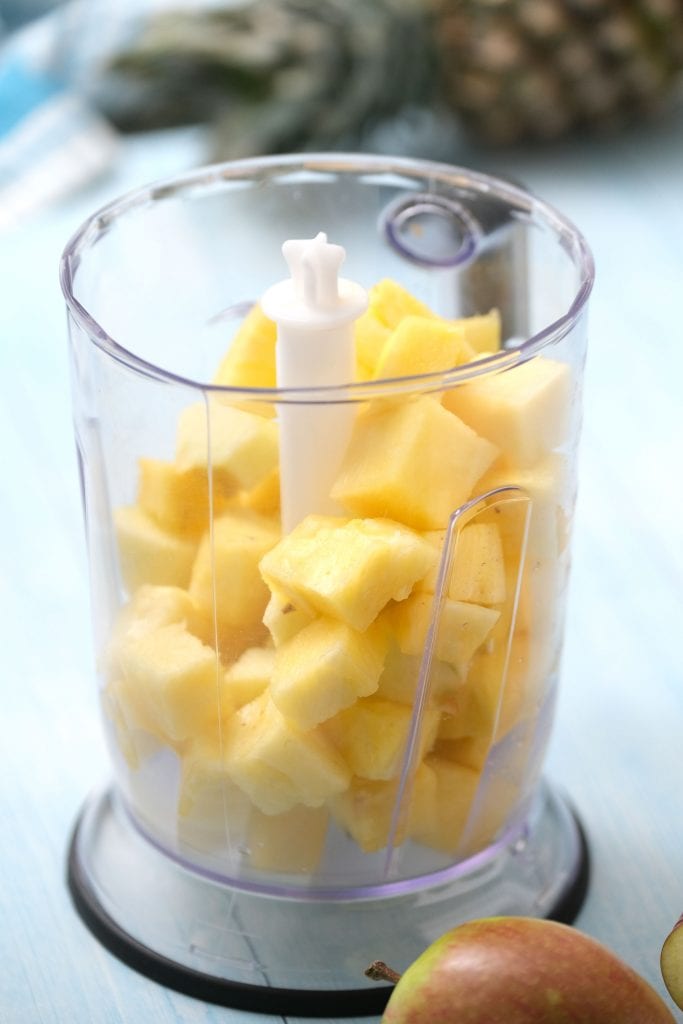
- Cut off top and bottom. Stand the pineapple and slice the skin away. Remove the core and cut into chunks.
- Blend
- Put pineapple chunks in the blender. Add 1/2 cup water per pineapple. Blend on high for 30–60 seconds until smooth.
- Strain (optional)
- Pour the puree through a fine mesh sieve or nut bag into a bowl or pitcher. Press or squeeze to extract the juice.
- Sweeten and flavor
- Taste. Add a small amount of sweetener, lime, or ginger if needed. Stir well.
- Chill and serve
- Refrigerate for 30 minutes or serve over ice. Garnish with a mint leaf or lime wedge.
A quick tip: if your pineapple is very sweet, skip the sweetener. If the puree is thick, add more water, blend briefly, then taste.
Tips, variations, and recipes
Keep these short, practical ideas in mind.
- Ripeness matters
- A ripe pineapple has a sweet smell at the base and yields slightly to pressure.
- No waste idea
- Use leftover pineapple pulp in smoothies, marinades, or ice cube trays.
Flavor variations
- Pineapple-lime: Add juice from one lime per pineapple.
- Ginger kick: Blend in 1 teaspoon of grated fresh ginger.
- Tropical mix: Blend pineapple with mango or coconut water.
- Sparkling version: Mix equal parts juice and sparkling water just before serving.
Two quick questions people ask:
Q: Can you blend frozen pineapple? Yes. Use slightly less water and blend longer.
Q: Do you need to peel the pineapple? Yes. Peel, core, and cut before blending for a clean taste.
My personal tip: I once forgot to core a pineapple and had stringy bits in the juice. Lesson learned—core thoroughly. Also, double strain if you want a clear juice for cocktails.

Nutrition, benefits, and limitations
Pineapple juice offers vitamin C, manganese, and a bright taste. It can boost hydration and add natural enzymes like bromelain. A cup of fresh pineapple juice has natural sugars, so drink in moderation.
Health notes:
- Benefits
- Vitamin C supports immunity. Enzymes may aid digestion.
- Limitations
- Juice lacks fiber compared to whole fruit. Store-bought versions may add sugar or preservatives.
- Serving tips
- Pair juice with a protein or fiber snack to slow sugar absorption.
Be honest about portions. Fresh juice is healthy but concentrated. I suggest a 4–8 ounce serving as a treat or mixer.

Troubleshooting: common problems and fixes
If juice is bitter, thin, or too pulpy, try these quick fixes.
- Bitter taste
- Problem: Overripe or core bits. Fix: Use less core and choose ripe, not fermented pineapple.
- Too thick
- Problem: Too little water or overripe pulp. Fix: Add water or ice and re-blend.
- Too pulpy
- Problem: No straining. Fix: Strain through a sieve or nut bag for a smoother result.
- Too tart
- Problem: Under-ripe pineapple. Fix: Add small sweetener or a sweeter fruit like mango.
From experience, blending in short bursts avoids heating the juice and keeps flavor bright.
Frequently Asked Questions of how to make pineapple juice with blender
How long does homemade pineapple juice last in the fridge?
Homemade pineapple juice lasts 48–72 hours in the fridge in a sealed container. For best flavor, drink within 24 hours.
Can I use frozen pineapple to make juice with a blender?
Yes, you can use frozen pineapple. Reduce added water and blend until smooth for chilled juice.
Do I need to strain pineapple juice after blending?
Straining is optional. Strain for clear juice; skip straining for smoothies or pulpy textures.
Is it safe to drink pineapple juice every day?
Moderate intake is safe for most people, but watch sugar content. If you have a health condition, consult your doctor.
How do I make clear pineapple juice for cocktails?
Blend, then strain twice through a fine mesh sieve or nut bag. Chill and mix with spirits or sparkling water just before serving.
Can I pasteurize homemade pineapple juice for longer storage?
You can heat the juice gently to 160°F and jar it, but this alters flavor and nutrients. Cold storage or freezing preserves taste best.
Conclusion
Making pineapple juice with blender is quick, fresh, and flexible. Use ripe fruit, the right blender, and a strain if you want clarity. Try variations like lime or ginger to find your favorite. Now pick a ripe pineapple, blend a batch, and enjoy the bright, fresh taste—then share your results or ask a question below.