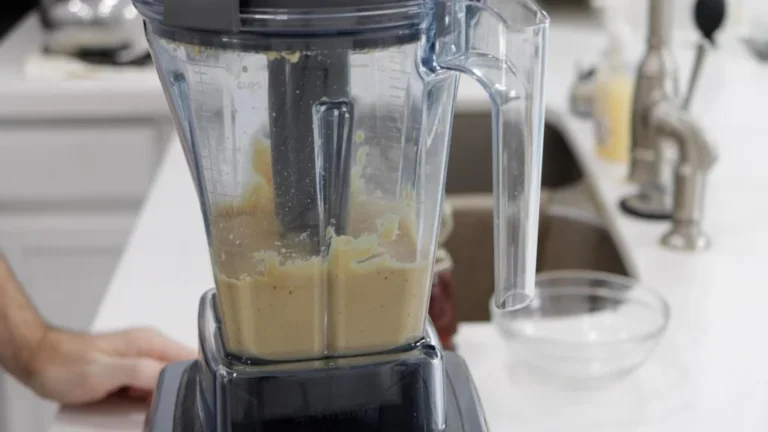
Blend toasted sesame seeds with a splash of neutral oil until silky smooth for homemade tahini.
I make tahini at home often, and I’ll walk you through how to make tahini paste with blender in an easy, reliable way. I know what works and what trips people up because I’ve tested seeds, roast levels, and blender tricks until I found simple steps that give creamy tahini every time. Read on for ingredients, exact steps, troubleshooting, storage tips, and ways to use your blender-made tahini in everyday cooking.
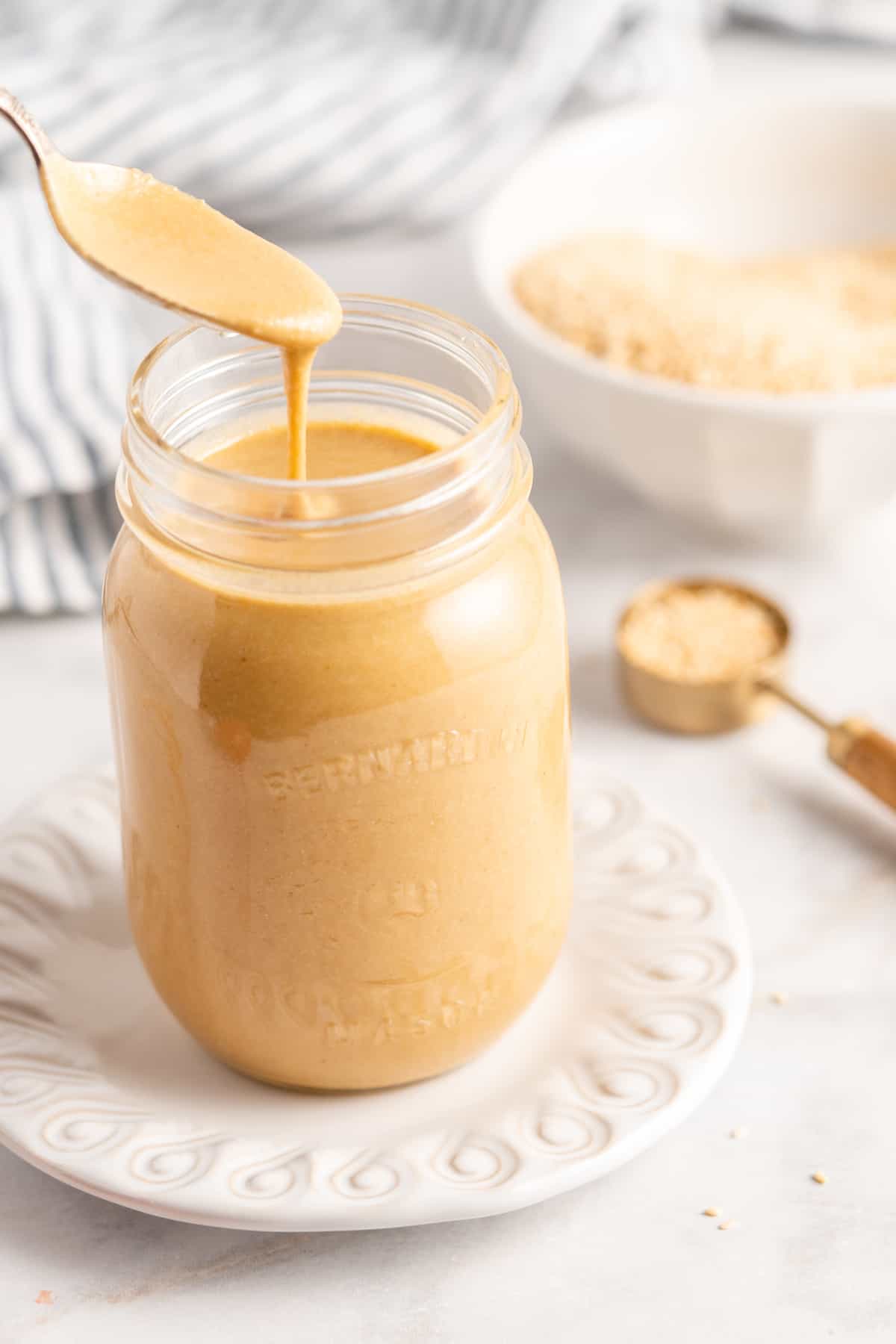
Why make tahini at home?
Making tahini at home gives you fresh flavor, control over texture, and no additives. Store-bought jars often contain stabilizers or strange oils. When you learn how to make tahini paste with blender, you get a purer taste, cheaper cost per serving, and the ability to customize roast and salt levels.
Homemade tahini is also a fast pantry upgrade. A blender can do the job in minutes. You’ll notice brighter sesame flavor and smoother texture than many commercial options.

Ingredients you need
- 1 cup sesame seeds for about 3/4 to 1 cup tahini
- 1 to 2 tablespoons neutral oil (grapeseed, canola, or light olive oil)
- Pinch of fine salt, optional
- Warm water, optional, to loosen if needed
You can scale this recipe. Use 2 cups seeds for a larger batch. The oil amount changes by seed texture and blender power. When learning how to make tahini paste with blender, start small to test roast and oil ratios.
Equipment and blender choices
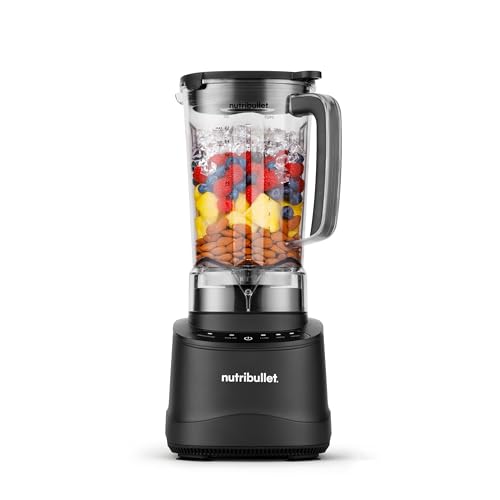
- High-speed blender for the smoothest results
- Sturdy countertop blender works if you pause and scrape
- Food processor is an alternative but can heat the seeds
- Small frying pan or baking sheet for toasting seeds
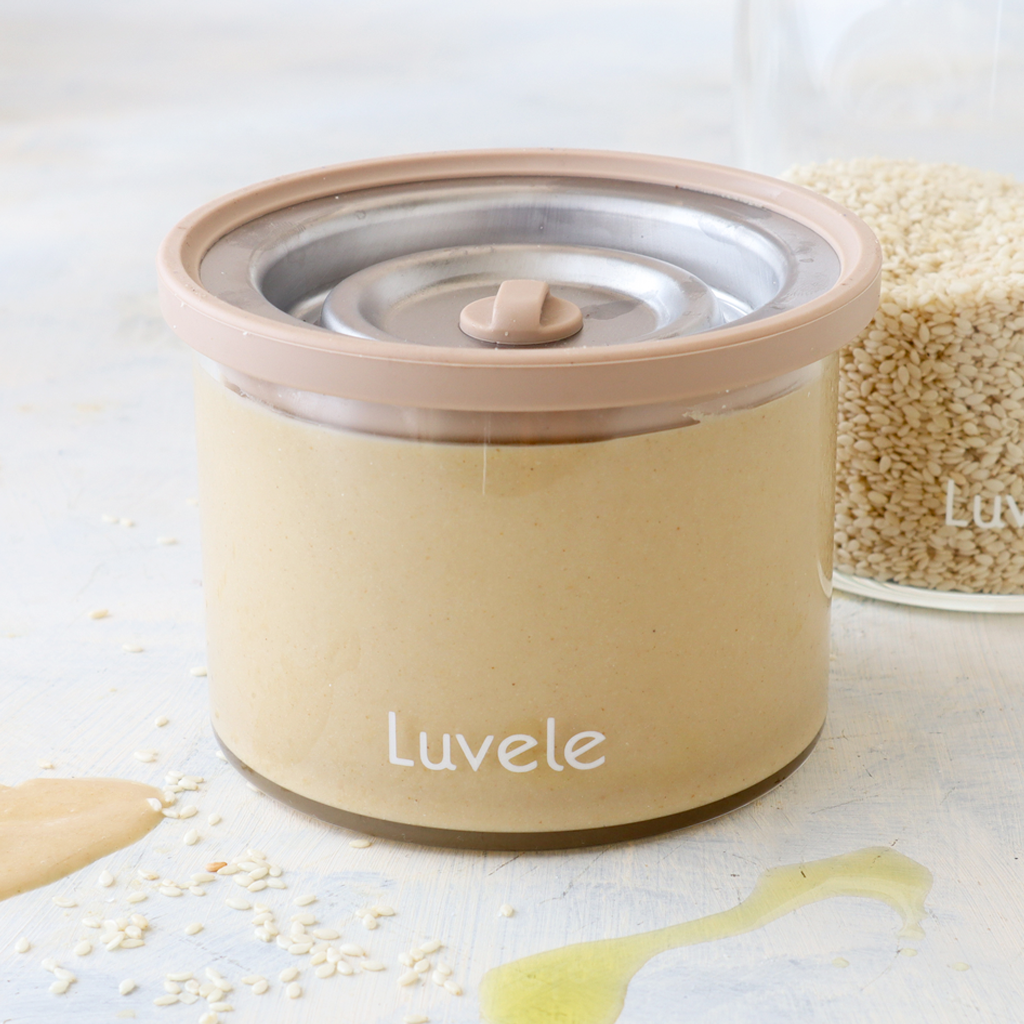
- Spatula and airtight jar for storage
A high-speed blender shortens blending time and yields silkier tahini. If you only have a basic blender, reduce batch size and add more oil slowly to help the blades process the seeds. Knowing your blender is key when mastering how to make tahini paste with blender.
Step-by-step: how to make tahini paste with blender
- Toast the seeds (optional but recommended)
- Heat a skillet over medium. Add sesame seeds and stir. Toast until light gold and fragrant, about 3 to 5 minutes. Watch closely so they don’t burn.
- Or toast on a baking sheet at 350°F for 5 to 8 minutes, shaking halfway.
- Cool the seeds
- Transfer seeds to a plate to cool fully. Hot seeds release oils too quickly and can steam in the blender.
- Start blending
- Add cooled seeds to the blender. Pulse to break them up first. Scrape down the sides.
- Add oil and continue
- With the blender running, drizzle 1 tablespoon oil. Blend for 30–60 seconds. Scrape and repeat until smooth. Add a second tablespoon if needed.
- Adjust texture and season
- For thinner tahini, add a teaspoon of warm water and blend briefly. Add a pinch of salt to taste.
- Store
- Transfer to a clean jar. Tahini keeps in the fridge for up to 2 months. Stir before use if separated.
Tips from my kitchen: Toast just until fragrant. Overroasting gives bitterness. Use short pulses first to avoid overheating the blender motor. If your blender struggles, let it rest between blends. These practical steps make learning how to make tahini paste with blender fast and consistent.

Troubleshooting and tips (includes common PAA-style questions)
-
If your tahini is grainy
- Blend longer and add a touch more oil. A high-speed blender fixes graininess fastest.
-
If it’s bitter
- Seeds were over-toasted. Use lighter roast next time.
-
If blender motor stalls
- Work in smaller batches and add oil earlier. Pause to cool the motor.
PAA-style questions:
What’s the best sesame seed for tahini?
- Hulled white sesame seeds give a mild, smooth tahini. Hulled seeds are common and blend into a creamier paste.
Can I make tahini without oil?
- You can blend seeds alone, but oil helps reach a silky texture. Some blenders manage with no added oil but expect longer blending.
How long should I toast sesame seeds?
- Toast for 3 to 5 minutes on the stove until fragrant and light golden. Check constantly to avoid burning.
Quick practical tips:
- Use room-temperature seeds for even blending.
- Add oil gradually to control thickness.
- Scrape the jar and blender walls between pulses to ensure even processing.
These tips and PAA-style answers help you avoid common mistakes when learning how to make tahini paste with blender.

How to use and store your blender-made tahini
-
Uses
- Drizzle into hummus for deeper flavor.
- Mix with lemon juice and garlic for a quick sauce.
- Stir into salad dressings and smoothies.
- Use in baking or tahini-based desserts.
-
Storage
- Keep in an airtight jar in the fridge for up to 2 months.
- For longer storage, freeze in small portions for up to 6 months.
- Stir before use; separation is normal.
Sharing from experience: I store tahini in a narrow jar to minimize air. Small jars make it easy to thaw only what I need. When you practice how to make tahini paste with blender a few times, you’ll learn which uses you favor most and how to store it to keep the best flavor.
Nutrition and health benefits
- Sesame seeds are rich in healthy fats, plant protein, and minerals like calcium, magnesium, and iron.
- Tahini supplies heart-healthy monounsaturated fats and antioxidants.
- One tablespoon of tahini has protein and a good dose of vitamins and minerals, making it a nutrient-dense addition to meals.
Be mindful of calories. Tahini is high in fat and energy, so use it as a flavorful condiment rather than a bulk calorie source. Homemade tahini made via blender has no additives, which supports cleaner eating choices.

Frequently Asked Questions of how to make tahini paste with blender
What type of sesame seeds should I use for tahini?
Use hulled white sesame seeds for a mild, smooth tahini. Unhulled or black seeds make a nuttier, more bitter paste and may be slightly grainy.
Can I skip toasting the sesame seeds?
Yes, you can skip toasting, but toasting enhances aroma and flavor. Raw seeds produce milder tahini that some people prefer for delicate recipes.
How do I fix runny or thin tahini?
If your tahini is too thin, add a small amount of additional sesame seeds and blend until thicker. Alternatively, chill the tahini for a bit; cold fats firm up and can thicken slightly.
Will blender-made tahini separate?
Separation is normal; oil rises over time. Stir well before each use, and store in the fridge to slow separation.
How long does homemade tahini last?
Properly stored in the refrigerator, homemade tahini keeps about 6 to 8 weeks. For longer storage, freeze in small portions for several months.
Conclusion
You now have a clear, tested path for how to make tahini paste with blender. Start with quality seeds, toast to your taste, and use steady blending with small oil additions for silky results. Try a small batch first to learn your blender’s rhythm and adjust roast or oil to suit your palate.
Give it a go this week: make a jar, whip up a quick tahini dressing, and share your results in the comments. If you enjoyed this guide, subscribe for more easy, reliable pantry recipes and tips.