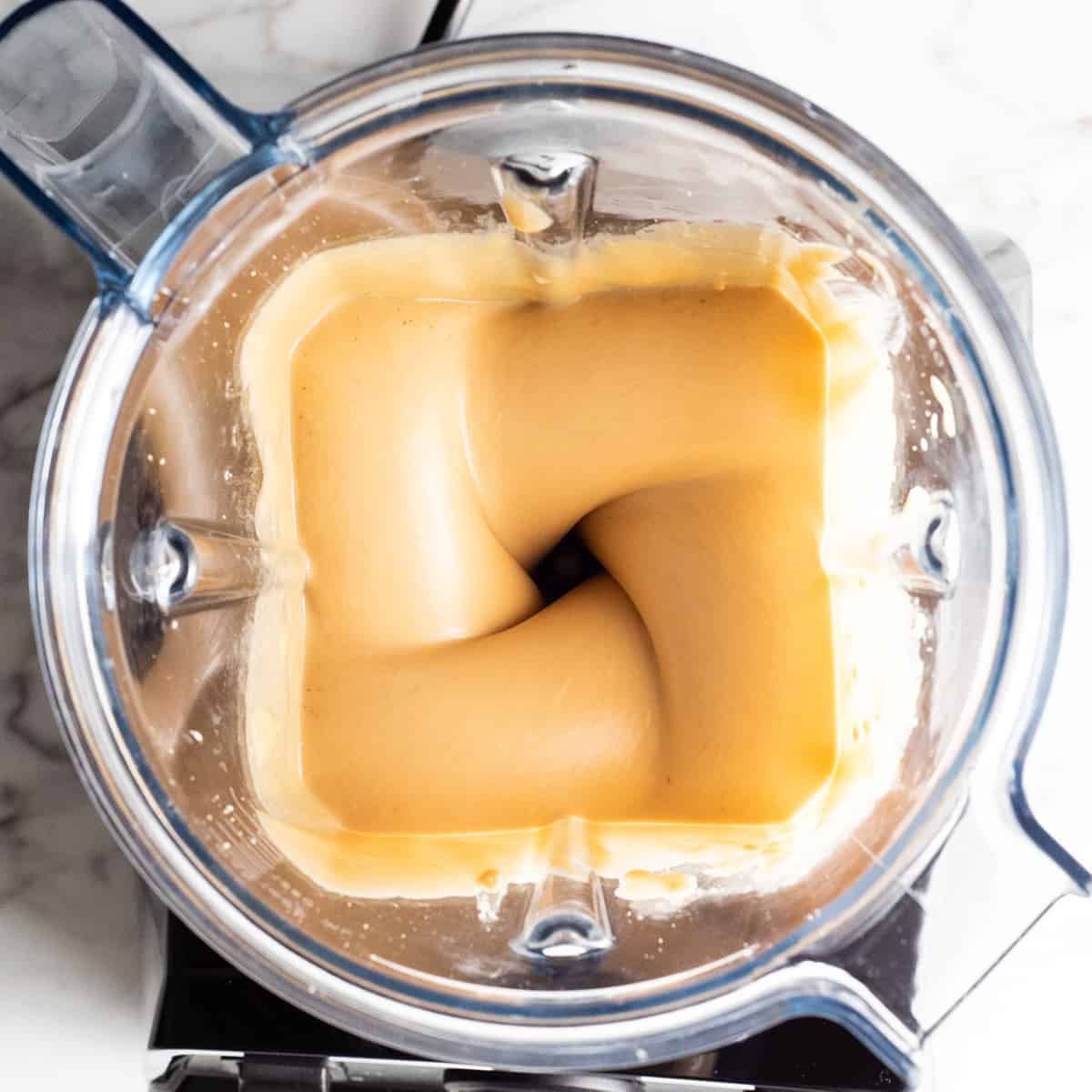
Blend roasted peanuts with a splash of oil and salt until smooth and creamy.
I’ve been making peanut butter at home for years, and this guide will teach you exactly how to make peanut butter in a blender with reliable results. I’ll share clear steps, equipment tips, troubleshooting, flavor ideas, and storage advice so you can make silky, crunchy, or flavored peanut butter in minutes. Read on to master the simple techniques I use and avoid the mistakes I learned from.

Why make peanut butter at home?
Making peanut butter at home gives you control over texture, salt, sugar, and additives. Homemade jars are fresher and often cheaper than store-bought specialty brands. Learning how to make peanut butter in a blender is fast, uses minimal equipment, and yields tasty results you can tweak every time.
I prefer homemade peanut butter for flavor and transparency. Knowing how to make peanut butter in a blender means you can make small batches, experiment with roast level, and avoid stabilizers that keep commercial nut butters from separating.
Ingredients and equipment
Simple ingredients and a good blender are all you need to start how to make peanut butter in a blender.
Ingredients
- 2 to 3 cups roasted peanuts, skin on or off depending on preference
- 1/2 to 1 teaspoon salt, or to taste
- 1 to 2 teaspoons neutral oil (peanut oil, vegetable oil, or light olive oil) if needed
- 1 to 2 teaspoons honey or sugar (optional, for sweetness)
Equipment
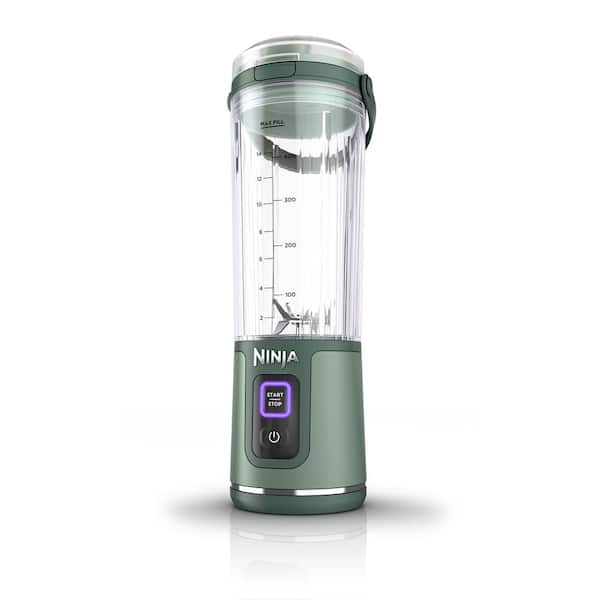
- High-speed blender or a sturdy countertop blender
- Spatula for scraping
- Airtight jar for storage
- Oven or skillet if you want to roast raw peanuts
Notes on peanuts
- Use fresh roasted peanuts for best flavor.
- Dry-roasted or oil-roasted both work. Adjust oil amount accordingly.
- If peanuts are raw, roast them at 350°F for 8–12 minutes until fragrant.

Step-by-step: how to make peanut butter in a blender
Follow these short steps to get smooth, creamy peanut butter using a blender.
- Prepare peanuts
- If using raw peanuts, roast on a sheet tray at 350°F for 8–12 minutes, stirring once. Cool slightly.
- Warm the peanuts slightly (optional)
- Slight warmth helps release oils. Microwave for 15–20 seconds or keep in a warm room.
- Start blending
- Add 2 cups roasted peanuts to the blender. Pulse 6–8 times to break nuts into coarse crumbs.
- Grind and scrape
- Run the blender on medium for 30–45 seconds, then stop and scrape down the sides. Repeat until crumbly.
- Add oil and salt
- Add 1 teaspoon salt and 1 teaspoon oil if the mixture seems dry. Blend 30–60 seconds. Continue scraping.
- Reach desired texture
- For creamy: blend longer, 2–4 minutes total, pausing to scrape. For crunchy: reserve 1/3 cup peanuts, fold in chopped peanuts at the end.
- Sweeten if desired
- Add honey or sugar during the last 10–20 seconds of blending and mix briefly.
- Transfer and store
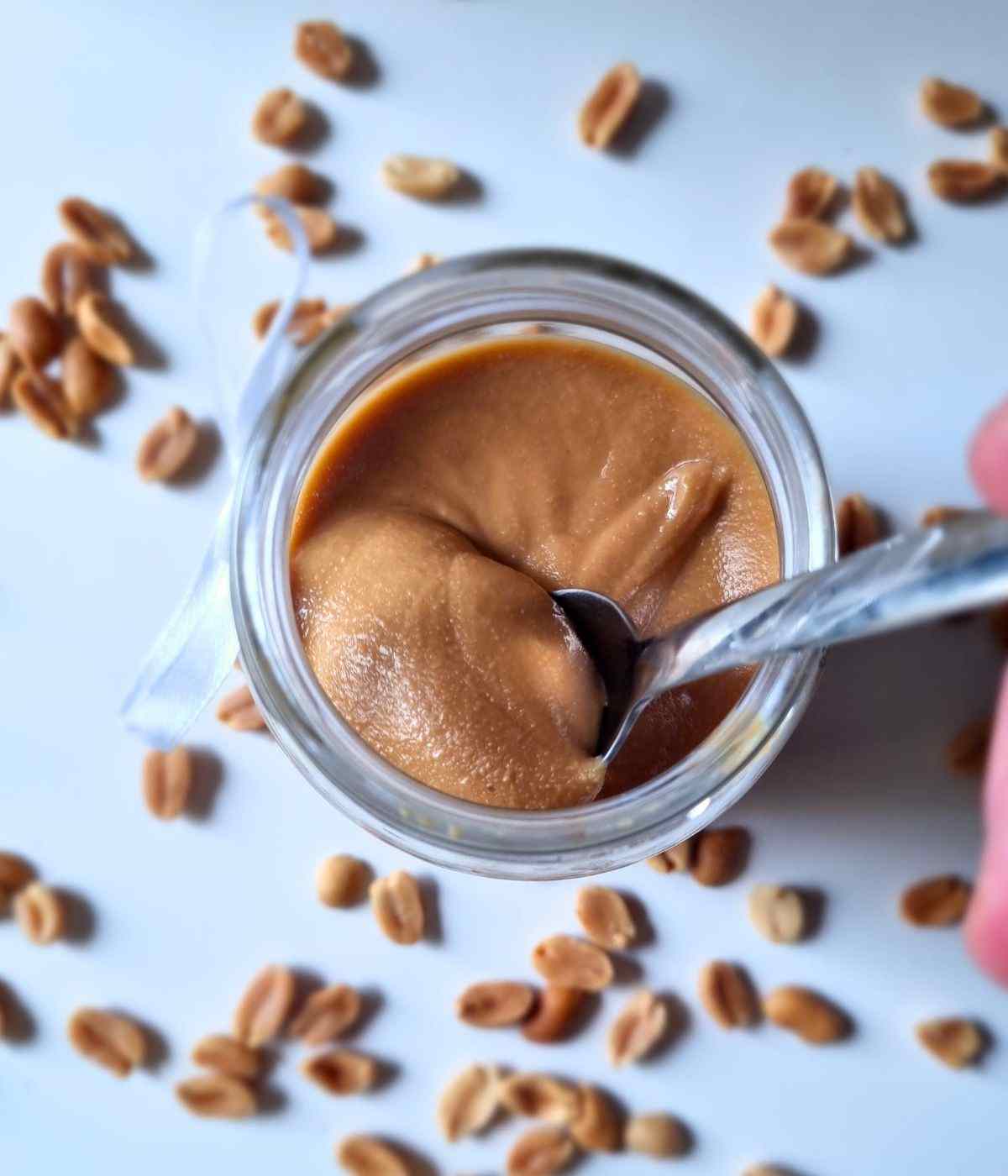
- Spoon into an airtight jar. Let settle and store in the fridge or pantry per storage notes below.
Tips for time and power
- High-speed blenders reach creamy texture faster. Typical blending time: 2–5 minutes total.
- If the blender strains, stop and let it rest. Overheating can harm motors and flavor.

Troubleshooting and practical tips
If something goes wrong while you learn how to make peanut butter in a blender, these fixes will help.
Common problems and solutions
- Too dry and crumbly: Add 1/2 teaspoon oil and blend again. Repeat until smooth.
- Too thin/runny: Reduce added oil next time or add more peanuts.
- Blender motor overheating: Work in short bursts, rest 30–60 seconds between runs.
- Bitter or off flavor: Use fresher or better-quality peanuts and avoid burning during roast.
PAA-style questions (short answers)
How long should I blend peanuts in a blender?
Blend in bursts totaling 2–5 minutes depending on blender power and desired creaminess.
Can I use raw peanuts in a blender?
Yes, but roast raw peanuts first for flavor and easier oil release.
Personal lessons from repeated batches
- I learned not to overload the jar. Smaller batches blend more evenly.
- Scrape often. I get a smoother result when I scrape the sides every 30–45 seconds.
- Let the blender cool if it smells like it’s straining. That saved my motor once.
Variations and flavor ideas
Once you master how to make peanut butter in a blender, you can create many fun variations.
Savory and sweet variations
- Honey peanut butter: Add 1–2 teaspoons honey.
- Cinnamon maple: Add 1/2 teaspoon cinnamon and 1 teaspoon maple syrup.
- Chocolate swirl: Fold in 1 tablespoon cocoa powder or melted dark chocolate.
- Spicy: Add a pinch of cayenne or smoked paprika for a kick.
- Mixed nut butter: Replace 1/3 of peanuts with roasted almonds or cashews.
Texture and mix-ins
- Crunchy: Stir in 1/3 cup chopped roasted peanuts after blending.
- Nut-free addition: Add seeds like sunflower or pumpkin for variety.
- Protein boost: Fold in a scoop of neutral-flavored protein powder.

Storage and shelf life
Store your homemade peanut butter properly to keep it fresh and safe.
Short-term storage
- Pantry: Unrefrigerated, homemade peanut butter lasts about 1–2 weeks.
- Refrigerator: Keeps 1–3 months and stays firmer; stir before use if oil separates.
Signs of spoilage
- Rancid or sour smell, off taste, or visible mold. Discard immediately.
Best practices
- Use clean utensils to avoid contamination.
- Label jars with date made.
- Consider small batches if you don’t use it often.

Nutrition and health benefits
Homemade peanut butter is a nutrient-dense food with healthy fats and protein.
Key nutrients
- High in monounsaturated and polyunsaturated fats for heart health.
- Good source of plant protein and fiber.
- Contains vitamin E, magnesium, and potassium in small amounts.
Health notes
- Portion control matters — peanut butter is calorie-dense.
- Making peanut butter at home lets you control salt and added sugar, improving overall nutrition.

Frequently Asked Questions of how to make peanut butter in a blender
What type of blender is best for making peanut butter?
A high-speed blender or powerful countertop blender gives the smoothest result. Regular blenders work but may take longer and need rest breaks.
Do I need to add oil when making peanut butter in a blender?
Not always. Many roasted peanuts release enough oil. Add a teaspoon if texture is too dry.
How do I make crunchy peanut butter in a blender?
Blend until smooth, then stir in 1/3 cup chopped roasted peanuts for crunch.
Can I make peanut butter from peanut butter powder?
Yes. Rehydrate peanut powder with oil and water per package instructions, then blend to desired texture.
How long does homemade peanut butter last?
Stored in the fridge, homemade peanut butter lasts 1–3 months. In the pantry, expect 1–2 weeks depending on freshness.
Conclusion
You can easily learn how to make peanut butter in a blender with a few simple ingredients and a bit of practice. Start with quality roasted peanuts, pulse and scrape often, and adjust oil and salt to match your taste. Make small batches, experiment with flavors, and store jars properly to enjoy fresh, tailored peanut butter anytime. Try a batch today, leave a comment about your favorite twist, and share this guide with someone who loves DIY food.