Chill the block, use a box grater or a sharp knife, or freeze briefly for easier shredding.
I’ve spent years cooking and testing simple kitchen hacks, and I can show you exactly how to shred cheese without a blender. This guide covers tools, step-by-step methods for hard and soft cheeses, smart tips to avoid clumps, safety pointers, and mistakes I learned from. Read on to get fast, reliable results and enjoy perfectly shredded cheese every time.
Why choose to shred cheese without a blender
Shredding cheese without a blender keeps texture and taste intact. A blender can heat and mash delicate cheeses. Doing it by hand gives you control over shred size and moisture. It also saves cleanup time and avoids wear on small appliances. Learning how to shred cheese without a blender is a basic kitchen skill that makes recipes turn out better.
Best tools for how to shred cheese without a blender
Use the right tool for the cheese and the job. Each tool gives a different shred size and finish.
- Box grater — A classic choice for medium to large shreds. It’s fast and works for most cheeses like cheddar and Monterey Jack.
- Microplane or fine grater — Best for hard, aged cheeses such as Parmesan or Pecorino. It produces a snowy, fine grate.
- Sharp chef’s knife — Great when you want rustic, ribbon-like shreds or for soft cheeses. It’s also useful when you don’t have a grater.
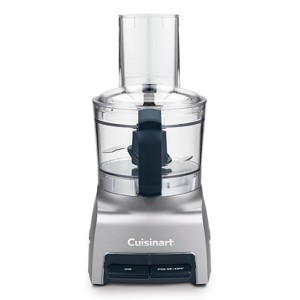
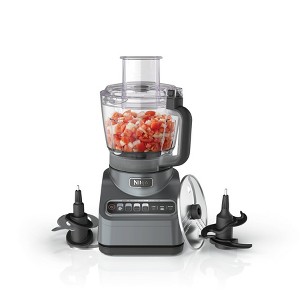
- Food processor with shredding disk — Not a blender, but an electric alternative. It’s fast for large batches and keeps texture better than a blender.
- Vegetable peeler — Makes thin ribbons of cheese for salads or melting. Works well with firmer blocks and cold cheese.
:max_bytes(150000):strip_icc()/faw-mini-food-processors-primary-rkilgore-0828-1-ef83ffc1910f4bc29b822ca52c5ee722.jpeg)
How to shred cheese without a blender — step-by-step for hard cheeses
Follow these clear steps to shred hard or semi-hard cheeses like cheddar, gouda, or asiago.
- Chill the cheese for 15 to 30 minutes. Cold cheese is firmer and shreds cleanly.
- Choose a clean, stable surface and place a damp towel under your cutting board to stop slipping.
- Use a box grater on the large shredding side. Grate with steady, even strokes away from your body.
- Tap the grater to release trapped bits. Re-chill if pieces become soft.
- If you prefer fine shreds, use a microplane for short passes.
Personal tip: I freeze small blocks for 10 minutes when I need very fine, neat shreds fast. It helps a lot when cheese is slightly aged but still soft.

How to shred cheese without a blender — methods for soft and fresh cheeses
Soft cheeses need a gentler touch. Use these approaches for mozzarella, burrata, feta, or young goat cheese.
- Chill or slightly freeze for 10 to 15 minutes to firm up fresh mozzarella before shredding.
- Use a sharp chef’s knife and a rocking motion to slice thin strips, then stack and cut into ribbons.
- For crumbly cheeses like feta, use a fork to break into small pieces instead of trying to shred.
- Pull-apart method: For stringy cheeses, heat slightly, pull into thin strands with two forks, and let cool to set.
I once tried grating warm fresh mozzarella and ended up with a sticky mess. Lesson learned: cold is your friend with soft cheeses.

Tips and tricks to get perfect shreds every time
Small habits make a big difference. These tips reduce clumping and speed up prep.
- Toss shredded cheese with a pinch of cornstarch or flour for storage and to prevent clumping when baking.
- Grate onto parchment or wax paper to make transfer easy.
- For large batches, shred in small portions and re-chill between passes.
- Clean graters immediately. Cheese dries in holes fast and becomes harder to remove.
- Keep fingers safe by using a cut-resistant glove or the last 1/2 inch of cheese on a holder.
Experience note: I store leftover shredded cheese in a sealed bag with a teaspoon of cornstarch. It stays loose and melts evenly for days.

Common mistakes and how to fix them
Avoid these frequent errors when you learn how to shred cheese without a blender.
- Shredding warm cheese — Fix: Chill for 10 to 30 minutes.
- Using a dull grater — Fix: Replace or sharpen; a sharp tool saves effort and creates cleaner shreds.
- Overloading the grater — Fix: Work in batches to keep control.
- Not stabilizing the board — Fix: Use a damp towel under the board for safety.
- Not treating shreds for storage — Fix: Toss with a little cornstarch to prevent clumps.
Uses, storage, and serving ideas after you shred cheese without a blender
Shredded cheese is versatile. Use it freshly for better melt, or store it right for later.
- Use shredded cheese for pizzas, tacos, casseroles, and salads.
- Freeze portions on a tray, then bag for up to 3 months for long-term use.
- Keep refrigerated for up to 5 days if sealed tightly and tossed with a little cornstarch.
- Sprinkle fine-grated hard cheese over pasta or soups for bright flavor.
:max_bytes(150000):strip_icc()/Spruce-buy-a-food-processor-or-blender-4114243-ff30322609174b999c034b61d937b2fa.jpg)
Frequently Asked Questions of how to shred cheese without a blender
How long should I chill cheese before shredding?
Chill cheese for 15 to 30 minutes to firm it up. Softer cheeses may need only 10 minutes; harder ones can handle longer.
Can I use a food processor instead of a blender?
Yes, a food processor with a shredding disk is a good non-blender option. It shreds quickly and keeps a better texture than a standard blender.
Will freezing ruin the flavor or texture?
Short freezing (10 to 30 minutes) firms the cheese without harming flavor. Long freezer storage can change texture, so use briefly frozen cheese only for shredding.
How do I stop shredded cheese from clumping?
Toss shreds with a small amount of cornstarch or flour and store in a sealed bag. Keep shreds cool and use or freeze within a few days.
Is grating safe with a box grater?
Yes, if you use stable technique and protect your fingers. Use a towel under the board and stop before you reach the last bit, or use a glove.
Can I shred very aged cheeses the same way?
Very hard, aged cheeses like Parmesan work best with a microplane. Chill and grate with short, controlled strokes.
What’s the best way to shred a large block quickly?
Cut the block into manageable pieces, chill, then use a box grater or a food processor shredding disk in batches for speed.
Conclusion
Mastering how to shred cheese without a blender is fast and rewarding. Use the right tool, keep cheese cold, and follow simple safety steps to get perfect shreds every time. Try the methods and tips here the next time you cook—your pasta, pizza, and salads will thank you. If this helped, leave a comment, share your favorite shredding hack, or subscribe for more easy kitchen guides.