Most household blenders run between 300 and 1,200 watts, depending on model and purpose.
I’ve tested and researched dozens of blenders, and I’ll walk you through what “how many watts is a blender” really means. This guide explains wattage ranges, what each range can handle, how wattage affects performance and cost, and how to pick the right blender for your kitchen. Read on for clear, practical advice and real-world tips from someone who’s used everything from small personal blenders to heavy-duty commercial machines.
Understanding blender wattage and what it actually measures
Wattage is a measure of electrical power. It tells you how much energy the motor draws at full load. When people ask how many watts is a blender, they usually want to know how powerful it is and what tasks it can handle.
Higher watts usually mean more motor strength and better ability to crush ice, blend fibrous veggies, or make nut butters. But wattage is not the only factor. Design, blade quality, jar shape, and gear ratios all matter. I learned this after testing two 900-watt models that behaved very differently because of jar shape and blade angle.
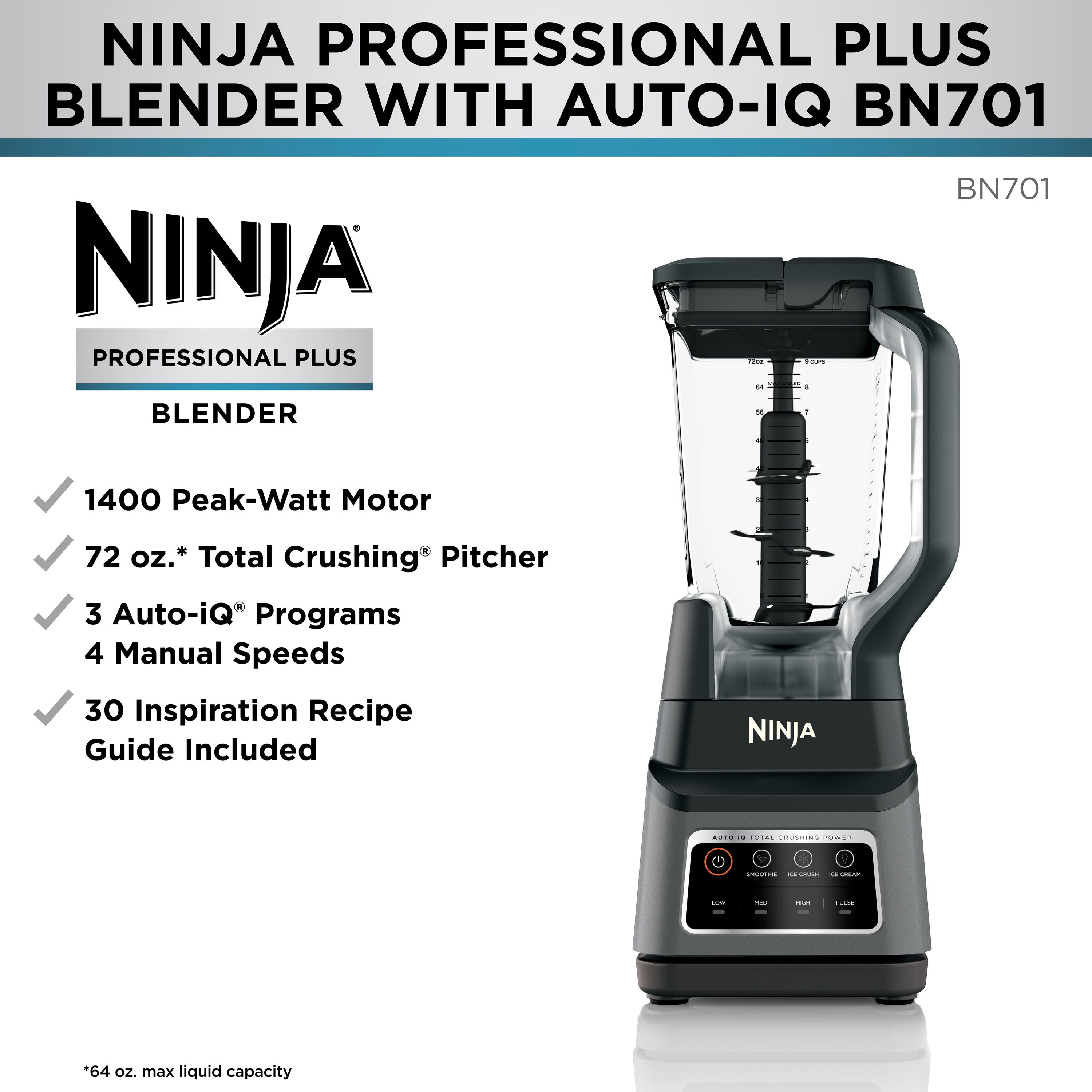
Typical wattage ranges and what they do
Here are common blender wattage categories and practical uses. This helps answer how many watts is a blender for your needs.
-
200 to 400 watts
- Best for basic tasks like smoothies with soft fruits, milkshakes, and light sauces.
- Great for small personal blenders and portable models.
-
400 to 800 watts
- Handles most household needs. Good for smoothies with frozen fruit, light ice crushing, and blending soups.
- A balanced choice for many kitchens.
-
800 to 1,200 watts
- Heavy-duty for frequent use. Crushes ice, blends fibrous greens, and makes nut butters with patience.
- Often more durable and built for higher loads.
-
1,200 to 2,000+ watts
- High-performance and commercial blenders. Ideal for thick nut butters, long continuous runs, and large batches.
- These are louder and draw more electricity but deliver high torque and speed consistency.
When you ask how many watts is a blender that will last, think about your recipes and frequency of use. If you blend daily and make thick mixtures, aim higher. If you blend occasionally, a mid-range unit often suffices.

Factors that affect how wattage translates to performance
Watt numbers are a guide, not a guarantee. Consider these factors when evaluating how many watts is a blender for your needs.
-
Motor design and torque
- Torque matters more for thick blends. Two motors with the same watt rating can feel very different.
-
Blade quality and shape
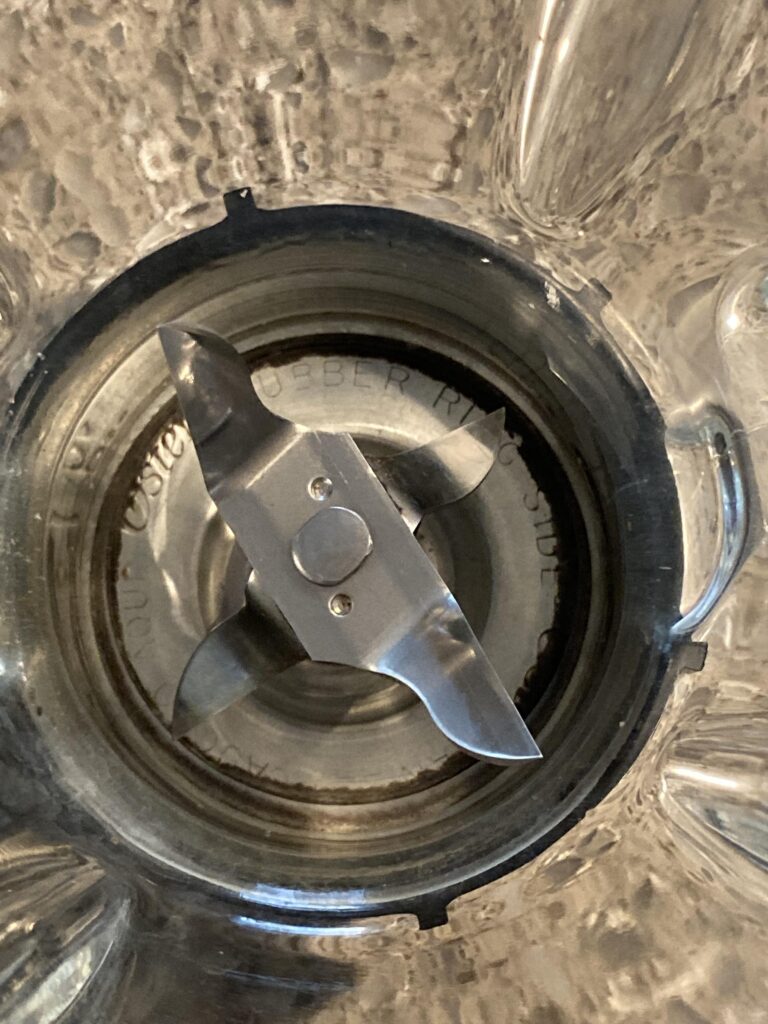
- Sharp, angled blades cut and circulate ingredients better. Blade design can offset lower wattage.
-
Jar shape and material
- Narrow, tall jars create a vortex that pulls ingredients toward the blades. That improves efficiency.
-
Speed settings and control
- Variable speeds and pulse help manage tough tasks without maxing the motor.
-
Duty cycle and cooling
- Some motors are rated for short bursts. Check recommended run times to avoid overheating.
From my experience, a 700-watt blender with a good jar and blades often outperforms a poorly designed 900-watt model. So, when you search “how many watts is a blender,” don’t stop at the number. Look at the full package.

Energy use and real cost examples
People often ask how many watts is a blender and whether it will spike their electric bill. Blenders use power only briefly, so cost is usually low.
-
Convert watts to kilowatt-hours
- Example: 700 watts = 0.7 kW. Running for 2 minutes (0.033 hours) uses 0.023 kWh.
-
Cost example
- If electricity costs $0.15 per kWh, that 2-minute blend costs about $0.0035. Even daily use is inexpensive.
-
Continuous heavy use
- A 1,500-watt commercial blender running five minutes daily uses about 0.125 kWh per day. That’s still modest over a month.
So ask how many watts is a blender in relation to usage time. For most home cooks, wattage does not translate to a large ongoing cost.
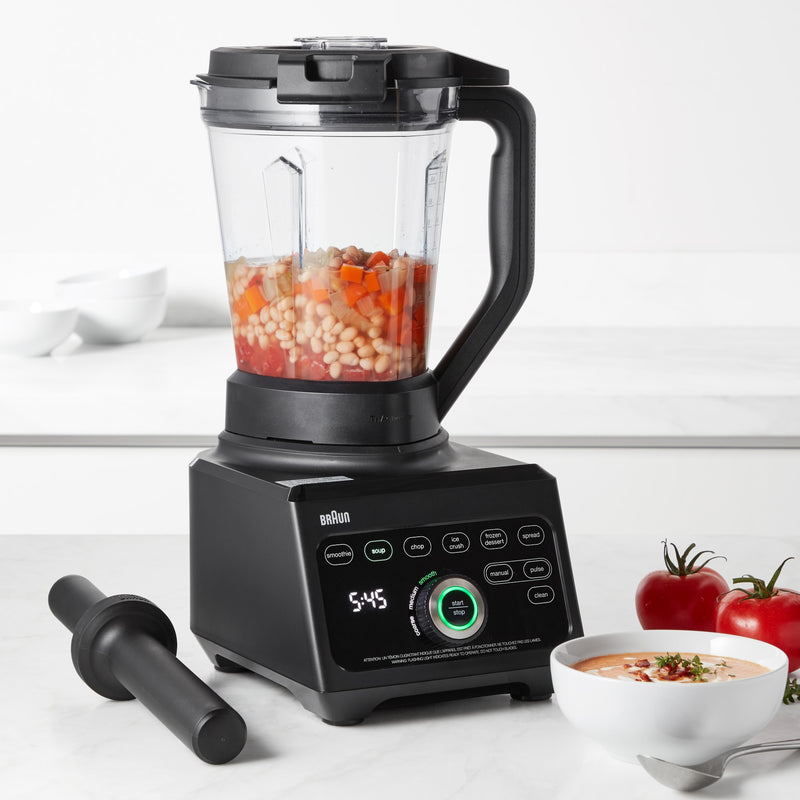
Choosing the right blender: practical tips
When deciding how many watts is a blender you should buy, match the blender to your recipes and habits. Use these steps.
-
List common recipes
- Smoothies, soups, nut butters, crushing ice. Pick a wattage range suited to the toughest task.
-
Consider frequency
- Daily heavy use needs a more powerful, durable motor. Occasional blending can use a lower-wattage model.
-
Read real reviews and test videos
- Watch how models perform on tasks you care about. Pay attention to torque, not just peak watts.
-
Check warranty and service
- A longer warranty often signals manufacturer confidence in the motor.
Personal note: I switched from a 600-watt to an 1,000-watt model when I began making daily green smoothies with frozen greens and seeds. The bigger motor saved time and reduced strain. It also lasted longer under heavy use. Don’t overspend on power you don’t need, but don’t underbuy either.
:max_bytes(150000):strip_icc()/sea-personal-blenders-lead-image-nutribullet-smeg-ninja-ashia-aubourg-02-2fe28ce691d047cb956a51c541330b3d.jpeg)
Troubleshooting, maintenance, and safety tips
Knowing how many watts is a blender also helps with safe operation and maintenance. Here are practical tips.
-
Avoid continuous max-load runs
- Let the motor rest after long cycles to prevent overheating.
-
Use incremental speed increases
- Start slow and ramp up to avoid stalls and reduce stress on the motor.
-
Keep blades sharp and jars clean
- Dull blades force the motor to work harder. Clean seals and vents regularly.
-
Watch circuit limits
- High-wattage models can trip circuits if used on the same line with other heavy appliances.
-
Ice and frozen foods
- Use ice crush settings and add liquid. For dense frozen mixes, pulse instead of long runs.
A small maintenance habit I adopted was running cool water through the jar right after use. It prevents build-up and reduces the need to scrub, which preserves seals and blade mounts.

Frequently Asked Questions of how many watts is a blender
What is a good wattage for everyday smoothies?
For everyday smoothies, 400 to 800 watts is usually enough. This range handles frozen fruit and greens well with proper technique.
Can a low-watt blender crush ice?
Some low-watt blenders can crush small amounts of ice, but they may struggle or overheat. For frequent ice crushing, choose 800 watts or higher.
Do higher watts mean better quality?
Higher watts often mean more power, but not always better quality. Blade design, jar shape, and motor build also determine real-world performance.
How many watts do commercial blenders use?
Commercial blenders typically range from 1,200 to 3,000 watts. They are built for long, continuous use and tougher workloads.
Will a 500-watt blender make nut butter?
A 500-watt blender can make thin nut butters but may run hot and take longer. For smooth, creamy nut butter, aim for 800 watts or more.
How long should I run my blender at full power?
Most household blenders should be used in short bursts of 30–60 seconds at full power. Longer continuous runs can overheat the motor and reduce lifespan.
How many watts is a blender motor vs peak power?
Blender labels sometimes show peak watts, which is a short burst number. Continuous wattage is more relevant for everyday use and longevity.
Conclusion
You now know how many watts is a blender and what those numbers mean for real use. Match wattage to recipes, prioritize torque and design, and maintain your blender to extend its life. If you blend often or tackle tough ingredients, choose a higher-watt model with good airflow and a solid warranty. If you blend lightly, a mid-range model will save money and still perform well.
Try these steps: list your recipes, compare model features beyond watts, and read hands-on reviews. Share your blender needs below or subscribe for more kitchen gear guides and comparisons.