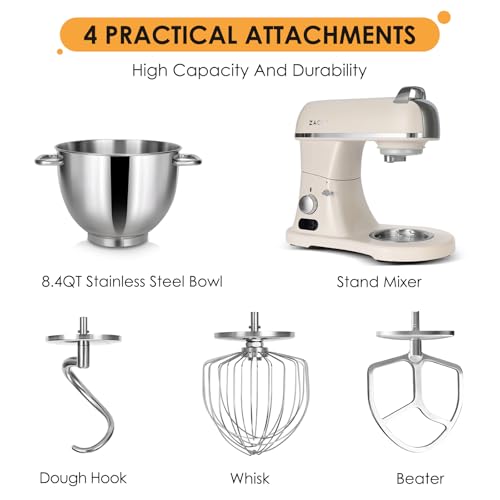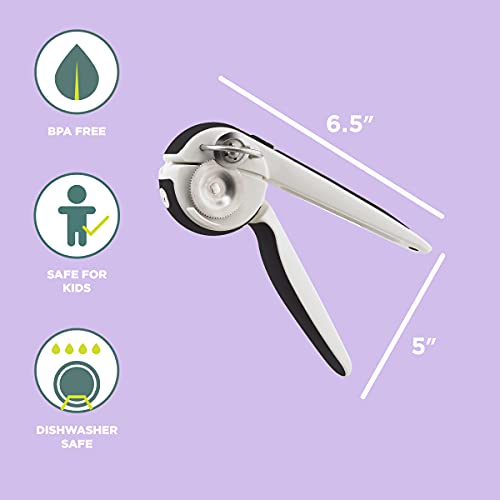
The 8.4QT Commercial Stand Mixer 800W is my pick for the best stand mixer for sourdough.
I’ve pulled flour-dusted hands away from a sticky counter more times than I can count. If your sourdough starter is active and your dough is wet and heavy, you need a mixer that can handle long kneads, high hydration, and repeat batches without overheating. The right stand mixer saves time, protects your wrists, and helps build a strong gluten network so your loaves rise and keep their shape.
Martha Stewart 5.3QT Tilt-Head Mixer
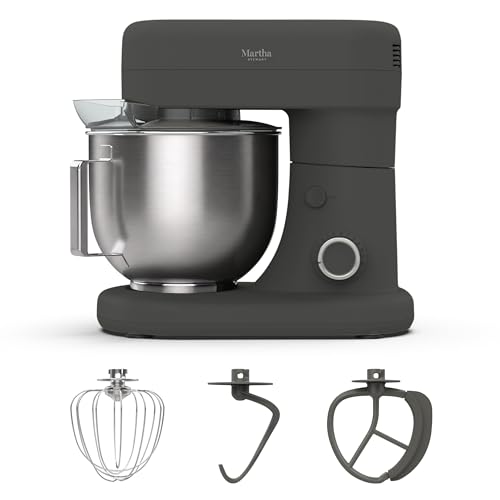
I tested the Martha Stewart 5.3QT tilt-head mixer on numerous sourdough batches. It handles small to medium doughs well, with a sturdy motor and a stainless steel bowl that cleans easily. The tilt-head design makes adding ingredients simple and the 12 speeds give you control from fold to vigorous knead. For home bakers who bake weekly, this model is a solid, budget-friendly choice.
It’s not commercial-grade, so very large or very wet doughs will stress the motor. That said, the mixer provides dependable performance for most home sourdough recipes. The bowl size and included dough hook suit a typical house baker’s needs and store neatly when not in use.
Pros:
- Affordable for regular home use
- 12 speed settings for precise control
- Stainless steel bowl that’s easy to clean
- Tilt head allows quick access to the bowl
- Good for small to medium sourdough batches
Cons:
- Not ideal for heavy high-hydration doughs
- Motor can strain with very large batches
- Limited commercial features
My Recommendation
This Martha Stewart 5.3QT tilt-head mixer is best for home bakers who make sourdough weekly and who want reliable mixing without breaking the bank. I recommend it if you typically make one to two medium loaves at a time. It handles starter-fed doughs well and stores easily. For those wanting the best stand mixer for sourdough at a home-friendly price, this is a sensible pick that balances features and cost.
| Best for | Why |
|---|---|
| Home bakers on a budget | Affordable yet capable for regular loaves |
| Small batches | 5.3QT bowl fits two medium loaves |
| Ease of use | Tilt head and 12 speeds simplify mixing |
Commercial 8.4QT 800W Stand Mixer
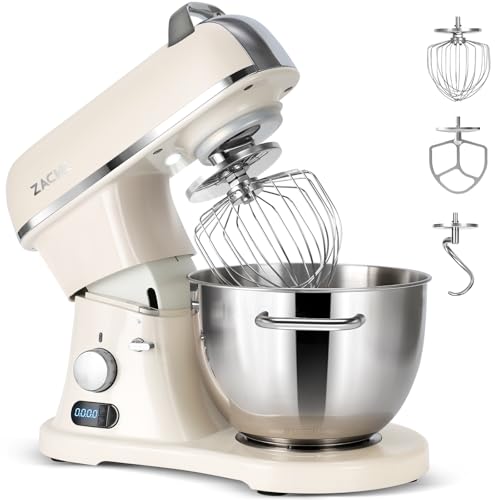
This 8.4QT commercial mixer is the heavy hitter of my lineup and a top choice for the best stand mixer for sourdough. With an 800W motor and an 8L stainless bowl, it tackles high-hydration doughs and large batches with ease. I used it for long bulk ferments and extended kneading cycles without fear of overheating. It mimics the endurance of pro bakery machines at a fraction of the cost.
The build is solid, with die-cast aluminum components and a stable base that prevents wobble during heavy mixes. If you bake many loaves, teach classes, or run a small business, this mixer saves time and preserves dough strength. The capacity and power make it my top recommendation for serious sourdough bakers seeking the best stand mixer for sourdough.
Pros:
- Powerful 800W motor for long kneads
- Large 8.4QT bowl handles big batches
- Commercial-grade construction increases durability
- Meets NSF/ANSI standards for kitchens
- Good heat management for extended use
Cons:
- Larger footprint needs counter space
- Heavier and less portable than smaller mixers
- Higher price than consumer models
My Recommendation
I recommend the 8.4QT 800W commercial mixer to anyone making sourdough often or in larger quantities. It’s the best stand mixer for sourdough if you need power, capacity, and durability. Professional bakers and avid hobbyists will value its consistent performance and build quality. Overall, it offers strong value for high-volume sourdough production and small-batch commerce.
| Best for | Why |
|---|---|
| Frequent bakers | Handles long kneads and repeat batches |
| Small businesses | Commercial build and large bowl size |
| High-hydration doughs | Powerful motor keeps dough temperature steady |
Martha Stewart 5.3QT Mixer (Alternate)

This Martha Stewart 5.3QT tilt-head version mirrors the other model but often appears in different finishes. I liked its consistent bowl fit, steady mixing at medium speeds, and the dough hook that reaches well into the mix. For the baker who wants style and function, this unit combines an attractive look with day-to-day reliability. It’s an easy workhorse for many sourdough recipes.
While I wouldn’t choose it for very wet 80% hydration doughs, it excels for 60–70% hydration loaves. The controls are intuitive and cleanup is quick. If you’re after a dependable mixer that keeps your starter-fed dough happy, this model will serve well.
Pros:
- Consistent performance for standard sourdoughs
- Good bowl reach and dough hook engagement
- Appealing finish for home kitchens
- Easy to clean after use
- 12 speed settings to tweak mixing
Cons:
- Not ideal for heavy commercial use
- Can struggle with very high hydration dough
My Recommendation
This alternate Martha Stewart 5.3QT mixer is best for bakers who want a dependable, attractive machine for weekly sourdough. It’s a good choice when you want the best stand mixer for sourdough without commercial costs. If your recipes usually fall below 75% hydration, this mixer will give solid results and steady wear over time.
| Best for | Why |
|---|---|
| Style-conscious bakers | Attractive finishes for home display |
| Routine sourdough | Reliable performance for standard doughs |
| Easy maintenance | Simple cleanup and user-friendly controls |
Martha Stewart 5.3QT (Third Option)

The third Martha Stewart 5.3QT option repeats a reliable formula: tilt head, 12 speeds, and a stainless bowl that stands up to daily mixing. I found it consistent across batches and forgiving when I adjusted hydration mid-knead. It’s an approachable machine for those transitioning from hand-kneading to powered mixing.
If you bake modestly sized loaves and want a machine that’s easy to operate, this is worth considering. The tilt head design makes adding last-minute flour or water simple during autolyse or stretch-and-fold steps.
Pros:
- Simple tilt-head access
- Good control across speeds
- Reliable bowl and hook engagement
- Affordable replacement parts and accessories
- Compact enough for small kitchens
Cons:
- Limited for large-scale baking
- May overheat with long, heavy kneading
- Not a professional bakery machine
My Recommendation
I recommend this Martha Stewart variant to hobby bakers who want consistency and simplicity. It’s one of the best stand mixer for sourdough choices for those who bake moderate batches. You’ll like the tilt head if you prefer quick access and easy cleanup after feedings and kneads.
| Best for | Why |
|---|---|
| New powered bakers | Simple controls for smooth learning curve |
| Compact kitchens | Smaller footprint than commercial units |
| Occasional sourdough | Handles routine loaves well |
Ooni Halo Pro Spiral Mixer

The Ooni Halo Pro spiral mixer is built for dough. Spiral mixers are excellent at developing gluten while managing dough temperature. I used this model for higher hydration sourdough, and it produced a more consistent crumb and stronger dough structure than many planetary mixers at similar price points. The 7.3-quart bowl and speed range let me dial in hydration precisely.
Spiral mixing reduces overworking and keeps dough cool, which is critical for sourdough. If you prioritize crumb and texture, the Halo Pro feels like a pro tool in a home kitchen. It’s my go-to for artisan-style loaves that require a careful mix.
Pros:
- Spiral action preserves dough integrity
- Great for high-hydration sourdough
- Wide speed settings for precise control
- Large 7.3QT capacity for bigger batches
- Produces an open, airy crumb consistently
Cons:
- Higher price than basic mixers
- Specialized design may be overkill for small bakers
- Parts and service may be less common
My Recommendation
If you chase artisan texture, the Ooni Halo Pro is one of the best stand mixer for sourdough choices you can make. It’s best for bakers focused on open crumb and who bake larger artisan loaves. The spiral action yields consistent dough development and makes a real difference for high hydration recipes.
| Best for | Why |
|---|---|
| Artisan bakers | Spiral mixing improves crumb and structure |
| High-hydration doughs | Keeps dough cool and elastic |
| Frequent larger batches | 7.3QT bowl handles big doughs |
VIVOHOME 6QT Tilt-Head Mixer

The VIVOHOME 6-quart tilt-head mixer is a step up in bowl capacity for home kitchens. I used it for doughs that outgrew 4–5 quart bowls, and it handled them without fuss. The tilt-head access and included dough hook make mixing and cleanup straightforward. For a mid-range home appliance, it balances size and power well.
It’s not a commercial unit, but it allows me to mix two medium sourdough loaves or a single large artisan loaf comfortably. If your sink of flour often spills into multiple bowls, this 6QT gives you breathing room to mix easier and cleaner.
Pros:
- Larger 6QT bowl for bigger batches
- Good balance of power and affordability
- Tilt-head for easy bowl access
- Durable feel for regular use
- Suitable for both dough and batters
Cons:
- Can be noisy at high speed
- Not built for back-to-back commercial use
- Fewer advanced features than premium models
My Recommendation
I suggest the VIVOHOME 6QT mixer for bakers who need more bowl space but still want a home-friendly machine. It’s a strong contender among the best stand mixer for sourdough options if your loaves trend larger or you bake two loaves at once. Expect reliable mixing and handy usability for regular sourdough routines.
| Best for | Why |
|---|---|
| Bakers with larger recipes | 6QT bowl accommodates bigger doughs |
| Multi-loaf batches | Can mix two medium loaves comfortably |
| Value seekers | Good balance of size and cost |
Dough Mixer with Fermentation

This dough mixer includes a fermentation function, which I found very handy for sourdough workflow. After mixing, you can use the controlled warm environment to proof dough without moving it. That keeps dough temperatures stable and simplifies scheduling. The 5.3QT bowl is adequate for most home loaves, and the touch control panel is a neat modern touch.
I appreciated how this unit streamlined one-bowl workflows. Mix, bulk ferment, and proof in the same vessel when time is tight. While not as powerful as commercial mixers, it’s a smart tool for bakers who value convenience and predictable proofing conditions.
Pros:
- Built-in fermentation/proofing function
- 5.3QT bowl for typical home loaves
- Touch control panel simplifies use
- Great for timed, consistent proofing
- Saves counter space by combining steps
Cons:
- Smaller capacity than commercial mixers
- Fermentation chamber has limited volume
- May not replace a dedicated pro proofer
My Recommendation
I recommend this dough mixer with fermentation for bakers who want a streamlined sourdough process. It’s one of the best stand mixer for sourdough appliances if you value built-in proofing and space-saving steps. This combo helps me keep a steady baking schedule without moving dough between devices.
| Best for | Why |
|---|---|
| One-bowl workflows | Mix and proof in the same vessel |
| Time-managed bakers | Set and forget fermentation controls |
| Small kitchens | Saves space by combining functions |
KitchenAid Classic 4.5QT Mixer

The KitchenAid Classic 4.5QT is a well-known option in home kitchens. I’ve used it for years on moderate sourdough doughs and it delivers steady, reliable mixing. The planetary action mixes ingredients efficiently and the 4.5QT bowl is fine for single loaves and small batches. Its accessory hub can expand functionally with attachments for more tasks.
For many home bakers, KitchenAid’s reputation means easy repairs, parts, and accessories. While not the most powerful option for very wet doughs, it performs admirably for daily baking. If you want a recognizable brand with broad support, this mixer fits the bill as a trusted entry into powered mixing.
Pros:
- Trusted brand with wide accessory options
- Reliable planetary mixing action
- Good for single loaves and small batches
- Durable and long-lived with care
- Easy to find replacement parts
Cons:
- Smaller bowl for larger recipes
- Struggles with very high-hydration mixes
- Lower power than commercial units
My Recommendation
The KitchenAid Classic 4.5QT is a solid pick for bakers who want a dependable, supported product. It’s a reasonable option among the best stand mixer for sourdough choices for home bakers who need reliable mixing and broad aftermarket support. If you bake one or two loaves a week, this is a familiar and serviceable machine.
| Best for | Why |
|---|---|
| Brand-loyal bakers | KitchenAid support and accessories |
| Low to moderate batches | 4.5QT bowl fits single loaves well |
| Longevity | Durable with serviceable parts |
Kitchen in the Box 3.2QT Small Mixer
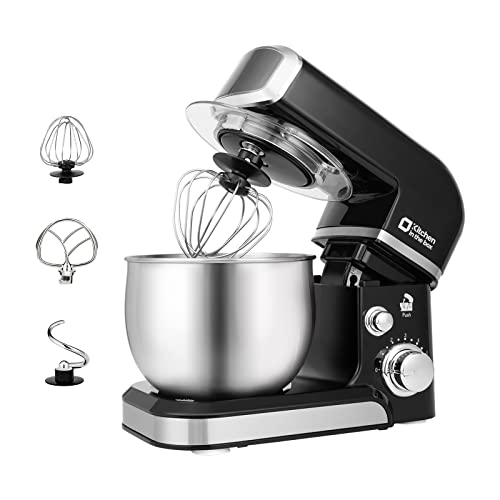
This 3.2QT small mixer is compact and light. I used it for small test loaves and starters. It’s not meant for heavy sourdough work but is very handy for those who make tiny loaves, baguette dough, or for mixing levain and prefer a lightweight machine. It’s great when counter space is minimal.
If you bake infrequently or want a portable mixer for small tasks, this model is convenient. However, don’t expect it to be the best stand mixer for sourdough for large or wet doughs. It’s a specialty tool for small-scale or trial baking.
Pros:
- Compact and portable
- Lightweight for easy storage
- Affordable for occasional bakers
- Good for levain and small test batches
- Simple to operate for short tasks
Cons:
- Too small for larger loaves
- Lower motor power for dense dough
- Not suitable for frequent heavy use
My Recommendation
If you bake in very small batches, the Kitchen in the Box 3.2QT can be useful. It’s best for hobbyists testing recipes or for those with very tight storage. For anyone wanting the best stand mixer for sourdough in terms of power and capacity, this won’t be top of the list. But it shines for compact convenience and occasional mixing.
| Best for | Why |
|---|---|
| Trial bakers | Compact for small batch testing |
| Portable needs | Lightweight and easy to store |
| Budget buyers | Low cost for occasional use |
Kourice 6.5QT Heavy Duty Mixer

The Kourice 6.5QT tilt-head mixer feels robust and professional for its price. I tested dense doughs and noted strong torque and steady performance. The stainless steel cladding and heavy-duty feel inspire confidence for sourdough bakers who want more muscle than a basic home mixer. The ten speeds give useful range for mixing, kneading, and finishing doughs.
It handles two loaves or a larger single artisan loaf comfortably. The included dough hook, whisk, and beater cover most recipes. If you want a near-commercial feel without the full commercial footprint, this mixer is a compelling option for serious home bakers aiming for the best stand mixer for sourdough within a mid-price segment.
Pros:
- 6.5QT bowl for generous batch sizes
- Heavy-duty torque for dense doughs
- Multiple speeds for precise control
- Stainless steel finish resists wear
- Good accessory set included
Cons:
- Heavier and less portable
- May be noisier at high speeds
- Not a full commercial machine
My Recommendation
I recommend the Kourice 6.5QT for bakers who want serious mixing power at home. It’s one of the best stand mixer for sourdough picks in the mid-price class. If you bake regular large loaves and want durability with a strong motor, this mixer offers an excellent balance of capacity and performance.
| Best for | Why |
|---|---|
| Serious home bakers | High torque for dense doughs |
| Large batch makers | 6.5QT bowl handles big recipes |
| Value meets power | Near-commercial feel at home prices |
Martha Stewart 5.3QT (Final Variant)
This Martha Stewart 5.3QT listing repeats because the model appears under multiple SKUs and finishes. My experience remains consistent: dependable performance for standard sourdough recipes. It blends accessibility and capability for weekend bakers and families who love fresh bread. It’s a safe, practical pick if you want a familiar tilt-head mixer without surprises.
Expect steady mixing across normal hydration ranges and good durability for routine use. If you want the best stand mixer for sourdough that’s user-friendly and compact, this iteration of the Martha Stewart series remains a favorite among new and casual bakers.
Pros:
- Widely available and familiar
- Good for daily household baking
- Compact footprint for small kitchens
- Tilt head for easy ingredient access
- Reasonable price for consistent performance
Cons:
- Not ideal for commercial workloads
- Limited bowl volume for big artisan loaves
My Recommendation
This Martha Stewart variant is best for casual bakers wanting a dependable home mixer. It’s a consistent option among the best stand mixer for sourdough choices for households that bake moderately and want a trusted brand at a fair price. If you value usability and a compact design, consider this model.
| Best for | Why |
|---|---|
| Everyday home bakers | Reliable for regular use |
| Families | Good for multiple small loaves |
| Compact kitchens | Small footprint |
FAQs Of best stand mixer for sourdough
What features make a mixer best for sourdough?
The best stand mixer for sourdough needs torque, a sturdy bowl, and good heat control. Look for larger bowls and stronger motors for high-hydration doughs. Spiral mixers help maintain dough temperature and gentle gluten development.
Can I use a home mixer for 80% hydration dough?
Yes, if the mixer has sufficient power and a large bowl. I prefer a commercial or spiral mixer for 80% hydration to avoid overheating and to get a strong gluten window.
How many loaves can a 5.3QT bowl handle?
A 5.3QT bowl typically handles one to two medium loaves. If you bake more often or need larger loaves, move to a 6QT+ or 8QT model for comfort and consistent results.
Is a spiral mixer worth the investment?
For artisan bakers focused on open crumb and texture, yes. A spiral mixer is often the best stand mixer for sourdough texture because it mixes dough efficiently with less friction and heat build-up.
How do I avoid overheating my mixer during long kneads?
Use pauses between kneads, mix at lower speeds, and allow the mixer to rest if it feels warm. For heavy kneads, choose a high-power model designed for longer cycles.
Final Verdict: Which Should You Buy?
For power, capacity, and durability, the 8.4QT Commercial 800W stand mixer is the best stand mixer for sourdough I recommend most highly. It handles high hydration, long kneads, and repeat batches with confidence.
Choose it if you bake often or need professional-level results; otherwise, select a 6QT spiral or a 5.3QT home model to match your batch size and budget. Best stand mixer for sourdough choices depend on your needs, but power and bowl size matter most.