Rinse, soak with warm soapy water, scrub carefully, sanitize, and dry the Beast blender blade thoroughly.
I’ve cleaned dozens of blender blades, including Beast blenders, and I’ll walk you through safe, easy, and effective steps. This guide covers why blade care matters, step-by-step cleaning, deep-clean tricks, safety tips, and real-life advice from my own kitchen tests so you can confidently learn how to clean Beast blender blade like a pro.
Why cleaning the Beast blender blade matters
A clean blade keeps blends tasting fresh and prevents bacteria buildup. Learning how to clean Beast blender blade protects food safety and prolongs blade life.
Dirty blades can dull faster and strain the motor. Regular cleaning also prevents odors and sticky residue that can ruin smoothies.
Treating the blade well saves money and keeps the Beast blender working at peak power.
Safety first: tools and precautions
Always unplug the blender before you handle its blade. Knowing how to clean Beast blender blade safely reduces cut risk and avoids damage.
Wear a thin cut-resistant glove or wrap the blade area with a towel when removing the blade assembly. Use soft brushes and non-abrasive pads to protect the metal.
Avoid soaking any electrical base or motor parts and follow the manufacturer’s advice for disassembly and reassembly.
Step-by-step: how to clean Beast blender blade
Follow these clear steps to clean the Beast blender blade after normal use.
-
Unplug and disassemble
- Unplug the blender and remove the jar from the base.
- Remove the blade assembly or unscrew the base plate per your Beast model instructions.
-
Rinse immediately
- Rinse the jar and blade under warm running water to remove loose bits.
- Quick rinsing makes how to clean Beast blender blade much easier later.
-
Soak in warm, soapy water
- Fill a basin with warm water and a few drops of dish soap.
- Soak the blade assembly for 5 to 15 minutes to loosen stuck particles.
-
Scrub safely
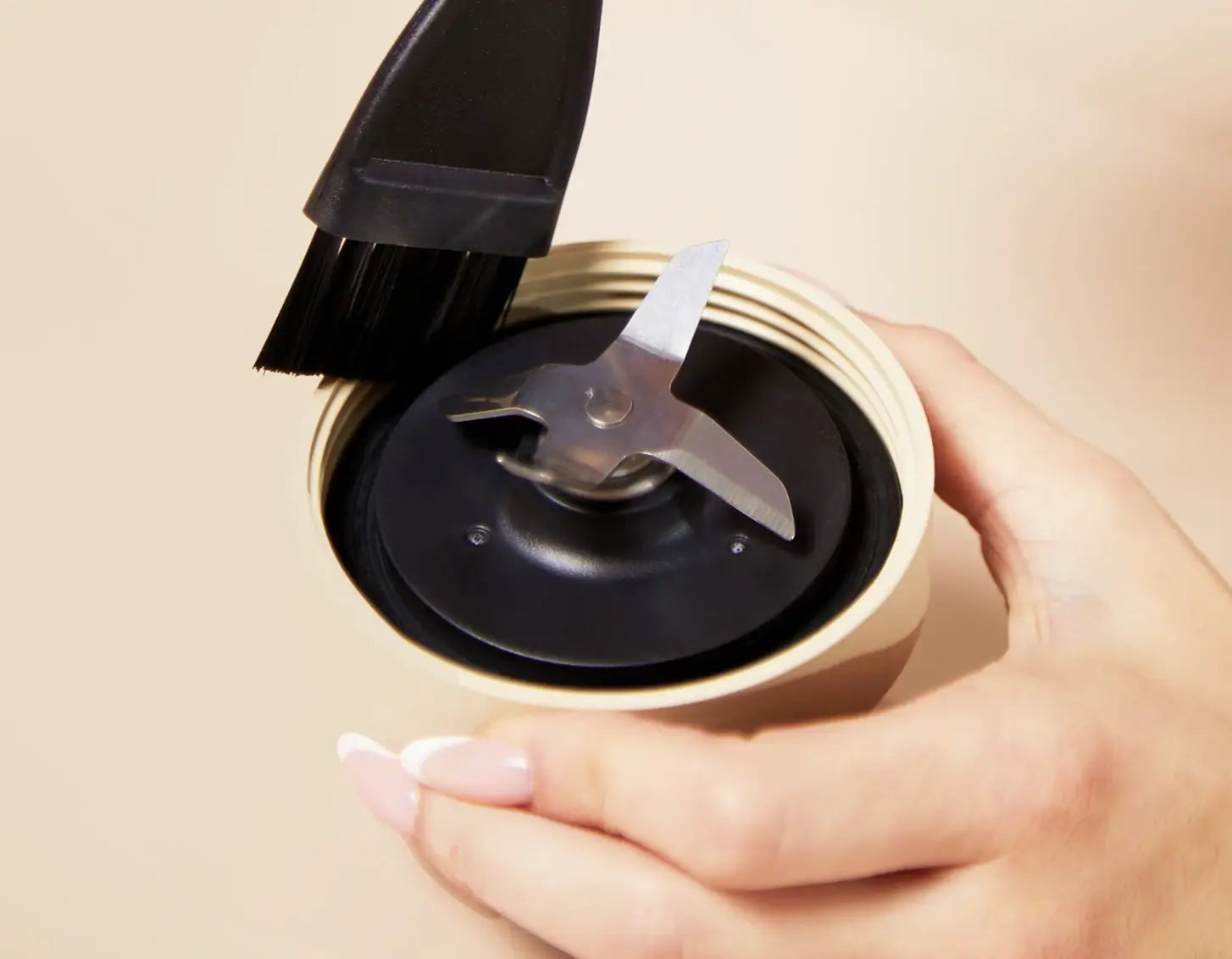
- Use a soft bottle brush or an old toothbrush to scrub along the blade edges and around the gasket.
- Hold the blade with a towel or glove and avoid direct fingers on the edge.
-
Rinse and inspect
- Rinse all soap away and inspect the blade, gasket, and threads for stuck residue.
- Repeat scrubbing if you see food trapped near the base.
-
Sanitize when needed
- For a deeper clean, soak the blade assembly in a mixture of one part white vinegar to three parts water for 10 minutes.
- Rinse thoroughly after sanitizing and air dry.
-
Dry and reassemble
- Dry the blade and parts with a clean towel or let them air dry fully.
- Reassemble only when everything is dry to prevent rust and mold.
These steps show how to clean Beast blender blade safely and effectively every time.

Deep cleaning and removing stubborn residue
For stubborn odors, grease, or stains, take extra steps to restore the blade.
-
Baking soda paste
- Make a paste of baking soda and water. Apply to the blade base and gasket, wait 5 minutes, then scrub gently.
- This helps lift stains without harsh chemicals.
-
Boiling water rinse (if manufacturer allows)
- Pour boiling water into the jar and over the blade base to dissolve sticky fats.
- Do not apply boiling water to plastic parts that may warp.
-
Lemon and salt scrub
- Sprinkle coarse salt on the blade and rub with a lemon half to cut grease and freshen smells.
- Rinse well after scrubbing.
-
Use a small nylon brush
- A slim brush reaches tight crevices around the blade hub where food hides.
- This tool is essential when you want to deep clean the way manufacturers recommend.
Always check your Beast blender manual before using hot water or acidic solutions on any parts. Deep cleaning keeps the blade safe and shows you exactly how to clean Beast blender blade when normal washing won't do.
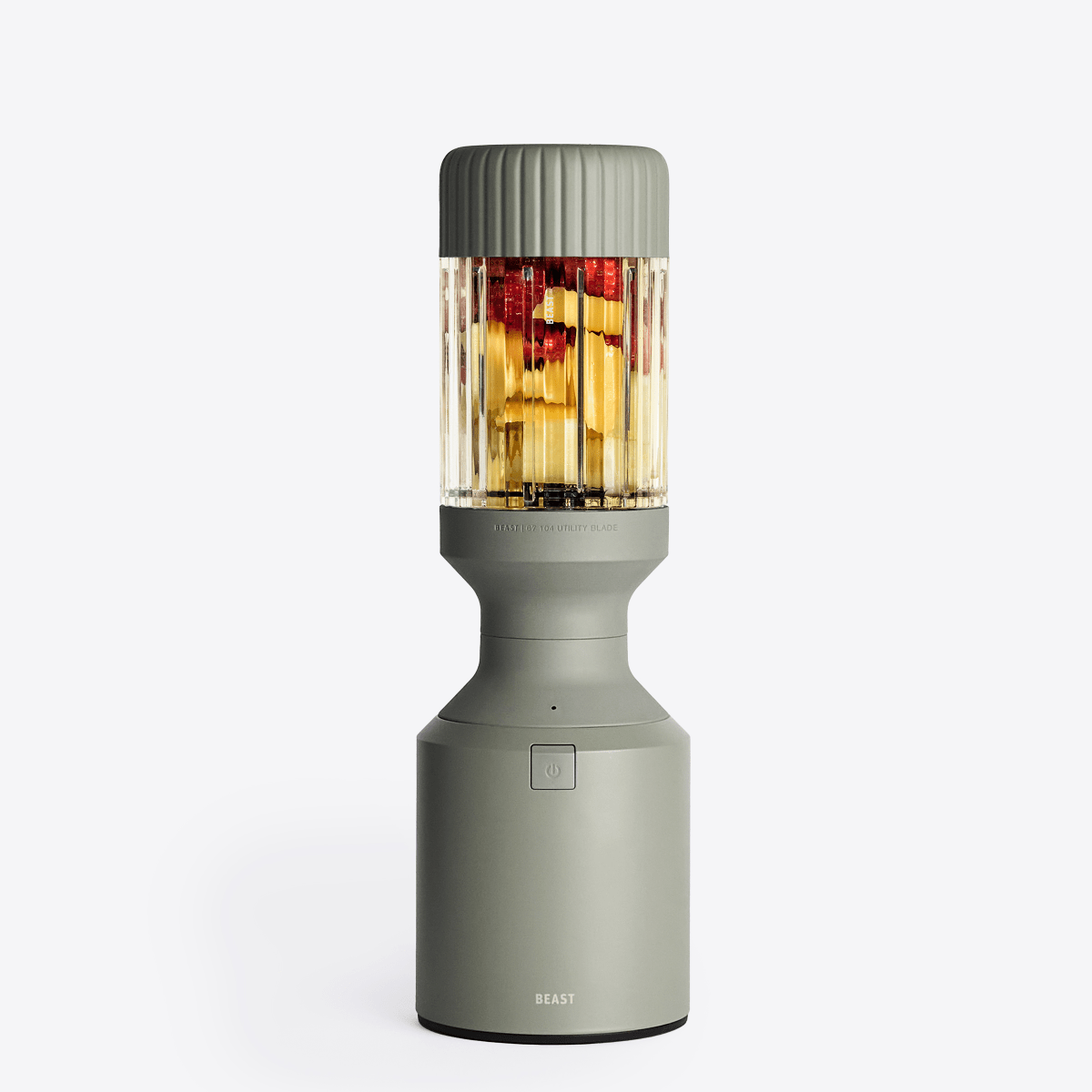
Maintenance tips to keep blade sharp and safe
Routine care extends blade life and helps you avoid frequent replacements.
-
Clean after each use
- Quick cleaning prevents buildup and makes how to clean Beast blender blade fast and simple.
-
Check gaskets and seals
- Replace worn gaskets to stop leaks and avoid food getting trapped under the blade.
-
Avoid hard objects
- Do not blend ice or bones without using the correct blade or settings, as this dulls the blade.
-
Dry fully
- Moisture causes rust. Always dry the blade and metal parts before storing.
-
Periodic sharpening or replacement
- If the blade loses performance, consider professional sharpening or OEM replacement parts.
- Keep records of usage; heavy use may need more frequent blade checks.
These maintenance moves make it easier to clean and keep the Beast blender blade working well.
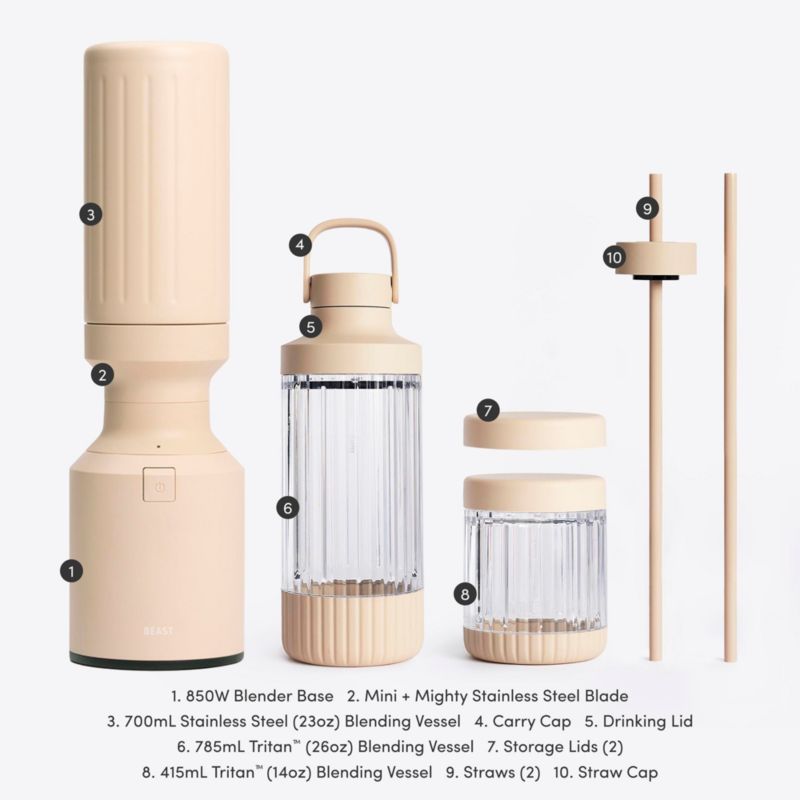
Troubleshooting and common mistakes
If cleaning goes wrong, these tips help you fix it.
-
Mistake: scrubbing with steel wool
- Steel wool can scratch and weaken the blade. Use non-abrasive pads instead.
-
Mistake: soaking motorized base
- Never submerge the base. That damages electronics and voids warranties.
-
Problem: lingering smell
- If odors remain, sanitize with a vinegar soak or a lemon-salt scrub and let parts air dry in sunlight.
-
Problem: blade assembly leaks
- Check the gasket and thread seal. Tighten or replace as needed and ensure proper assembly.
-
Problem: dull blade
- Test blade performance with a small load. If results are poor, sharpen or replace per manufacturer guidelines.
Knowing how to clean Beast blender blade well helps avoid these issues and keeps your blender safe and ready.
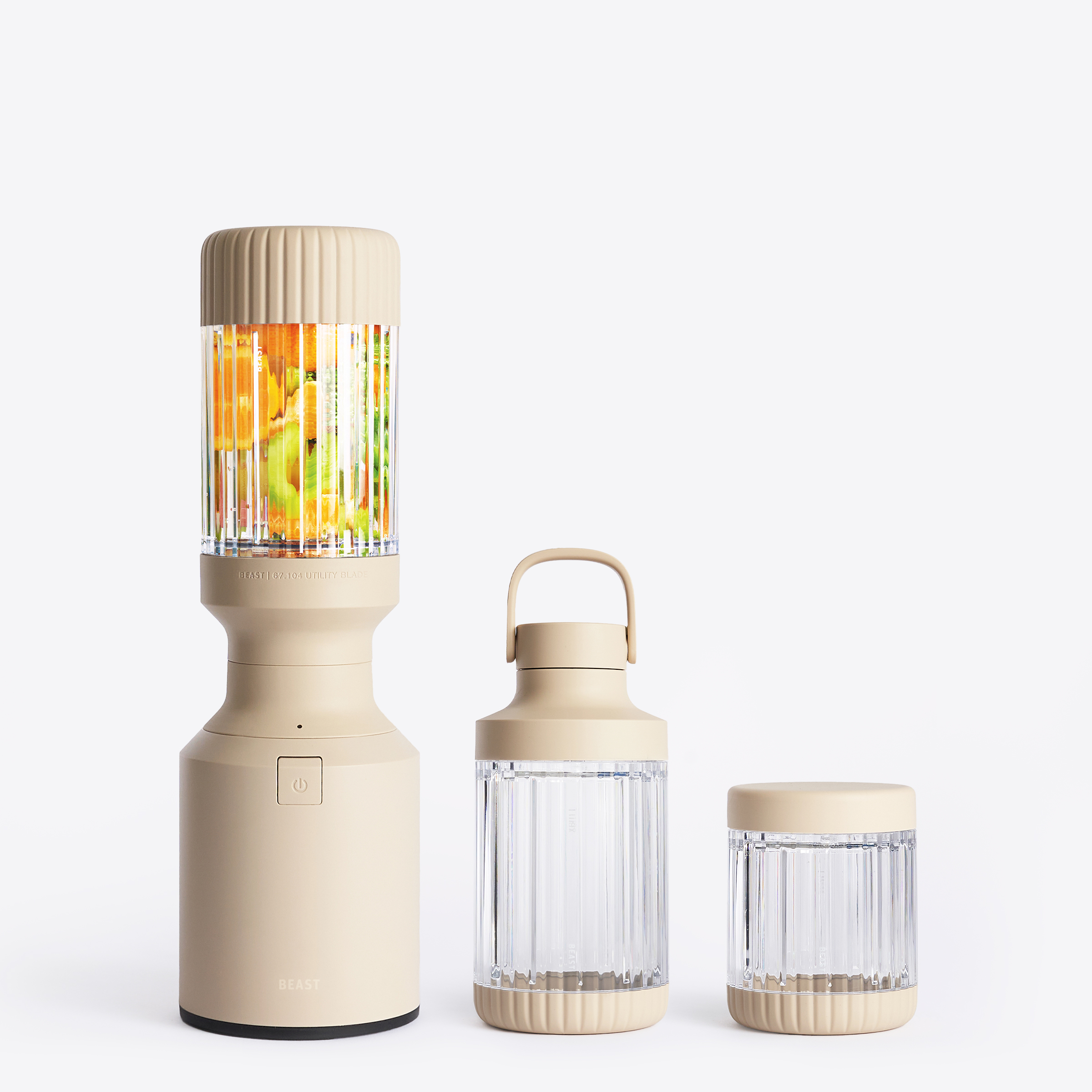
Frequently Asked Questions of how to clean beast blender blade
How often should I clean my Beast blender blade?
Clean the blade after every use for best results. Deep clean and sanitize weekly or after blending dairy, nut milks, or sticky ingredients.
Can I put the Beast blender blade assembly in the dishwasher?
Some Beast models allow dishwasher-safe parts, but check your manual first. If dishwasher-safe, place the blade on the top rack and avoid high-heat drying.
What is the safest way to handle sharp blades?
Unplug the blender and wear a thin cut-resistant glove or use a towel when holding the blade. Use brushes for scrubbing instead of fingers.
How do I remove rust from a blender blade?
Light rust can be scrubbed with baking soda paste and a soft brush, then rinsed and dried fully. Replace the blade if rust is heavy or pitting is present.
Can I use bleach to sanitize the blade?
Bleach is effective but harsh; use only a diluted solution and rinse thoroughly. Prefer milder sanitizers like vinegar when possible and follow safety guidance.
Conclusion
Regular, careful cleaning keeps your blender fresh, safe, and powerful. Use the step-by-step routine above to learn how to clean Beast blender blade after every use, and add deep cleaning and maintenance to prevent problems. Start today: clean your blade right after your next blend, replace worn seals, and comment below with your experience or questions — I’d love to hear what worked for you.