Most convection ovens fail due to simple electrical or component issues needing basic checks.
I’ve fixed many kitchen ovens and written guides for homeowners and pros. If your convection oven stopped working, this article walks you through causes, quick tests, safety checks, and when to call a technician. Read on for clear steps, real-life tips, and budgeting help so you can get cooking again fast.

How a convection oven works and what “stopped working” usually means
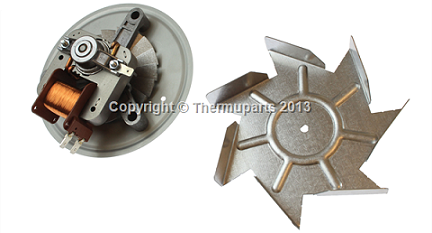
A convection oven uses a fan and exhaust to move hot air across food. This gives faster, more even cooking than a regular oven. When your convection oven stopped working, it can mean different things. It might not heat, the fan may fail, the controls may be dead, or the display could be blank. Understanding the parts helps you find the real problem.

Common causes when a convection oven stopped working
Here are the usual reasons a convection oven stopped working. They range from easy fixes to parts that need a pro.
- Power issues
- Tripped circuit breaker or blown fuse.
- Loose plug or damaged power cord.
- Control or display failure
- Faulty control board or touchscreen.
- Burned-out touchpad or loose ribbon cable.
- Heating element problems
- Burned or broken bake or broil element.
- Thermal fuse has tripped.
- Fan or motor failure
- Fan motor burned out or stuck.
- Fan blade loose or obstructed.
- Door or safety switches
- Door latch switch not sensing closure.
- Safety interlock preventing operation.
- Sensor and thermostat faults
- Temperature sensor or thermostat failed.
- Inaccurate readings cause oven to shut down.
- Wiring and internal component faults
- Loose connections, corroded terminals, or shorted wires.
- Control relays failing to switch power.
Quick safety checks before you start troubleshooting
Safety first. Use care and turn off power before touching parts.
- Check the circuit breaker
- Reset the breaker or replace a blown fuse.
- Inspect the plug and cord
- Look for cuts, burns, or loose prongs.
- Confirm gas supply if applicable
- Ensure the gas valve is open and pilot or igniter works.
- Turn off power at the panel for deeper checks
- Use a non-contact tester if you have one.

Step-by-step troubleshooting when your convection oven stopped working
Follow this simple path. Test one thing at a time. Stop if you feel unsure.
- Confirm power and display
- Is the oven display lit? If not, check breaker, outlet, and plug.
- Test basic functions
- Try bake or broil mode. Does anything heat?
- Listen for the fan
- If the fan does not spin, the fan motor or control may be the issue.
- Inspect elements
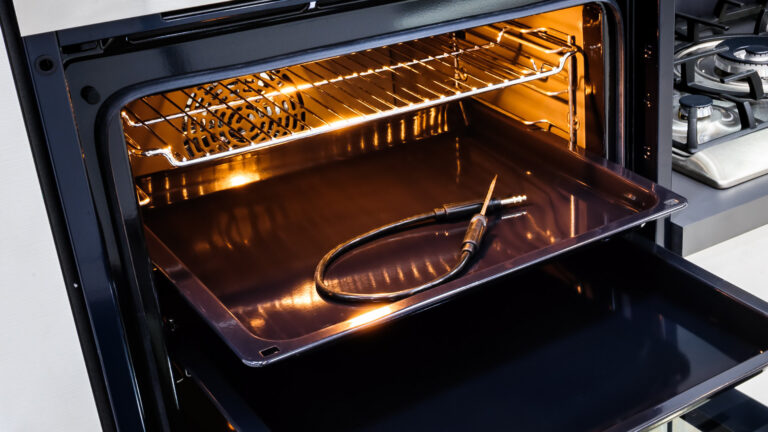
- With power off, look at bake and broil elements for breaks or burns.
- Check error codes
- Many ovens show codes. Write the code down and look it up in the manual.
- Test door switch and latch
- A faulty door switch will stop operation.
- Measure components (only if comfortable)
- Use a multimeter to test continuity on elements, sensors, and fuses.
- Reset or power cycle
- Turn off power for 5 minutes, then restore. Some control boards reset.
If the oven briefly heats then stops, the thermostat, thermal fuse, or control board may be faulty. If the fan runs but no heat happens, check elements and wiring.

When to call a technician
Some jobs are DIY friendly. Others need a pro. Call a certified repair technician if:
- You are uncomfortable working with live wiring or gas lines.
- The control board needs replacement.
- Error codes indicate complex electronics failure.
- You find burned wiring, melted parts, or strange smells.
- The oven is under warranty—don’t void it by opening it.
A pro can diagnose board faults, replace motors, and test gas components safely.

Cost, parts, and time to fix a convection oven stopped working
Costs vary by brand, age, and part needed. Expect rough estimates:
- Simple parts and DIY
- Thermal fuse, sensor, or door switch: $15–$60.
- Moderate repairs
- Fan motor or heating element: $50–$250.
- Major repairs and electronics
- Control board or complex wiring: $200–$600.
- Labor
- Service call and labor: $80–$200 per hour.
If repair costs approach the price of a new oven, compare long-term value. New ovens may add modern features and warranty protection.

Maintenance tips to prevent your convection oven from stopping
Good care cuts failures and extends life. Keep tasks simple and regular.
- Clean spills soon after cooling to prevent burnt-on grime.
- Check and tighten loose oven door hinges and screws yearly.
- Inspect the fan area and vents for blockages.
- Avoid using foil on the bottom; it can block airflow and cause heat issues.
- Run a diagnostic or self-clean cycle as recommended by the manual.
- Replace worn parts early, like door seals and elements.
These steps help avoid common failures and keep your convection oven working.

My experience fixing convection ovens (real tips and lessons)
I’ve repaired many ovens in home kitchens over 10 years. Here are real lessons I learned.
- Don’t jump to replace the board first
- I once replaced a control board only to find a loose wiring harness was the real culprit. Test cheap parts first.
- Clean fans gently
- A clogged fan motor often hums but won’t spin. Cleaning fixed it twice for me.
- Use the manual’s error code guide
- That saved me time more than once. Write down the code and model number before calling for help.
- Safety matters
- I always cut power at the breaker and verify with a tester. It prevents shocks and mistakes.
These small habits save time and money. Trust your senses: smell of burning, odd noises, and display errors tell a lot.
Troubleshooting checklist you can print
Use this short checklist when your convection oven stopped working.
- Check power: breaker, outlet, plug.
- Look for display or error codes.
- Test bake and broil elements for visible damage.
- Listen for fan and motor noise.
- Inspect door switch and latch.
- Run a manual reset by cutting power for 5 minutes.
- Call a professional if electronics or gas components look faulty.
Frequently Asked Questions of convection oven stopped working
Why does my convection oven display remain blank?
A blank display usually means no power. Check the circuit breaker, outlet, and power cord first. If power is present, the control board or display module may be faulty.
My fan runs but the oven won't heat. What should I check?
If the fan runs without heat, check the bake and broil elements and the temperature sensor for continuity. A failed heating element or open sensor often causes this issue.
The oven heats but shuts off mid-cycle. Why?
Mid-cycle shutdowns often point to a thermal fuse, thermostat, or control board issue. Overheating triggers safety cutoffs. Professional diagnosis is wise if this repeats.
Can I replace the heating element myself?
Yes, replacing a heating element is often a simple DIY job if you can turn off power and follow the manual. For gas ovens or electronic control issues, hire a technician.
Are error codes important when the convection oven stopped working?
Yes. Error codes give direct clues to the faulty part. Note the code and consult your manual or a technician for exact meaning.
Conclusion
You now have a clear map to diagnose and act when a convection oven stopped working. Start with safety checks, follow step-by-step troubleshooting, and call a pro for complex electrical or gas issues. Small fixes and regular care prevent many failures. Try the checklist, keep notes on error codes, and take action early—your oven will thank you with better, more reliable meals. If this guide helped, share your story, ask a question below, or subscribe for more easy appliance fixes.