Soak, rinse, then cook glutinous rice with a 1:1 water ratio in a rice cooker.
I’ve cooked sticky rice in home and professional kitchens for years, and I’ll show you how to cook sticky rice in a rice cooker so you get soft, glossy grains every time. This guide covers rice selection, soaking, exact water ratios, step-by-step cooking, troubleshooting, and tasty serving ideas — all based on hands-on experience and simple kitchen science. Read on to master sticky rice with confidence.
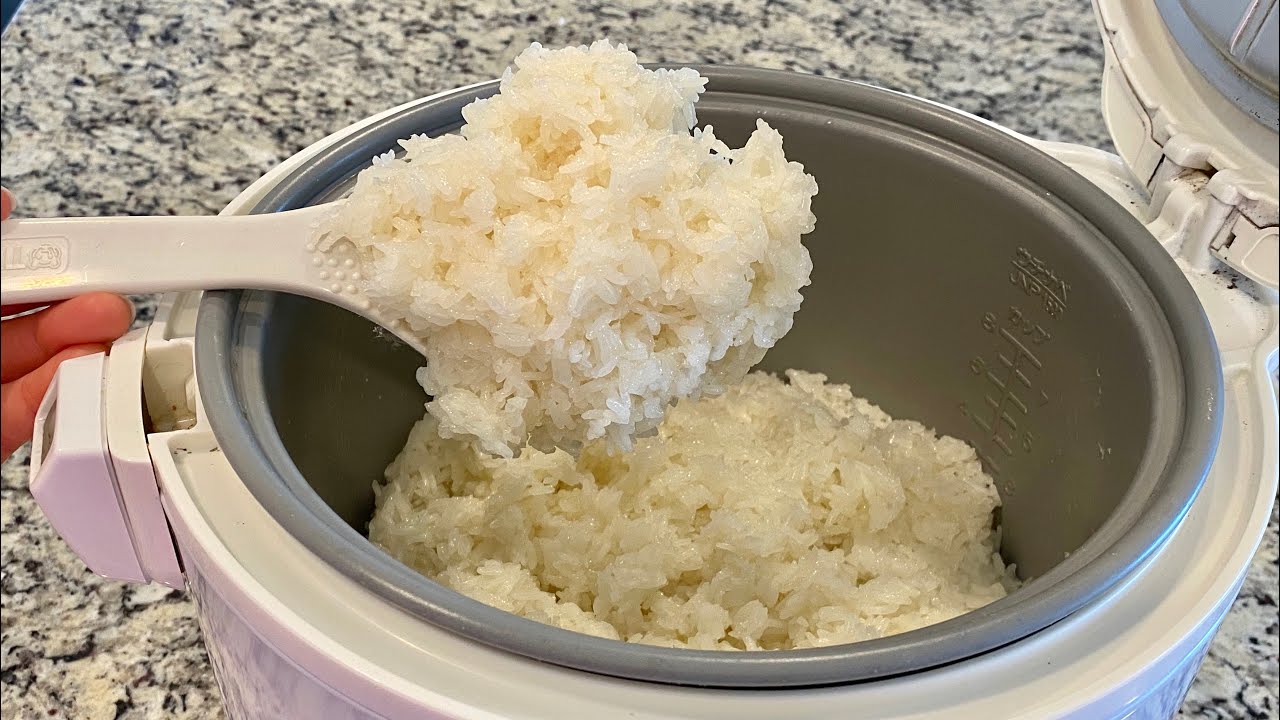
Why use a rice cooker for sticky rice?
A rice cooker makes sticky rice easy and consistent. It keeps temperature steady and frees you from stove-tending. I often reach for my rice cooker when I want hands-off results for dinners or desserts. Learning how to cook sticky rice in a rice cooker saves time and reduces guesswork, especially if you cook rice often.

What you need: ingredients and tools
- Glutinous rice (also called sticky rice or sweet rice). Use short- or medium-grain glutinous rice for the best texture.
- Clean water for rinsing and soaking.
- A rice cooker with a removable inner pot. A “sticky” or “porridge” setting can help, but is not required.
- A fine mesh sieve or bowl for rinsing.
- Steaming basket (optional) if you prefer traditional steaming inside the cooker.

Step-by-step: how to cook sticky rice in a rice cooker
- Measure rice. Use the cup that came with your rice cooker or a standard measuring cup. One cup dry rice typically serves two people.
- Rinse rice. Place rice in a bowl and add cold water. Swirl and drain. Repeat 3–4 times until the water runs mostly clear. Rinsing removes excess starch and prevents gummy clumps.
- Soak rice. Soak rinsed rice in clean water for 4–6 hours at room temperature, or overnight in the fridge. For a quick method, soak 30–60 minutes to soften the grains. Soaking is the key step to tender, sticky texture.
- Drain rice. After soaking, drain thoroughly in a sieve for a few minutes. Excess water changes the final texture.
- Add rice and water to the cooker. For most rice cookers, add soaked rice and use a 1:1 rice-to-water ratio by volume. If rice is unsoaked, add slightly more water — about 1:1.1 to 1:1.2.
- Cook. Close the lid and press the normal cook setting. If your cooker has a “sticky rice” or “steam” option, use it. Let the cooker complete its cycle.
- Rest. Once the cooker switches to “keep warm,” let the rice rest 10–15 minutes with the lid closed. This evens moisture and firms the grains.
- Fluff and serve. Use a wooden paddle or fork to gently fluff. Serve warm for the best texture.
I learned from trial and error that soaking time impacts the water you need. Longer soak means you can use a near 1:1 ratio and get perfect sticky rice each time.
:max_bytes(150000):strip_icc()/make-sticky-rice-in-rice-cooker-3217199-hero-02-90beca8ebad94497a1d5cc941d52fa1c.jpg)
Water ratios and measurements
- Soaked glutinous rice: 1 cup rice to 1 cup water by volume. Soaked rice holds water already, so you don’t need extra.
- Unsoaked glutinous rice: 1 cup rice to 1 ⅛–1 ¼ cups water. Add a little more to compensate for no soak.
- Weight method: 1 part rice (by weight) to 1 part water works well after a long soak.
- For steaming in a basket: use the same soaked rice amount but do not add water into the rice bowl; place rice in the basket and add water to the cooker reservoir per manufacturer directions.
Tip: If you like slightly firmer grains, reduce water by a teaspoon or two. If grains are too firm after cooking, add 1–2 tablespoons of hot water, close the lid, and let sit 5–10 minutes.

Troubleshooting common problems
- Rice too mushy. Cause: too much water or overcooked. Fix: reduce water next time and shorten rest time. Drain excess moisture quickly and let sit uncovered briefly.
- Rice too dry or hard. Cause: not enough water or insufficient soak. Fix: add a splash of hot water, close lid, let rest 10 minutes.
- Rice sticks to the pot. Cause: heat hotspot or no oil. Fix: rub a little neutral oil on the pot before adding rice or use a nonstick inner pot. Clean pot gently to avoid scratching.
- Uneven cooking. Cause: rice bed too thick or cooker not level. Fix: spread rice evenly and use correct quantities for your cooker size.
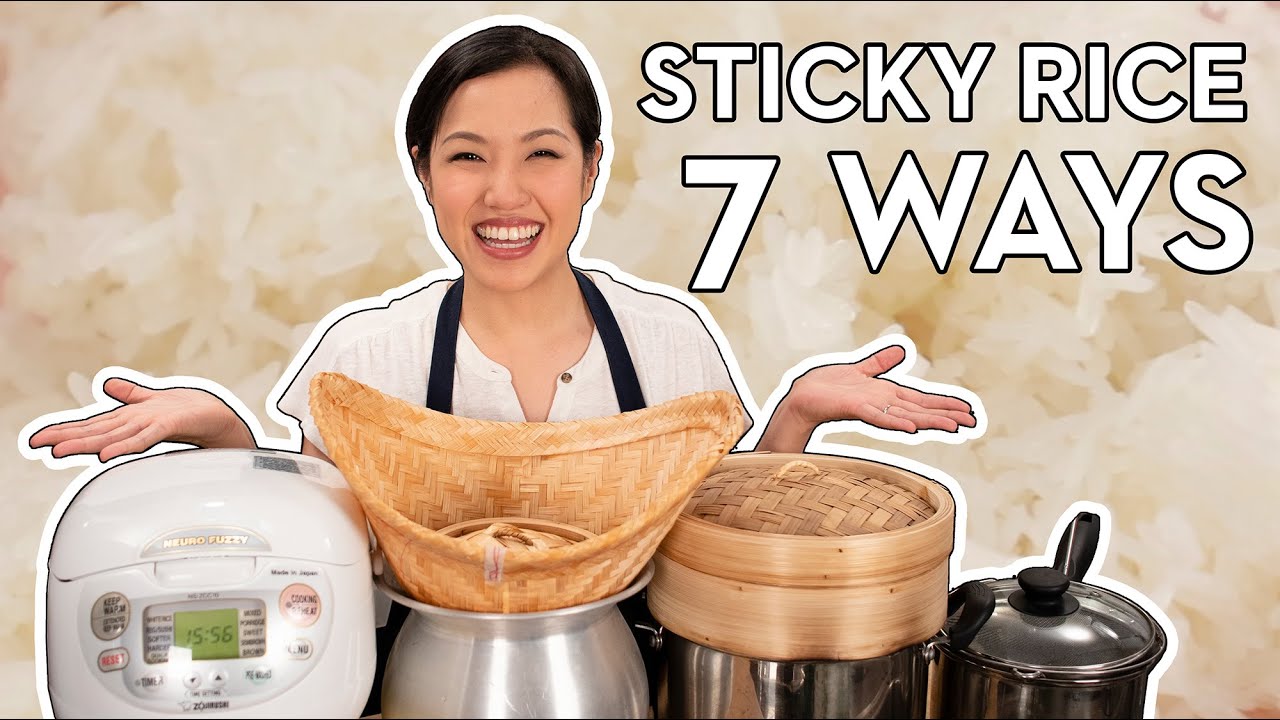
Variations and serving ideas
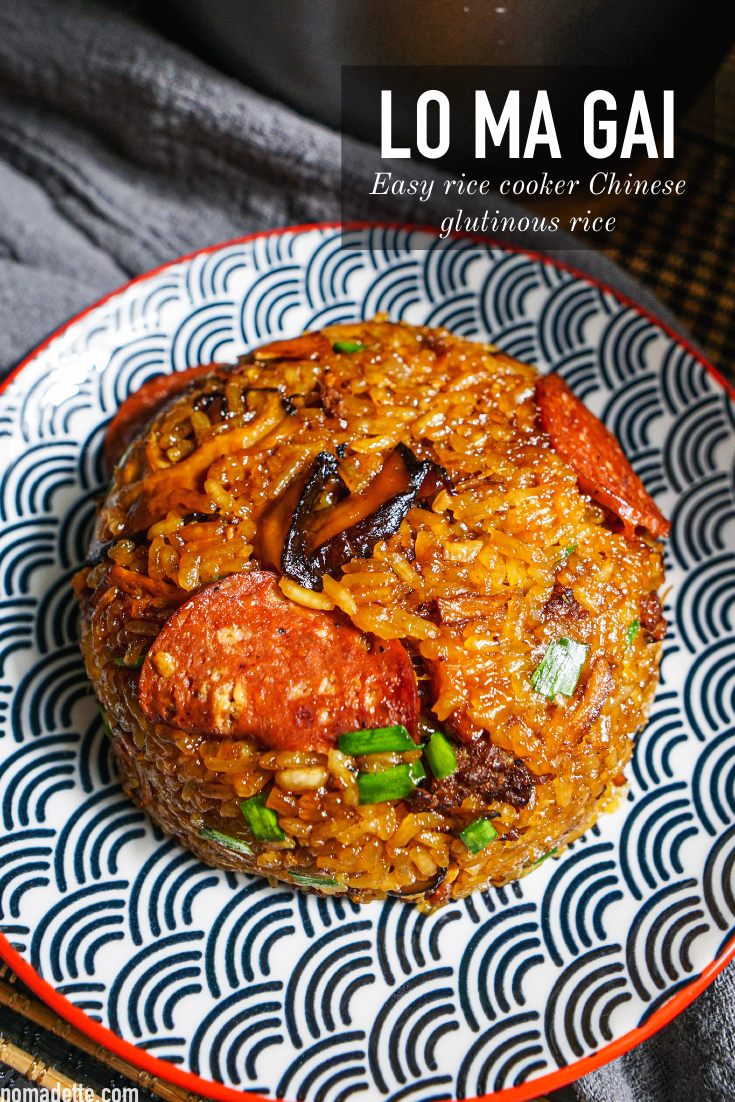
- Mango sticky rice: Fold warm sticky rice with sweetened coconut cream and top with fresh mango slices and toasted sesame seeds.
- Savory sticky rice bowls: Serve with grilled meats, herbs, and a drizzle of soy or fish sauce.
- Wrapped sticky rice: Form portions, wrap in banana leaf or plastic wrap for on-the-go snacks.
- Sweet add-ins: Mix toasted coconut, palm sugar, or chopped peanuts for texture and flavor.
These variations show how knowing how to cook sticky rice in a rice cooker opens creative meal options. I often double the batch for leftovers and transform them into several dishes the next day.
Storage and reheating
- Fridge: Store cooled sticky rice in an airtight container for up to 3 days.
- Freezer: Press rice into portions in a container or freezer bag. Freeze up to 1 month.
- Reheat in a rice cooker: Place frozen or chilled rice in the cooker, add a tablespoon or two of water per cup, and use the “reheat” or normal cook setting until steaming.
- Reheat in microwave: Sprinkle water over rice, cover with a damp towel, and microwave 30–60 seconds per serving.
Proper storage keeps texture intact. I label frozen portions with dates to avoid guesswork.

Tips from my experience
- Always rinse until water runs clear. It makes a visible difference.
- Soak longer when you have time. Overnight soaking yields the best texture.
- Scale batches to your cooker size. Overfilling causes uneven results.
- Use a wooden paddle to fluff; metal tools can smash grains.
- Experiment with a small test batch when trying a new rice brand or cooker model.
I once skipped soaking and ended with gluey rice for guests. That taught me the value of planning ahead.
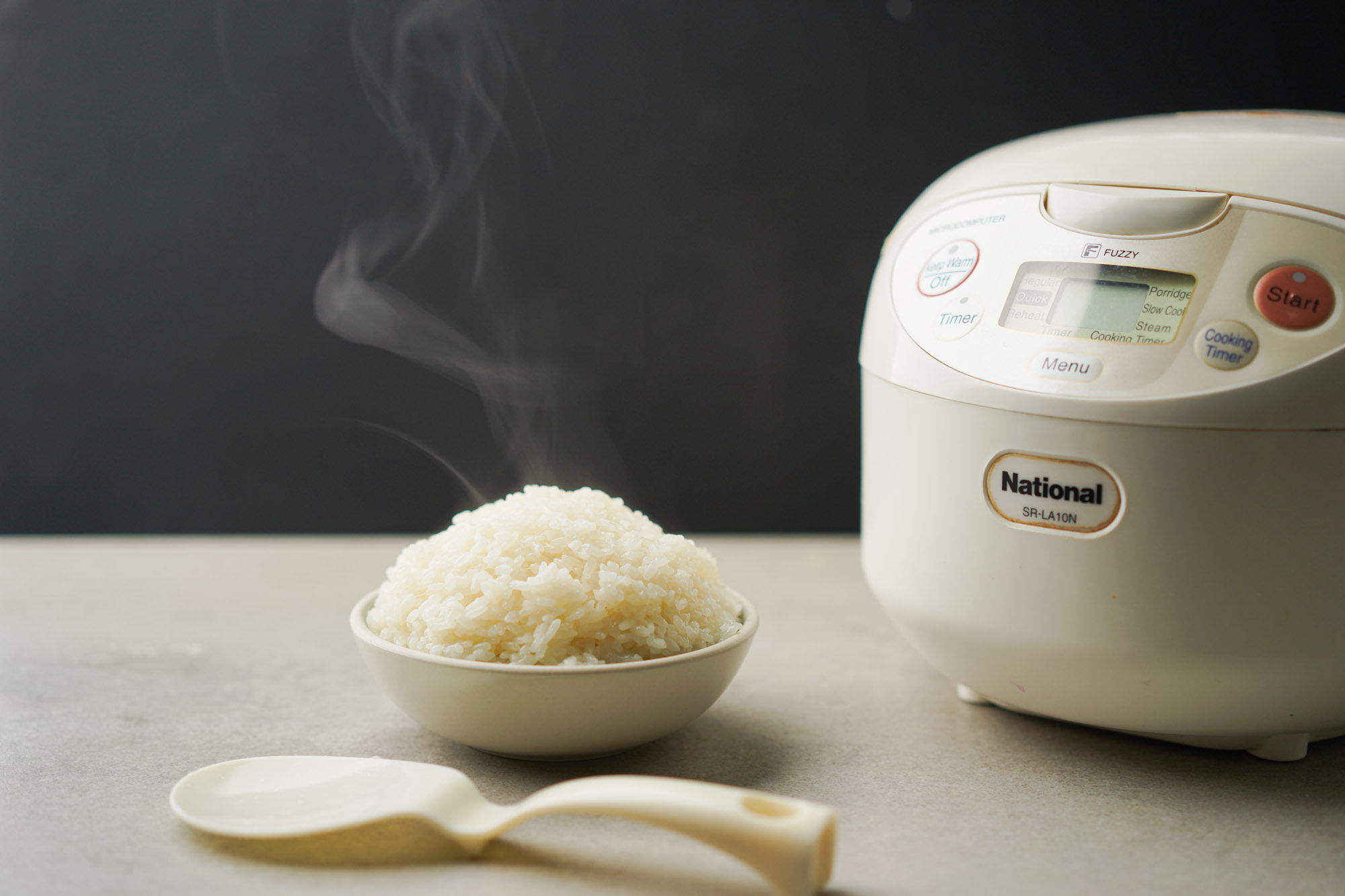
Frequently Asked Questions of how to cook sticky rice in a rice cooker
Can I use regular sushi rice to make sticky rice in a rice cooker?
You can, but sushi rice is not the same as glutinous rice. Sushi rice will be sticky but less elastic and not as traditionally chewy as true glutinous rice.
How long should I soak glutinous rice before cooking?
Soak for 4–6 hours for good results, or overnight for best texture. If short on time, 30–60 minutes helps but expect firmer grains.
What water ratio works best for sticky rice in a rice cooker?
Use a 1:1 rice-to-water ratio for soaked rice and about 1:1.1–1:1.25 for unsoaked rice. Adjust slightly for your cooker and rice brand.
My rice cooker doesn’t have a “sticky” function. Will it still work?
Yes. Use the standard cook setting and let the rice rest 10–15 minutes after the cycle ends. Resting mimics the effect of specialty settings.
Can I steam sticky rice in a rice cooker instead of placing it in the pot?
Yes. Place soaked rice in a steaming basket above water and steam per your cooker’s instructions for a more traditional texture and less chance of sticking.
Conclusion
Mastering how to cook sticky rice in a rice cooker is simple when you follow three basics: rinse, soak, and use the right water ratio. With short prep, consistent soaking, and a little practice, your rice cooker will yield soft, glossy sticky rice for desserts and savory meals. Try a small test batch today, note your favorite adjustments, and share your results or questions below — then explore more recipes using your new go-to sticky rice method.