Most microwaves stop working due to a blown fuse or a faulty magnetron.
If your microwave oven stopped working, you’re in the right place. I’ve repaired and tested many household microwaves and written guides for homeowners. This article explains why a microwave oven stopped working, how to diagnose the issue safely, simple DIY fixes, when to call a pro, and how to avoid future failures. Read on for clear steps, real tips from hands-on experience, and practical advice to get your microwave working again or decide whether replacement makes sense.

How a microwave oven stopped working: quick overview
A microwave oven stopped working for many reasons. Sometimes the unit shows no power. Other times it powers on but won’t heat. This section gives a short overview of the most common patterns you will see and what they likely mean.

Common causes of microwave oven stopped working
A microwave oven stopped working for these common reasons. Understanding each cause helps you pick the right fix.
- Blown internal fuse. The fuse protects the unit from surges and can fail if something shorts.
- Faulty door switch or latch. Microwaves won’t run if the door sensors fail for safety.
- Magnetron failure. The magnetron generates heat; if it dies, the oven powers on but won’t heat.
- Bad high-voltage diode or capacitor. These parts work with the magnetron to create heat energy.
- Control board or display failure. Electronic faults can stop the unit from responding.
- Power supply issues. A tripped breaker or bad outlet can make it seem like the microwave stopped working.

Source: reddit.com
Simple diagnostics when your microwave oven stopped working
Safety first. Unplug the microwave before opening it or touching internal parts. If you are not comfortable, skip DIY and call a professional.
- Check power and outlet.
- Test the outlet with another device or a plug-in tester.
- Reset the breaker or try a different circuit.
- Inspect the door and switches.
- Close the door firmly and listen for a click.
- If the oven doesn’t start, the door switch may be faulty.
- Look for obvious signs.
- Burn marks, strange smells, or blown fuses inside the unit are clues.
- Test basic functions.
- Try the light, the turntable, and the timer. If the light works but no heat, suspect magnetron or high-voltage parts.
If these checks don’t point to a clear issue, the microwave oven stopped working likely due to internal high-voltage components. That requires a trained technician.
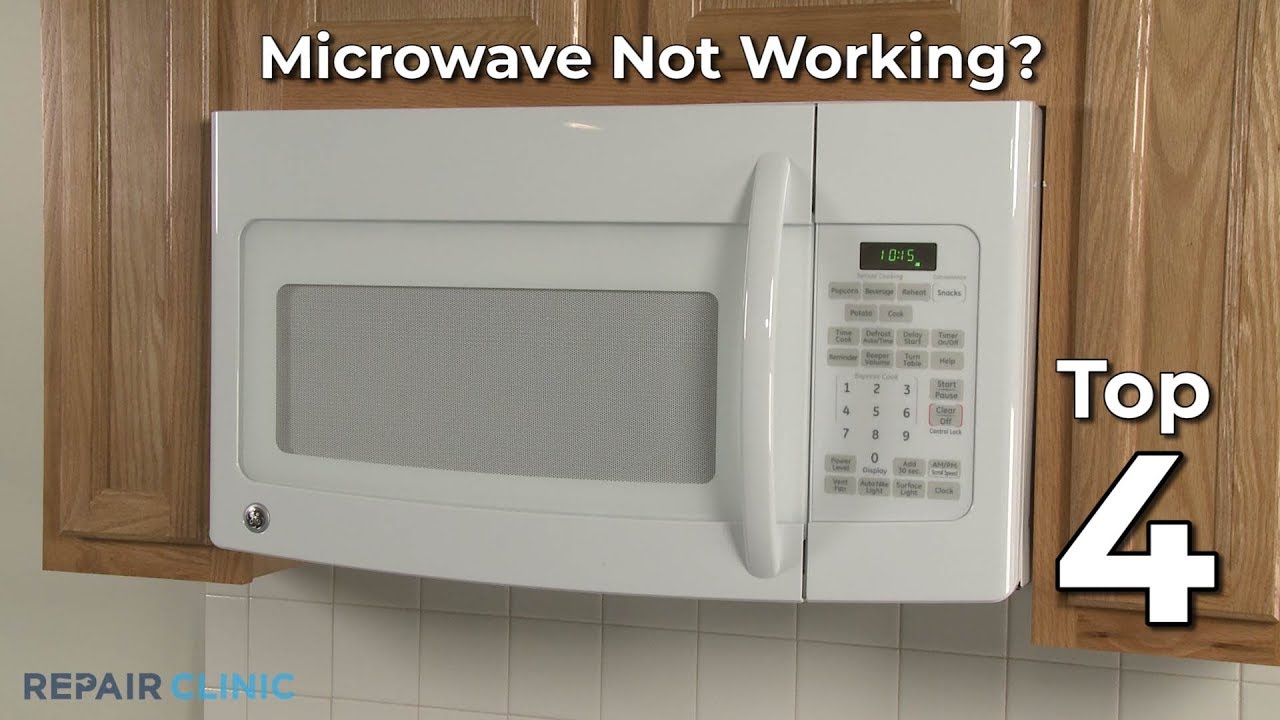
DIY fixes when a microwave oven stopped working
Some fixes are simple and safe for a homeowner. Never touch the high-voltage parts if you don’t know what you’re doing.
- Reset power and replace a tripped breaker.
- Simple and often effective if the outlet is the problem.
- Replace a blown external fuse.
- Some models have an easily accessible fuse. Use the exact replacement type.
- Test and replace the door switch.
- Door switches are affordable and often fix "won’t start" problems.
- Clean the door seals and contacts.
- Dirt or debris can stop the door from closing properly.
- Replace the turntable motor or relay.
- If the plate won’t turn, it can make the unit seem broken.
Avoid DIY when the problem involves the magnetron, high-voltage diode, or capacitor. These parts hold a dangerous charge even when unplugged. If the microwave oven stopped working and internal parts look burned or smell like ozone, stop and call a pro.
When to call a professional for microwave oven stopped working
A professional is the right choice when the repair is risky or costly.
- High-voltage components show wear.
- Magnetron, capacitor, and diode repairs are dangerous and complex.
- You smell burning or see smoke.
- These signs require immediate professional attention.
- The unit is under warranty.
- Licensed service may be required to keep the warranty intact.
- The repair compares close to replacement cost.
- If parts plus labor are high, a new microwave might be smarter.
A qualified appliance technician can test serious faults safely. If you’re unsure, calling a pro prevents injuries and further damage.

Preventive maintenance to avoid microwave oven stopped working
Good habits extend a microwave’s life and reduce the chance it stops working.
- Keep it clean inside and out.
- Wipe spills quickly and clean the cavity monthly to avoid sparking.
- Avoid metal or foil inside the oven.
- Metal causes arcing and can damage the magnetron.
- Don’t run the microwave empty.
- Running empty can overheat internal parts and cause failure.
- Use the right containers.
- Only microwave-safe glass, ceramic, and labeled plastics.
- Check vents and airflow.
- Blocked vents cause overheating and stress on the fan and components.
Consistent care helps prevent the common reasons a microwave oven stopped working.
Cost, parts, and replacement decisions when your microwave oven stopped working
Deciding whether to repair or replace depends on age, cost, and safety.
- Typical repair costs.
- Small parts and labor can range from modest to high depending on the fault.
- Replacement cost ranges.
- Countertop microwaves are often inexpensive, while built-in models cost much more.
- Age matters.
- If the microwave is older than 7–10 years, replacement is often best.
- Safety and efficiency.
- New models use less energy and include improved safety features.
Factor in the cost of parts, labor, and how long you want the appliance to last. If a repair is more than half the cost of a new unit, replacement is usually the better option.

Personal experience and lessons learned about microwave oven stopped working
I once fixed a microwave that showed full power but would not heat. The problem was a burned diode. Replacing the diode solved it, and the unit ran for years after. I also learned that checking the outlet first saves time and avoids unnecessary repairs. When I tried to fix a magnetron without proper tools, I almost damaged the chassis and had to call a pro. That taught me to respect high-voltage parts and to choose safety over saving a bit of money.

Frequently Asked Questions of microwave oven stopped working
Why did my microwave oven stop working suddenly?
Most sudden stops come from a blown fuse, tripped breaker, or a failed door switch. Check power and door operation first before opening the unit.
How do I know if the magnetron is bad?
If the microwave turns on but won’t heat, the magnetron or high-voltage parts are likely bad. A tech can test the magnetron safely to confirm.
Can I fix a microwave oven stopped working myself?
You can fix simple issues like fuses, door switches, or the outlet. Avoid DIY for magnetrons, capacitors, or high-voltage components due to shock risk.
How much does it cost to repair a microwave oven stopped working?
Minor repairs may cost a small part plus labor, while high-voltage repairs can be expensive. Costs vary by model and region, so get a quote before deciding.
Is it worth repairing an old microwave oven stopped working?
If the microwave is more than 7–10 years old or repair costs approach replacement price, it is often better to replace it. New models are more efficient and safer.
What if my microwave oven stopped working but the light and fan run?
When the light and fan run but no heat occurs, the problem is usually in the heating system: magnetron, diode, or capacitor. This is a sign to call a professional.
Conclusion
A microwave oven stopped working can be a simple fix or a sign of a serious fault. Start with safe checks: power, door, and visible issues. Use DIY fixes only for basic parts and call a technician for high-voltage or complex failures. Keep your microwave clean and use it properly to avoid future problems. Take action now: test your outlet, check the door, and if needed, get a repair quote or choose a reliable replacement. Leave a comment with your microwave model and symptoms if you want specific advice.