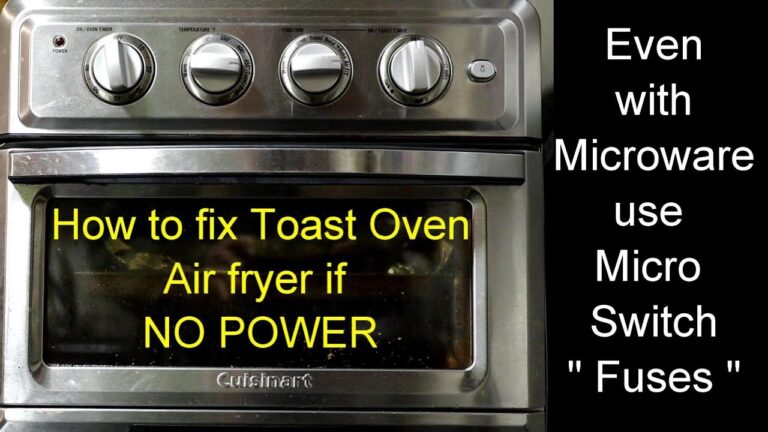
Most toaster ovens stop working due to power problems, faulty heating elements, or blown fuses.
I’ve fixed and tested dozens of small kitchen appliances, so I know how frustrating it is when a toaster oven stopped working. This guide explains why that happens, how to troubleshoot safely, when to repair or replace, and practical tips to keep your oven working longer. Read on for clear steps, real-life fixes, and simple checks you can do right now.

How a toaster oven works: quick basics and key parts
A toaster oven is a small countertop oven that uses one or more heating elements to bake, broil, or toast. It has controls for temperature and time, a thermostat or sensor, and safety parts like thermal fuses or cutouts. The main parts to know are the power cord and plug, internal heating elements, thermostat or control board, timer, and safety fuses.
Knowing these parts helps you spot why a toaster oven stopped working. For example, if the cord is fine but no light comes on, the problem could be the control board or a blown fuse. If lights work but no heat, the heating element or thermal fuse often fails.

Common reasons a toaster oven stopped working
Here are the typical causes you’ll see when a toaster oven stopped working:
- Power supply issues
- Tripped circuit breaker, loose plug, or outlet failure can cut power.
- Faulty heating elements
- Burned out coils mean the oven lights up but won’t heat.
- Blown thermal fuse or thermostat
- Safety parts will shut power to prevent fire if the oven overheats.
- Control board or timer failure
- Digital controls can fail while mechanical models may stick.
- Door switch or latch problems
- Some ovens won’t run if the door switch is broken.
- Wiring or connector issues
- Inside wires can come loose from vibration or age.
- Burnt wiring or smell of electrical burning
- Indicates a serious internal short; stop using it immediately.
When a toaster oven stopped working, start by isolating power and checking simple things like the outlet. That saves time and avoids unnecessary repairs.

Troubleshooting checklist: step-by-step and safe checks
Follow these steps when your toaster oven stopped working. Stop and unplug before any internal checks.
- Check power first
- Confirm the outlet works with another device.
- Reset the circuit breaker or GFCI if needed.
- Inspect the plug and cord
- Look for burns, frays, or loose prongs.
- Try a different outlet
- This rules out a household wiring issue.
- Check basic controls
- Set time and temp and listen for clicks. If nothing happens, controls may be bad.
- Look at heating elements
- With the oven off and cooled, inspect coils for breaks or discoloration.
- Test door switch and safety features
- Some ovens won’t run if door microswitches fail.
- Smell for burning or see scorch marks
- If present, do not power the oven again. Seek professional help.
- Replace simple parts
- Fuses, thermostats, and door switches are often replaceable parts.
- Use a multimeter if comfortable
- Check for continuity on fuses, heating elements, and switches.
- When in doubt, call a pro
- If the control board or internal wiring is suspect, get a certified repair.
Keep safety first. If you are not confident with electrical checks, it’s better to stop and call a technician.

Repair options and cost considerations
When a toaster oven stopped working, you have three main options: DIY repair, professional repair, or replacement.
- DIY repair
- Good for simple fixes like replacing a plug, fuse, or element.
- Parts are affordable; labor is free if you do it safely.
- Professional repair
- Best for control boards, complex wiring, or if you prefer a warranty on labor.
- Cost can range from modest to near replacement price on cheaper models.
- Replacement
- For older or low-cost ovens, replacing is often cheaper than major repairs.
- Consider efficiency, warranty, and modern features when replacing.
Cost examples (estimates):
- Replacement thermal fuse or thermostat: low cost for parts.
- Heating element: moderate cost and simple swap.
- Control board or display replacement: higher cost and labor.
If your oven still has warranty coverage, check the manufacturer first. Warranty repairs can save money and ensure genuine parts.

How to choose parts and tools for safe fixes
If you decide to repair when a toaster oven stopped working, choose the right parts and tools.
- Tools to have
- Screwdrivers, pliers, a multimeter, and insulated gloves.
- Parts to source
- Exact model heating elements, thermal fuses, door switches, and replacement cords.
- Tips for ordering
- Match model number and part numbers exactly.
- Buy parts with a return policy in case they don’t fit.
- Safety gear
- Always unplug, let the oven cool, and discharge capacitors if present.
Using the correct parts keeps the oven safe and helps avoid repeat failures.

Preventive maintenance to avoid future failures
Regular care helps prevent a toaster oven stopped working in the future. Try these easy habits:
- Clean crumbs and grease weekly
- Crumbs under racks can burn and cause smells or fires.
- Avoid foil that blocks airflow
- Foil can warp heat and stress parts.
- Use correct cookware and avoid metal-on-heating element contact
- Direct contact can damage elements.
- Check cord and plug periodically
- Replace if frayed or warm while in use.
- Don’t overload the oven
- Overwork can strain elements and internal parts.
Small steps keep your oven reliable and safe.

When to replace rather than repair
Replace your toaster oven if any of the following apply:
- Repair cost approaches or exceeds replacement price.
- Multiple parts are failing or the control board is damaged.
- The unit is more than 8–10 years old and shows signs of wear.
- Safety concerns exist such as burned wiring or persistent electrical smell.
A newer model may offer better energy use, more features, and a fresh warranty. If you value time and safety, replacement is often the practical choice.
Personal experience: lessons from repairs and tests
I’ve repaired many toaster ovens in home setups and rentals. One common story: a tenant reported a toaster oven stopped working with a faint click but no heat. I checked the outlet first, then found a burned thermal fuse. Replacing that fuse fixed it. Lesson learned: always start with power and simple parts.
Another time a unit powered on but elements did not glow. The control board was dead. Repair costs were high, so the owner replaced the oven. Lesson learned: know when repairs become inefficient.
My practical tips:
- Keep the manual and model number in a drawer.
- Take photos before disassembly to ease reassembly.
- Try simple fixes first, but don’t ignore safety signs like burning smells.
Frequently Asked Questions of toaster oven stopped working
Why did my toaster oven stopped working suddenly?
A sudden stop usually points to power issues, a tripped breaker, or a blown internal fuse. Check the outlet, cord, and reset any GFCI or breaker first.
Can I fix a toaster oven that stopped heating?
Often yes, if the heating elements or thermostats failed. Replacing elements is a common DIY job if you are comfortable with basic tools.
Is it safe to keep using a toaster oven that stopped working intermittently?
No. Intermittent power or smells of burning suggest wiring or control faults. Stop using the oven and have it inspected to avoid fire risk.
How long do toaster ovens typically last before they stop working?
Good models can last 5 to 10 years with care. Heavy use or poor upkeep can shorten life to 2 to 4 years.
What should I check first when a toaster oven stopped working?
Start with the outlet, plug, and circuit breaker. Then inspect the cord and controls before opening the unit.
Conclusion
When a toaster oven stopped working, the path forward is clear: check power and simple parts first, follow safe troubleshooting steps, and weigh repair costs vs replacement. Small fixes like replacing a fuse or element can often restore service, while major control board failures may point to replacement. Use routine maintenance to reduce risk and extend life. Try the basic checks today, keep safety in mind, and comment below if you want help diagnosing your exact model.