Cook rice on the stove using the absorption or boiling method with correct rice-to-water ratios.
I’ve taught home cooks and tested techniques in my own kitchen for years, so this guide on how to cook rice without a rice cooker will give you clear, reliable steps for fluffy rice every time. You’ll get simple ratios, step-by-step methods, troubleshooting tips, flavor ideas, and real-life tips I learned the hard way.
What you’ll need: Ingredients and basic tools
Start simple. To learn how to cook rice without a rice cooker you only need a few items most kitchens already have.
- Rice: white long-grain, short-grain, jasmine, basmati, or brown
- Water: filtered or tap is fine
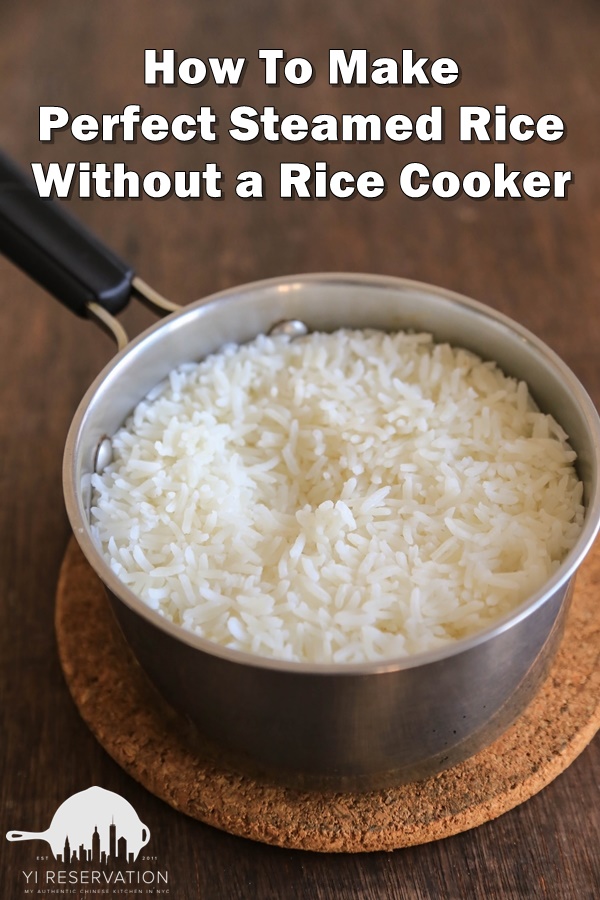
- Medium or heavy-bottomed pot with a tight-fitting lid
- Measuring cup
- Fine-mesh sieve or bowl for rinsing
- Fork for fluffing
Optional helpful tools:
- Timer
- Kitchen scale for precise ratios
- Thermometer if you like exact temps
Rice quality and pot fit matter. A heavy pot gives even heat. A snug lid keeps steam in. These small choices improve results when you cook rice without a rice cooker.
Understanding rice types, texture goals, and water ratios
Different rice types need different water and times. Knowing the variety helps you choose the best method for how to cook rice without a rice cooker.
- White long-grain (regular): 1 cup rice to 1.5–1.75 cups water. Light, separate grains.
- Jasmine: 1 cup rice to 1.25–1.5 cups water. Soft and slightly sticky.
- Basmati: 1 cup rice to 1.5 cups water. Fragrant with separate grains.
- Short-grain sushi rice: 1 cup rice to 1.1–1.25 cups water. Sticky and tender.
- Brown rice: 1 cup rice to 2–2.5 cups water. Chewy, nutty flavor.
Why ratios matter: Too little water undercooks the center; too much makes the rice mushy. Adjust by a few tablespoons the first few tries until you find your stove’s sweet spot.
Method 1 — Absorption (stovetop) — the classic way
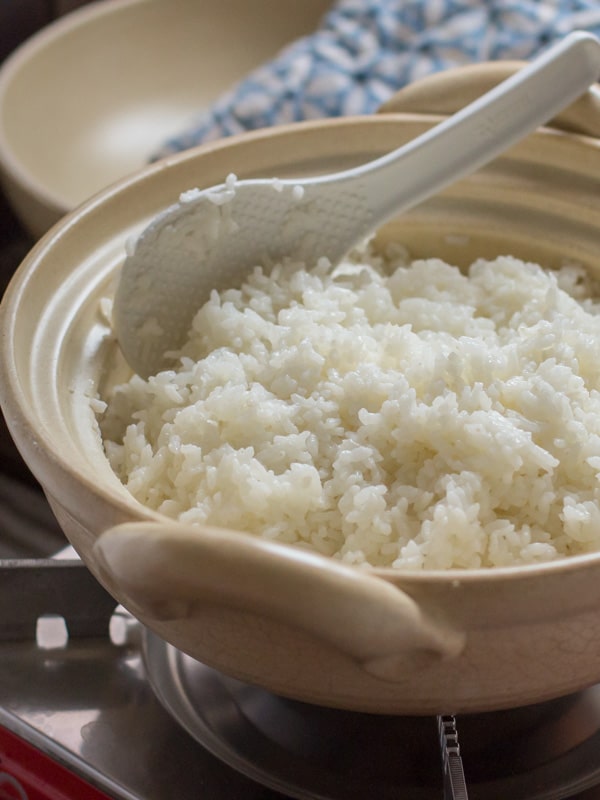
This is the easiest method for consistent, fluffy rice. It’s ideal when you want hands-off cooking and perfect texture.
Steps:
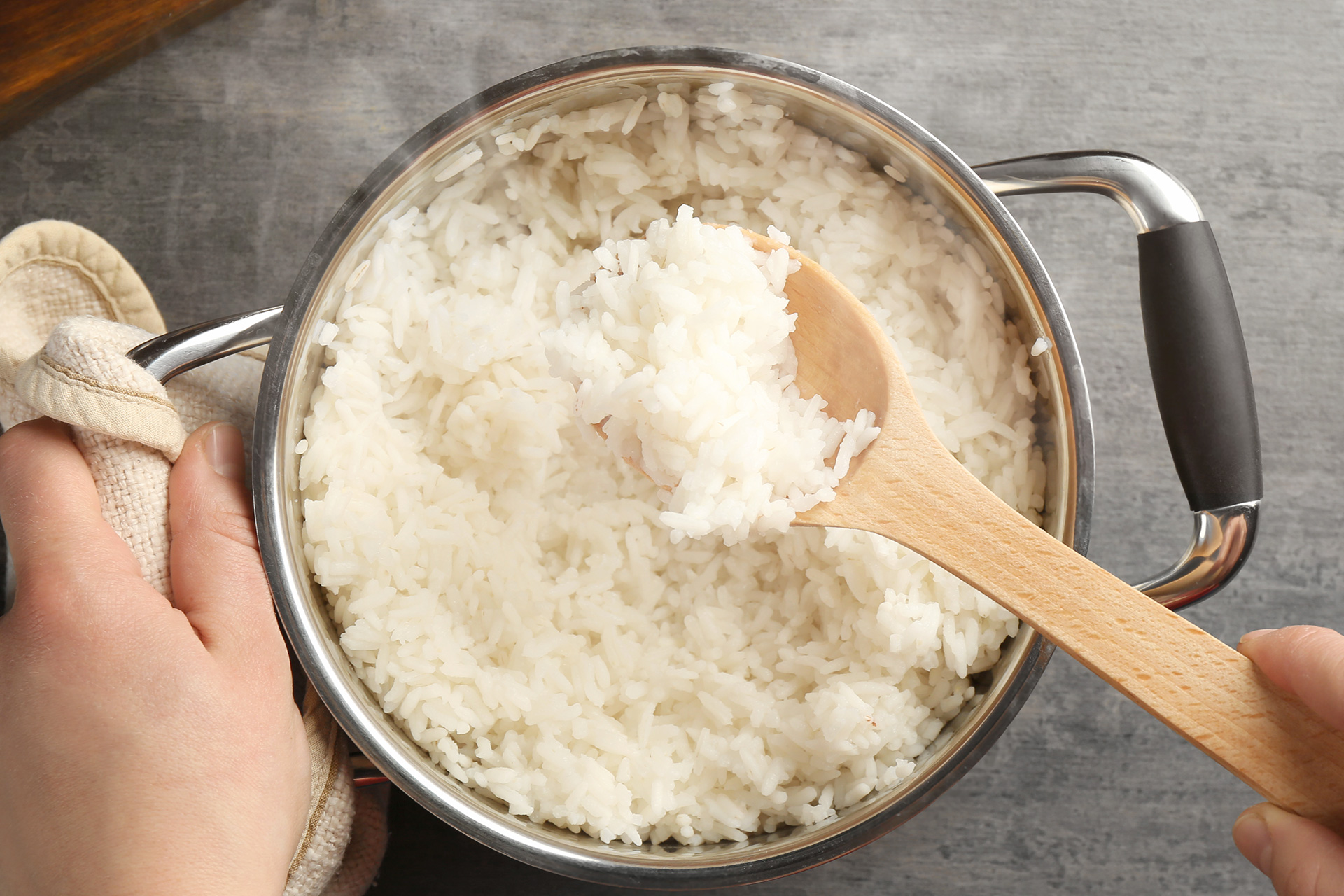
- Measure rice and rinse under cold water until water runs clear. Rinsing removes surface starch that causes clumping.
- Combine rice and measured water in a pot. Add a pinch of salt and 1 tsp oil or butter if you like.
- Bring to a full boil over medium-high heat, uncovered.
- Once boiling, reduce heat to the lowest simmer and cover with a tight lid.
- Cook without lifting the lid: white rice 12–18 minutes, jasmine 12–14, basmati 15–18, brown rice 35–45.
- Turn off heat and let rice sit, covered, for 10 minutes to finish steaming.
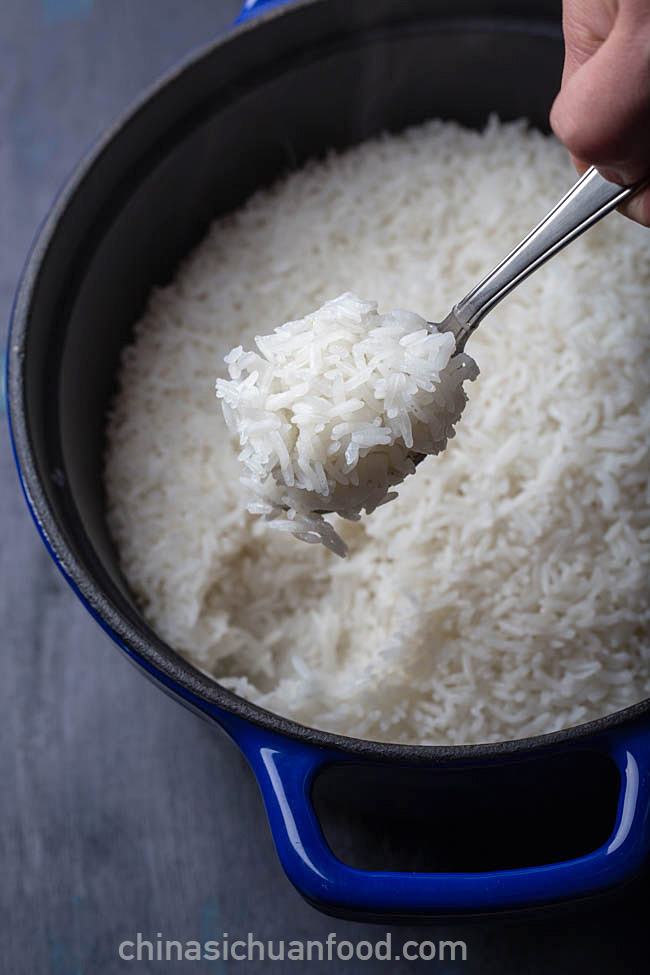
- Fluff gently with a fork before serving.
Tips:
- Use the exact ratio for your rice type. Small adjustments are normal by stove and pot.
- Do not stir while cooking; stirring releases starch and makes rice gummy.
This method is how to cook rice without a rice cooker if you want reliable, fluffy results.

PAA-style question: How long should I let rice rest after cooking?
Let cooked rice rest covered for 10 minutes. The steam evens out moisture and firms the grains.
PAA-style question: Should I rinse rice before cooking?
Yes, rinse rice under cold water until the water runs clear to remove extra starch and prevent clumping.
Method 2 — Boil-and-drain (pasta style) — fast and forgiving
If you’re worried about ratios or want large batches, use the boil-and-drain method.
Steps:
- Boil a large pot of salted water (about 6 to 8 cups water per cup rice).
- Add rice and stir once to prevent sticking.
- Boil uncovered for 8–12 minutes for white rice, 12–20 for brown, until grains are tender but not mushy.
- Drain in a fine-mesh sieve and return rice to the pot.
- Cover and let rest 5–10 minutes. Fluff and serve.
Benefits:
- Less chance of undercooking.
- Great for large batches or unpredictable stoves.
This method is a smart answer for how to cook rice without a rice cooker when you need flexibility.
Method 3 — Microwave method (quick, small batches)
Microwaving works well for 1–2 servings and when you’re short on time or cookware.
Steps:
- Rinse 1 cup rice and place in a microwave-safe bowl with 1.5–1.75 cups water for white rice.
- Cover with a microwave-safe lid or plate with a small vent.
- Microwave on high for 10–12 minutes for white rice, or 15–20 minutes for brown rice, checking once near the end.
- Let stand covered 5–10 minutes, then fluff.
Notes:
- Microwave power varies; check at the low end first to avoid boil-overs.
- Use a larger bowl to prevent spills.
The microwave is a handy way to cook rice without a rice cooker when you want speed and less fuss.
Flavoring, seasoning, and simple rice recipes
Rice is a blank canvas. Small flavor tweaks lift it from plain to exciting.
- Sauté aromatics: Cook garlic, onion, or ginger in oil before adding rinsed rice and water.
- Use stock instead of water for deeper flavor.
- Add a bay leaf or star anise for subtle warmth while cooking.
- Finish with butter or toasted sesame oil and herbs for texture.
Quick recipe ideas:
- Lemon-herb rice: Stir in lemon zest, parsley, and a bit of butter after cooking.
- Garlic jasmine rice: Sauté minced garlic, add jasmine rice and water, cook via absorption method.
- Coconut rice: Replace 1/3 of water with canned coconut milk for creamy, fragrant rice.
These variations show how to cook rice without a rice cooker and still make memorable dishes.

Troubleshooting common problems and how to fix them
When rice goes wrong, quick fixes usually save the meal.
- Mushy rice: Reduce water slightly next time, cook at a lower simmer, or skip stirring.
- Hard or crunchy center: Rice was likely under-watered or not rested long enough; add a few tablespoons of hot water, cover, and steam for 5–10 minutes.
- Burnt bottom: Lower heat and use a heavier pot next time. For salvage, transfer unburned rice to a clean pot.
- Sticky clumps: Rinse rice well before cooking and avoid stirring while it cooks.
Understanding these fixes gives you confidence to cook rice without a rice cooker successfully.

Storage, reheating, and food safety
Store cooked rice properly to avoid spoilage and waste.
- Cool rice quickly after cooking by spreading in a thin layer or placing pot in an ice bath.
- Refrigerate within 1–2 hours in a sealed container; use within 3–4 days.
- Freeze in portions for up to 3 months.
- Reheat with a splash of water and cover to re-steam, or microwave with a damp paper towel to keep moisture.
Food safety note: Rice can harbor spores that survive cooking. Keep cooked rice chilled and reheat to steaming hot before eating.
My experience: mistakes I made and lessons learned
I used to lift the lid constantly and stir. The result was gummy rice. I learned these key lessons:
- Trust the resting time; the steam finish is crucial.
- Measure water and rice precisely when you first learn a new grain.
- Invest in a good pot with a tight lid — it’s the simplest upgrade with the biggest payoff.
- For brown rice, plan ahead; it takes longer but rewards you with flavor and fiber.
These real-world tips come from years of testing and daily cooking. They make how to cook rice without a rice cooker feel easy and reliable.
Related concepts and when to choose each method
Choose a method based on time, batch size, and texture goal.
- Choose absorption when you want precise texture and a neat result.
- Choose boil-and-drain for large batches or uncertain heat control.
- Choose microwave for small portions or quick meals.
- For risotto, paella, or sticky rice, use recipes that call for specialized techniques.
Knowing these choices helps you decide how to cook rice without a rice cooker for any meal.
Frequently Asked Questions of how to cook rice without a rice cooker
How much water do I use for white rice on the stove?
Use about 1.5 cups water per 1 cup white long-grain rice, but adjust slightly for your pot and stove.
Can I cook brown rice the same way as white rice?
Brown rice needs more water and time—about 2 to 2.5 cups water per cup rice and 35–45 minutes cooking.
Do I need to rinse rice before cooking?
Rinse most rice until water runs clear to remove extra starch and reduce stickiness, especially for white and sushi rice.
How do I fix rice that is too sticky?
Rinse rice before cooking, reduce water slightly, and avoid stirring while it cooks to keep grains separate.
Is it safe to reheat leftover rice?
Yes. Cool rice quickly, store in the fridge within 1–2 hours, and reheat until steaming hot. Use within 3–4 days.
Conclusion
You don’t need a rice cooker to make great rice. With proper rinsing, the right water-to-rice ratio, and one of the reliable methods here—absorption, boil-and-drain, or microwave—you can make fluffy, tasty rice every time. Try one method, take notes, and tweak water or time to match your stove. Start with a small batch today, and leave a comment to share your results or questions—happy cooking!