Rinse and soak basmati rice, then simmer in a 1:1.5 rice-to-water ratio until light and fluffy.
I’ve cooked basmati rice for years, tested stovetop, rice cooker, Instant Pot, and microwave methods, and tweaked water ratios and soaking times to get perfect, separate grains every time. This guide on how to cook basmati rice covers simple steps, pro tips, troubleshooting, and flavor ideas so you can make fluffy basmati at home, no matter your kitchen gear. Read on for clear instructions, quick fixes, and the little tricks I learned the hard way.

What is basmati rice and why it matters
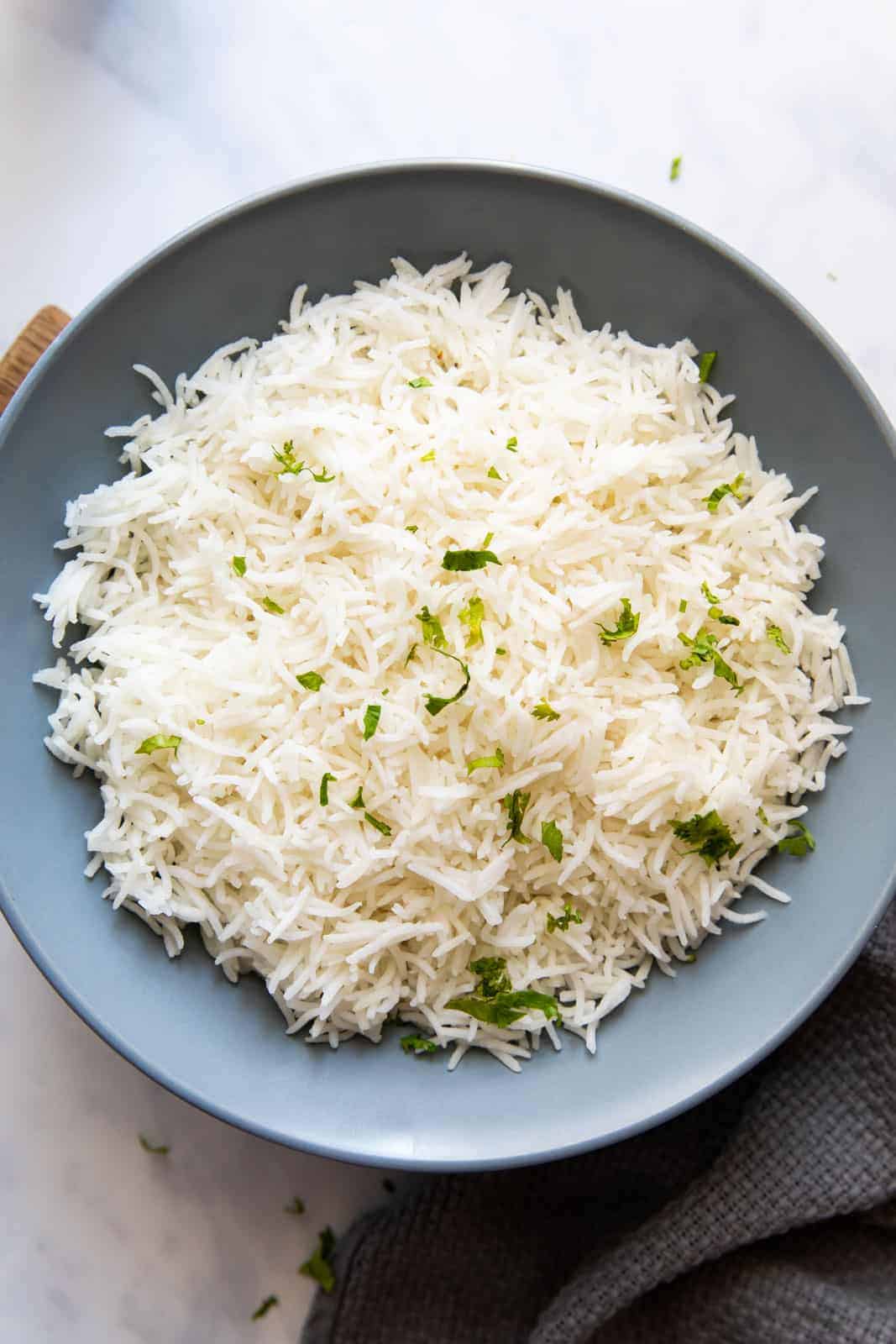
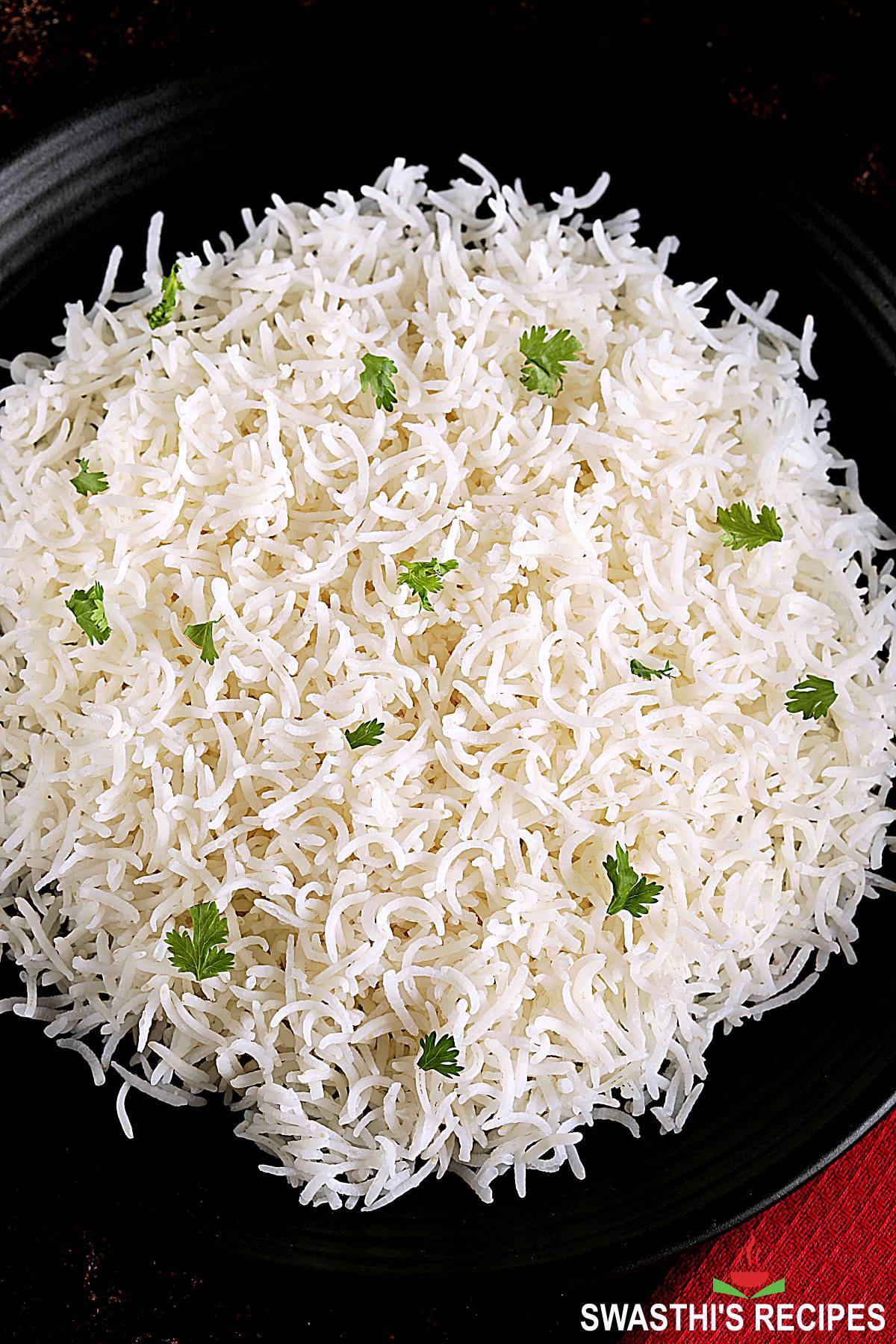
Basmati rice is a long-grain aromatic rice from the Indian subcontinent. It has a nutty aroma and grains that elongate when cooked. Knowing how to cook basmati rice matters because the wrong water ratio or handling can make it sticky instead of light and separate. When cooked right, basmati complements curries, salads, and pilafs with a fragrant, elegant texture.
Types of basmati and how they affect cooking
There are traditional aged basmati and newer, younger varieties. Aged basmati leaves a firmer, more distinct grain after cooking. Brown basmati keeps the bran and needs more water and a longer cooking time. Choosing the type influences your water ratio and soak time when learning how to cook basmati rice.
Tools and ingredients you need
Use simple tools for great results.
- Measuring cup for rice and water
- Fine-mesh sieve for rinsing
- Heavy-bottomed pot with tight-fitting lid for stovetop cooking
- Rice cooker or Instant Pot for hands-off methods
- Wooden spoon or fork for fluffing
Ingredients are just rice, water, and salt. You can add a little oil or butter for shine and to reduce sticking.
How to cook basmati rice — stovetop method (step-by-step)
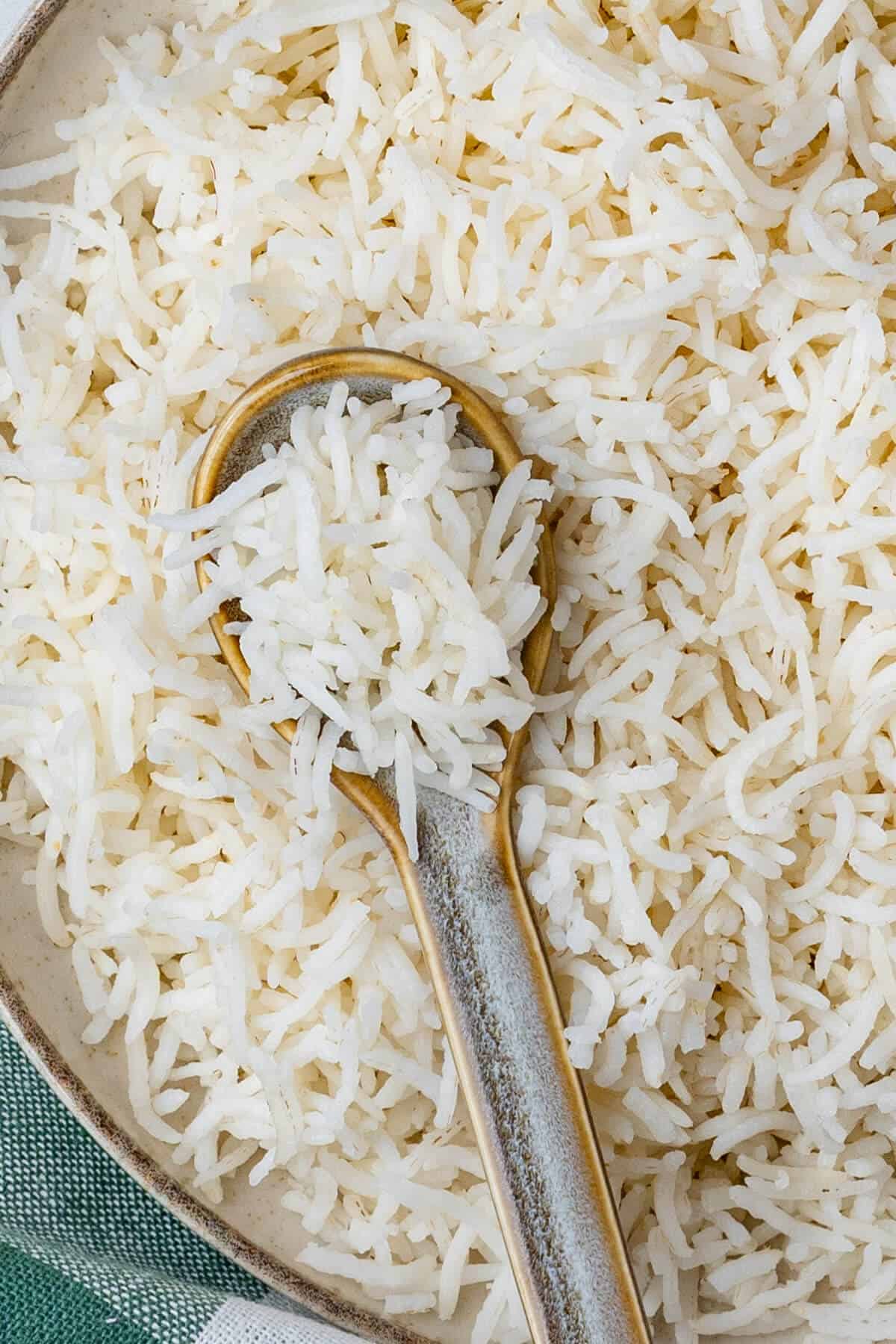
This is the classic method I use most. It’s reliable and gives control over texture.
Ingredients for 2 cups cooked rice (about 1 cup uncooked)
- 1 cup basmati rice
- 1.5 cups water (adjust slightly by rice age)
- 1/2 teaspoon salt
- 1 teaspoon oil or butter (optional)
Steps
- Rinse rice in a fine sieve under cold water until water runs clear. This removes extra starch.
- Soak rinsed rice in cold water for 20–30 minutes, then drain. Soaking helps grains elongate.
- Combine rice, water, salt, and oil in a pot. Bring to a gentle boil uncovered.
- When water boils, reduce heat to the lowest setting, cover tightly, and simmer for 12–15 minutes. Do not lift the lid.
- Turn off heat and let rice rest, covered, for 10 minutes. This steaming step finishes the cooking.
- Uncover and fluff gently with a fork to separate grains.
Tips for success
- Use a tight-fitting lid to trap steam.
- If grains are still hard, add a tablespoon of hot water, cover, and steam a few more minutes.
- If rice is gummy, you likely used too much water or skipped rinsing.
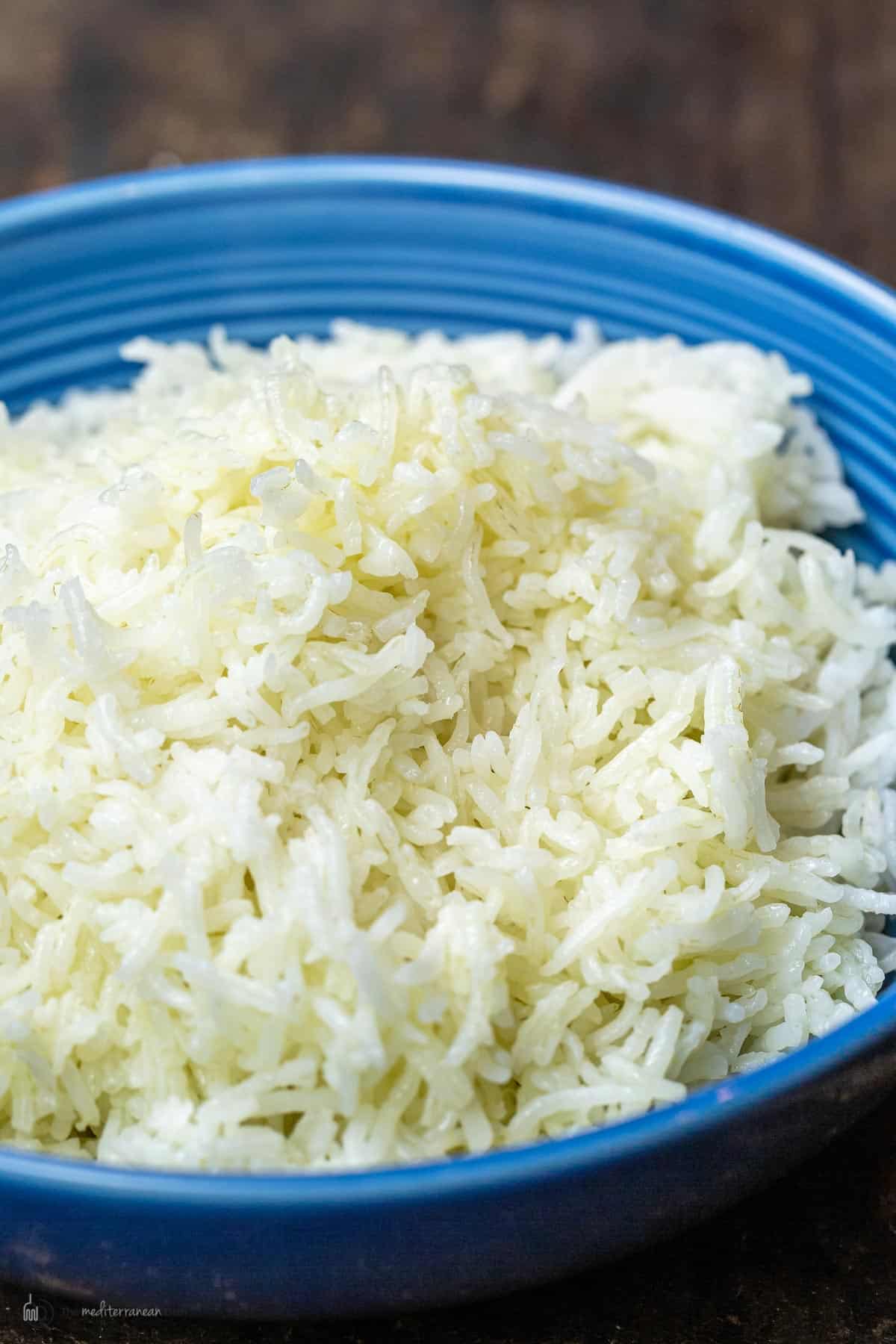
how to cook basmati rice works best when you rinse and soak. These steps deliver fluffy, separate grains every time.
How long should you soak basmati rice?
Soak for 20–30 minutes for white basmati and 45–60 minutes for brown basmati. Soaking softens the grain and reduces cooking time while increasing length.
Will less water make firmer basmati rice?
Yes. Reduce water slightly for firmer grains, but avoid undercooking. Small adjustments of 1–2 tablespoons can change texture noticeably.
Rice cooker method for basmati rice
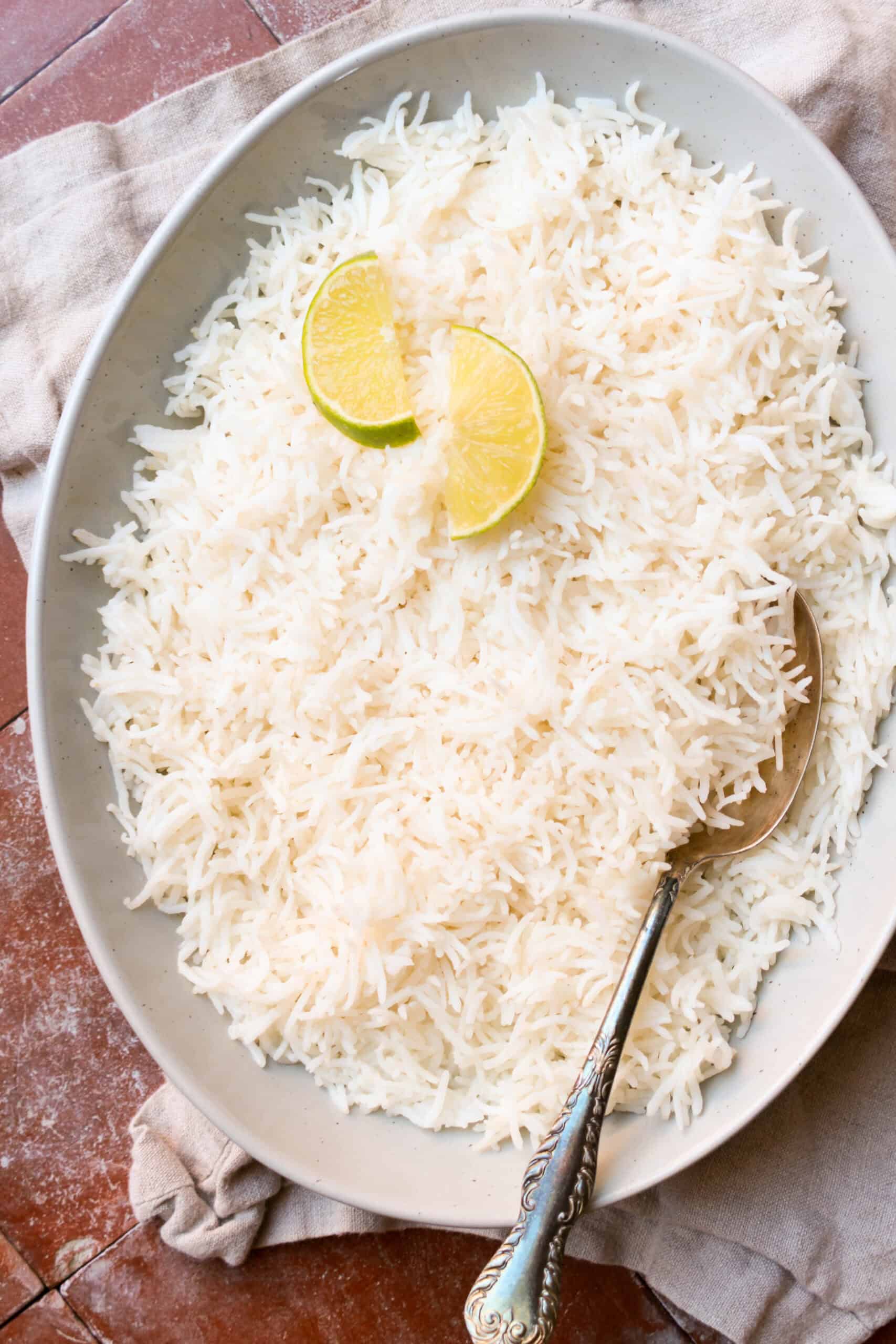
A rice cooker makes how to cook basmati rice nearly foolproof. Use the same rinsing and optional soaking steps.
Steps
- Rinse and optionally soak rice for 20 minutes, then drain.
- Add rice to the cooker with water at a 1:1.25–1:1.5 rice-to-water ratio depending on your model.
- Add salt and a little oil if desired.
- Press the white rice setting. When done, let it steam for 10 minutes before opening.
- Fluff with a fork.
Rice cookers can vary, so test one batch and adjust water. I keep a small notebook of settings for my cooker and basmati brand; it saves time.

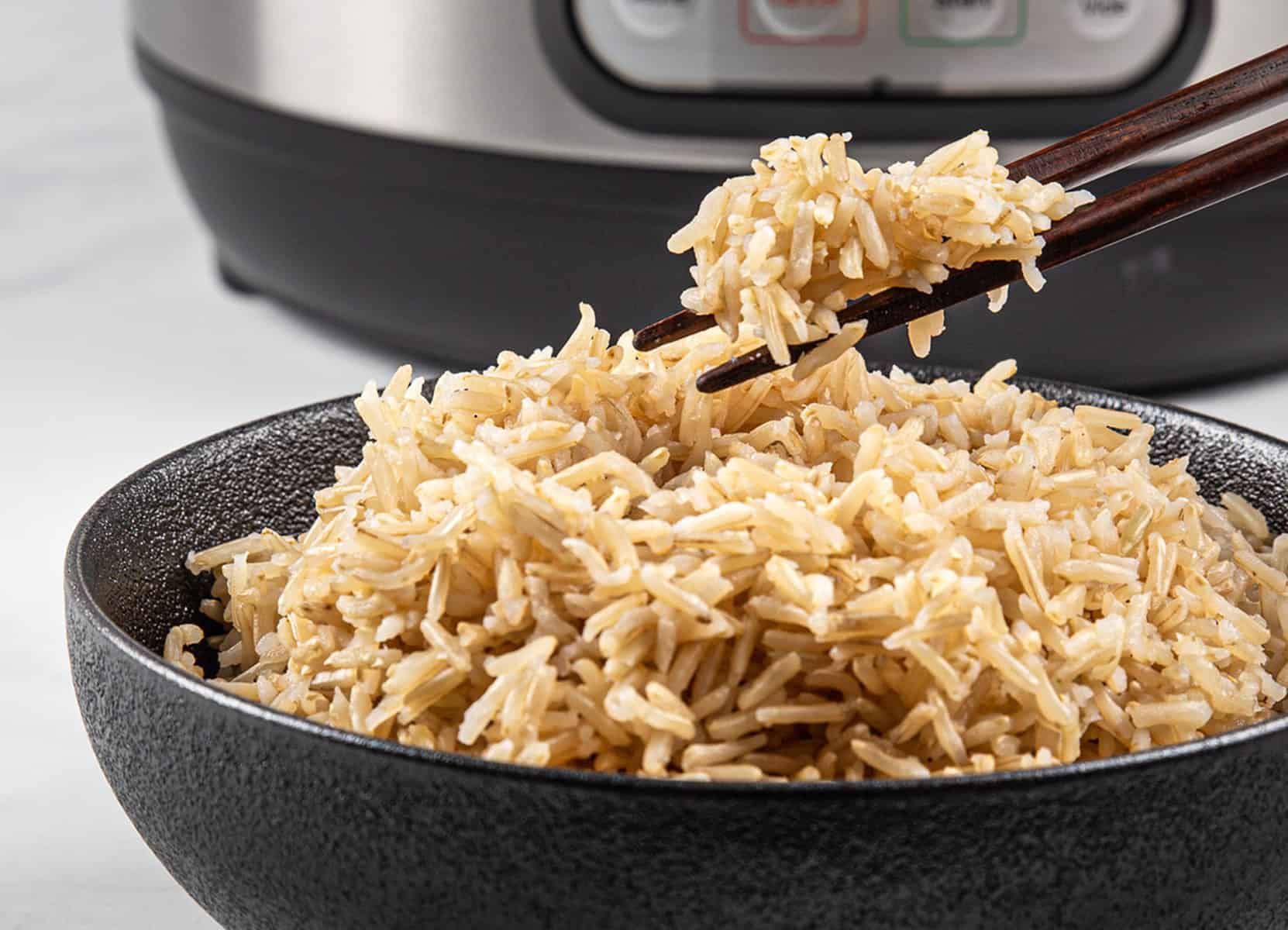
Instant Pot / electric pressure cooker method
Instant Pot gives very consistent results and works fast.
Steps
- Rinse and soak rice for 15–20 minutes, drain.
- Use a 1:1 rice-to-water ratio for white basmati in the Instant Pot.
- Add rice, water, and salt. Seal and cook on high pressure for 4–6 minutes.
- Natural pressure release for 10 minutes, then quick release remaining pressure.
- Fluff gently.
Pressure cooks can compact grains if stirred too much after cooking. Let steam finish the job before fluffing.
Microwave method (quick, small-batch)
Microwave is okay for small portions when you’re short on time.
Steps
- Rinse rice and soak 10–15 minutes if possible.
- Combine rice and water (1:1.5 ratio) in a microwave-safe bowl with a lid.
- Microwave on high for 6–8 minutes, then reduce power to 50% for 6–8 minutes.
- Let rest covered for 5 minutes, then fluff.
Microwave power varies. Start with these times and adjust to your appliance.

Flavoring, pilafs, and simple variations
Make how to cook basmati rice into a flavor base for meals.
Ideas
- Toast rice lightly in oil with cumin and bay leaf before adding water for a pilaf aroma.
- Add a cinnamon stick and cardamom pods for fragrant rice.
- Stir in chopped herbs, lemon zest, or roasted nuts after cooking for texture and brightness.
- Use broth instead of water for a savory twist.
These small moves elevate simple basmati to restaurant-style sides.
Common mistakes and troubleshooting
A few common errors can ruin how to cook basmati rice. Here’s how to avoid them.
Problems and fixes
- Gummy rice: Rinse longer and use less water. Soak next time.
- Mushy rice: Reduce water and shorten cook time. Let it steam off heat.
- Undercooked centers: Add a tablespoon of hot water, cover, and steam 5 minutes.
- Stuck rice: Use more oil next time and a heavy pot.
Keep notes on water ratios for your brand. That saves repeat mistakes.
Storage and reheating
Store cooked basmati properly to keep texture and safety.
Storage tips
- Cool rice quickly and refrigerate in an airtight container for up to 4 days.
- Freeze portions in shallow containers for up to 3 months.
- Reheat with a sprinkle of water and cover to restore steam. Microwave covered or reheat in a pan with a little oil.
Avoid leaving cooked rice at room temperature for long periods; bacteria risk increases quickly.
Nutrition and benefits
Basmati rice is mostly carbs and is low in fat. Brown basmati provides more fiber and micronutrients than white. It digests more slowly than some short-grain rice, giving a gentle rise in blood sugar when compared to sticky white varieties. Portion control and pairing with protein and vegetables make basmati part of a balanced meal.
Personal experience, lessons learned, and pro tips
I started with sticky batches and learned to rinse and soak every time. Keeping a jar of aged basmati changed texture for the better. My go-to ratio now is 1 cup rice to 1.5 cups water on stovetop for most brands. I also learned to let rice rest covered—rushing to open the lid is the biggest rookie mistake. When entertaining, I cook rice a bit firmer; leftovers steam up nicely without getting mushy.
Pro tips
- Label rice jars with brand and purchase date; older grains need less water.
- Use a timer and resist lifting the lid during cooking.
- For fluffy presentation, finish with a fork fluff and a dot of ghee.
PAA-style quick answers you’ll want to know
How long does basmati rice take to cook?
Expect about 12–15 minutes simmer time on the stovetop after soaking, plus 10 minutes resting.
Can you skip soaking basmati rice?
Yes, but soaking improves grain length and shortens cooking. If you skip it, increase cooking time slightly.
What water ratio gives fluffy basmati rice?
A good starting point is 1 cup rice to 1.25–1.5 cups water depending on rice age and cooking method.
Frequently Asked Questions of how to cook basmati rice
How much water should I use for basmati rice?
Use about 1.25 to 1.5 cups of water per 1 cup of white basmati rice. Reduce water slightly for aged rice and increase for brown basmati.
Do I need to soak basmati rice?
Soaking for 20–30 minutes helps grains elongate and reduces cooking time, but it is optional.
Why is my basmati rice sticky?
Sticky rice usually means excess starch or too much water. Rinse rice thoroughly and use a slightly lower water ratio.
Can I cook basmati rice ahead of time?
Yes. Cooked basmati stores well in the fridge for up to 4 days and freezes for up to 3 months in portions.
Is basmati rice healthier than other white rice?
Basmati can have a lower glycemic index than some white rices, and brown basmati offers extra fiber. Overall health depends on portion size and meal balance.
Can I flavor basmati while cooking?
Yes. Add spices like cardamom, bay leaf, or cinnamon to the cooking water, or use stock instead of water for richer flavor.
How do I reheat basmati rice without drying it out?
Sprinkle a little water over the rice, cover, and microwave or steam until hot. This restores moisture and fluffiness.
Conclusion
Learning how to cook basmati rice is about three simple habits: rinse, soak, and use the right water ratio for your method. With the stovetop, rice cooker, Instant Pot, or microwave approaches covered here, you have flexible options for any kitchen and schedule. Try the recommended ratios and make small adjustments based on your rice brand and appliance. Now, pick a method, cook a batch, and share your results — comment below with your favorite basmati trick or subscribe for more kitchen guides.