Common mistakes when using a vegetable chopper are overfilling, dull blades, uneven cuts, and poor cleaning.
I’ve spent years testing kitchen tools and teaching home cooks how to work smarter, not harder. This article breaks down Common Mistakes When Using a Vegetable Chopper, explains why they happen, and shows clear fixes you can use right away to save time, avoid injury, and get better results. Read on for practical tips and real-life examples from my own kitchen trials.
Why a vegetable chopper matters and what it should do for you
A vegetable chopper saves time. It gives consistent cuts. It helps with meal prep and portioning. When used right, it keeps your kitchen fast and tidy.
Common Mistakes When Using a Vegetable Chopper often stop it from doing those things. Knowing why helps you choose the right tool and avoid wasted effort. I’ll explain how to get the best results every time.

Source: youtube.com
Top common mistakes when using a vegetable chopper (and how to fix them)
Below are the frequent errors I see and make myself. Each mistake lists why it happens and an easy fix.
- Overfilling the bowl
Overfilling causes uneven chopping and jams. Fill only to the recommended marker. Chop in batches for speed and uniformity. - Using dull blades
Dull blades tear, not cut. Replace or sharpen blades regularly to keep cuts clean and fast. Sharp blades reduce effort and juice loss. - Forcing large pieces through small slots
Forcing food can break the chopper or cause slips. Pre-cut large vegetables into smaller pieces first. Match size to blade type. - Not using firm, even pressure
Uneven pressure makes inconsistent sizes. Press straight down and keep your wrist stable. Use the pusher or handle provided. - Ignoring wet or oily produce
Wet pieces slip and clog the chute. Pat produce dry. For oily items like avocado, scoop and slice before chopping. - Skipping the right blade for the job
Using the wrong grid makes bad results. Use coarse blades for stews and fine blades for salads. Read the blade guide that comes with the chopper. - Not securing the chopper on the counter
A moving chopper is unsafe and inefficient. Place a damp cloth underneath or use models with suction feet. Keep it steady. - Poor cleaning and blade care
Food stuck in blades leads to bacteria and bad smells. Clean right after use and dry blades well. Use a brush to clear tight spots. - Overreliance on speed over technique
Speed without control leads to uneven pieces. Slow down until you get consistent results. Speed will follow. - Using the chopper for the wrong foods
Hard roots, frozen items, and bones are not suitable. Use the right tool for very hard foods. This protects blades and prevents damage. - Neglecting safety guards and instructions
Skipping instructions is risky. Follow safety steps, especially with mandoline-style choppers. Understand blade placement before use. - Not testing with small batches
Trying a full recipe the first time can waste ingredients. Test settings on a small portion first to see the result.
Common Mistakes When Using a Vegetable Chopper often repeat because users skip simple checks. Fixes are easy and fast.
Source: alibaba.com
Choosing the right chopper: model, blades, and build
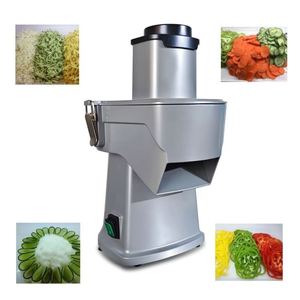
Pick a chopper that fits your needs. Consider capacity, blade types, and cleaning ease. Materials matter; stainless steel blades last longer.
Ask these questions when buying:
- How many people do I cook for?
- Do I need multiple blade sizes?
- Is dishwasher-safe cleaning important?
- Will the chopper store easily in my kitchen?
Quality matters. A cheap chopper may save money upfront but cost time later. When assessing models, test suction or grip and check blade replacement options.
Common Mistakes When Using a Vegetable Chopper start at purchase. Choose wisely to avoid them.

Source: com.tw
Care, cleaning, and blade maintenance
Clean blades right away. Food dries fast and hides under blades. Use warm water and a soft brush. Dry all parts completely.
Store blades safely. Wrap or place in a blade holder. Replace blades when you notice tearing or rust. Regular maintenance prevents damage and keeps cuts consistent.
From my experience, a quick rinse and brush after each use extends a chopper’s life significantly. Treat blades like knives to keep them sharp and safe.

Source: pomodorofoodsset.com
Safety rules and accident prevention
Blades are sharp. Respect them. Always use a pusher or guard when available. Never put fingers near the blade while chopping.
If a part jams, unplug or lock the chopper before removing food. Wear cut-resistant gloves for cleaning if you feel unsure. Teach kids to stay away during use.
Common Mistakes When Using a Vegetable Chopper include casual handling. A few safety habits prevent most injuries.
:max_bytes(150000):strip_icc()/alr-oxo-vegetable-chopper-tout-30f3f41b804645a6b6fa91b470cee9dc.jpg)
Source: allrecipes.com
Troubleshooting common problems
If the chopper jams:
- Stop and clear debris safely.
- Check for oversized pieces and remove them.
- Reassemble and test with a small amount.
If cuts are uneven:
- Check blade sharpness.
- Reduce the load size and chop in batches.
- Try a different blade setting if available.
If the unit slips:
- Clean the base.
- Use a damp cloth or silicone mat beneath.
- Tighten any loose parts if model allows.
I once faced persistent jamming with a mid-range chopper. The fix was simple: replace a worn gasket and trim vegetables smaller. The chopper ran like new after that.

Source: ebay.com
Practical examples and meal prep workflows
Example 1: Salsa night
- Prep tomatoes by halving and scooping seeds.
- Use a medium grid for chunks.
- Pulse until desired size.
Example 2: Vegetable soup
- Cut carrots and potatoes into 1-inch pieces.
- Use a coarse blade first for big chunks.
- Switch to finer blades for mirepoix if recipe calls for it.
Example 3: Salad bars
- Chop lettuce in small batches.
- Dry leaves well for crisp results.
- Keep different blades for different veggies to save time.
Using these workflows reduces the chance of Common Mistakes When Using a Vegetable Chopper and speeds up prep.

Source: dioro.com
Limits and when to use other tools
A chopper is not a substitute for:
- A chef’s knife for precision cuts.
- A food processor for very large batches or purees.
- A mandoline for ultra-thin slices.
Know the tool’s limits. Using it outside those limits causes damage. This understanding eliminates many Common Mistakes When Using a Vegetable Chopper.
Personal lessons and tips from real use
I learned three big lessons over years of testing:
- Always read the manual first. Small tips in it matter.
- Start slow and watch results. Adjust as needed.
- Replace blades before they feel “just okay.” It saves time and yields better food.
One night I overfilled a chopper when rushing dinner. The motor stalled and I had to disassemble the unit in hot sauce. Since then I prep in batches. It’s faster and less stressful.
These simple habits cut mistakes and improve results fast.
Frequently Asked Questions of Common Mistakes When Using a Vegetable Chopper
Why does my vegetable chopper jam so often?
Jamming usually happens from overfilling or inserting pieces that are too large. Chop produce into smaller chunks and work in batches to prevent jams.
How often should I sharpen or replace blades?
Sharpen or replace blades at the first sign of tearing or difficulty cutting. For regular users, this is typically every 6–12 months depending on use and care.
Can I put all chopper parts in the dishwasher?
Not always. Check the manual. Some plastic parts warp and some blades dull faster in a dishwasher; hand wash blades when possible.
Is it safe to chop frozen vegetables?
No. Frozen items can break blades and strain the motor. Thaw and pat dry before chopping to avoid damage.
How do I clean food stuck between tight blade grids?
Use a soft brush and warm soapy water to dislodge debris. If needed, soak parts briefly and use a toothpick or brush to clear tight spots safely.
Can a chopper replace a food processor?
A chopper is good for small, quick jobs and uniform cuts. It does not replace a food processor for large batches, blending, or heavy purees.
Conclusion
Avoiding Common Mistakes When Using a Vegetable Chopper comes down to three habits: prepare food to fit the tool, keep blades sharp and clean, and follow safety steps. Small changes prevent jams, speed your prep, and improve food quality. Try one new habit this week—chop in batches, sharpen blades, or secure the base—and notice the difference.
If this guide helped you, leave a comment with your favorite tip, subscribe for more kitchen gear advice, or try the steps above next time you prep a meal.