Blend a chilled base of cream, milk, sugar, and flavor, then freeze and churn in a blender.
I’ve taught home cooks and tested recipes in my kitchen so I know how to make homemade ice cream using a blender that tastes rich and smooth. This guide walks through simple ingredients, step-by-step blender methods, troubleshooting tips, and flavor ideas so you can make creamy ice cream at home without an ice cream maker. Read on to learn my proven techniques and practical tips for great results every time.
Ingredients and equipment you need
To learn how to make homemade ice cream using a blender, start with the right basics. Use full-fat dairy for creaminess, or plant-based milks for a lighter result. Keep flavorings simple to start — vanilla, chocolate, or berries work best for first tries.
Essential ingredients
- 1 cup heavy cream
- 1 cup whole milk
- 1/2 to 3/4 cup granulated sugar (adjust to taste)
- 1 teaspoon vanilla extract or other flavor
- Pinch of salt
Optional ingredients
- Egg yolks for custard-style richness
- Cocoa powder, mashed fruit, or peanut butter for flavor
- Mix-ins like cookies, chocolate chips, or nuts
Equipment
- High-speed blender
- Freezer-safe container
- Fine sieve (for custard or seeding texture)
- Spatula and measuring cups
How to make homemade ice cream using a blender starts with reliable ingredients and the right tools. Use chilled ingredients and a clean blender to cut down emulsifying time.
Quick blender method: step-by-step
This method shows how to make homemade ice cream using a blender with no ice cream machine. It’s fast and works well for most flavors.
Steps
- Chill your bowl and blender jar if possible. Cold parts help freeze faster.
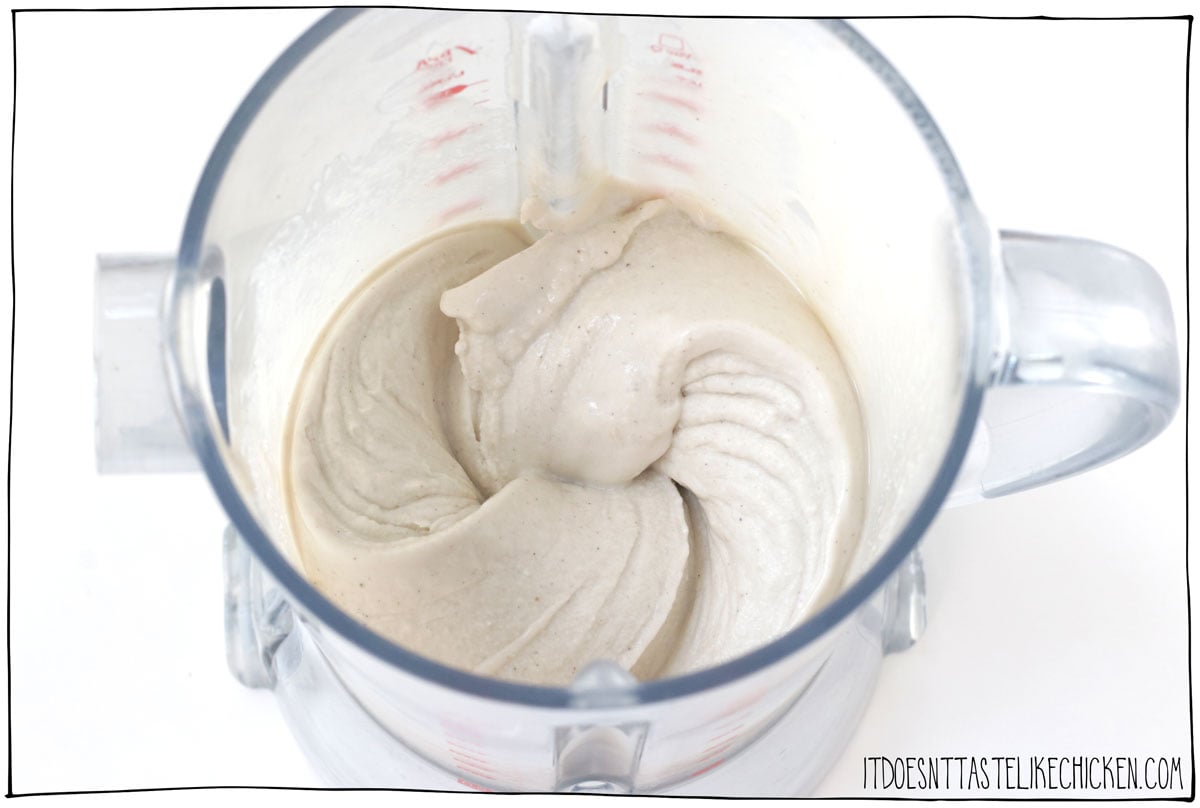
- Combine cream, milk, sugar, vanilla, and salt in blender. Blend on medium for 30–45 seconds until sugar dissolves.
- For custard-style ice cream, warm the milk and cream with sugar and whisk in egg yolks, then cool before blending. Strain if needed.
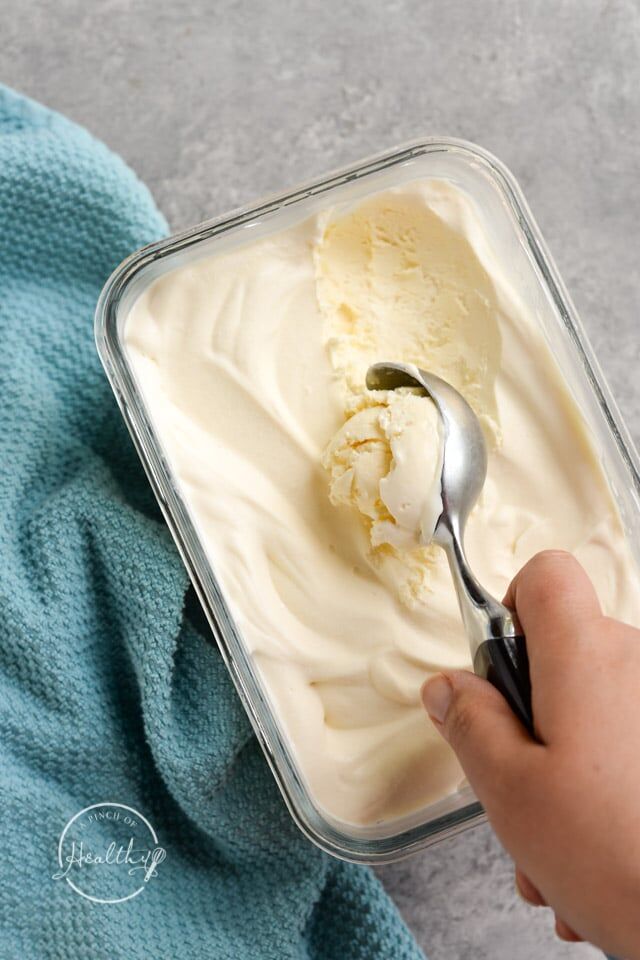
- Pour the mixture into a shallow freezer-safe container. Freeze for 45–60 minutes until edges start to set.
- Remove and break up ice crystals with a fork, then return to the blender. Pulse until smooth, about 20–40 seconds.
- Repeat freeze-and-blend cycles every 30–60 minutes for 2–3 total churns until creamy.
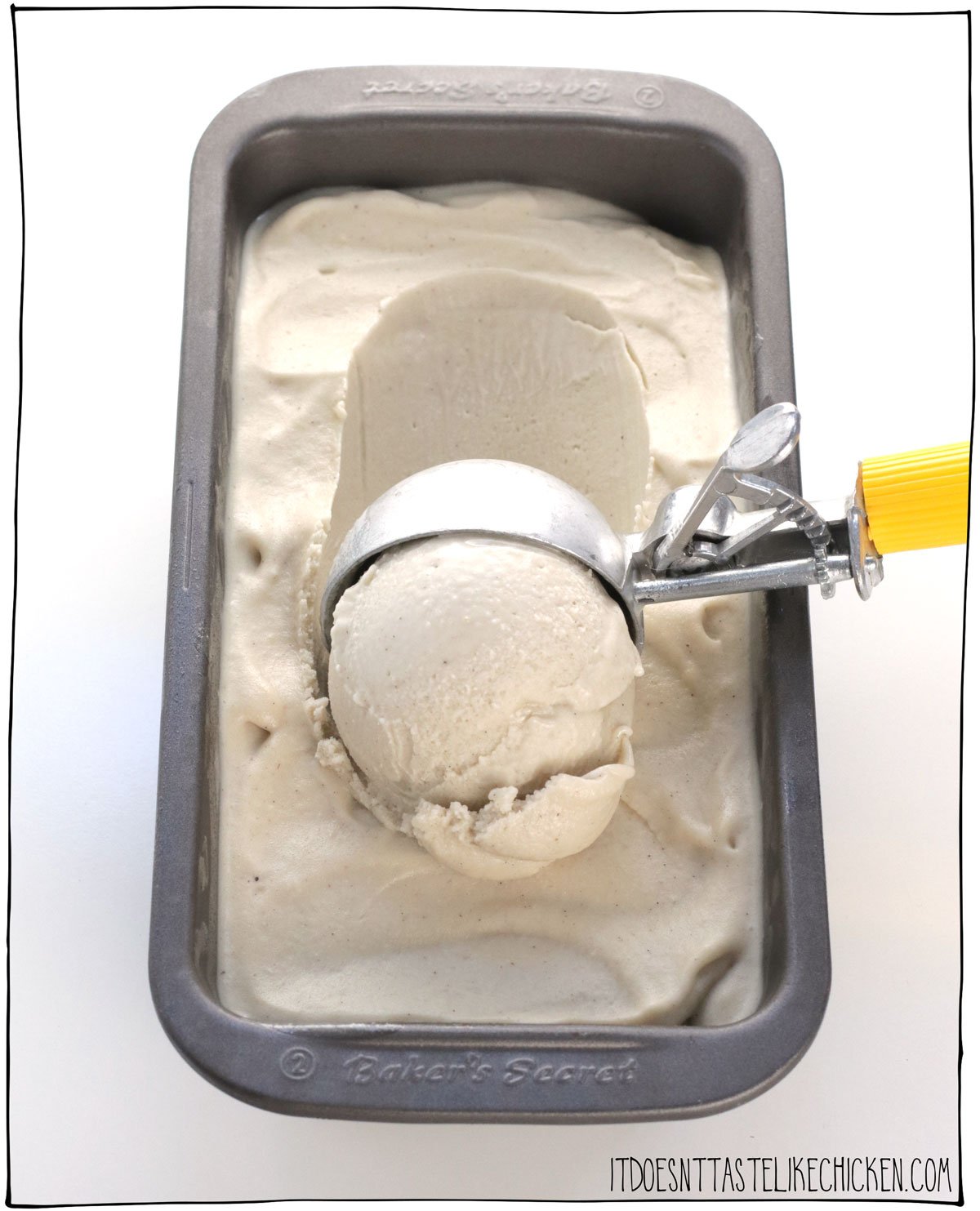
- After final blend, press plastic wrap onto the surface and freeze until firm, about 4 hours.
This repeat-freeze-and-blend method mimics churning. It teaches how to make homemade ice cream using a blender that’s smooth and scoopable without special gear.

Tips, troubleshooting, and texture fixes
Small changes make a big difference when you learn how to make homemade ice cream using a blender. Keep batches small for faster freezing and more even texture.
Prevent icy texture
- Use higher fat: Add more heavy cream or a spoon of condensed milk.
- Add a tablespoon of alcohol or a small amount of corn syrup to lower freezing point and soften texture.
- Blend while partly frozen to break crystals before they grow.
If your blender overheats
- Work in short pulses.
- Chill the jar and the mixture.
- Let the motor rest between blends.
Mix-ins and timing
- Add cookies or chocolate after the last blend so they stay chunky.
- For fruit, puree some in the blender and fold in fresh pieces later.
I learned the hard way that skipping the freeze-and-blend cycles gives hard, icy ice cream. Short cycles and patience produce a creamy result.

Flavor variations and recipes
Once you master how to make homemade ice cream using a blender, you can experiment with many flavors. Try these easy ideas.
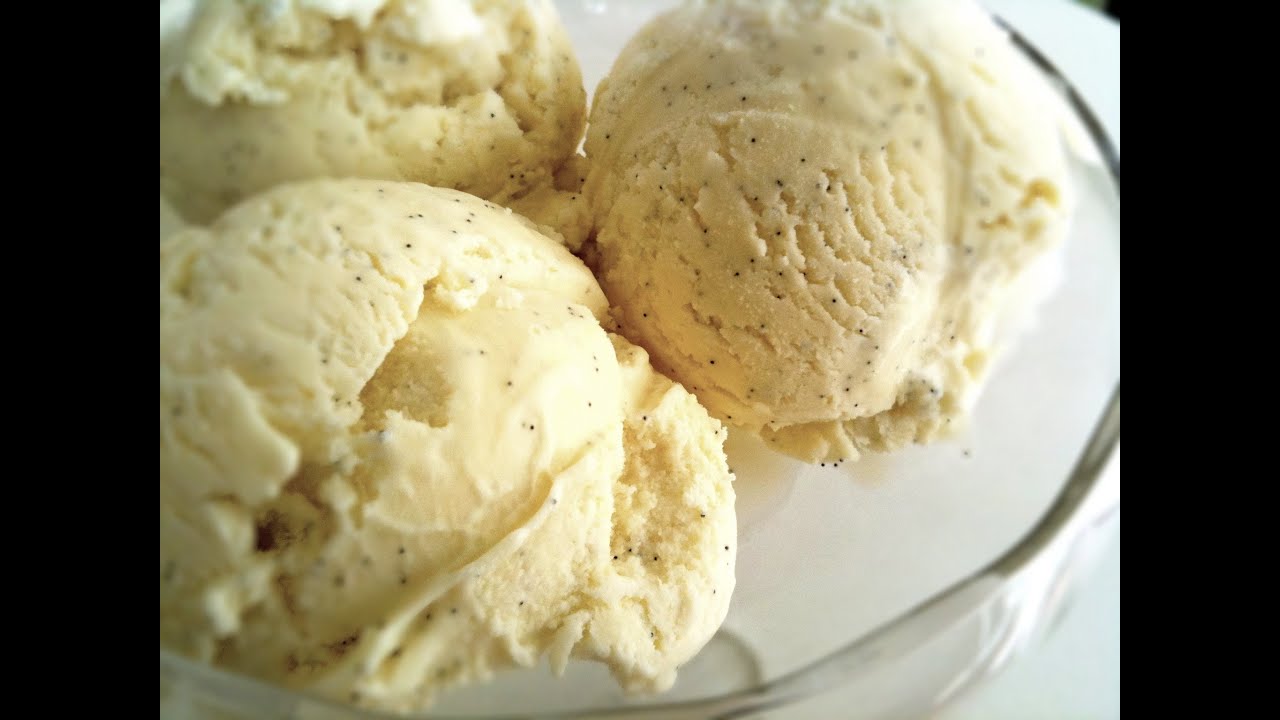
Vanilla bean
- Use real vanilla bean or quality extract. Boost richness with an extra yolk.
Chocolate
- Add 1/3 cup cocoa powder and 1/4 cup melted dark chocolate. Sweeten to taste.
Strawberry
- Puree 1 cup fresh or frozen strawberries. Fold in small chopped berries at the end.
Coffee
- Dissolve instant espresso or strong cold-brew concentrate into the base.
Vegan chocolate-banana
- Use canned full-fat coconut milk and ripe bananas. Add cocoa and a splash of maple syrup.
I often rotate through these flavors when testing. Small tweaks like toasting nuts or adding a pinch of salt make big flavor gains.
The science behind blender ice cream
Understanding basic science helps you improve texture when you make homemade ice cream using a blender. Ice cream is an emulsion of fat, water, sugar, and air.
Key points
- Fat gives richness and stability.
- Sugar lowers freezing point and keeps softness.
- Air whipped in during blending creates a light texture.
- Repeated freeze-and-blend steps break crystals and trap air.
Egg-based custards add proteins that stabilize the mix and create silkier texture. If you prefer no eggs, use cream and a binder like corn syrup or glycerin for smoothness. Knowing these ideas helps you diagnose problems and tweak recipes.
Storage, serving, and safety
Proper storage keeps your homemade ice cream using a blender tasting its best. Use airtight containers and keep it cold.
Storage tips
- Press plastic wrap onto the surface before sealing the lid to prevent ice crystals.
- Store at the back of the freezer where temperature is most stable.
- Use within 2 weeks for best texture and flavor.
Serving tips
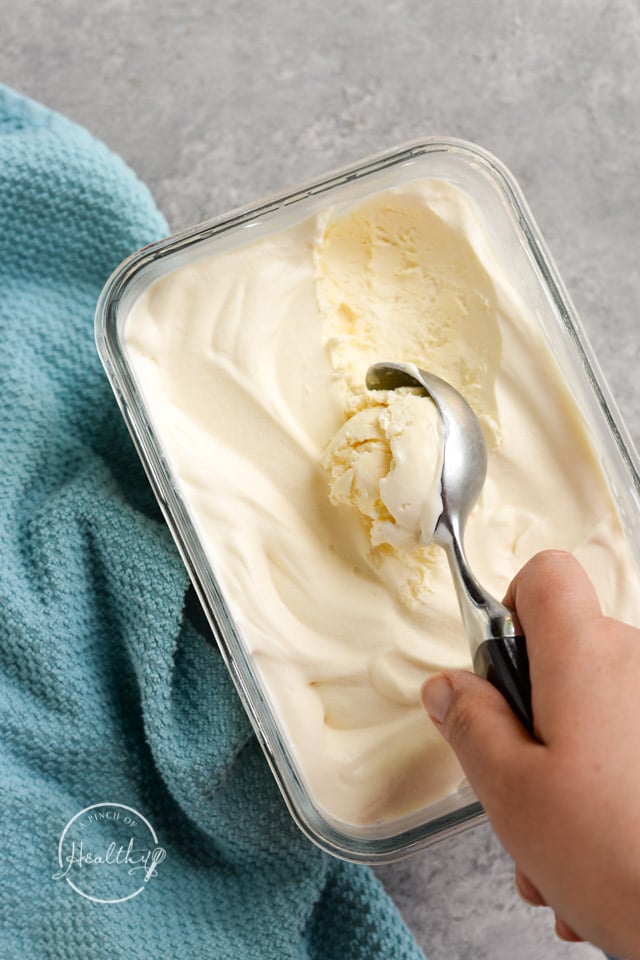
- Let ice cream sit at room temperature for 5–10 minutes before scooping.
- Use warm scoops or dip in hot water for clean scoops.
Food safety
- If using raw eggs, either use pasteurized eggs or cook a custard base to 160°F and cool before blending.
- Discard if left at room temperature longer than two hours.
These simple steps will keep your blender-made ice cream safe and enjoyable.
Quick questions
Here are 2–3 short, practical answers to common points about how to make homemade ice cream using a blender.
What if my ice cream is too hard?
- Add a tablespoon of alcohol or corn syrup to the base, or let it sit at room temperature 5–10 minutes before scooping.
Can I use non-dairy milk?
- Yes. Full-fat coconut milk gives the creamiest non-dairy results. Other plant milks may need a binder like a banana or a spoon of nut butter.
Is a high-speed blender required?
- A strong blender helps but isn’t required. Work in small batches and pulse gently to avoid heating the mix.
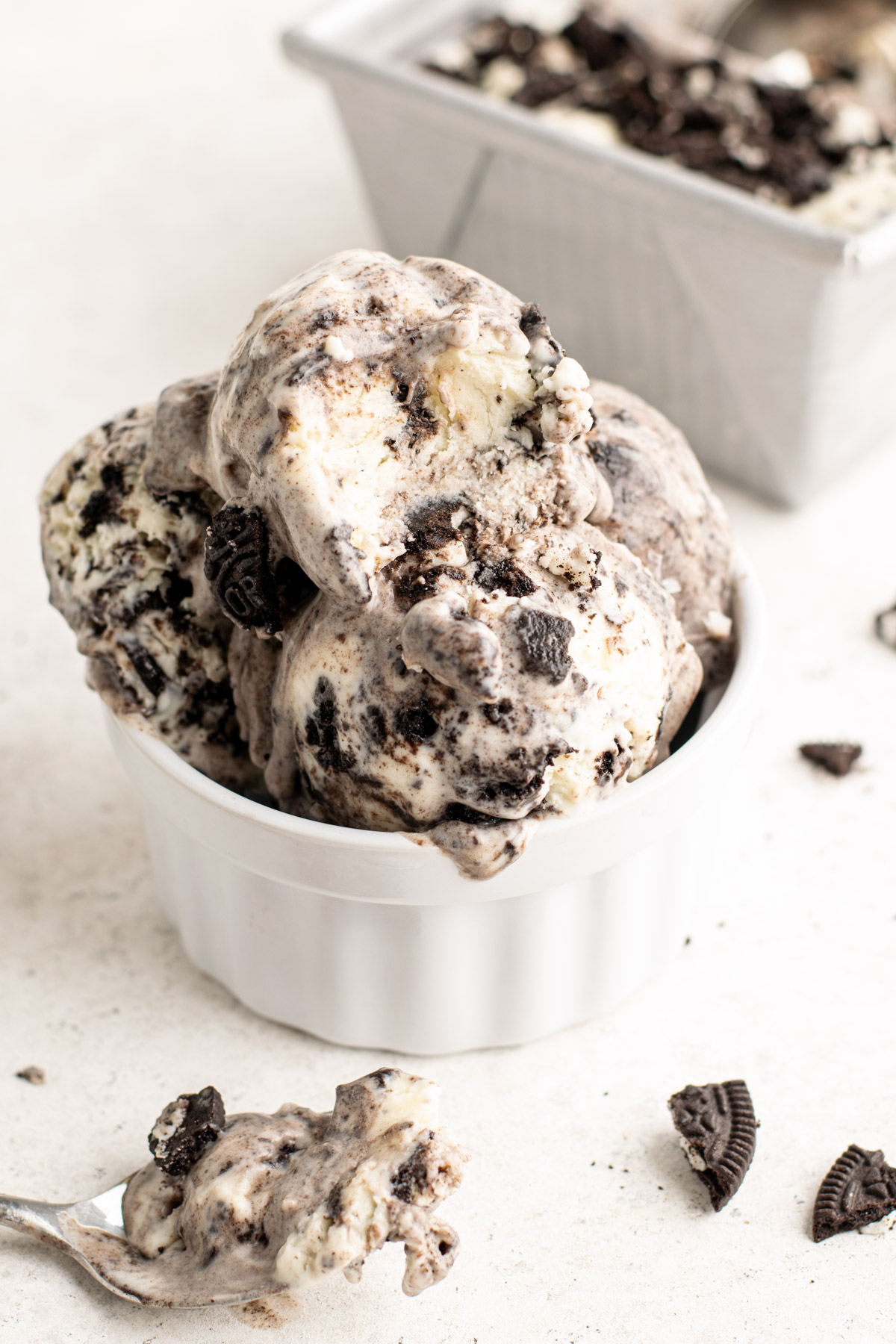
Source: oliviaskitchen.com
Frequently Asked Questions of how to make homemade ice cream using a blender
What is the easiest recipe for beginners?
A simple mix of 1 cup heavy cream, 1 cup whole milk, 1/2 cup sugar, and 1 teaspoon vanilla blended and freeze-churned works great. Follow freeze-and-blend cycles for best texture.
How long does it take to make ice cream in a blender?
Active work time is about 15–30 minutes across cycles, with total freezing time of 3–6 hours depending on freezer and recipe. Plan ahead for final firming in the freezer.
Can I make custard-style ice cream in a blender?
Yes. Cook a custard with egg yolks and sugar, cool it fully, then blend with cream and milk before freezing and churning. Strain for silky texture.
Why does my blender ice cream taste grainy?
Graininess comes from large ice crystals or undissolved sugar. Use chill cycles, dissolve sugar completely, and repeat blending to break crystals.
How do I add mix-ins without crushing them?
Stir in mix-ins like cookies, nuts, or chocolate after the last blend, then freeze until firm. This keeps them chunky and evenly distributed.
Conclusion
You now have a clear, practical path for how to make homemade ice cream using a blender, from basic recipes to troubleshooting and flavor ideas. Start small, use cold ingredients, and repeat short freeze-and-blend cycles to build smooth texture. Try one recipe this week and tweak it; the best learning comes from testing and tasting. Share your favorite flavors or questions below, and subscribe for more simple, tested kitchen tips.