Use the jar, add ingredients, lock lid, pick a speed, blend, then clean the unit.
I have used and tested Oster blenders for years in home and food‑prep settings. This guide explains exactly how to work an Oster blender step by step, covers parts, safety, cleaning, troubleshooting, and real tips from experience so you can blend with confidence and get great results every time. Read on to learn clear, simple steps and pro tips for smooth blending.
Overview: What an Oster blender does and when to use it
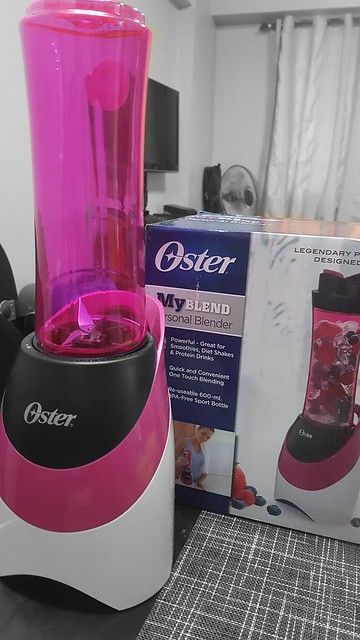
An Oster blender is a versatile kitchen tool for smoothies, sauces, soups, and chopping. It uses a motor base, a jar with blades, and simple controls to turn whole foods into smooth or textured blends. Learning how to work an Oster blender helps you save time, eat better, and make consistent results at home.
Why choose Oster
- Reliable motors that handle ice and dense foods.
- Wide range of models from basic to powerful professional types.
- Easy-to-find parts and a strong support network for repairs.
Who this guide helps
- New owners learning basic operation.
- Busy cooks who want faster meals.
- Anyone troubleshooting common issues.
Key parts and controls explained
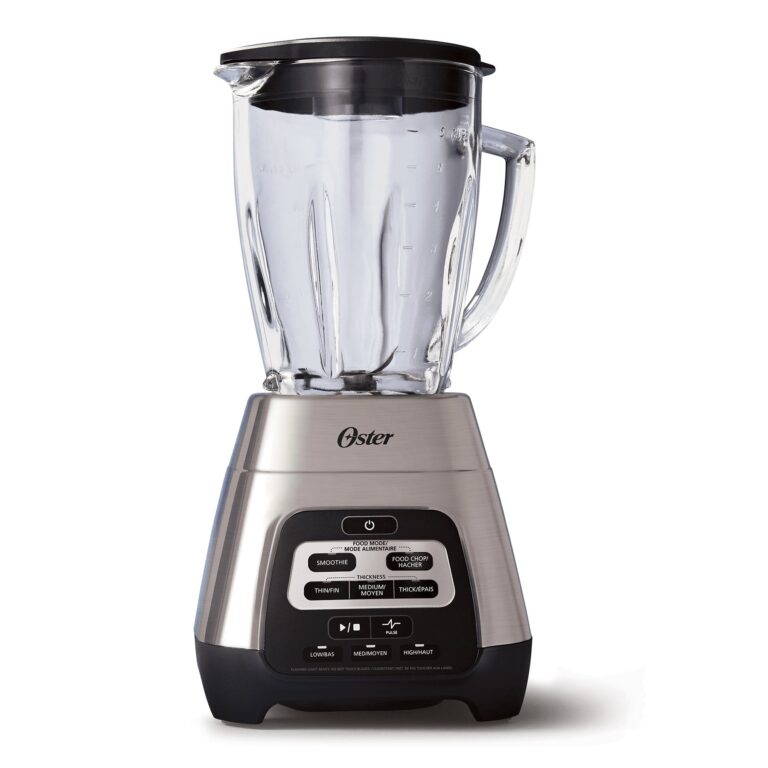
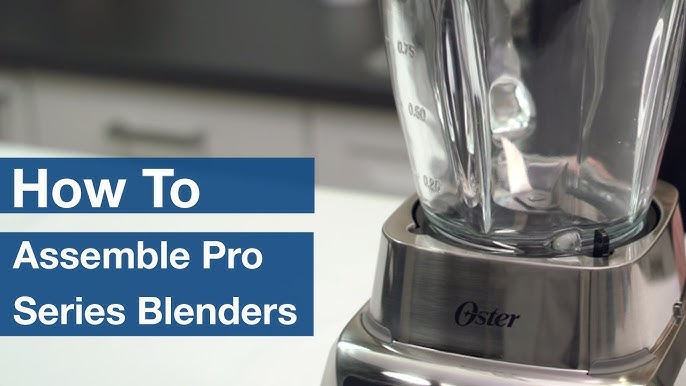
Knowing the parts makes it easy to work an Oster blender. Here are the main components and what they do.
Main components
- Motor base — houses the motor and control knob.
- Jar — glass or BPA-free plastic container that holds food.
- Lid and center cap — seal the jar; center cap allows adding ingredients.
- Blade assembly — stainless steel blades that chop and blend.
- Gasket and base plate — create a tight seal between jar and blade.
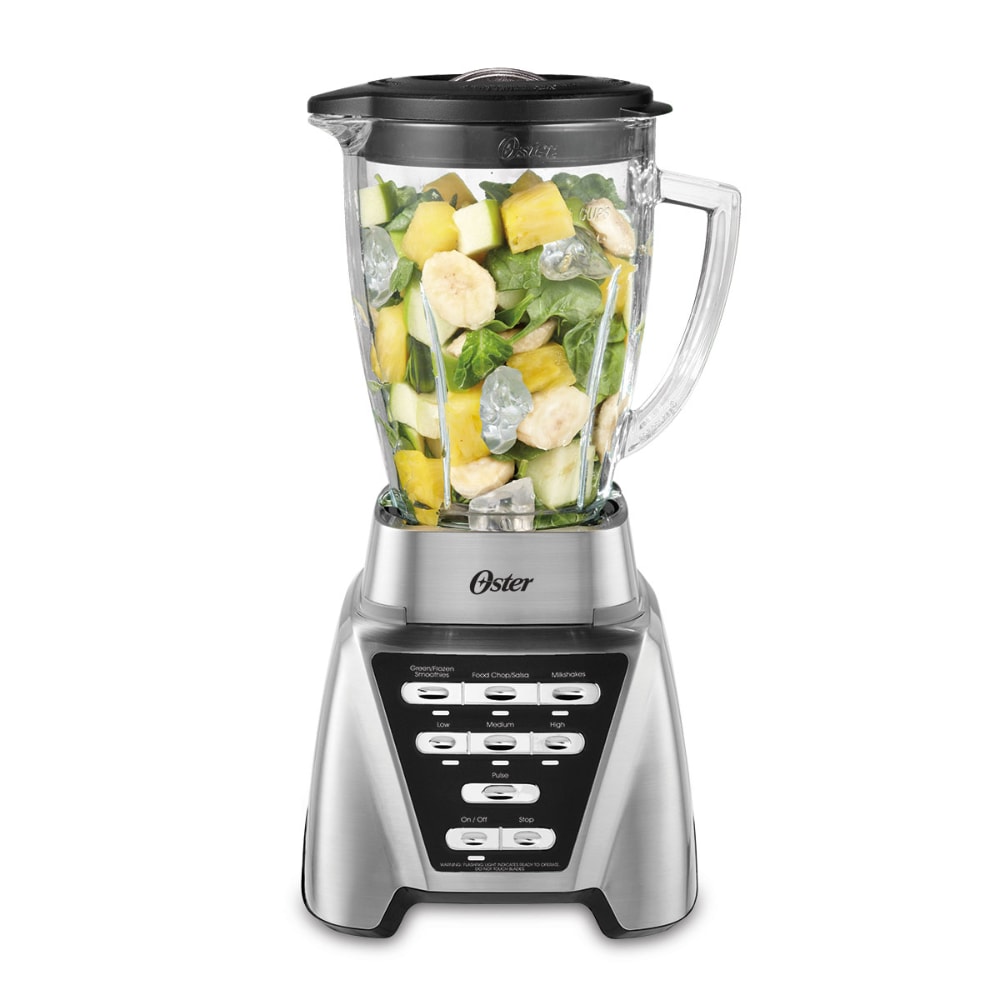
Controls you will see
- Speed dial or buttons — select low to high speeds.
- Pulse — short bursts for chunkier texture or to break up solids.
- Preprogrammed settings — smoothies, ice crush, soup (on some models).
How controls affect results
- Low speeds are for stirring or gentle mixing.
- Medium speeds handle soft fruits and dressings.
- High speeds are for ice, frozen fruit, and purees.
Step-by-step: How to work an Oster blender
Follow these clear steps to use your Oster blender safely and well.
- Inspect the unit
- Ensure jar, lid, gasket, and blades are clean and dry.
- Check that the blade assembly is tight and the gasket is in place.
- Add ingredients correctly
- Put liquids in first. This helps blades move freely.
- Add soft foods next, then harder or frozen items on top.
- For ice or frozen fruit, use small batches for best results.
- Secure the lid and center cap
- Place the lid firmly on the jar.
- Insert the center cap if your recipe calls for adding while blending.
- Mount the jar on the base
- Align the jar with the base coupling.
- Turn or press down as your model requires until it locks.
- Choose a speed or setting
- Start at low speed to wet ingredients.
- Increase speed gradually to reach smoothness.
- Use Pulse for chunky texture or to break up stubborn pieces.
- Blend safely
- Never run the motor for more than a minute at high speed continuously.
- For long blends, give the motor a short rest between cycles.
- Turn off, dismount, and serve
- Turn the control to Off before removing the jar.
- Remove the jar and pour or scoop your mixture.
- Clean up immediately
- Rinse jar and lid right away to prevent residue from drying.
- See cleaning section for detailed steps.
Practical example: making a fruit smoothie
- Add 1 cup liquid, 1 banana, 1 cup frozen berries, 1/2 cup yogurt.
- Start low for 10 seconds, ramp to high for 20–30 seconds.
- Use Pulse once if you want bits of fruit left.

Tips, recipes, and best practices
Here are helpful tips and a few simple recipes that show how to work an Oster blender for common tasks.
Speed and texture tips
- Use Pulse for chunkier salsas or coarse nut chops.
- For silky soups, blend hot liquids carefully and only in batches.
- If mixture clogs, stop, add liquid, and stir before continuing.
Easy recipes
- Basic smoothie — 1 cup milk, 1 banana, 1 cup frozen berries, 1 tbsp honey.
- Green smoothie — 1 cup water, 1 cup spinach, 1 apple, 1/2 cucumber.
- Simple pesto — basil, garlic, pine nuts, olive oil, Parmesan, pulse to texture.
When to use tamper or manual stirring
- If ingredients stick to the jar sides, stop and use a spatula or tamper.
- Avoid metal tools; use plastic or silicone to protect blades and jar.
Personal tip from experience
- I learned to always add a little extra liquid when blending frozen fruit. It saves time and reduces stress on the motor. Small changes like this make mastering how to work an Oster blender easy and repeatable.

Cleaning and maintenance for long life
Good care keeps your Oster blender working well for years. Follow these steps after each use.
Daily cleaning
- Rinse jar and lid immediately.
- For a deeper clean, fill jar halfway with warm water and a drop of dish soap, then blend for 20 seconds. Rinse well.
- Hand-clean the blade assembly if your model recommends it. Use caution with sharp edges.
Monthly or periodic care
- Remove and inspect the gasket for wear. Replace if cracked.
- Check the jar base and motor coupling for food buildup. Wipe with a damp cloth.
- Tighten blade assembly after cleaning to prevent leaks.
When to replace parts
- Replace blades if they become dull or bent.
- Change gaskets when they harden or leak.
- If motor smells burnt or loses power, stop use and consult service.

Troubleshooting common issues
If something goes wrong, use this checklist to fix it quickly.
Blender won’t start
- Ensure unit is plugged in and power is on.
- Check that jar is seated and locked in place.
- Try a different outlet to rule out a tripped circuit.
Blender vibrates or shakes
- Make sure jar is balanced and not overfilled.
- Use smaller batches when blending ice or hard items.
Leaks from the base
- Check gasket and blade assembly tightness.
- Replace worn gaskets or a damaged blade plate.
Poor blending results
- Increase liquid for smoother blends.
- Pre-cut large items into smaller pieces before blending.
Motor overheats
- Allow the motor to cool for 15–30 minutes before resuming.
- Avoid running long cycles at max speed repeatedly.
Safety tips and best practices
Safe use helps you avoid injury and protect your blender.
Basic safety rules
- Unplug before cleaning or repairing.
- Never reach into the jar with your hand while blades are moving.
- Keep long hair and jewelry away from the motor base.
Safe handling of hot liquids
- Let soups cool slightly before blending.
- Only fill the jar halfway and remove the center cap to allow steam to escape.
Storage tips
- Store jar and lid separately from the base to avoid accidental starts.
- Keep parts dry to prevent mold and odors.

Personal experiences, mistakes to avoid, and pro advice
Here are lessons I learned after years of using Oster blenders.
Common mistakes
- Adding everything at once. Start with liquids for smoother blends.
- Running the motor at full speed too long. Short bursts protect the motor.
- Ignoring worn gaskets. Small leaks can quickly worsen.
Pro advice
- Use frozen fruit instead of ice for creamier smoothies and less noise.
- Measure liquids when trying a new recipe. Small changes change texture a lot.
- Keep a basic recipe list near the blender for quick, repeatable results.

Frequently Asked Questions of how to work an oster blender
How do I start an Oster blender for the first time?
Plug the blender into a grounded outlet, seat the jar securely, and set the dial or press a setting to start. Begin at low speed and increase slowly.
Can I blend hot soup in an Oster blender?
Yes, but cool slightly first and blend in small batches. Remove the center cap or vent the lid to let steam escape.
How do I clean the blades safely?
Rinse with warm soapy water and use a brush for stuck bits. Unplug the base and handle the blades with care to avoid cuts.
Why does my Oster blender leak from the bottom?
A worn gasket or loose blade assembly is the usual cause. Tighten the assembly and replace the gasket if needed.
How long should I run the blender for smoothies?
Blend for 30–60 seconds, starting low and moving to high as needed. Stop and scrape the jar if bits stick to the sides.
Conclusion
You now have a clear, practical guide on how to work an Oster blender. Start with proper setup, add ingredients in the right order, choose speeds thoughtfully, and keep the unit clean for best results. Use the troubleshooting tips and safety rules to avoid common pitfalls. Try the simple recipes and tweak them to your taste. If you found this guide helpful, try a new recipe today, subscribe for more tips, or leave a comment with your favorite blender trick.