If you open the fridge and find cottage cheese but no ricotta, you usually do not need to change your dinner plan. Can cottage cheese be substituted for ricotta? In many cases, yes. Both are fresh cheeses with mild flavors and soft textures, so they work well in layered pasta, fillings, casseroles, and some baked dishes.
The main difference is texture. Ricotta is smooth, fluffy, and fine. Cottage cheese has larger curds and often contains more liquid. In my kitchen experience, the easiest way to make the swap feel closer to ricotta is to choose small-curd cottage cheese, drain excess liquid, and blend it when a smooth filling matters.
Can Cottage Cheese Be Substituted for Ricotta?
Yes, cottage cheese can be substituted for ricotta in many recipes. A **1:1 ratio** works well when the recipe uses ricotta as a creamy filling rather than as a key structural ingredient. This makes the swap simple for home cooks who want to use what they already have.
The result will have a slightly different texture and flavor. Cottage cheese tends to taste a little more tangy and salty, while ricotta is usually milder, smoother, and richer. The difference becomes much smaller when cottage cheese is blended or used in a dish with tomato sauce, herbs, eggs, Parmesan, or mozzarella.
The best answer to **can cottage cheese be substituted for ricotta** depends on the recipe. It works especially well in baked dishes where heat softens the curds and the cheese mixes with other ingredients.
- ✦ Best general ratio
Start with an equal amount of cottage cheese for the ricotta called for in the recipe.
- ✦ For a smoother filling
Blend the cottage cheese in a food processor or blender until it reaches a texture close to ricotta.
- ✦ For a thicker filling
Drain excess whey before using cottage cheese so the finished dish does not become watery.
- ✦ For richer flavor
Choose full-fat cottage cheese and season it with herbs, Parmesan, black pepper, or garlic as needed.
Why the Substitution Works
Both cheeses are fresh dairy products with a mild profile and soft consistency. They can provide moisture, creaminess, protein, and body to a dish without overpowering the main ingredients.
Cottage cheese also handles baked recipes well. Once combined with sauce, pasta, eggs, and other cheeses, its curds become much less noticeable.
- ✦ Similar role
Both cheeses can create a creamy layer in pasta and baked casseroles.
- ✦ Mild flavor
Neither cheese normally dominates strongly seasoned savory dishes.
Cottage Cheese vs. Ricotta: What Changes?
When deciding whether cottage cheese can be substituted for ricotta, texture is the biggest factor. Ricotta usually has tiny, delicate curds that create a smooth and fluffy filling. Cottage cheese has larger curds suspended in whey, so it can look more rustic unless you blend or drain it.
Flavor also changes slightly. Ricotta is generally mild and creamy, while cottage cheese can have a more noticeable tang. Cottage cheese may also contribute more salt, depending on the brand, so taste the mixture before adding extra salt.
These differences are not a problem in most baked recipes. In fact, cottage cheese can give lasagna and baked pasta a pleasant texture that holds moisture well.

- ✦ Texture
Ricotta is smoother and finer, while cottage cheese has more visible curds.
- ✦ Flavor
Ricotta tends to be mild and creamy, while cottage cheese is often slightly tangier.
- ✦ Moisture
Cottage cheese can contain more free liquid, so draining may improve baked results.
- ✦ Fat level
Both cheeses come in different fat levels, so the brand and variety can affect richness.
Which Cottage Cheese Should You Choose?
For most ricotta substitutions, I prefer **small-curd, full-fat cottage cheese**. Small curds blend into fillings more easily, while full-fat versions usually give a creamier result.
Low-fat cottage cheese can also work. However, it may produce a lighter and sometimes wetter filling. If you use a lower-fat product, draining and blending become even more useful.
- ✦ Small curd
Best when you want the curds to blend into the filling.
- ✦ Full fat
Useful when you want a richer, creamier texture.
- ✦ Low fat
Works in many recipes but may need extra draining for better texture.
How to Substitute Cottage Cheese for Ricotta
The simplest method is to replace the ricotta with the same volume of cottage cheese. If a recipe calls for 2 cups of ricotta, start with 2 cups of cottage cheese. From there, adjust the texture based on what the recipe needs.
For lasagna or stuffed shells, I usually drain the cottage cheese first. Place it in a fine-mesh strainer for several minutes, or use cheesecloth when the product looks especially wet. This removes excess whey without drying the cheese completely.
If the recipe needs a very smooth filling, blend the drained cottage cheese until creamy. You can then mix in the same herbs, egg, Parmesan, or seasonings that the original ricotta filling uses.
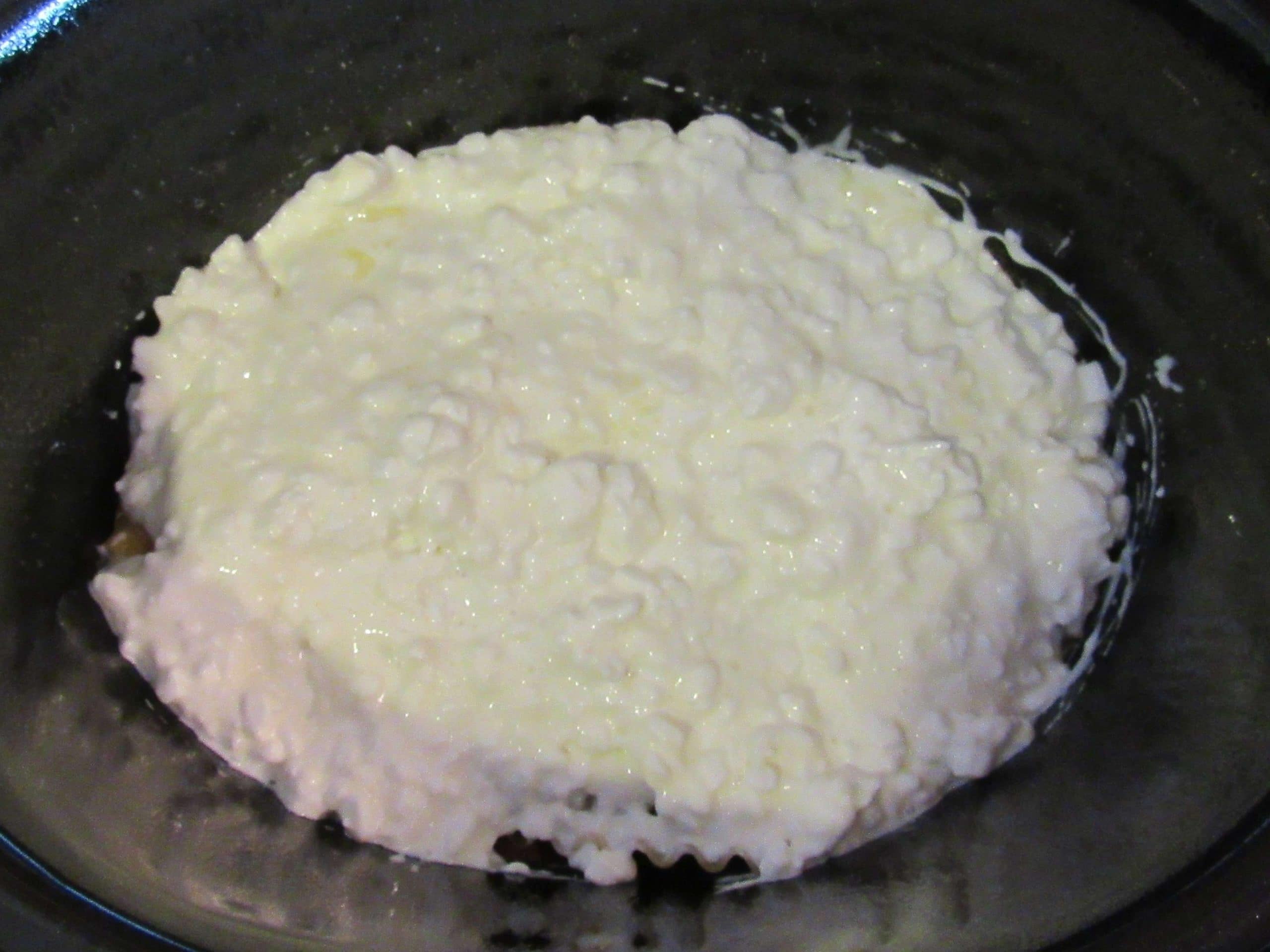
- ✦ Step 1: Measure
Use the same amount of cottage cheese as the ricotta listed in the recipe.
- ✦ Step 2: Drain
Remove obvious excess liquid if the cottage cheese looks very wet.
- ✦ Step 3: Blend if needed
Process the cottage cheese until smooth when the recipe calls for a fine ricotta-like texture.
- ✦ Step 4: Season
Taste before adding salt because cottage cheese can already contain noticeable sodium.
- ✦ Step 5: Cook as directed
Use the prepared cottage cheese mixture in the same place where the recipe calls for ricotta.
When You Should Blend It
Blending is most useful when you dislike visible curds or want a smooth filling for lasagna, manicotti, stuffed shells, or baked pasta. A food processor can turn cottage cheese into a creamy mixture in a short time.
You do not always need to blend it. In hearty lasagna, the curds can add texture and become less noticeable as the dish bakes.
- ✦ Blend for smooth fillings
Use a blender or food processor when the texture needs to closely resemble ricotta.
- ✦ Leave it unblended for texture
Keep small curds intact when you want a more rustic filling.
Can Cottage Cheese Replace Ricotta in Lasagna?
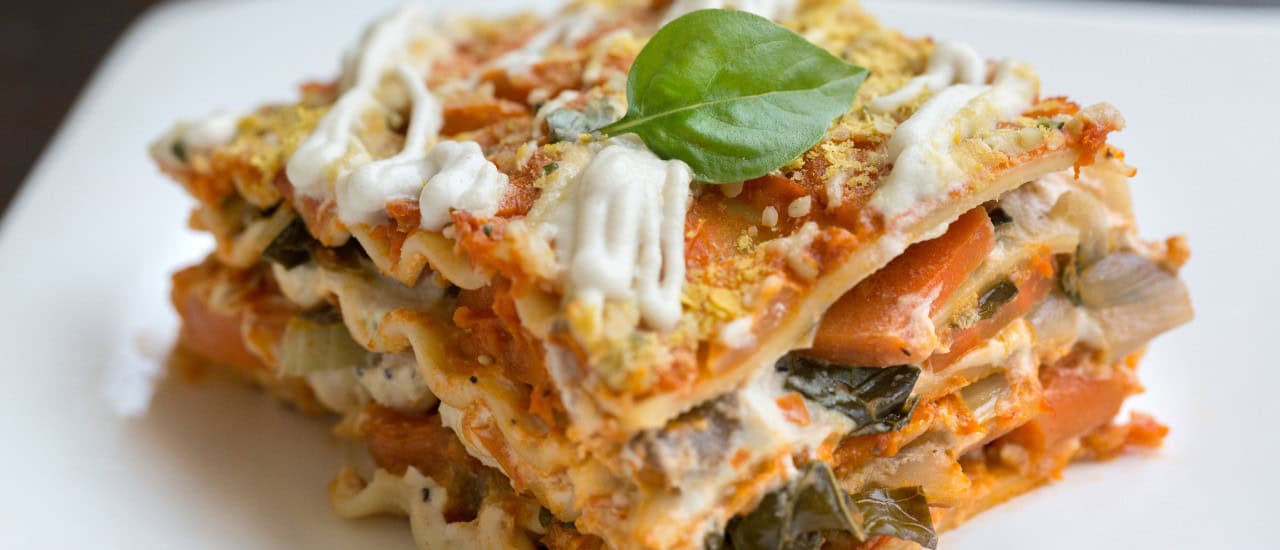
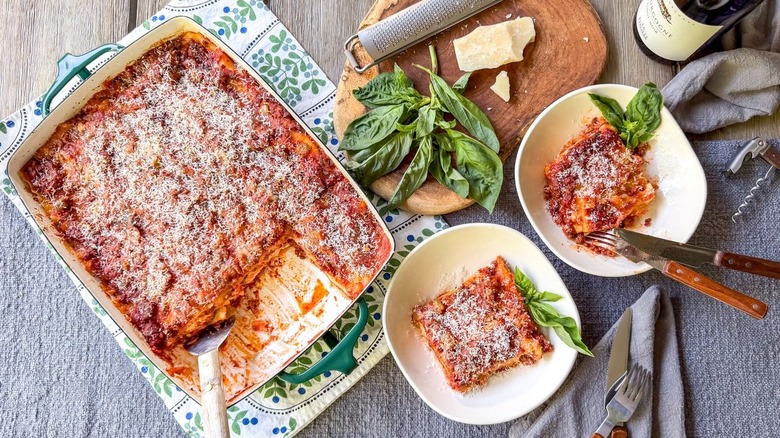
Lasagna is one of the easiest places to use this substitution. **Can cottage cheese be substituted for ricotta in lasagna?** Yes. It works especially well because tomato sauce, pasta, mozzarella, Parmesan, herbs, and seasoning balance the cottage cheese flavor.
For a classic American-style lasagna, use small-curd cottage cheese and drain excess liquid. You can mix it with egg and Parmesan to make a firm filling that spreads easily between the noodles.
If you want the closest texture to traditional ricotta lasagna, blend the cottage cheese first. If you enjoy a little texture, leave the curds intact. Both approaches can produce a satisfying baked lasagna.
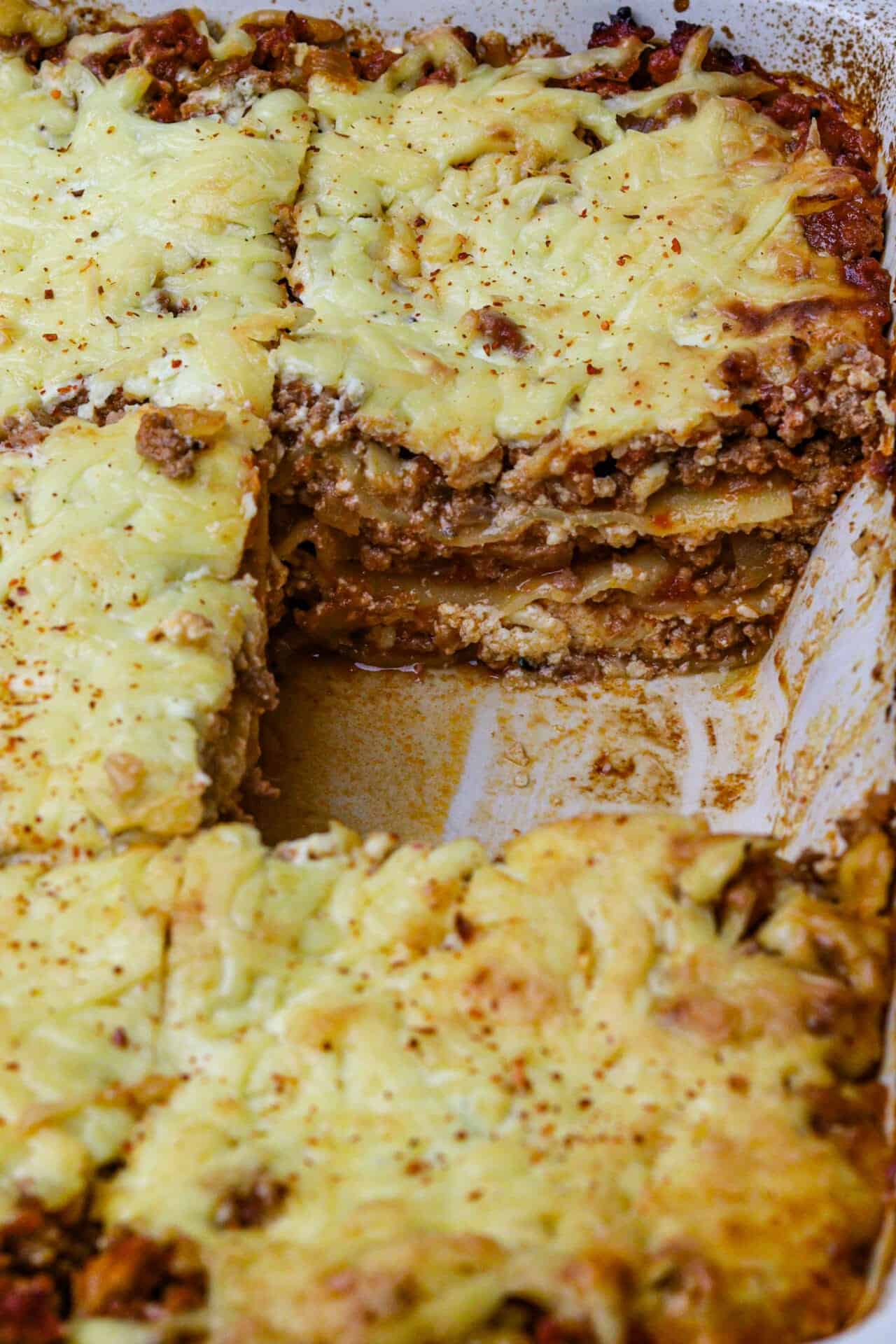
- ✦ Use small curds
Small curds disappear more easily into the cheese layer.
- ✦ Drain excess whey
This helps prevent a loose or watery lasagna.
- ✦ Add an egg
Egg can help bind the cheese layer and make slices easier to serve.
- ✦ Add Parmesan
Parmesan adds savory depth and helps create a richer cheese filling.
- ✦ Let lasagna rest
A short rest after baking helps the layers firm up before slicing.
Cottage Cheese Lasagna Texture Tips
A watery lasagna usually comes from too much moisture in the cheese, sauce, or vegetables. Drain wet cottage cheese and make sure cooked vegetables such as spinach are well drained before layering.
Do not rush the resting period. Giving the lasagna time to cool slightly allows the cheese and sauce to settle, making cleaner slices.
- ✦ Avoid excess liquid
Drain wet cheese and vegetables before assembling the lasagna.
- ✦ Use enough sauce
The dish should stay moist, but very thin sauce can make the layers loose.
Other Recipes Where Cottage Cheese Works as a Ricotta Substitute
The swap is not limited to lasagna. Cottage cheese can work in stuffed shells, manicotti, baked ziti, ravioli fillings, savory pies, and some pasta casseroles. The more forgiving the recipe is about texture, the easier the substitution becomes.
For stuffed pasta, blending the cottage cheese gives you a filling that is easier to pipe and spread. For casseroles, you can often use the cottage cheese straight from the container after draining.
Sweet recipes need more care. Cottage cheese can replace ricotta in some cheesecakes, pancakes, and desserts, but blending is usually important because the curds can remain visible. You may also need to adjust sugar and liquid to match the original recipe.
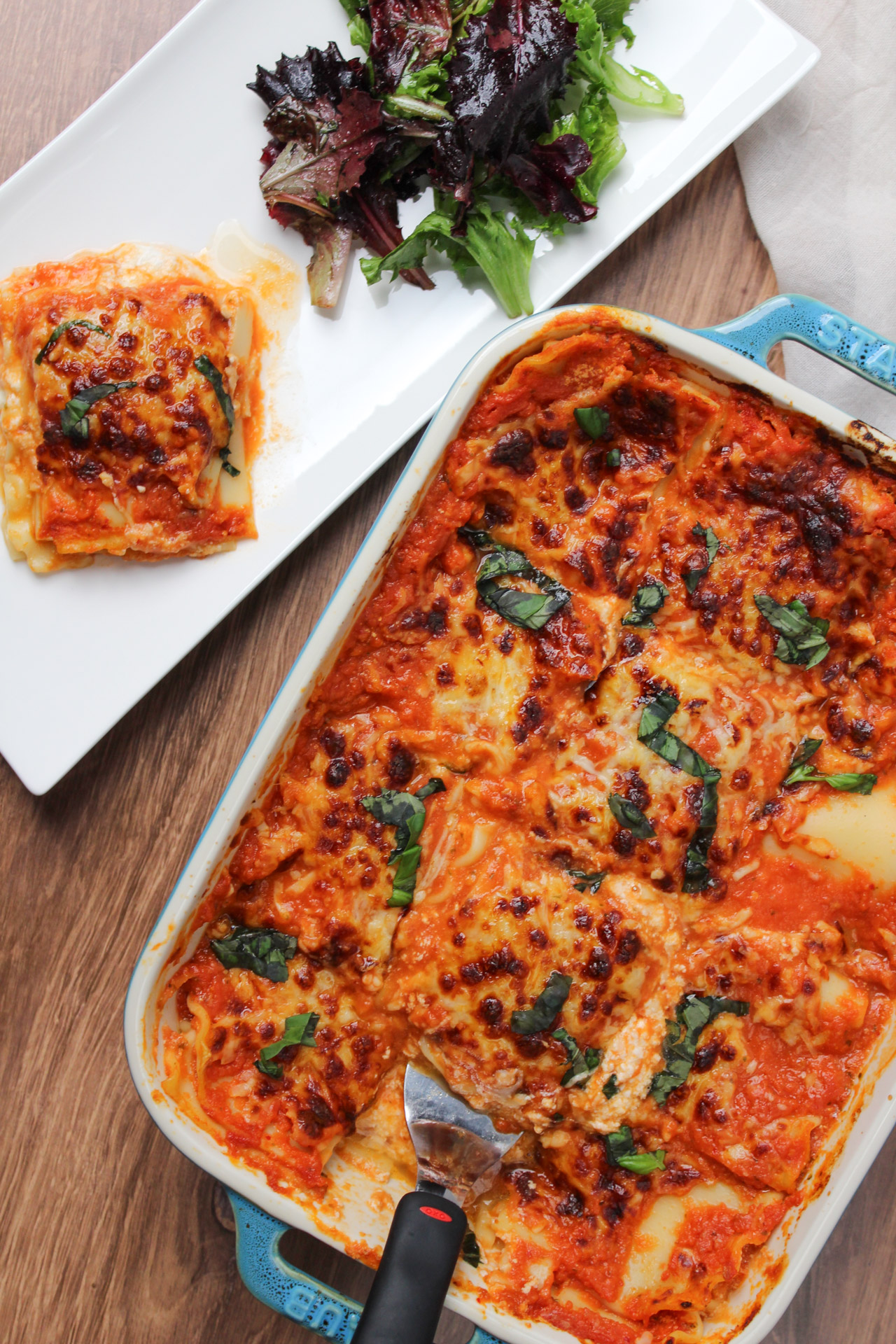
- ✦ Stuffed shells
Blend or finely mash cottage cheese before mixing it with spinach, herbs, Parmesan, and egg.
- ✦ Manicotti
A smooth cottage cheese filling can work well when piped into pasta tubes.
- ✦ Baked ziti
Drained cottage cheese can add creaminess to layered or mixed pasta bakes.
- ✦ Savory casseroles
Cottage cheese works well when combined with pasta, vegetables, sauce, and melted cheese.
- ✦ Desserts
Blend thoroughly and check the recipe’s moisture and sweetness before making a full substitution.
When Cottage Cheese Is Not the Best Swap
The substitution becomes less useful when ricotta is the main flavor or when the recipe depends on a very fine, delicate texture. A simple ricotta dessert or fresh ricotta spread may taste noticeably different with cottage cheese.
Cottage cheese can also be a poor choice when the recipe cannot tolerate extra moisture. In those cases, draining becomes essential, and another ricotta substitute may be easier.
- ✦ Very smooth recipes
Use blended cottage cheese or choose another substitute if even small curds would be noticeable.
- ✦ Very wet recipes
Drain the cottage cheese well or reduce other liquid ingredients.
Does Cottage Cheese Taste Like Ricotta?
Cottage cheese does not taste exactly like ricotta, but the difference can be small in a well-seasoned cooked dish. Ricotta tends to have a gentle milkiness and soft richness, while cottage cheese often has a slightly tangier flavor.
The final taste depends on the cottage cheese you buy. Full-fat cottage cheese usually tastes richer, while low-fat versions may taste lighter and sometimes more acidic. Brand differences also matter because salt and moisture levels vary.
If you are worried about the taste, use cottage cheese with Parmesan, garlic, basil, oregano, black pepper, or a little egg. These ingredients help the cheese blend into the overall dish rather than standing out on its own.
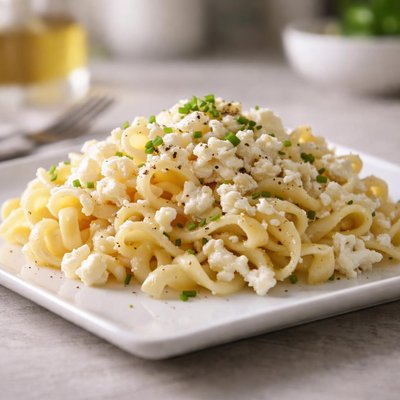
- ✦ For a mild result
Choose a plain cottage cheese with a mild flavor and avoid strongly seasoned varieties.
- ✦ For more richness
Use full-fat cottage cheese and pair it with Parmesan or another flavorful cheese.
- ✦ For less visible texture
Blend the cottage cheese until smooth before adding it to the recipe.
- ✦ For savory recipes
Use herbs, garlic, pepper, and Parmesan to create a fuller flavor.
Can You Mix Cottage Cheese and Ricotta?
Yes. Mixing the two cheeses is a useful middle ground when you want the creaminess of ricotta and the texture or convenience of cottage cheese.
A half-and-half blend is an easy starting point. You can change the ratio based on the texture and flavor you prefer without changing the rest of the recipe.
- ✦ Half and half
Use equal amounts of cottage cheese and ricotta for a balanced texture.
- ✦ More cottage cheese
Increase cottage cheese when you want more curd texture and a lighter filling.
- ✦ More ricotta
Increase ricotta when you want a smoother and richer result.
How to Get the Best Results Every Time
The best answer to **can cottage cheese be substituted for ricotta** is not just about whether the swap works. It is also about how you prepare the cottage cheese before adding it. A few small adjustments can make the finished dish much closer to what you expected.
Start by checking the cottage cheese in the container. If you see a pool of liquid, drain it. If the recipe calls for a smooth filling, blend it. If the recipe is rustic and hearty, you can usually keep the curds intact.
Taste the mixture before baking whenever possible. Cottage cheese can vary in salt and tang, so tasting lets you adjust herbs, pepper, Parmesan, or salt before the cheese is locked into the dish.
- ✦ Drain first
Remove excess whey when the cheese looks wet.
- ✦ Blend for smoothness
Process the cheese when the recipe depends on a creamy, uniform texture.
- ✦ Season carefully
Taste before adding salt because cottage cheese may already be salty.
- ✦ Keep the ratio simple
A 1:1 replacement is the best starting point for most savory recipes.
- ✦ Rest baked dishes
Allow lasagna and casseroles to rest before cutting so the filling can set.
A Simple Kitchen Test
When I am unsure whether a substitution will work, I test a small amount first. Mix a spoonful of cottage cheese with the seasonings from the recipe, then taste it before preparing the whole dish.
This quick test can reveal whether the cheese needs draining, blending, more seasoning, or a richer ingredient. It is especially useful when trying a new cottage cheese brand.
- ✦ Check moisture
Look for excess whey before deciding whether the cheese needs draining.
- ✦ Check texture
Blend a small portion if you want to compare a smooth texture before preparing the full recipe.