Most ovens stop working because of electrical faults, failed heating parts, or control board issues.
As a technician and longtime appliance writer, I’ve seen every oven failure you can imagine. This article digs into what causes an oven to stop working, how to diagnose common faults, and when to fix it yourself vs. call a pro. Read on for clear steps, real-world tips from my repair experience, and practical prevention advice so you waste less time and money when your oven acts up.
Common reasons an oven stops working
Several core problems cause ovens to fail. Knowing these helps you narrow down the issue fast.
- Electrical supply problems: Power loss, tripped breakers, or loose wiring stop ovens from powering on.
- Failed heating elements: Burned-out bake or broil elements mean no heat.
- Faulty control board or clock: The oven may show errors or not respond to commands.
- Thermostat or temperature sensor issues: Oven runs cool, overheats, or won’t maintain set temperatures.
- Igniter or gas supply problems (gas ovens): A weak igniter or blocked gas line prevents ignition.
- Door switch or latch faults: Safety switches can prevent the oven from operating.
- Thermal fuses and safety cutouts: These components blow to prevent fires and stop the oven entirely.
If you ask, "What causes an oven to stop working?" the answer often falls into one of these categories. I’ll walk through each cause with signs, tests, and fixes in the next sections.
Electrical and power issues
Power is the simplest but most common culprit.
- Signs to look for: Oven display blank, lights off, or circuit breaker tripped.
- Quick checks: Verify the breaker, test other outlets, and ensure the range cord is plugged in securely.
- Internal wiring risks: Loose or burned connections at the terminal block or control board can stop the oven.
- Safety note: Always cut power at the breaker before inspecting internal wiring.
From my experience, loose terminal screws at the back of the range are a surprisingly common cause. Tightening or replacing a damaged cord often restores power quickly. If breakers continue to trip, a licensed electrician should inspect the circuit.

Heating element and igniter failures
No heat is an obvious symptom.
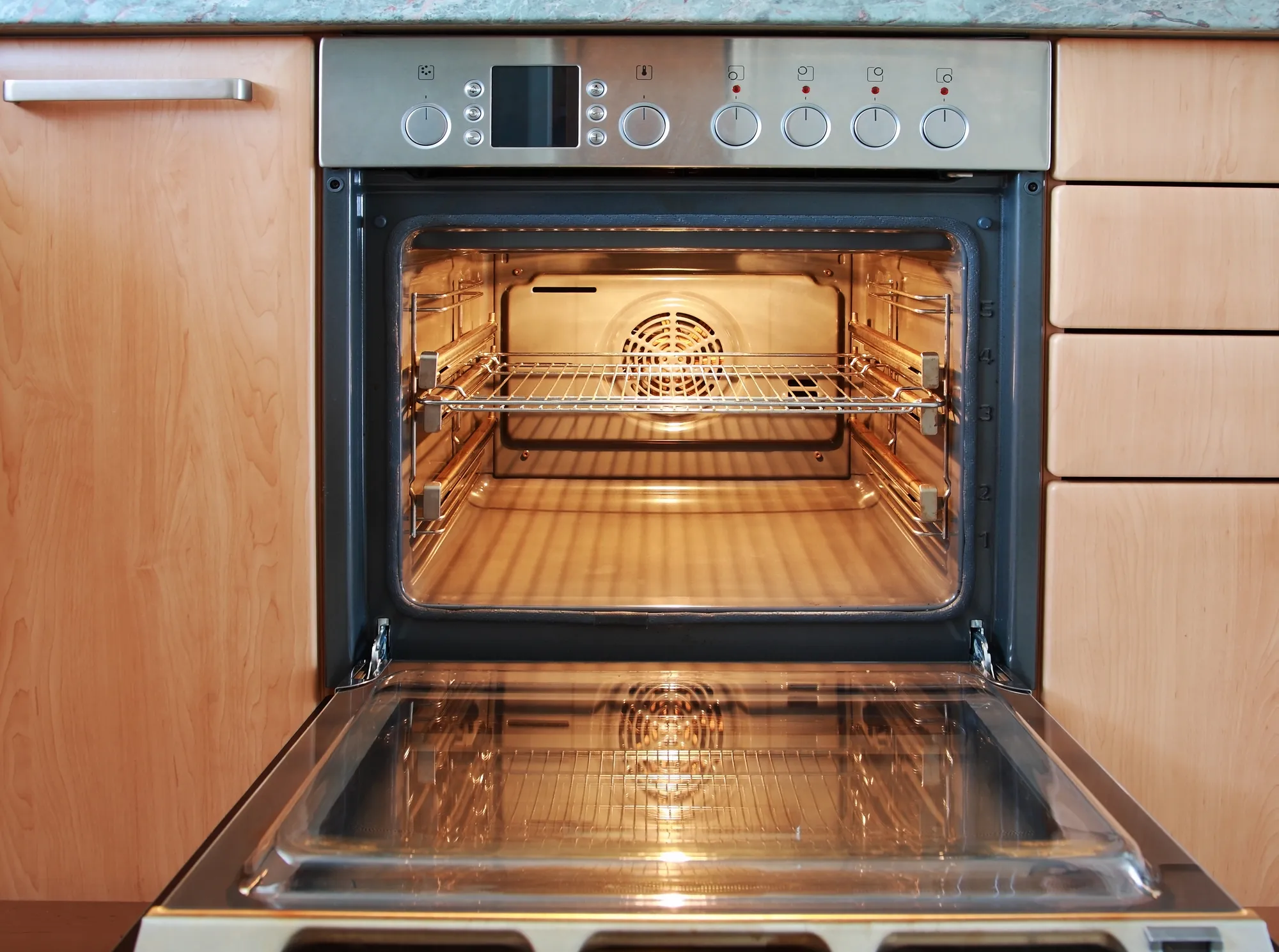
- Electric ovens: Bake and broil elements can burn out or develop hot spots.
- Gas ovens: A weak or failing igniter can take longer to light or fail completely.
- How to test: Look for visible breaks or use a multimeter to test for continuity on elements and igniters.
- Typical fixes: Replace the element or igniter; these parts are usually affordable and fairly easy to swap.
I once replaced a bake element in less than 20 minutes and the oven worked like new. If the element shows blisters, cracks, or no continuity, replacement is the right move.
Control board, relays, and electronic failures
Modern ovens rely on electronics, and these can fail.
- Symptoms: Oven won’t heat despite power, buttons don’t work, or display shows strange codes.
- What fails: Main control boards, touch panels, and relays that send power to heating elements.
- Troubleshooting: Check for error codes, inspect for burn marks, and test outputs with a meter if you’re comfortable.
- Repair vs. replace: A failed control board is often costly. Sometimes replacing the board makes sense; other times a technician can repair relays.
Electronics can be sensitive to power surges. Use a surge protector for your range if available, and consult a certified tech for control board diagnostics.
Thermostat and temperature sensor problems
If the oven heats but temperature is wrong, this area is suspect.
- Symptoms: Oven runs too hot, too cold, or temperature swings wildly.
- Components: Temperature sensors, thermostats, and calibration settings.
- Tests: Compare set temperature to an oven thermometer. Use a multimeter to test sensor resistance per the manufacturer’s spec.
- Fixes: Replace a faulty sensor or recalibrate the oven if possible.
I recommend an oven thermometer as the first inexpensive test. Often a cheap sensor swap restores consistent baking.

Gas-specific issues: ignition, gas valve, and safety
Gas ovens have unique failure modes.
- Igniter wear: Igniters weaken over time and fail to open the gas valve.
- Gas supply problems: Shutoff valves, faulty regulators, or blocked lines prevent flow.
- Safety components: Thermocouples and valves may shut the gas if a problem is detected.
- Safety first: Never smell gas—if you do, evacuate and call the gas company.
A weak flame or long ignition delay usually points to the igniter. Replacing this part or cleaning the burner assembly often fixes the issue. Work with a pro for gas valve or line problems.

Door, switches, and mechanical faults
Small parts can stop the whole oven.
- Door switches: If the oven thinks the door is open, it may not heat.
- Hinges and seals: Poor seals can prevent proper temperature and trigger safety limits.
- Timer or latch faults: Mechanical timers or faulty latches can make the oven non-responsive.
A simple door switch test and visual inspection of the gasket can save hours. I once fixed a no-heat issue by simply reseating a misaligned latch.

Step-by-step troubleshooting you can try safely
A clear process helps isolate the problem.
- Check power
- Verify breaker and outlet. Try another appliance on the same outlet.
- Observe symptoms
- No power, no heat, display errors, or odd noises point to different faults.
- Use an oven thermometer
- Compare temps to the set temperature to check sensors or calibration.
- Inspect visible parts
- Look for burned wiring, cracked elements, or loose connections.
- Test components as you’re able
- Use a multimeter for continuity checks on elements, sensors, and fuses.
- Replace small parts
- Elements, sensors, igniters, and fuses are often DIY-friendly.
- Call a pro for complex issues
- Control boards, gas lines, and wiring repairs are best left to licensed technicians.
Follow safety rules: unplug electric ovens or shut power at the breaker and turn off gas supply before working. My tip: take photos before disassembly so you can reassemble correctly.
Prevention and maintenance tips
Keep your oven working longer with routine care.
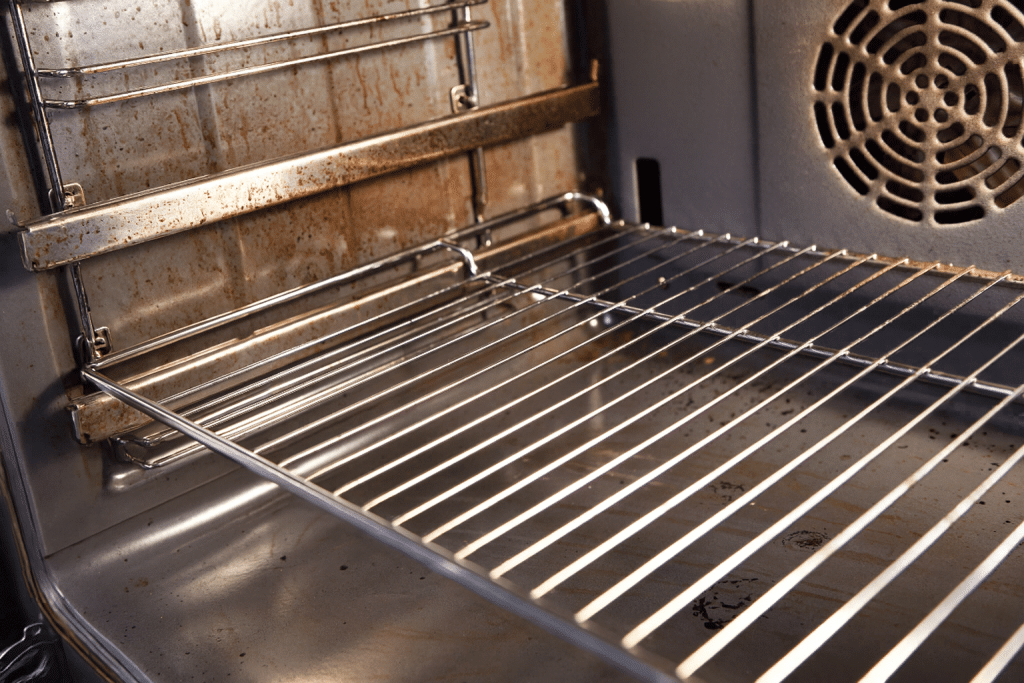
- Clean regularly: Remove grease and spills to prevent damage to parts and sensors.
- Check seals: Replace worn gaskets to keep heat in.
- Avoid heavy pans on open doors: This strains hinges and door switches.
- Run a self-clean only as recommended: High-heat cycles can age parts faster if used too often.
- Inspect cords and plugs: Replace damaged power cords promptly.
- Schedule checks: A yearly inspection by a technician helps catch early problems.
I advise cleaning spills promptly and avoiding abrasive cleansers on sensors. A little care prevents many common causes of failure.
When to call a professional
Some problems need expert hands.
- You smell gas or detect a leak.
- Breakers trip repeatedly after resetting.
- Control board diagnostics or wiring repairs are required.
- You’re unsure how to safely test parts with a multimeter.
Calling a certified appliance technician or licensed electrician ensures safe, code-compliant repairs. From my experience, trying complex repairs without proper tools often costs more in the long run.
Frequently Asked Questions of What causes an oven to stop working
Why does my oven lose heat and not reach the set temperature?
A faulty temperature sensor, thermostat, or a broken heating element can prevent the oven from reaching or holding the set temperature. Use an oven thermometer and test the sensor with a multimeter to narrow it down.
The oven display is blank—what should I check first?
First check the circuit breaker and power supply, then inspect the oven’s power cord and terminal block. If power is present but the display stays blank, the control board or display module may be faulty.
My gas oven won’t light—what are common causes?
Common causes include a weak igniter, blocked burner ports, or a faulty gas valve. If you smell gas, stop and call your gas company or a licensed technician immediately.
Can I replace a heating element myself?
Yes, replacing an electric oven element is usually straightforward and safe if you cut power at the breaker. Remove the terminal screws, swap the element, and reconnect carefully.
Why does my oven trip the breaker when I turn it on?
A short in the element, damaged wiring, or a failing control board can cause a breaker trip. Stop using the oven and call an electrician if the breaker trips repeatedly.
How often should I have my oven serviced?
An annual checkup is a good rule of thumb, especially for heavy users. Routine service helps catch early wear on elements, igniters, and safety devices.
Conclusion
Most oven failures trace back to a few common causes: power issues, failed heating parts, electronic control faults, sensors, or gas ignition problems. Use a step-by-step approach—check power, observe symptoms, test simple parts, and replace inexpensive components when safe. For gas leaks, complex wiring, or control board faults, call a professional. My practical tip: keep an oven thermometer and basic tools handy; a small test or part swap can often restore function quickly. Try the troubleshooting steps, schedule routine maintenance, and share your experience or questions below to learn more.