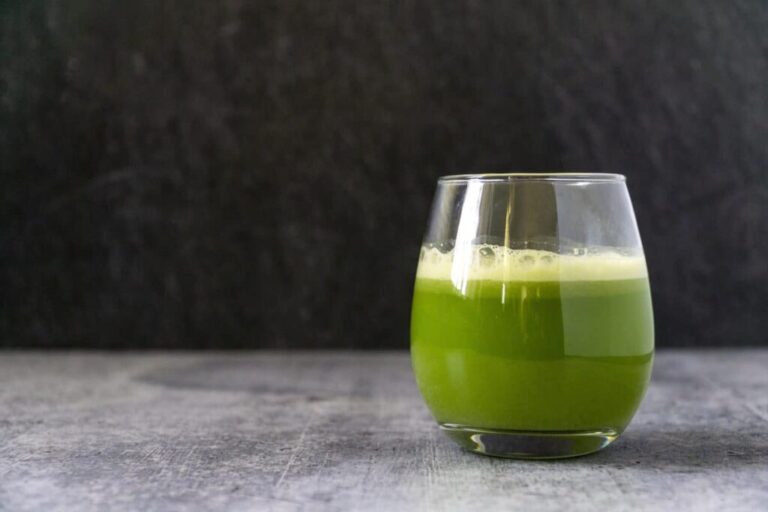
Blend chopped celery with a little water, pulse in a blender, then strain and drink fresh.
I’ve made celery juice with a blender hundreds of times for myself and friends. This guide walks you through clear, safe steps to get a smooth, bright juice using a regular blender. You’ll learn how to pick celery, prep it, blend without clogging, strain for silky juice, store safely, and fix common problems. Read on for practical tips, helpful variations, and my real-world lessons so you can make celery juice with a blender confidently and quickly.

Why make celery juice with a blender?
Making celery juice with a blender is simple and affordable. You only need fresh stalks and a basic blender. This method works well when you don’t own a juicer. It lets you keep more fiber if you like, or strain for a clear drink. I prefer the blender method when I want control over texture and flavor.
Benefits of this method:
- Saves money compared to buying cold-pressed juice.
- Easy to do in small batches.
- Lets you customize consistency and mix-ins.
Limitations to know:
- You often need to strain to remove stringy pulp.
- Blender juice can foam or oxidize faster than juicer-extracted juice.
- Fresh taste is best within 24–48 hours.

Ingredients and preparation
Ingredients for a single 12-ounce serving:
- 6 to 8 large celery stalks, washed and trimmed
- 2 to 4 tablespoons cold water (optional)
- A squeeze of lemon or a small apple (optional, for flavor)
Prep steps:
- Rinse celery under cold water to remove dirt and residues.
- Trim the base and the leafy tops if you prefer milder flavor.
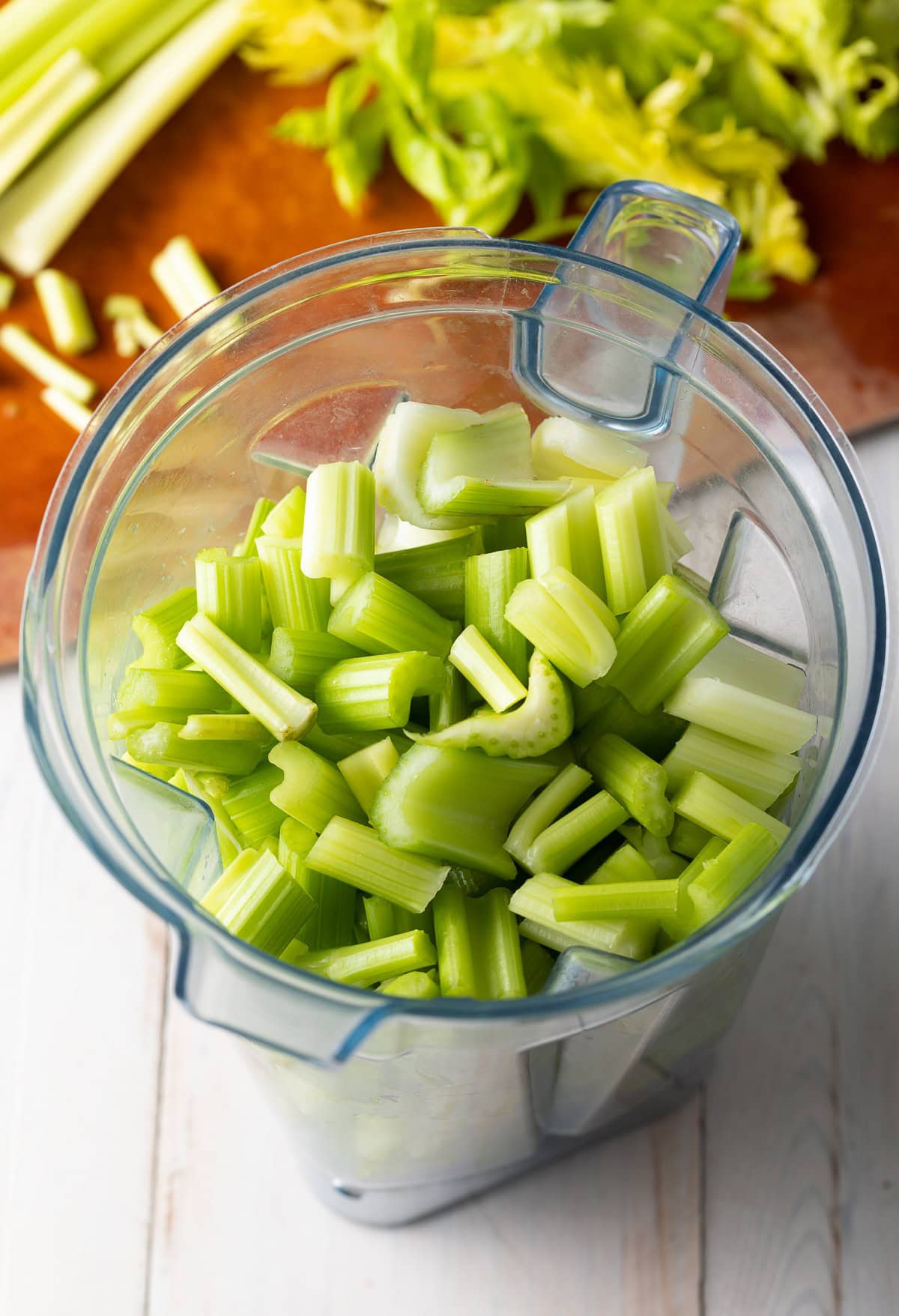
- Chop into 1- to 2-inch pieces so blades can handle them easily.
- If celery is very fibrous, peel tough outer strings with a vegetable peeler.
Choosing celery tips:
- Look for bright green stalks with crisp ribs.
- Avoid limp or yellowing pieces.
- Organic celery reduces potential residue from pesticides, but wash all celery thoroughly.
Equipment you’ll need
Essential tools:
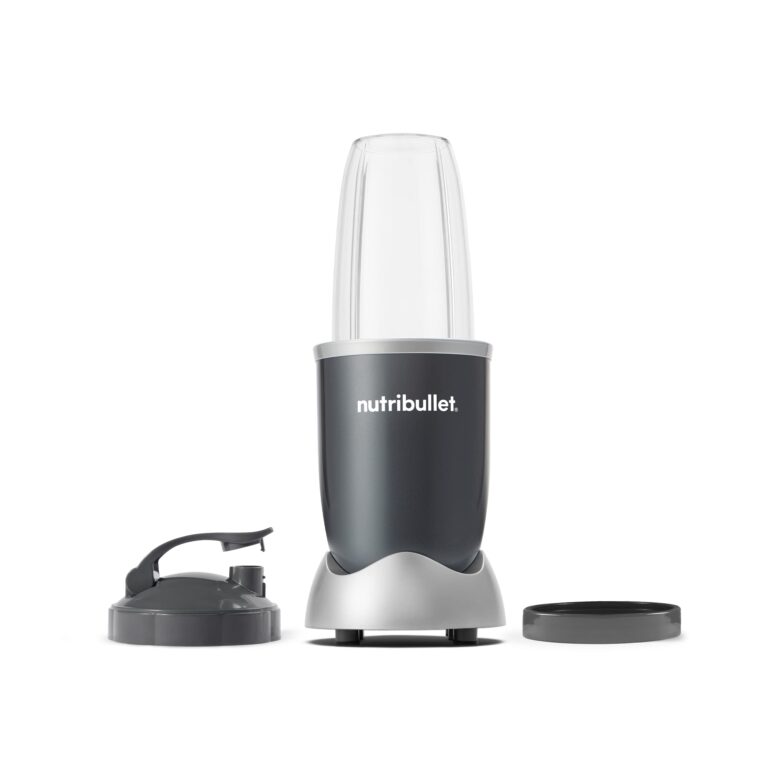
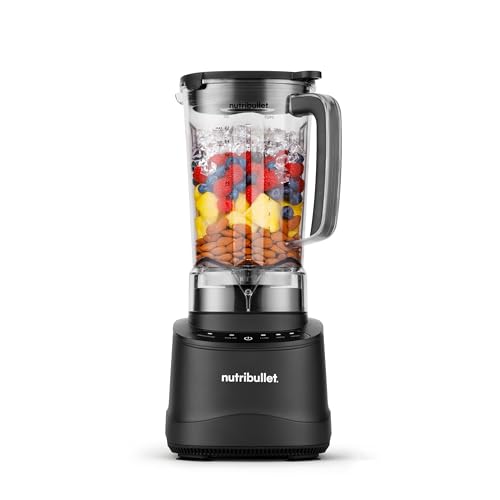
- A mid-to-high speed blender (1,000–1,500 watts is ideal).
- A fine mesh strainer, nut milk bag, or cheesecloth to strain pulp.
- A large bowl to catch juice.
- Glass bottle or jar for storage.
Optional helpful items:
- A tamper or spatula to push celery toward the blades.
- A citrus juicer if you add lemon or lime.
- A measuring cup for water and yields.
Why a blender works:
- Blenders break down cell walls and release juice.
- High-speed blades reduce stringiness and make pulp finer.
- Most home blenders give good results without a dedicated juicer.

How to make celery juice with a blender: step-by-step
Follow these steps for clear, tasty celery juice.
-
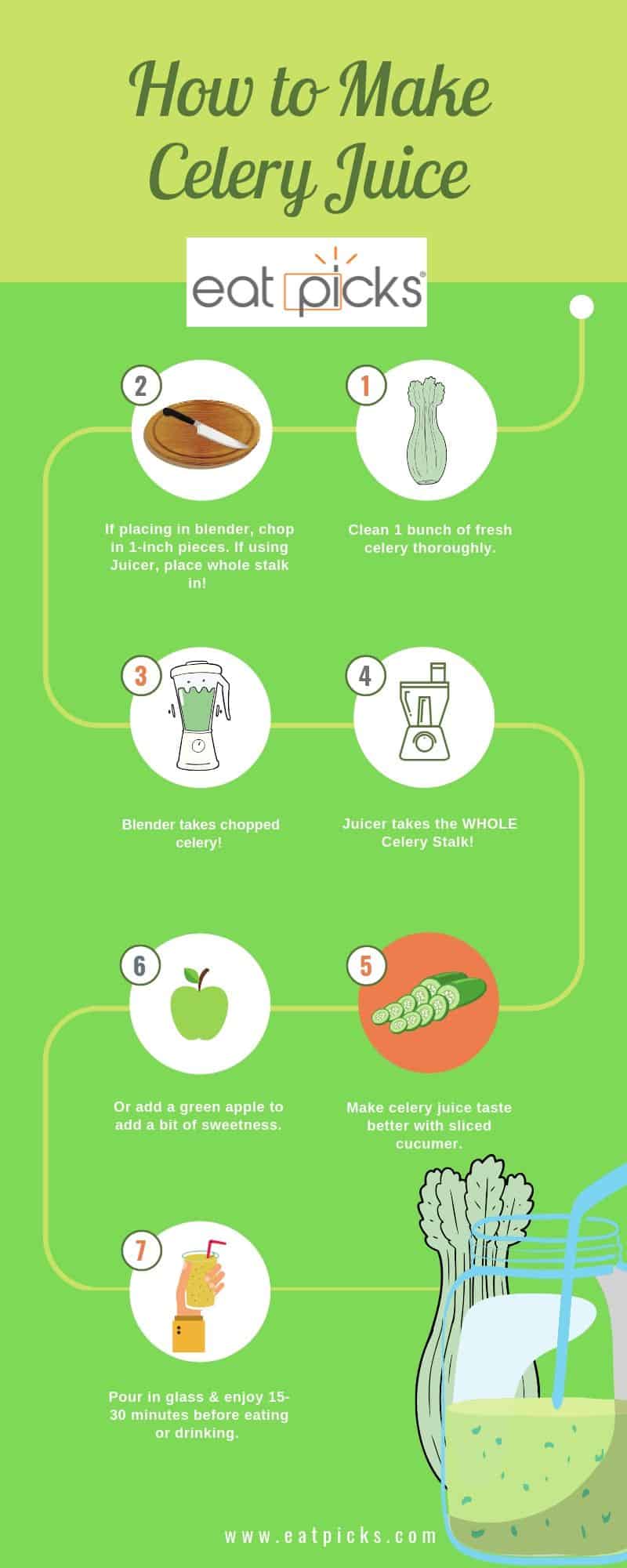
Prep celery
- Wash, trim, and chop 6–8 stalks.
- Cut pieces small so the blender can handle them.
-
Add celery to blender
- Fill the blender jar about three-quarters full.
- Add 2 tablespoons of cold water to start. Add more if needed.
-
Pulse, then blend
- Pulse 3–4 times to break up large pieces.
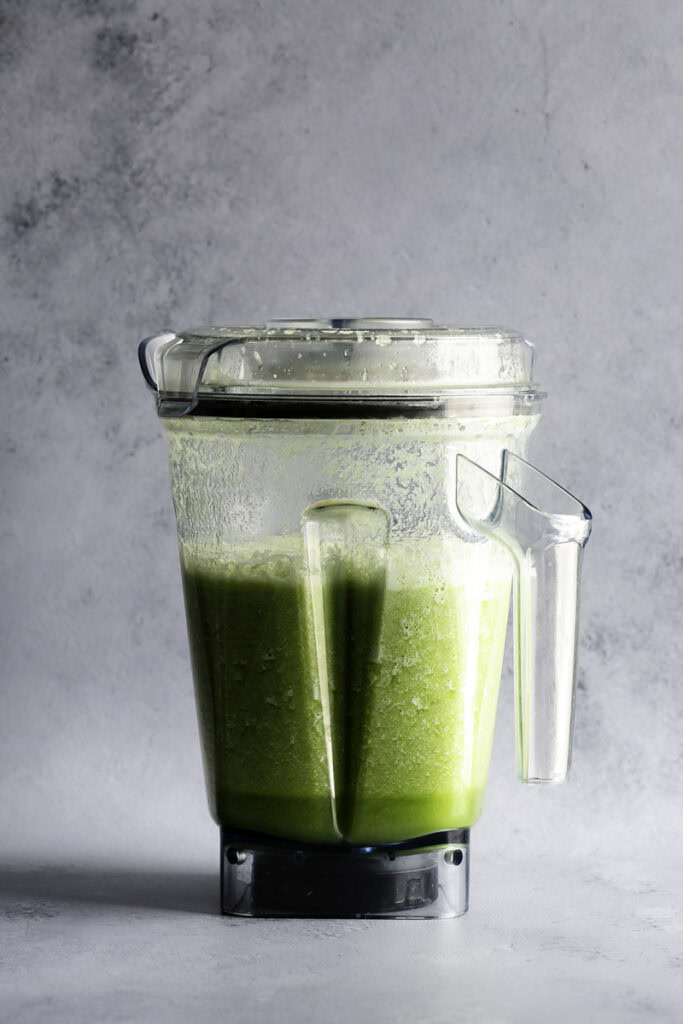
- Blend on high for 30–60 seconds until mostly smooth.
- If mixture is stubborn, stop and stir, then blend again.
-
Strain the juice
- Place a fine mesh strainer over a bowl or use a nut milk bag.
- Pour blender contents and press or squeeze to extract juice.
- Compost or save pulp for smoothies, soups, or baking.
-
Serve immediately
- Pour into a glass and sip fresh.
- Optional: add lemon juice, ginger, or apple for flavor.
Timing and yield:
- Expect about 8–12 ounces of juice from 6–8 stalks.
- Blending time is short. Total prep to cup is about 5–10 minutes.
Common ratios and tweaks:
- For milder flavor, add 1 small apple or 1/2 cucumber.
- For thinner juice, add 2–4 tablespoons water during blending.
Tips, flavor variations, and personal tricks
Simple tips I use often:
- Chill celery beforehand for a brighter flavor.
- Use a tamper to keep celery moving toward blades.
- Don’t overfill the blender; work in batches if needed.
Flavor boosters:
- Add a quarter apple for sweetness.
- Add a small knob of ginger for bite.
- Add lemon for freshness and to slow oxidation.
Pulp ideas:
- Freeze pulp in ice cube trays for soups or smoothies.
- Mix pulp into veggie burgers or crackers for fiber.
Short PAA-style questions inside tips:
Can I blend celery without water?
Yes, you can but the blender may struggle. Add a tablespoon or two to help blades move and protect the motor.
Will adding fruit change the health benefits?
Adding fruit changes sugar content and flavor but keeps most of the vitamins. Balance fruit additions if you watch sugars.
How to reduce bitterness?
Pick fresh, crisp celery and remove leaves. Add apple or lemon to mask bitterness.

Nutrition, benefits, and limitations
Nutrition snapshot:
- Celery is low in calories and a good source of vitamin K.
- It provides small amounts of vitamin C, potassium, and fiber (mostly in the pulp).
- Juice concentrates water and some minerals but removes most fiber.
Health benefits people report:
- Hydration support and a light source of micronutrients.
- A refreshing low-calorie drink to replace sugary beverages.
Limitations and caution:
- Celery juice is not a cure-all. Claims about dramatic detox effects lack strong clinical evidence.
- People on blood pressure meds should check with a clinician before heavy daily consumption.
- Pregnant and nursing people should consult health care providers for any major diet change.
Storage, serving, and food safety
Best practices for freshness:
- Drink celery juice within 24 hours for best flavor and nutrients.
- Store in an airtight glass bottle in the fridge for up to 48 hours.
- Fill the bottle to the top to limit air contact and oxidation.
Food safety tips:
- Keep everything clean: blender jar, strainer, and bottles.
- Discard juice that smells off or appears cloudy after refrigeration.
- Avoid leaving fresh juice at room temperature for more than two hours.
Serving ideas:
- Serve chilled with ice and a squeeze of lemon.
- Mix into green smoothies for extra hydration.

Troubleshooting common mistakes
Problem: Blender won’t process celery well
- Fix: Chop celery finer and add a tablespoon of water. Pulse first then blend.
Problem: Juice is stringy or pulpy
- Fix: Use a fine mesh strainer or nut milk bag and press well. Blend longer for finer pulp.
Problem: Juice foams or separates
- Fix: Let juice sit in the fridge 10–20 minutes, then skim foam. Serve cold.
Problem: Bitter taste
- Fix: Use fresher celery, remove leaves, or balance with apple or lemon.
Problem: Low yield
- Fix: Pack celery tightly in the blender and press pulp firmly when straining.

Frequently Asked Questions of how to make celery juice with a blender
H3: How long does homemade celery juice last in the fridge?
Homemade celery juice keeps best for 24 hours in an airtight glass bottle. It can last up to 48 hours but loses freshness and some nutrients.
H3: Do I need to peel celery before blending?
You do not need to peel celery. Removing tough outer strings can reduce stringiness and improve texture for the juice.
H3: Can I use frozen celery to make juice?
You can use frozen celery, but texture may be slightly different and yield may drop. Thaw briefly and add a splash of cold water before blending.
H3: Is it better to strain celery juice or drink it with pulp?
Straining makes a clear, smooth juice and may taste fresher. Drinking with pulp keeps more fiber and is more filling.
H3: Will celery juice interact with medications?
Celery can affect blood pressure and interact with some medications. Check with your healthcare provider if you take prescriptions.
H3: Can children drink celery juice made in a blender?
Yes, in small amounts as part of a balanced diet. Watch for allergies and avoid adding too much concentrated juice for young children.
Conclusion
Making celery juice with a blender is fast, economical, and flexible. Pick crisp celery, chop well, blend with a bit of water, then strain for smooth juice. Use the tips here to avoid stringy texture, reduce bitterness, and store juice safely. Try one variation today—maybe celery and apple—and note how it makes you feel. If you enjoyed this guide, leave a comment, share your favorite tweak, or subscribe for more simple, healthy kitchen tips.