Blend chopped celery with a little water, then strain for smooth, fresh celery juice fast.
I’ve spent years testing simple kitchen techniques and teaching people how to juice celery with a blender. This guide shows step-by-step how to get clear, tasty celery juice using a common blender, plus tips to keep nutrients, avoid bitterness, and store juice safely. Read on to master the method and skip the expensive juice bar.
Why juice celery?
Celery juice is popular for its mild flavor and high water content. It delivers vitamins, minerals, and hydration in a quick, drinkable form.
Juicing celery with a blender keeps things cheap and accessible. You can make small batches at home without a juicer. I’ll explain how to keep most nutrients intact and make pleasant-tasting juice every time.

What you need
- A blender with a secure lid — high-speed blenders work best for smooth texture.
- A fine mesh strainer, nut milk bag, or cheesecloth to separate pulp.
- Fresh celery stalks, preferably organic to reduce pesticide residue.
- A sharp knife and cutting board for quick prep.
- A pitcher or jar for collecting juice and a spoon or spatula to press pulp.
- Cold water — enough to help the blender process celery without overly diluting it.
From my experience, a mid-range blender plus a nut milk bag gives great yield and clarity. Avoid using dull knives; clean cuts reduce bruising and bitterness.
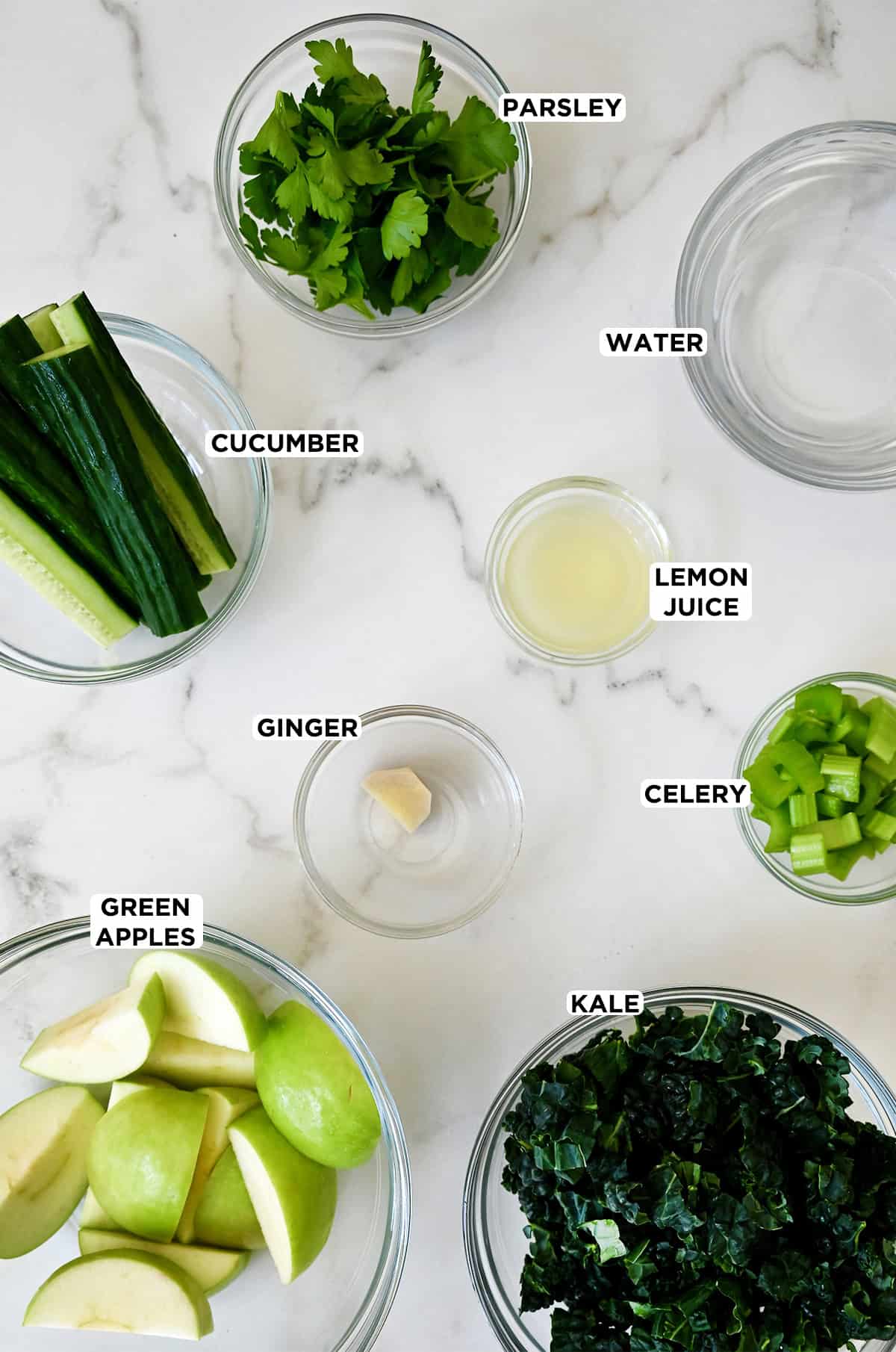
Step-by-step: how to juice celery with a blender
-
Wash and trim celery
- Rinse stalks under cold water. Remove tough or discolored ends and any leaves you dislike. Chop into 1- to 2-inch pieces.
-
Load the blender
- Add celery pieces to the blender jar. Pour in cold water — start with about 1 cup water per 6 to 8 large stalks. The water helps the blender move the fibers.
-
Blend in short bursts
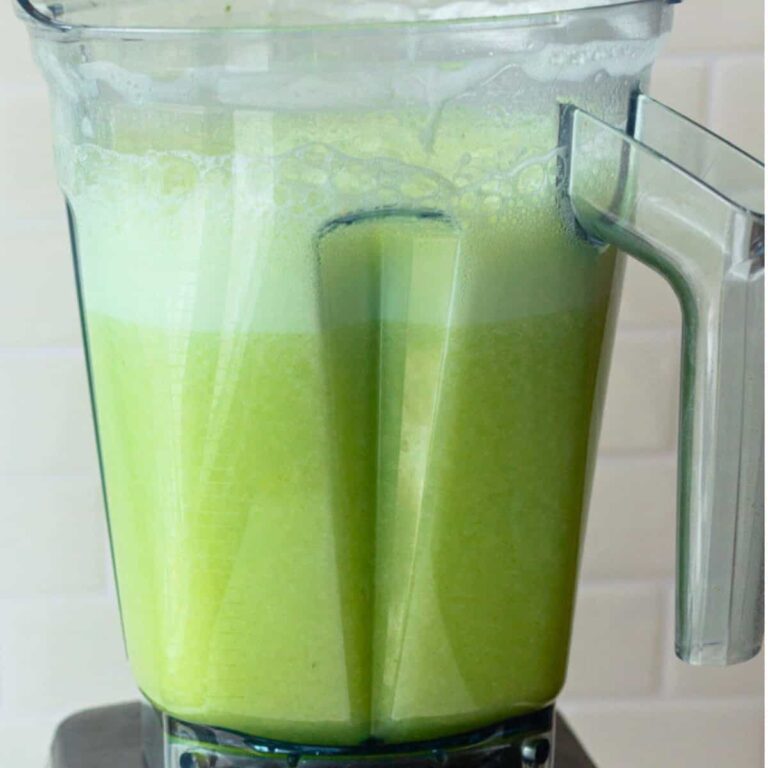
- Pulse a few times, then blend on high for 30 to 60 seconds. Stop and scrape the sides if needed. You want a mostly smooth slurry, not long fibers.
-
Strain the slurry
- Place a nut milk bag or cheesecloth over a bowl or pitcher. Pour the blended mix in and gently squeeze to extract juice. Press until the pulp is mostly dry.
-
Taste and adjust
- If juice is too strong, add a splash of water or a squeeze of lemon. If too thin, reduce water next time or blend more celery per cup.
-
Clean up and store
- Transfer juice to a sealed jar. Refrigerate and drink within 24 to 48 hours for best flavor and nutrition.
Tips from testing: don’t overfill the blender. Blend in batches if needed. Short bursts prevent the motor from overheating and make straining easier.

Flavor, nutrition, and variations
Celery juice has a grassy, slightly salty taste. Small tweaks improve flavor without masking celery’s profile.
- Add a little cucumber for milder taste and more hydration.
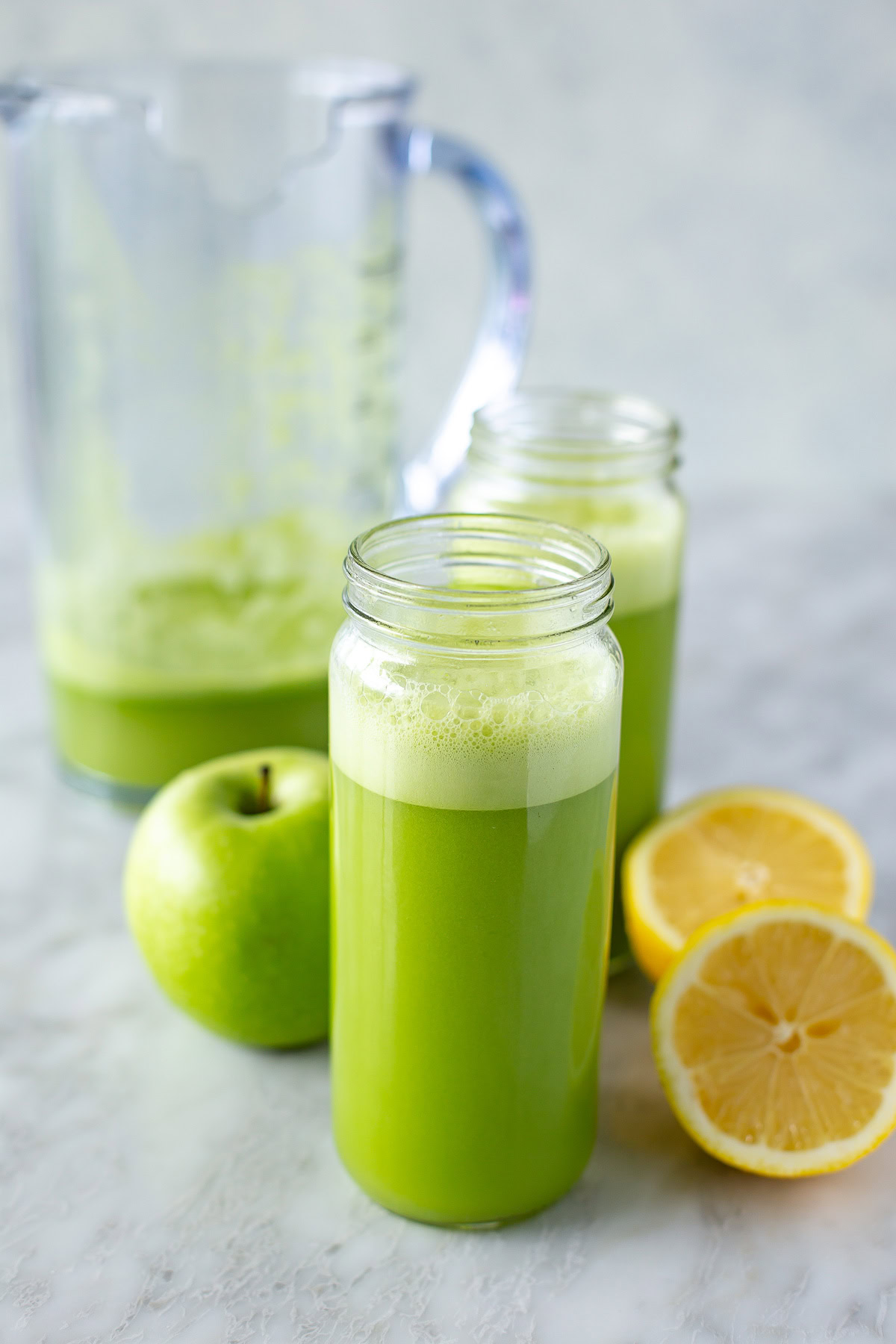
- A squeeze of lemon brightens flavor and helps mask bitterness.
- A few leaves of mint or a small green apple can add freshness and sweetness.
- If you want more fiber, skip full straining and use a coarse strainer to keep pulp.
Nutritionally, celery provides vitamin K, potassium, and antioxidants. When you strain juice, you lose fiber but retain water-soluble vitamins and minerals. To retain more fiber, blend and drink the slurry or add some pulp back into the juice.
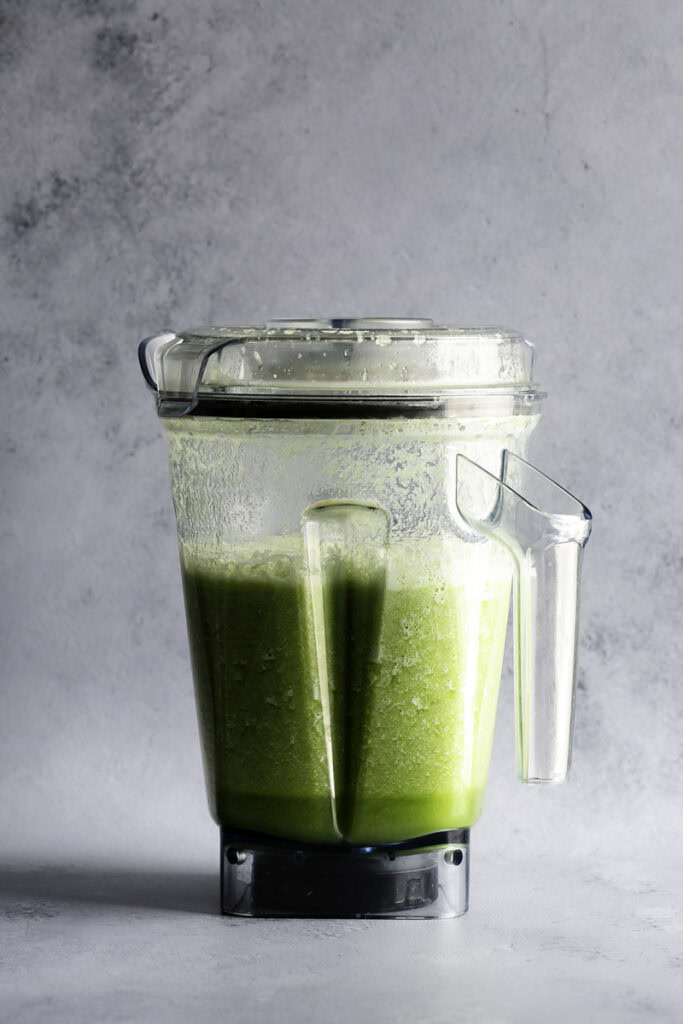
Will blending damage nutrients?
Blending does not destroy most nutrients. Short blending times preserve vitamins and antioxidants. Heat from long blending can reduce some nutrients, so keep blending under a minute.
Can I juice without straining?
Yes. If you prefer full fiber, drink the blended mix without straining. It will be thicker and more filling.
Troubleshooting and common mistakes
Celery juice can turn bitter or slimy if handled poorly. Here are fixes I use.
-
Bitter juice
- Use fresher celery and remove browned parts. Bitterness often comes from older stalks or core pieces.
-
- Over-blending or leaving juice at room temperature can create slime. Blend briefly and chill juice quickly.
-
Low yield
- Press the pulp firmly with a spatula inside the nut milk bag. Cold water helps release more liquid when blending.
-
Motor strain
- Don’t overload the blender. Cut celery into small pieces and add water. Blend in batches if needed.
From my mistakes: I once pushed celery into an underpowered blender. It overheated and made a stringy mess. Learn from that — use pulses and add water.
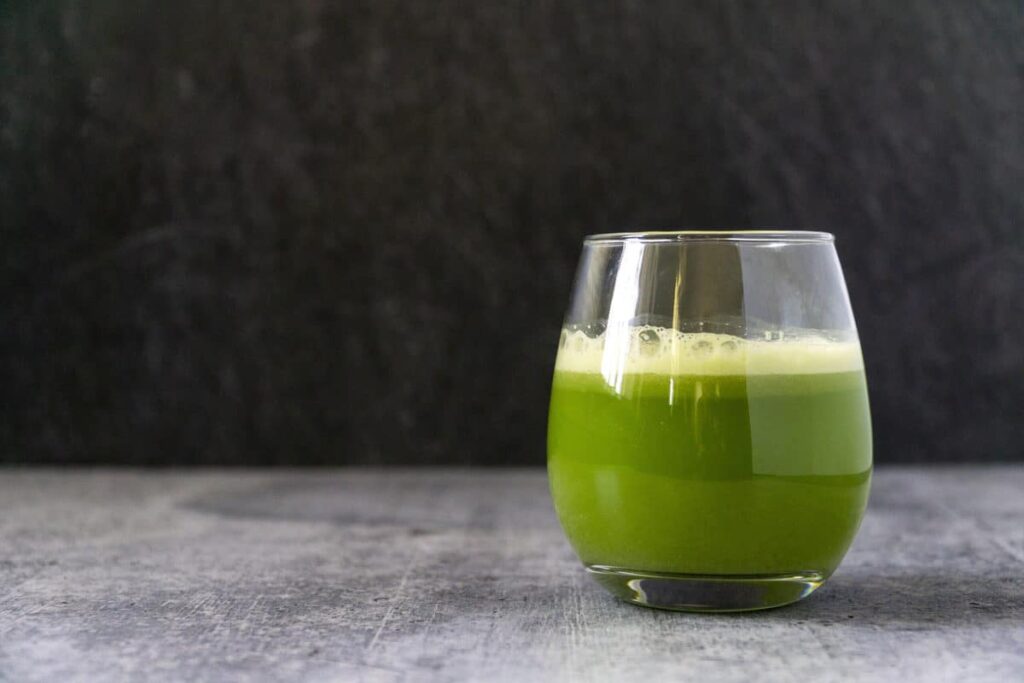
Storage and safety
Celery juice is best fresh but can be stored safely if handled right.
- Refrigerate in a sealed glass jar and consume within 24 to 48 hours for peak taste.
- For longer storage, freeze portions in ice cube trays and thaw as needed. Freshness is best within a week if refrigerated.
- Always chill celery before juicing when possible. Cold celery produces brighter-tasting juice.
Be mindful of cross-contamination. Clean your blender and strainers right away to avoid bacterial growth. If juice smells off or is foamy and sour, discard it.

Frequently Asked Questions of how to juice celery with a blender
How much celery do I need for one glass of juice?
Expect about 1 medium bunch (6–8 large stalks) to yield one 8-ounce glass after straining. Yield varies based on celery freshness and how much water you add.
Do I need to peel celery first?
Peeling is not necessary. Simply wash well and remove tough or damaged ends. Choose organic if you are concerned about residues.
Should I drink celery juice on an empty stomach?
You can, but it’s not required. Some people prefer it first thing in the morning. If you have digestion issues, try a small amount first to see how you feel.
Can I blend other ingredients with celery juice?
Yes. Mild fruits and herbs like apple, cucumber, lemon, or mint complement celery. Add small amounts to keep celery flavor prominent.
How long does celery juice last in the fridge?
Drink within 24 to 48 hours for best taste and nutrient retention. Freeze extra portions if you need longer storage.
Is it safe to juice celery every day?
Many people drink it daily without issue. If you have medical conditions or take medications, check with your healthcare provider before making daily celery juice part of your routine.
Conclusion
Making celery juice at home is simple, cost-effective, and flexible. Use a blender, add a little water, blend briefly, and strain for a smooth result. Keep celery fresh, avoid over-blending, and store juice cold for the best flavor and nutrition.
Try one batch this week. Experiment with small tweaks like lemon or cucumber. If you found these steps helpful, leave a comment or subscribe for more simple kitchen tips and juice ideas.