Blend chilled wine, frozen fruit, and a splash of sweetener for bright, icy wine slushies.
I’ve made hundreds of wine slushies and taught friends how to make wine slushies in a blender with consistent results. This guide breaks the process down into simple steps, explains the science of freezing alcohol, shares flavor ideas, and gives troubleshooting tips so your next batch is smooth, cold, and delicious. Read on to master how to make wine slushies in a blender like a pro.
Ingredients and tools you need
Simple gear and the right ingredients make learning how to make wine slushies in a blender easy. Use quality basics for best taste.
Ingredients
- 1 bottle of wine (750 ml). Choose fruit-forward rosé, Moscato, or a light red.
- 1 to 2 cups frozen fruit (berries, peaches, mango).
- 1/2 cup simple syrup or honey-water to taste.
- Optional: 1/4 cup fresh citrus juice (lemon or lime) for brightness.
- Optional: 1/4 cup liqueur or fruit juice for extra flavor.
Tools
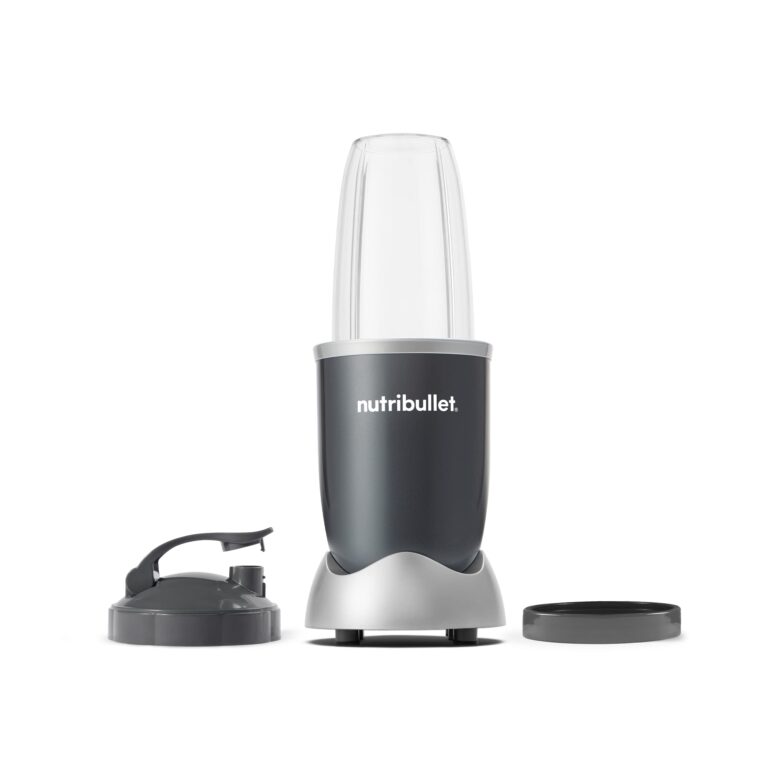
- High-speed blender or sturdy countertop blender.
- Freezer-safe container (if pre-freezing wine).
- Measuring cups and a citrus juicer.
- Long spoons or straws for serving.
Why these choices work
- Fruit adds body and natural sweetness.
- Simple syrup balances acidity and enhances freeze.
- A good blender pulverizes ice and fruit for smooth texture.
Step-by-step: how to make wine slushies in a blender
Follow these steps for a basic, reliable recipe. I use this method at summer gatherings and it scales well.
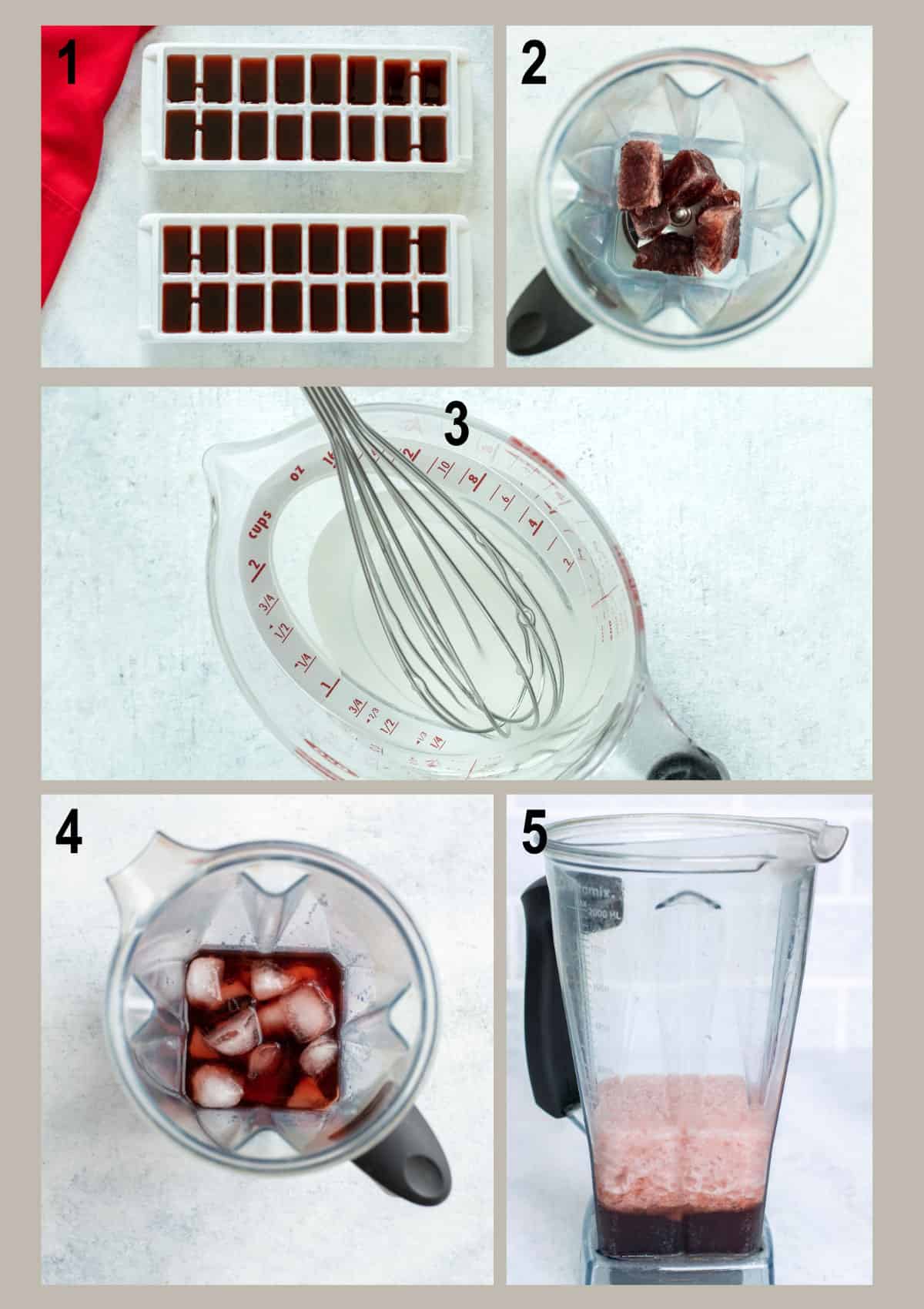
- Chill or pre-freeze the wine
- Option A: Chill the wine in the fridge until very cold (4–8 hours).
- Option B: Pour wine into a shallow freezer-safe pan and freeze until slushy (3–6 hours). Stir once or twice to break big ice crystals.
- Prepare the fruit and sweetener
- Use frozen fruit or fresh fruit plus ice to speed chilling.
- Make simple syrup by boiling equal parts sugar and water, then cooling. Use 1/4 to 1/2 cup depending on sweetness.
- Blend
- Add 2 cups frozen fruit, 1 cup chilled wine, and 2–4 tablespoons simple syrup to the blender.
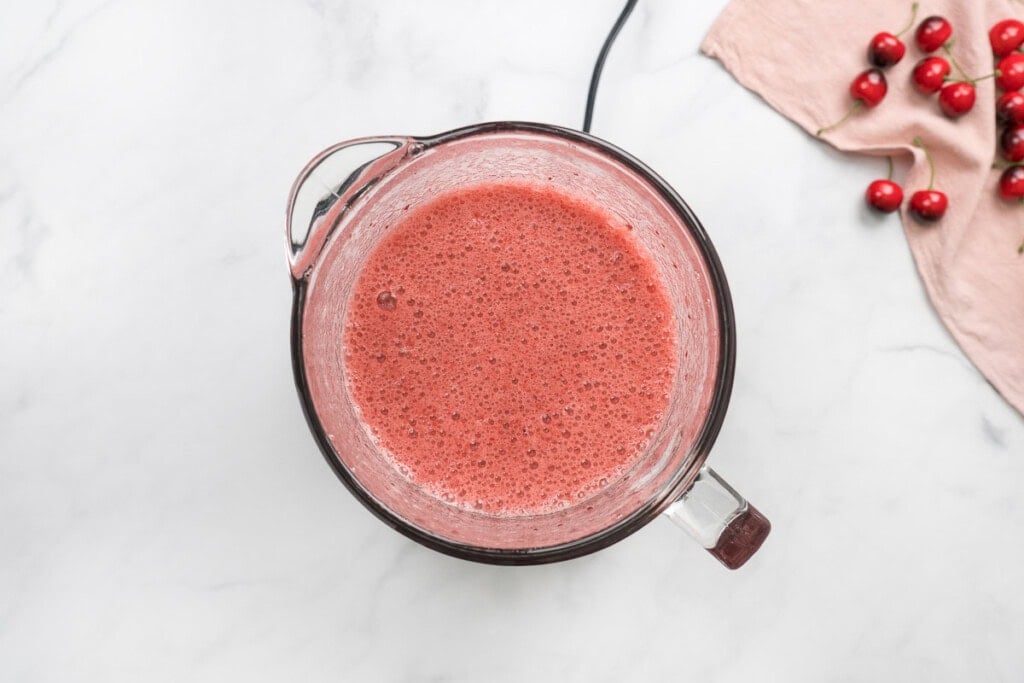
- Pulse to combine, then blend on medium until smooth. Stop and scrape down sides as needed.
- If too thin, add more frozen fruit or a handful of ice and blend again. If too thick, add a splash of wine or juice.
- Taste and adjust
- Add lemon if it needs brightness.
- Add a tablespoon of liqueur for depth.
- Sweeten if the wine is tart.
- Serve immediately
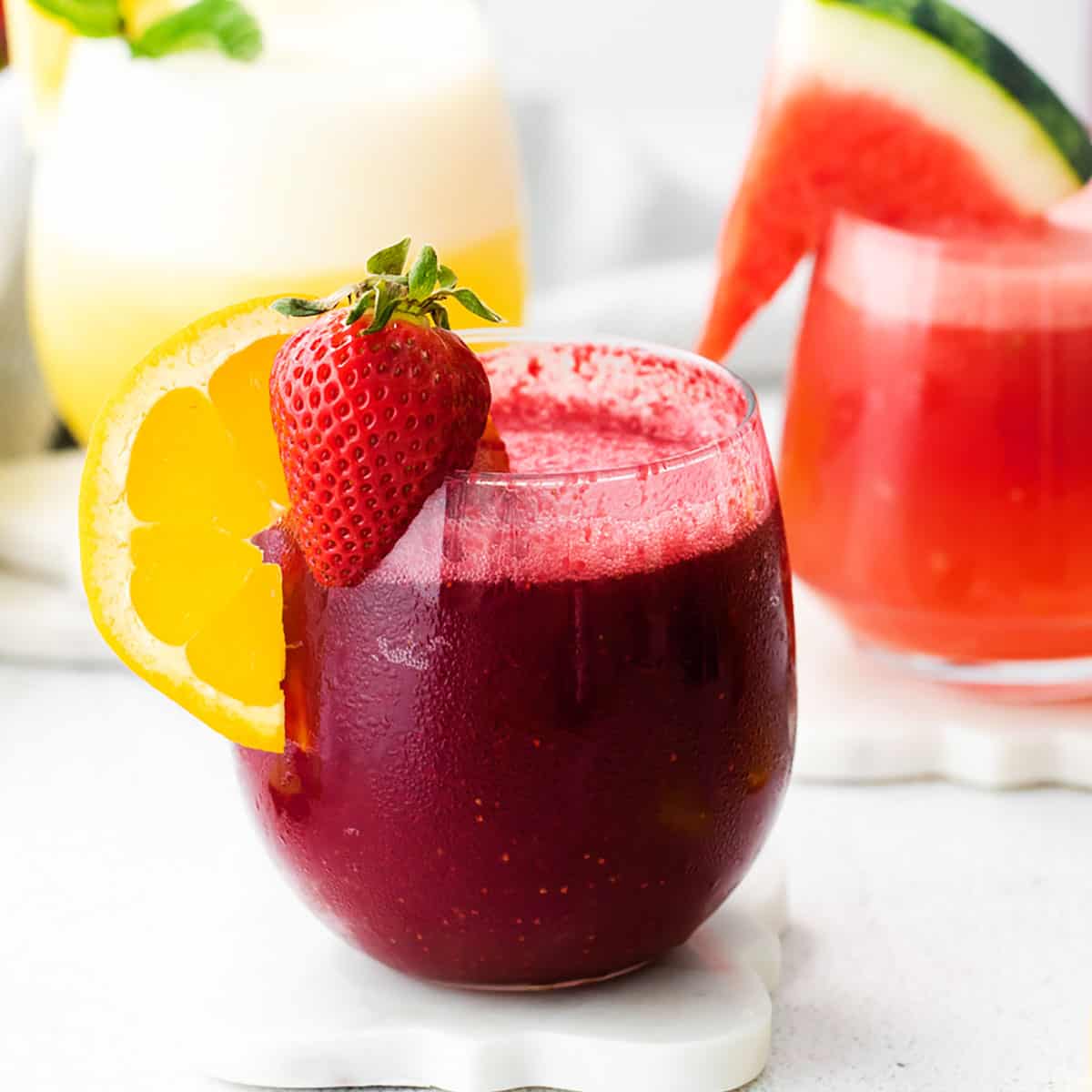
- Pour into chilled glasses. Garnish with a fruit slice or mint. Serve with a straw.
Notes on ratios
- Start with roughly 1 part wine to 2 parts frozen fruit by volume. Adjust to preference.
- For lower alcohol, increase fruit and decrease wine.
Flavor ideas and variations
Play with fruit, wine, and sweeteners to create signature slushies when you learn how to make wine slushies in a blender.
Fruit + wine pairings
- Rosé + strawberries or watermelon.
- Moscato + peaches or pineapple.
- Light red (Pinot Noir) + blackberries or cherries.
- Sauvignon Blanc + green grapes and lime.
Creative twists
- Tropical twist: mango, coconut water, and white wine.
- Sparkling lift: blend with frozen fruit and top with chilled prosecco.
- Frozen sangria: add orange slices and a splash of brandy before freezing.
Non-alcoholic option
- Use grape juice or white grape juice and add a splash of lemon for a mocktail slush.
Personal tip
- I like starting with frozen fruit I already have. It saves time and adds natural body to the slush.
The science: freezing alcohol and texture tricks
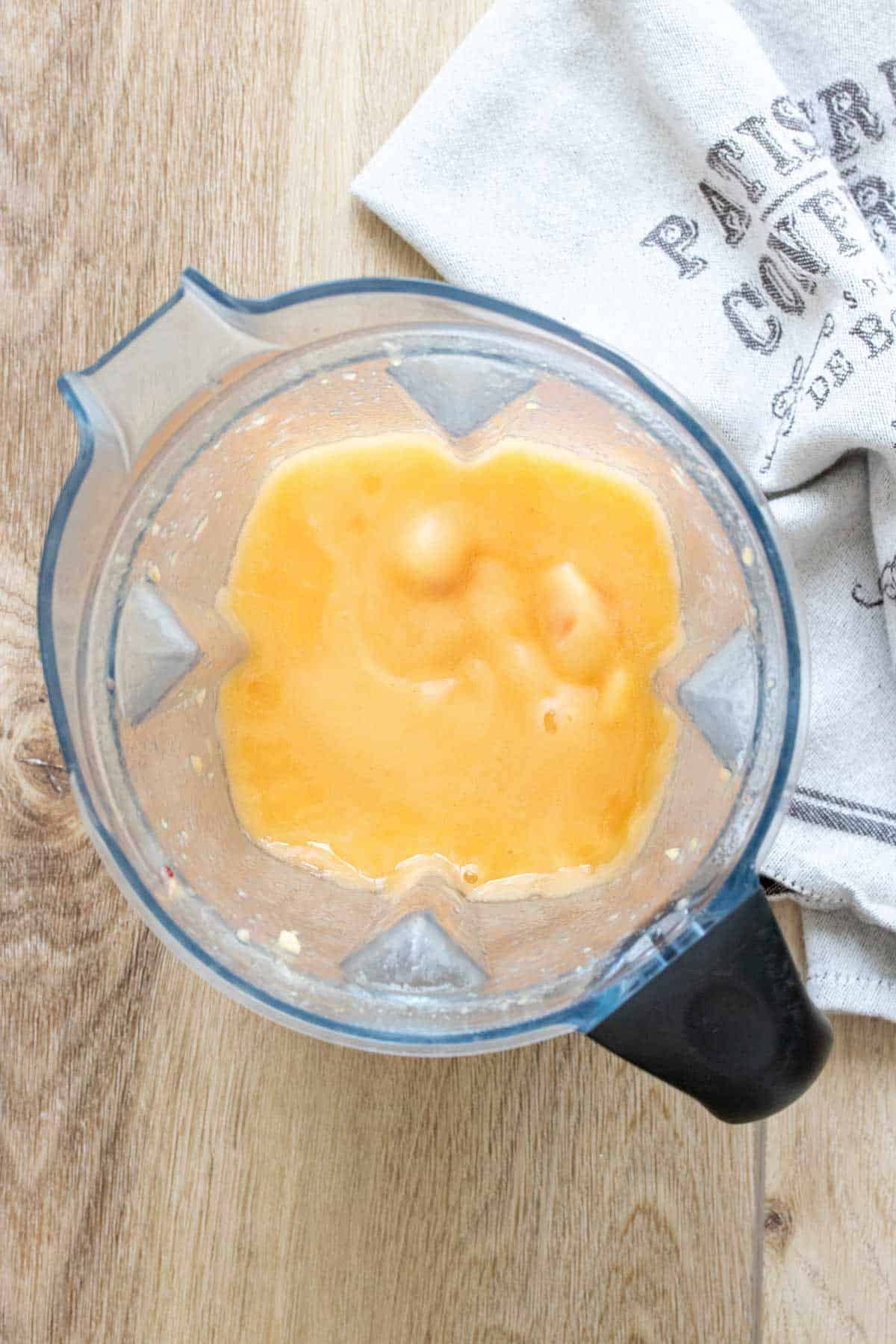
Understanding freezing helps you master how to make wine slushies in a blender that aren’t watery or soupy.
Why wine won’t freeze solid
- Alcohol lowers freezing point. Pure wine won’t become a solid like ice. It becomes slushy.
- Sugar and other solutes also lower freezing point, so sweeter wines yield softer slush.
Texture control
- Fruit and ice give structure and body. Pure wine plus ice cubes can be icy and grainy.
- Pre-freezing wine in a shallow pan makes finer crystals than freezing the bottle.
- Use a high-speed blender. It breaks down crystals and gives a smooth mouthfeel.
Serving temperature
- Serve at approximately 25–28°F (-4 to -2°C) for the best slush. Warmer will be thin. Colder will be too icy.
Common problems and troubleshooting
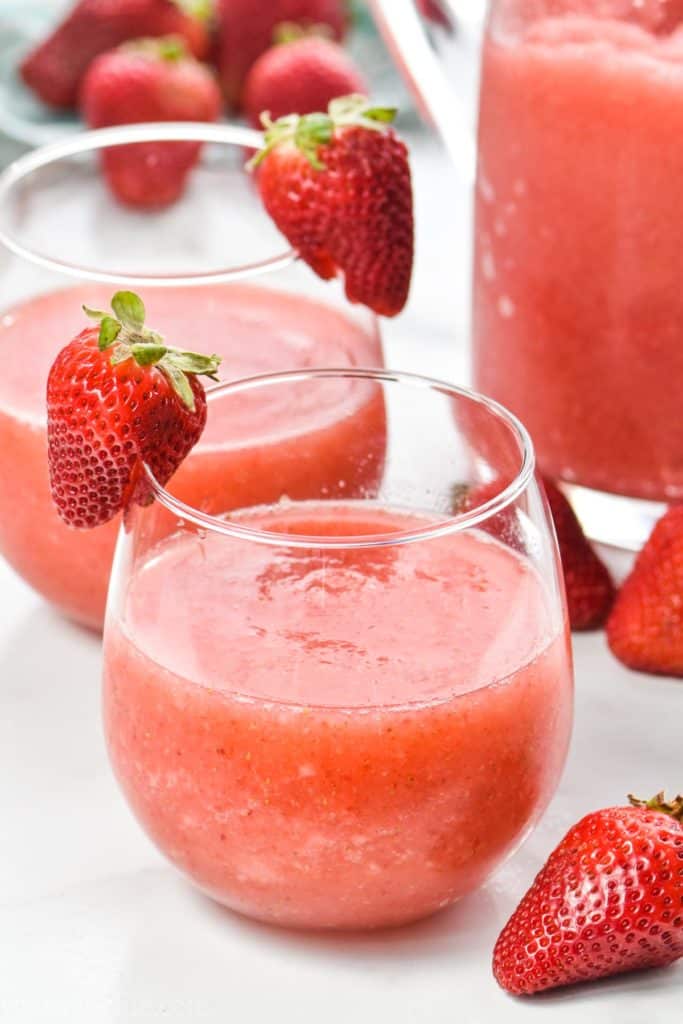
If your slushies are too thin, icy, or flat, try these fixes. I’ve fixed every problem below at parties.
Problem: Too thin and runny
- Add more frozen fruit or ice.
- Freeze wine longer and pulse in short bursts.
Problem: Grainy or icy texture
- Blend longer on higher speed.
- Use a bit more sugar or simple syrup to soften crystal formation.
Problem: Too boozy or harsh taste
- Add fruit juice or more fruit to soften the alcohol.
- Use a sweeter wine next time or add a splash of simple syrup.
Problem: Blender struggles or sticks
- Give the blender a break. Stir and add a splash of liquid.
- Work in batches to avoid overloading.
Serving, pairings, and presentation
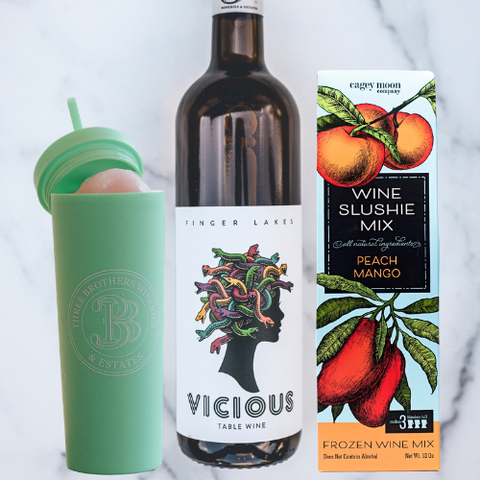
How you serve a slushie matters for the full experience. Use simple tricks for a wow factor.
Serving tips
- Chill glasses in the freezer first.
- Use wide-strapped straws for chunky fruit pieces.
- Garnish with fresh herbs or a citrus wheel.
Pairing ideas
- Light appetizers like bruschetta or shrimp ceviche pair well with rosé slushies.
- Sweet slushies go nicely with salty snacks, like cured meats or chips.
Presentation ideas
- Serve in stemless wine glasses for casual feel.
- For parties, set up a DIY slushie bar with toppings like fresh fruit, mint, and citrus slices.

Storage and leftovers
Know how to store and reuse slushies. I avoid waste by freezing portions wisely.
Short-term storage
- Keep slush in airtight container in the freezer. Stir or re-blend before serving.
- Slush holds for 24–48 hours before texture degrades.
Long-term ideas
- Freeze wine in ice cube trays for future quick slushies.
- Turn leftovers into cocktails or mocktails by combining with fresh juice or soda.
Safety note
- Alcohol content doesn’t change with freezing. Label containers to avoid accidental consumption by children.
PAA-style questions (quick answers)
What wine is best for slushies?
- Light, fruity wines like rosé, Moscato, or Pinot Grigio work best. They give bright flavor and blend smoothly.
Can I freeze wine in a bottle?
- Freezing wine in the bottle can make the glass crack. Pour into a shallow freezer-safe pan or tray instead.
How do I make a slushie less boozy?
- Add more frozen fruit, fruit juice, or simple syrup to dilute the alcohol taste while keeping texture.
Will sparkling wine work in a blender?
- Sparkling wine loses fizz when blended. Add bubbles just before serving for a fizzy top, not in the blender.
Is it safe to re-freeze slushies?
- You can re-freeze slushies, but texture will change. Re-blend to refresh the texture before serving.

Frequently Asked Questions of how to make wine slushies in a blender
What type of blender is best for wine slushies?
A high-speed blender handles ice and frozen fruit best. A mid-range blender can work if you pulse and work in small batches.
Can I use canned or boxed wine for slushies?
Yes. Canned or boxed wine works fine and often costs less. Choose a fruit-forward style for better flavor.
How sweet should a wine slushie be?
Aim for balanced sweetness. Start with 2–4 tablespoons of simple syrup per batch and adjust to taste. Fresh fruit often adds enough sweetness.
Can I make wine slushies ahead of time for a party?
Yes, pre-freeze wine into a slushy state and store in the freezer. Re-blend or stir before serving for best texture.
How much alcohol is in a wine slushie?
Alcohol content depends on wine and ratios. A typical slushie made with one bottle and fruit will still be alcoholic, so pace servings accordingly.
Are there non-alcoholic ways to mimic wine slushies?
Use grape juice or sparkling grape juice as a base. Add frozen fruit and simple syrup, then blend for a similar feel and flavor.
Why do some slushies turn watery quickly?
Melting at warm temperatures and a low fruit-to-wine ratio cause fast thinning. Serve immediately and keep slush in a cold container between servings.
Conclusion
You now have clear, practical steps for how to make wine slushies in a blender, from gear and ratios to flavor ideas and fixes. Try a few pairings and small batches to find your favorite balance. Make one change at a time—fruit, wine, or sweetener—and you’ll quickly learn what works best.
Ready to blend? Make a batch tonight, experiment with flavors, and share your favorite combination below. Subscribe or comment to get more easy, tested recipes and tips.