Clean the rubber seal with warm soapy water, scrub gently, rinse well, and air dry completely.
I’ve cleaned dozens of blenders and fixed stubborn seals. In this guide I will explain how to clean ninja blender lid rubber seal step-by-step, from quick daily care to deep mold removal and safe drying tips. You’ll get trusted methods, tools, and real-world tips that keep the seal tight and odor-free.
 cleaning matters for your Ninja blender lid rubber seal”
style=”max-width: 100%; height: auto; border: 2px solid black; border-radius: 10px; display: block; margin: 0 auto;”
loading=”lazy”
/>
Why cleaning matters for your Ninja blender lid rubber seal
A clean seal keeps your blender safe and working well. Food bits hide in the groove and cause smell, mold, and leaks. Learning how to clean ninja blender lid rubber seal helps prevent stains and prolongs the seal life. Small effort now saves you time and money later.

Tools and materials you’ll need
Keep things simple and safe. Gather items before you begin.
- Soft dish brush or old toothbrush for grooves.
- Mild dish soap and warm water.
- White vinegar and baking soda for odors and stains.
- Microfiber cloth or paper towels for drying.
- A bowl or small basin for soaking.
- Optional: small wooden toothpicks or interdental brush for tight spots.
These tools make cleaning how to clean ninja blender lid rubber seal quick and effective.

Quick daily cleaning steps (fast and effective)
Use these steps after each use to avoid buildup.
- Rinse the lid and seal under warm running water.
- Remove visible debris with your fingers.
- Add a drop of dish soap to the brush and scrub around the seal groove.
- Rinse thoroughly until no suds remain.
- Pat dry with a cloth and let air dry with the lid open.
Daily care is the easiest way to avoid big jobs later. Doing this regularly keeps how to clean ninja blender lid rubber seal simple and fast.

Step-by-step deep clean for stubborn grime and mold
If you see stains, odor, or mold, follow this deeper method.
- Remove the seal from the lid if your model allows it. The next section shows how.
- Soak parts in a basin with hot water and 1–2 tablespoons of baking soda for 15–20 minutes.
- Use a toothbrush or small brush to scrub the groove and seal surfaces. Focus on folds and creases.
- For persistent mold or smell, soak in a 1:1 mix of white vinegar and water for 10 minutes, then scrub.
- Rinse well with warm water. Repeat if needed.
- Air dry fully before reassembly.
Be cautious with bleach. A diluted bleach solution can kill mold, but it can also weaken rubber and alter color. Test a small area first. This routine is a trusted answer for deep how to clean ninja blender lid rubber seal problems.

How to remove and re-seat the rubber seal safely
Not all Ninja lids remove the seal the same way. Check your user manual first. General removal steps:
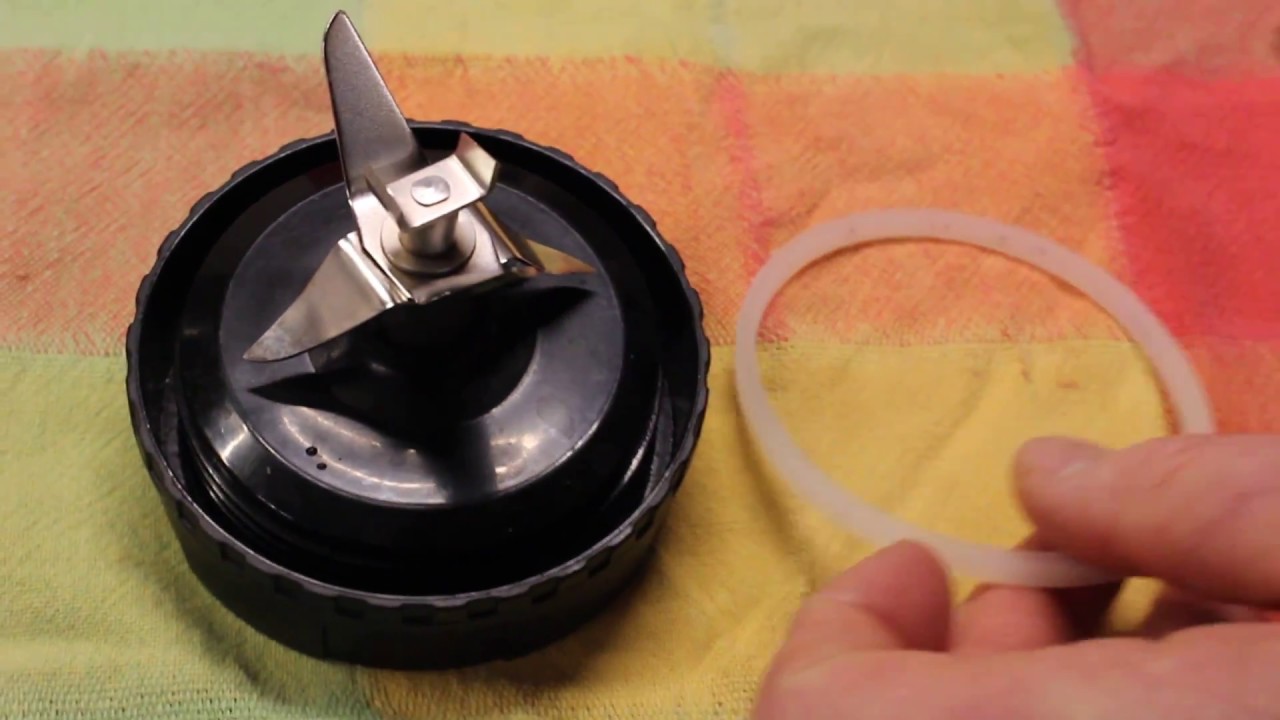
- Turn the lid upside down and locate the lip where the rubber sits.
- Gently pry the seal edge with your thumb or a soft tool until it lifts free.
- Work around the circle slowly until the seal comes off.
To re-seat:
- Line up the seal with the groove.
- Press the seal into place around the whole lid.
- Run your finger around the edge to ensure an even fit and no twists.
If the seal won’t come off, don’t force it. Some models have fixed seals. When you do remove it, you’ll find cleaning how to clean ninja blender lid rubber seal much easier and more thorough.

Tips for drying, storage, and preventing future problems
Drying and storage matter as much as cleaning. Wet seals trap bacteria and smell.
- Dry fully before reassembly. Leave the lid inverted on a rack for 30–60 minutes.
- Store lids open or upright to allow airflow.
- Avoid dishwashers for seals unless manual confirms they are dishwasher safe. Heat can warp rubber.
- Replace seals when they show cracks, thinning, or persistent odors.
Consistent care is the best way to prevent repeat work when you need to know how to clean ninja blender lid rubber seal.

Troubleshooting and when to replace the seal
Signs you need a new seal:
- Cracks, splits, or visible wear.
- Persistent odor after multiple cleanings.
- Leakage during blending.
If cleaning doesn’t fix these issues, replacement is safer and cheaper than dealing with damage. Keep your blender manual or model number handy when ordering a replacement.
Common user questions you might search (PAA-style)
Q: Can I use vinegar on rubber seals?
A: Yes. Vinegar is safe in short soaks and neutralizes odor. Rinse well and dry.
Q: Is it OK to use bleach on the seal?
A: Use diluted bleach only as a last resort. Rinse thoroughly and avoid frequent bleach use to protect the rubber.
Q: Are Ninja seals dishwasher safe?
A: Some models allow top-rack washing. Check your manual. Hand washing is gentler and often better.
Frequently Asked Questions of how to clean ninja blender lid rubber seal
How often should I clean the rubber seal?
Clean the seal after each use for best results. Deep clean weekly if you use the blender daily.
Can I soak the seal overnight?
You can soak the seal overnight in a mild baking soda solution. Avoid long bleach soaks to prevent rubber damage.
My seal has a smell after cleaning. What helps?
Soak in white vinegar for 10 minutes, then scrub and rinse. Repeat once if needed and air dry fully.
Will hot water damage the seal?
Warm water is safe. Very hot water may soften or warp the rubber. Use warm, not boiling, water.
How do I know if the seal needs replacement?
Replace if you see cracks, misshapen parts, leaks, or if odors persist after deep cleaning.
Can I use a metal brush on the seal?
No. Metal brushes can cut the rubber. Use a soft brush or toothbrush for grooves.
Is it safe to use soap and vinegar together?
Not necessary. Use soap for grease and vinegar for odors. Rinse between treatments to avoid residues.
Conclusion
Regular care makes your blender work better and last longer. Use warm water, mild soap, and a soft brush to learn how to clean ninja blender lid rubber seal easily. Deep clean with baking soda or vinegar for odors and mold, and replace the seal if it shows wear. Try these tips this week and see how fresh your blender lid feels — leave a comment with your experience or questions and subscribe for more appliance care tips.