Work the blender by layering ingredients, securing the lid, and pulsing from low to high speed.
I’ve used many blenders in home kitchens and small food tests. This guide explains how to work blender step by step, from parts and settings to recipes, safety, and cleaning. Read on for clear, practical tips that help you blend faster, safer, and with better results.
Understand your blender: parts, types, and basic functions
A blender has a motor base, jar or pitcher, blade assembly, lid, and control panel. Some models add a tamper, travel cup, or preset programs.
Common types include countertop blenders, personal (single-serve) blenders, immersion blenders, and high-performance blenders. Each type changes how to work blender for given tasks.
Basic functions to know
- Speed settings: low, medium, high. Use low for soft mixes and high for ice or nut butters.
- Pulse: short bursts to control texture.
- Presets: smoothie, soup, ice crush. Use presets to simplify blending.
Knowing parts and types makes it easier to choose the right method when you learn how to work blender.
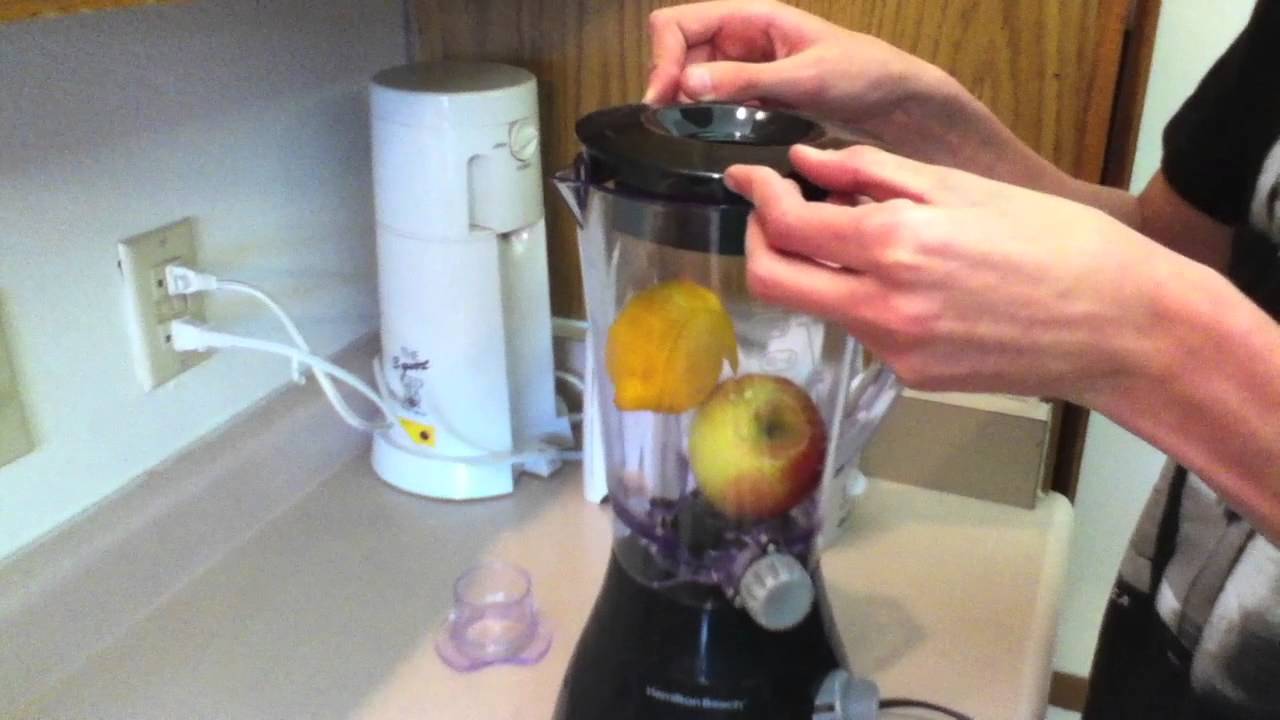
Step-by-step: How to work blender for best results
Follow these steps to blend safely and get smooth results every time.
- Prepare ingredients
- Cut fruits and vegetables into chunks. Smaller pieces blend faster.
- Soak nuts if needed. This reduces stress on the motor.
- Layer ingredients
- Add liquids first. This helps blades create a vortex.
- Add soft ingredients next, then harder items and ice last.
- Secure and check
- Fit the blade assembly, place jar on base, and lock lid firmly.
- Start with the lid cap on to avoid splashes.
- Start slow and increase
- Turn on low speed first. Gradually increase to medium and high.
- Use pulse for chunky textures or to break up ice.
- Monitor and adjust
- Stop and scrape down sides with a spatula if needed.
- Add small amounts of liquid if mixture is too thick.
- Finish and serve
- Turn off before removing the jar. Pour carefully.
- For hot blends, let steam escape through the cap or vent.
- Clean promptly
- Rinse immediately and run with warm water and dish soap for 20–30 seconds.
- Disassemble blades and gaskets for full clean when cool.
These steps show exactly how to work blender to reduce clogs, protect the motor, and get consistent texture.
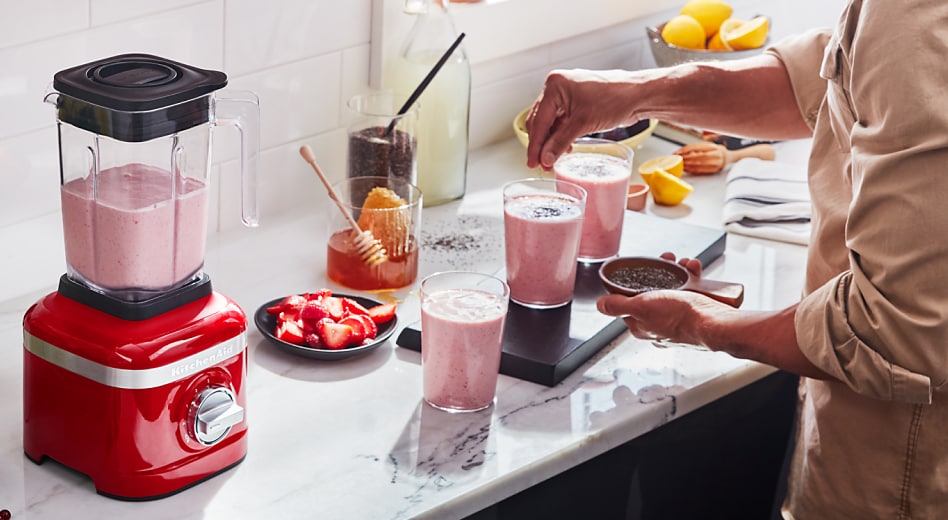
Recipes, settings, and when to use them
Match blender speed and technique to the recipe. Below are common uses and quick settings.
Smoothies
- Use medium to high speed. Start low, then ramp up.
- Add 1 part liquid to 2 parts solids for a smooth pour.
Soups and hot liquids
- Use blender’s soup preset or low-to-medium speed.
- Blend in batches and leave a vent for steam to avoid pressure.
Crushing ice and frozen fruit
- Use pulse, then high speed. Add small splash of liquid.
- Use high-performance blender for frequent ice crushing.
Nut butters and spreads
- Use high speed in intervals. Stop to scrape and avoid overheating.
- Expect longer blending times; add oil sparingly.
Dips and salsas
- Use pulse for chunky texture. Short bursts keep small pieces intact.
PAA-style question 1: Can a regular blender crush ice?
- Many regular blenders can crush ice in short bursts, but hard frequent use may strain the motor. High-performance blenders handle ice faster and with less wear.
PAA-style question 2: How long should I blend a smoothie?
- Start at low speed for 10–15 seconds, then increase and blend 30–45 seconds total for a smooth result. Time varies based on ingredient density.
PAA-style question 3: Can I blend hot soup in a blender?
- Yes, but vent the lid and blend in small batches. Hot liquids can build pressure and cause splashes.
Knowing these settings helps you decide how to work blender for each meal and avoid common mistakes.
Maintenance, safety, and troubleshooting
Care and safety extend the life of your blender and keep you safe.
Daily cleaning tips
- Rinse immediately after use to prevent residue build-up.
- Run warm water and a drop of dish soap in the jar for 20–30 seconds, then rinse.
Deep cleaning and blade care
- Remove gaskets and blades periodically to clean thoroughly.
- Inspect blades for dullness or damage and replace if needed.
Safety rules
- Never run an empty blender for long periods.
- Unplug before removing the jar or touching blades.
- Keep hands and utensils out while the motor runs.
Common problems and fixes
- Motor won’t start: check power and reset button, avoid overloading.
- Overheating: let motor cool for 15–30 minutes. Reduce load.
- Leaks: replace gaskets or tighten blade assembly.
These tips show how to work blender safely and keep it running longer.
Tips from experience: mistakes to avoid and pro ideas
Here are real tips I learned from years of kitchen use.
Mistakes I made and how I fixed them
- Overfilling the jar caused messy spills. Now I fill to two-thirds max.
- Running the motor too long overheated it. I learned to pulse and rest.
Pro tips that help
- Warm liquids blend better when cooled slightly. This reduces pressure.
- Freeze fruit flat on a tray first for easier portioning.
- Use a tamper when available to keep food moving without stopping.
Small habits make a big difference in how to work blender efficiently and safely.
Frequently Asked Questions of how to work blender
What is the best way to layer ingredients in a blender?
Start with liquids, then soft items, and put ice or hard pieces last. This creates a vortex that pulls solids to the blades.
How do I prevent smoothies from being gritty?
Use enough liquid and blend longer at higher speed. Strain seeds or fibrous bits if you want an ultra-smooth texture.
Can I put boiling water in the blender?
Avoid pouring boiling water into a sealed jar. Let hot liquids cool slightly and vent the lid to release steam.
How do I clean the blender blades safely?
Unplug and remove the jar first. Use a brush and warm soapy water, and handle blades carefully to avoid cuts.
Why does my blender smell burned?
A burned smell usually means the motor overheated from heavy loads or prolonged use. Let it cool and avoid overloading on thick mixtures.
Conclusion
You now know how to work blender with clear steps, safety tips, maintenance advice, and pro tricks. Start simple: layer ingredients, start slow, pulse when needed, and clean right away. Try these tips on your next smoothie or soup and notice smoother textures and less hassle.
Take action now: pick one recipe, follow the step-by-step guide, and share your results or questions below. Want more blender tips? Subscribe or leave a comment to keep learning.