A blender uses a fast motor and sharp, spinning blades to cut, shear, and mix ingredients into a smooth blend.
I’ve spent years testing and fixing kitchen tools, and I know how does blender work from both a hands-on and technical view. This article walks you through the parts, the physics, the types, real tips from my experience, safety and upkeep, and answers common questions so you can use any blender well and choose the right one with confidence. Read on for clear, friendly guidance on how does blender work, why speed and design matter, and how to get the best results every time.
How does blender work: core components
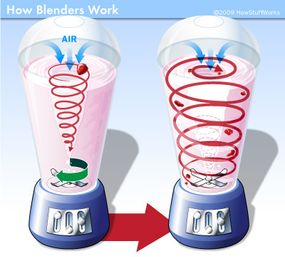
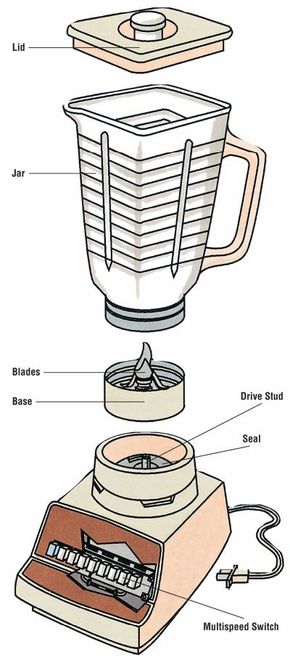
A blender is simple in parts but smart in function. Key components include the motor base, drive coupling, pitcher or jar, blade assembly, and lid. The motor spins the drive coupling. The coupling turns the blade assembly. Blades create a vortex that pulls food down and cuts it repeatedly. The jar shape guides flow and mixing.
Other parts that affect how does blender work:
- Motor power rating, usually in watts, which affects speed and torque.
- Blade shape and material, which determine how well solids break down.
- Jar design and volume, which influence flow and heat buildup.
- Speed controls and pulse settings, which change how aggressively the blender works.
:max_bytes(150000):strip_icc()/sea-primary-immersion-blenders-sep-24-rkilgore-0658-89167e1e4bd44afb93d9c847674b09e4.jpeg)
How does blender work: the physics and mechanics behind blending
Blending uses three main physical actions: cutting, shearing, and turbulence. Blades slice food into smaller pieces. Shear forces break fibers and cell walls. Turbulence mixes particles and forces liquid through solids.
How these forces come together:
- High RPM makes strong shear forces. That’s why high-speed blenders handle nuts and ice.
- Blade angle and jar shape create a vortex. A steady vortex pulls ingredients toward blades.
- Repeated collisions and friction reduce particle size and create smooth textures.
This is why when you ask how does blender work you get answers about speed and blade design. Both control the forces that change food from chunks to smoothies.
How does blender work: different blender types and how they differ
Not all blenders work the same. Knowing types helps match the tool to the job.
Countertop blenders
- Best for smoothies, soups, and crushing ice.
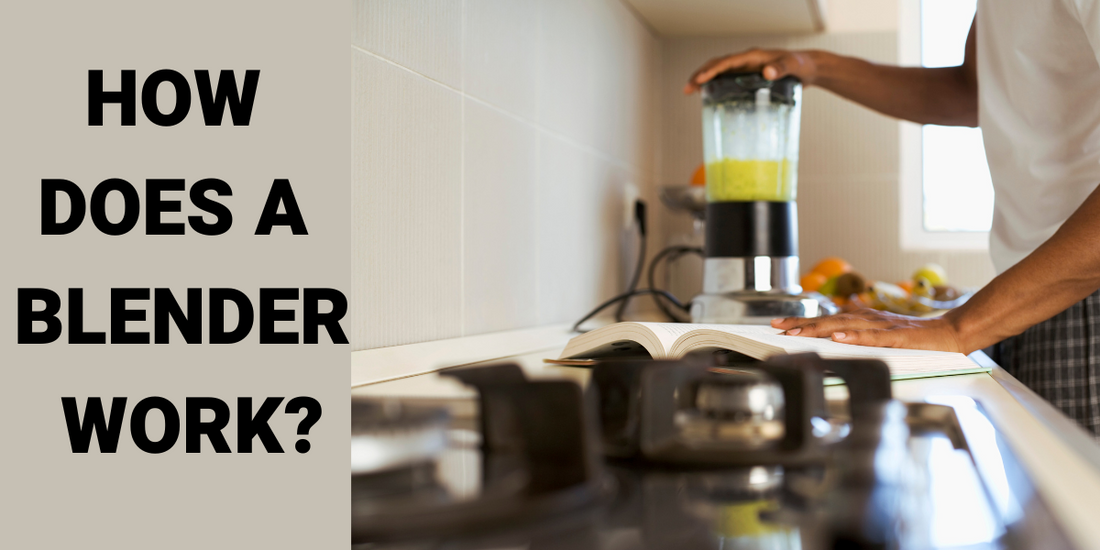
- Larger jars and higher power. They show how does blender work with strong motors and tall jars to create tight vortices.
Immersion (stick) blenders
- Handheld and used inside pots or bowls.
- They rely on quick local shearing rather than a vortex. Good for soups and small batches.
Personal and single-serve blenders
- Compact and easy to use.
- Lower power but convenient. They work well for smoothies and shakes.
High-performance (commercial or high-end) blenders
- Very powerful motors and metal blades.
- Built for heavy tasks like nut butter. They illustrate how does blender work when power and durability are pushed to the limit.
How does blender work: performance factors and what affects blending
Several factors change how effectively a blender works. Understand them to get the texture you want.
Power and torque
- Measured in watts. More watts mean more power, but design matters too.
- Torque helps when blending thick mixtures.
Blade design and speed
- Curved blades cut and lift. Flat blades chop.
- Speed controls let you start slow then ramp up to finish.
Jar shape and volume
- Tall, narrow jars make a stronger vortex for smooth blends.
- Wide jars let ingredients move differently; they can be better for chunky mixes.
Ingredient prep and order
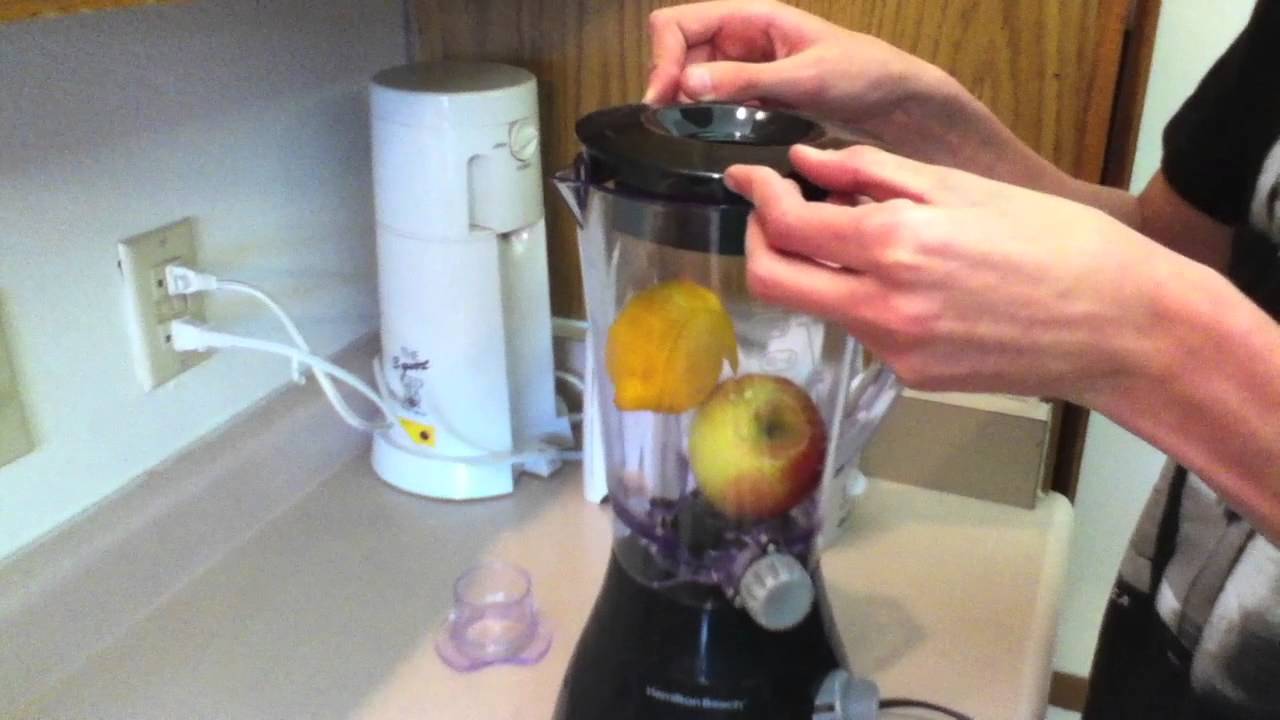
- Soft items first, then liquids, then harder or frozen items. This order helps the blender create a smooth flow and prevents stalling.
These details explain why people ask how does blender work when choosing between models, and why two blenders with the same wattage can perform differently.
How does blender work: common uses, tips, and quick Q&As from experience
Blenders are versatile. From smoothies to sauces to crushing ice, they handle many tasks. Here are practical tips I’ve learned that show how does blender work in real kitchens.
Practical tips
- Start slow, then increase speed for smoother results.
- Add liquid early to help create the vortex.
- Pulse to control texture for salsas or chunky sauces.
- For hot soups, remove center plug and cover with a towel to release steam safely.
Real-life lesson
- I once tried making nut butter in a weak blender. It overheated within minutes. Lesson: match the tool to the task to avoid damage and poor results.
Quick Q&A (short, direct answers to common search questions)
- Can a blender crush ice without damage? Use a blender rated for ice crushing. High RPM and sturdy blades help, but avoid low-power models.
- Will a blender make warm soup from cold ingredients? Heat builds from friction in high-speed blenders; some high-performance models can make hot soup in minutes.
- How do I avoid air pockets or cavitation? Add more liquid and pulse gently to reintroduce flow.
These notes combine hands-on experience with basic physics to clarify how does blender work for common tasks.
How does blender work: maintenance, safety, and troubleshooting
Proper care keeps a blender working well and safe. Here’s what I do and recommend.
Maintenance checklist
- Clean immediately after use. Run warm water and soap in the jar for quick cleaning.
- Check seals and gaskets for wear. Replace them when worn to avoid leaks.
- Avoid hot liquids in plastic jars unless the blender is rated for heat.
Safety tips
- Unplug before cleaning or changing blades.
- Use the lid and center plug to avoid splashes.
- Let the motor cool after long runs to prevent overheating.
Troubleshooting common problems
- Blender stalls with thick mixes: Add liquid and pulse to restart.
- Excess vibration or noise: Check blade assembly and jar seating.
- Burning smell: Stop immediately; the motor may be overheating or failing.
These steps show practical answers to how does blender work safely and last longer.

Frequently Asked Questions of how does blender work
How does blender work to break down ice and frozen fruit?
Blenders use sharp blades at high RPM to chip and shear ice. Strong torque and durable blades help prevent stalling while crushing frozen items into smaller pieces.
How does blender work when making hot soup?
High-speed blending generates friction and heat that can warm ingredients. Some blenders are designed to handle hot liquids and produce hot soup by combining high speed and sealed jars.
How does blender work for smooth vs chunky textures?
Speed, pulse settings, blade design, and run time control texture. Use short pulses for chunky textures and continuous high speed for smooth results.
How does blender work without liquid?
Blades rely on liquid or moisture to create a vortex. Without liquid, ingredients may stick and blades can stall; add a small amount of liquid to get proper flow.
How does blender work differently in immersion blenders?
Immersion blenders create shear forces directly where the blade meets the food. They are best for blending in pots and small batches, and they don’t rely on a jar vortex.
Can a low-watt blender work like a high-power one?
Low-watt blenders can handle light tasks like smoothies or shakes. They often struggle with dense or frozen items because they lack torque and heat dissipation needed for heavy blending.
How does blender work to make nut butter or flour?
Making nut butter or flour needs high torque and long run times. Metal blades and powerful motors break down oils and solids into fine pastes or powders over sustained runs.
Conclusion
Blenders turn food into smooth or chunky mixtures by combining motor power, blade action, jar design, and user technique. Knowing how does blender work helps you pick the right model, use it safely, and get consistent results. Try the tips above: start slow, add liquid, and match the blender to the task. If you enjoyed this guide, share your blender wins or questions in the comments, subscribe for more kitchen tips, or test a new recipe and tell us how it went.