Choose a blender by matching power, jar type, and features to your cooking needs and budget.
Choosing how to choose a blender matters more than you think. I’ve tested blenders as a home cook and product reviewer for years, and I’ll walk you through what really matters. This guide explains how to choose a blender step by step, so you buy the right model for smoothies, soups, nut butter, or light kitchen use. Read on for clear advice, real-life tips, and mistakes to avoid.
Why choosing the right blender matters
A blender can be a quick helper or a daily workhorse. Picking the wrong one leads to frustration, extra expense, or poor results. Knowing how to choose a blender helps you match the machine to tasks like crushing ice, making hot soup, or blending seeds. The right blender saves time, makes better food, and can last years.
Types of blenders and when to pick them
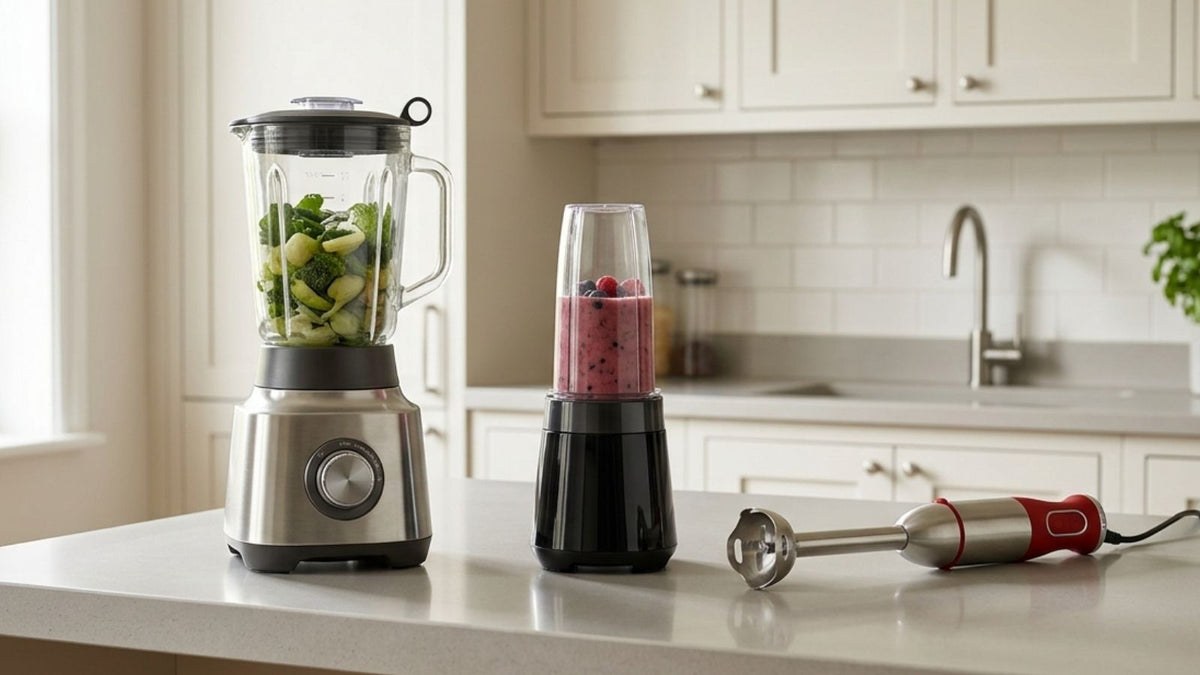
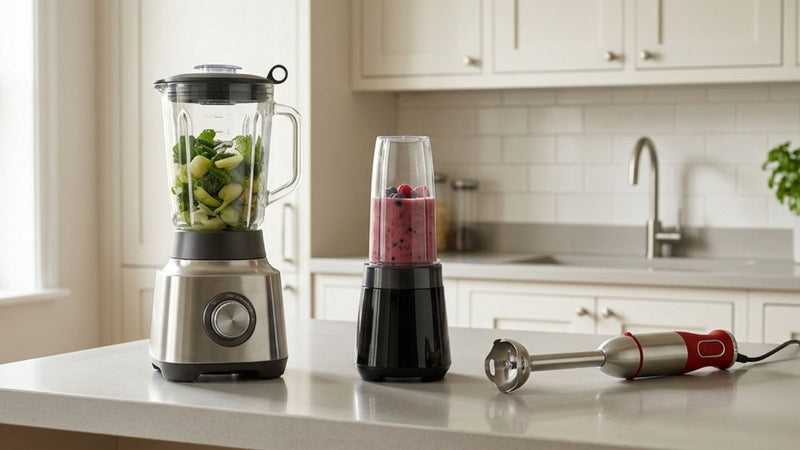
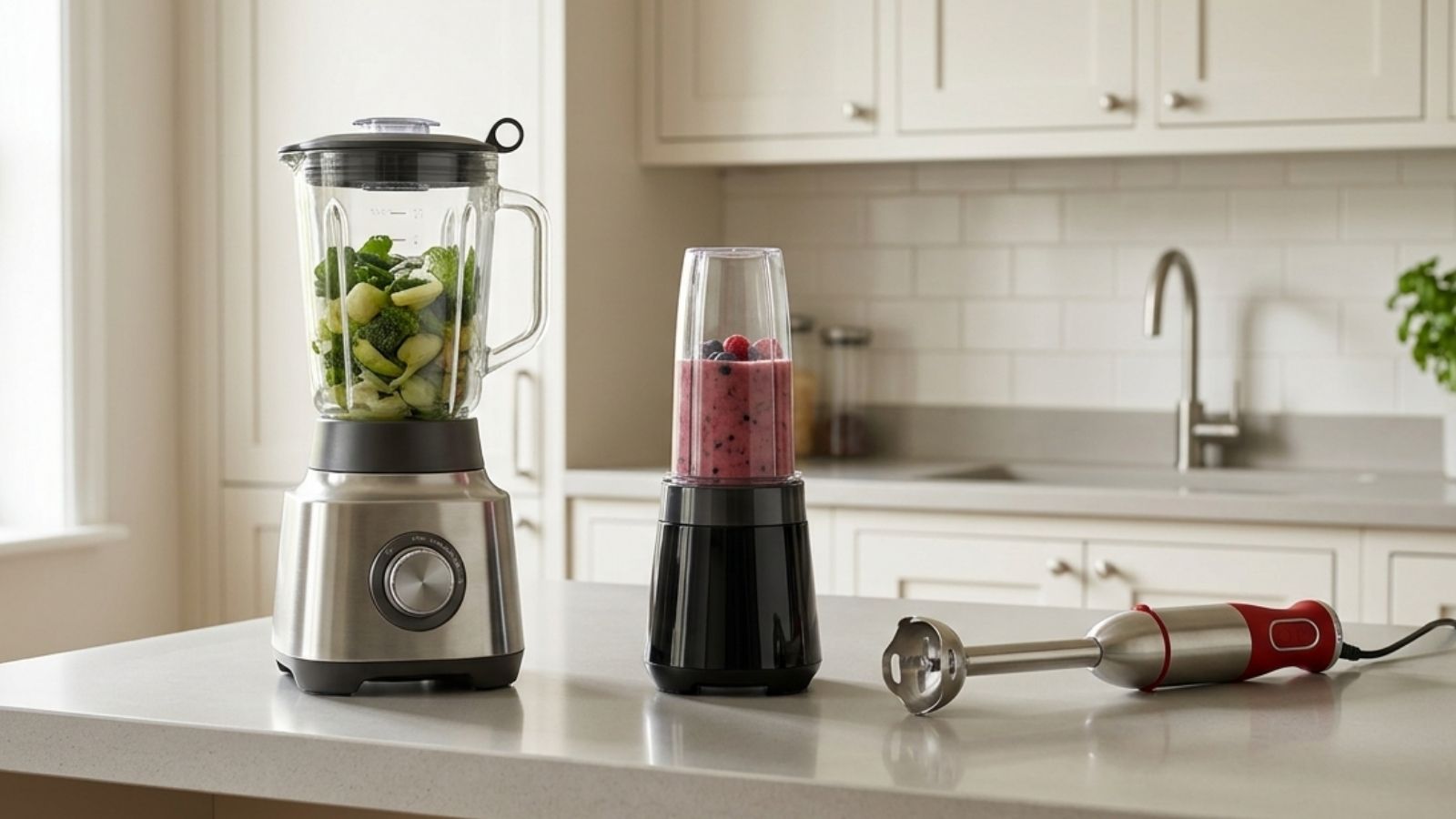
How to choose a blender starts with knowing the types available. Each type fits different uses and budgets.
Countertop blenders
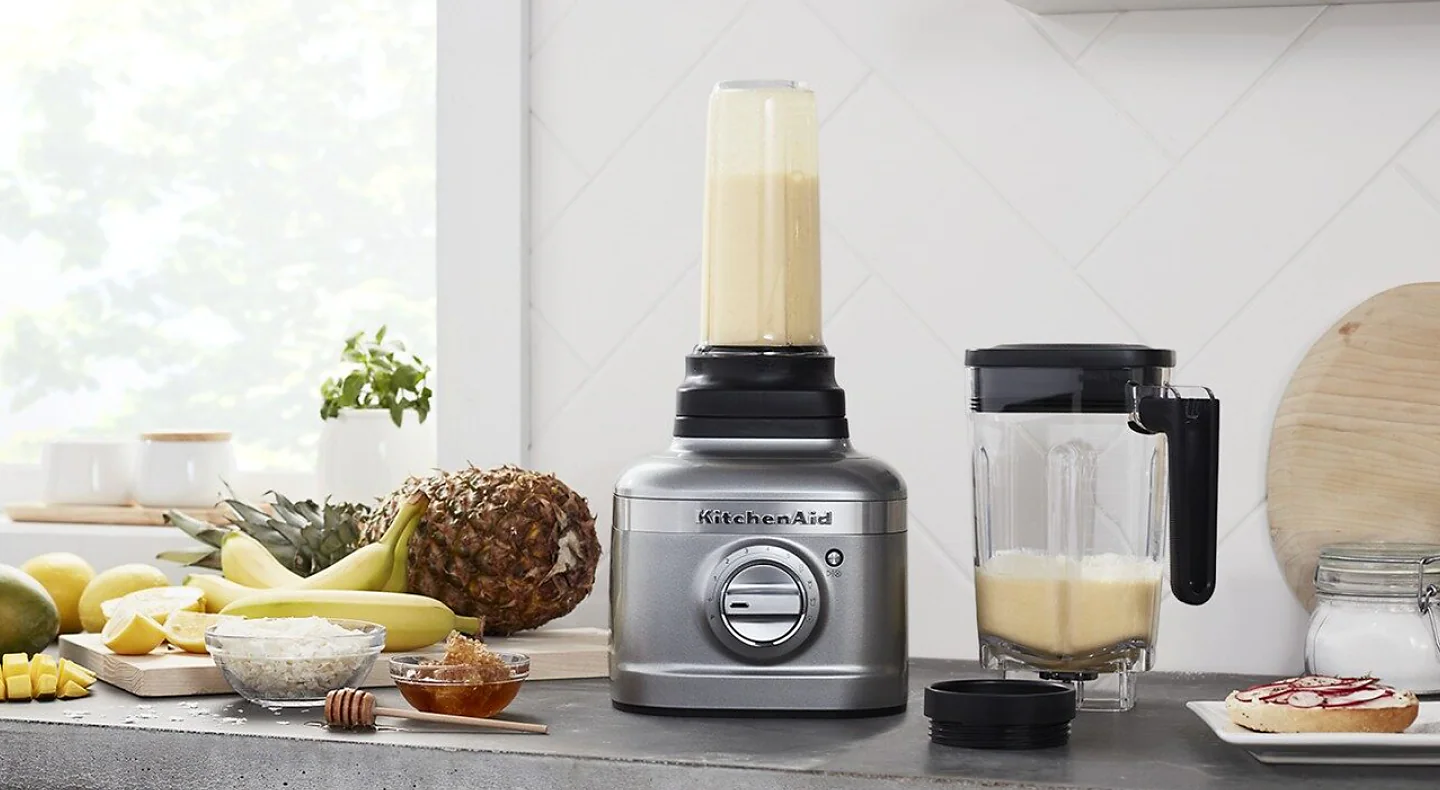
These are the most common. They have tall jars, multiple speeds, and good motors. Choose one when you want versatility for smoothies, soups, and crushing ice.
Personal or single-serve blenders
Small and light. Ideal for quick smoothies and shakes. Buy one if you need portability or small batches.
Immersion (hand) blenders
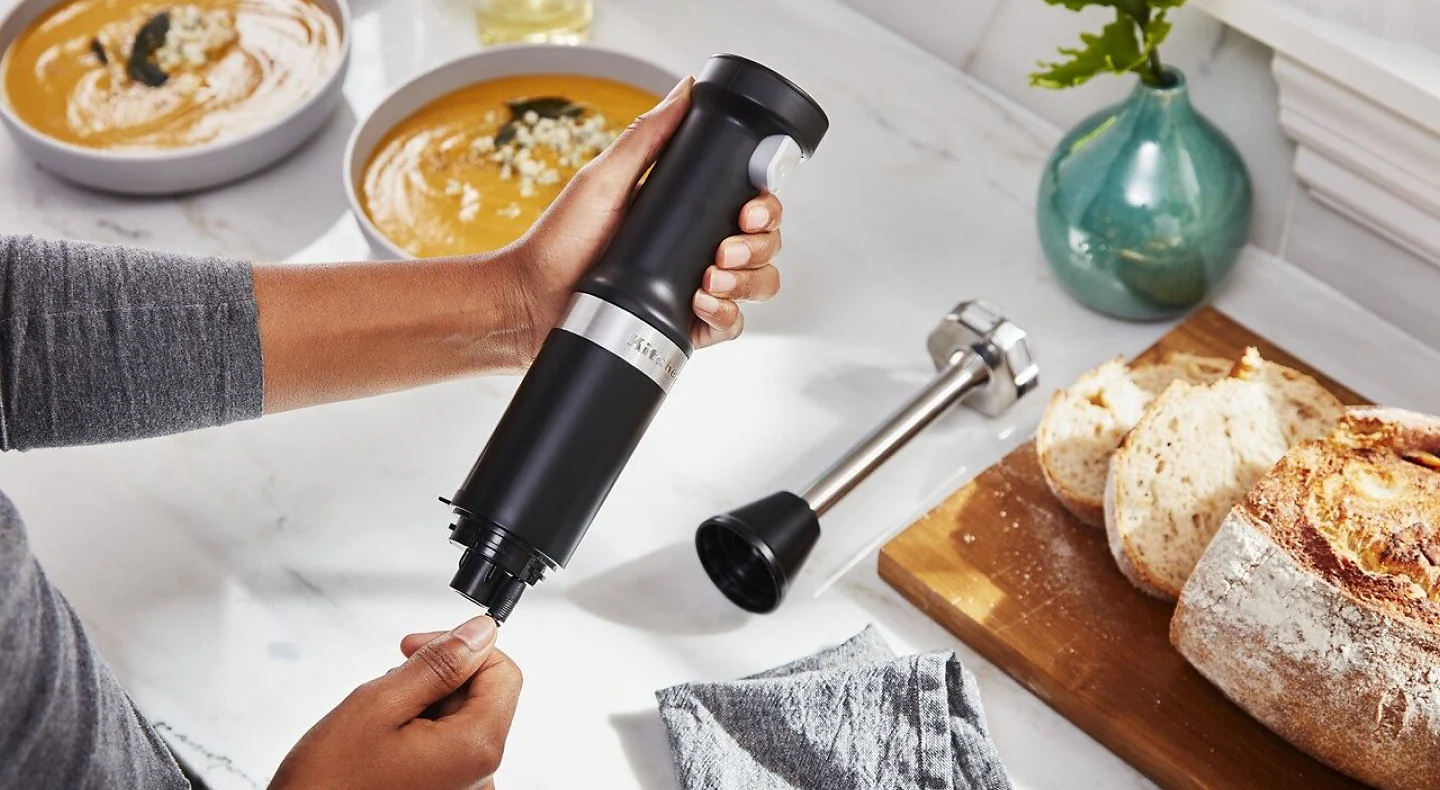
Stick-style blenders you use in pots. Great for soups and purees with minimal cleanup. They are not designed for heavy-duty jobs like making nut butter.
High-performance or professional blenders
Strong motors and durable parts. Use these for daily heavy use, hot blending, and making nut butter. They cost more but handle tough tasks.
Commercial blenders
Built for restaurants and heavy use. Choose this only if you need near-constant, high-volume blending.
How to choose a blender among these depends on your typical tasks, space, and budget. Pick the type that matches how you cook.
Key features to compare when choosing a blender
Focus on real features, not just brand shine. Here’s what matters when you decide how to choose a blender.
- Motor power and RPM
- Look at wattage and motor type. Higher watts handle tougher jobs. For light tasks, 300–500 watts is fine; for nuts and ice, aim for 700+ watts.
- Jar material and shape
- Glass jars resist stains and don’t absorb odors. BPA-free plastic is lighter and less likely to break. Tall, tapered jars help circulate ingredients.
- Blade design
- Strong, well-angled blades mean smoother blends. Look for stainless steel blades with good reviews for durability.
- Capacity
- Choose jar size for your household. 20–40 ounces fits singles or couples. 48–72 ounces suits families and batch cooking.
- Speed settings and presets
- Variable speed gives control. Preset programs help with smoothies, soups, and crushed ice. Avoid too many confusing presets.
- Pulse function
- Useful for chunky textures and quick bursts.
- Noise level
- High-power blenders are louder. Check decibel notes if noise matters to you.
- Ease of cleaning
- Dishwasher-safe parts and simple jar shapes make life easier. Sealed blade bases reduce leaks but may complicate cleaning.
- Durability and warranty
- Longer warranties and replaceable parts improve long-term value. Check motor and jar coverage.
- Accessories
- Extra jars, tampers, travel cups, and lids add value. Only buy accessories you will use.
These features form the core of how to choose a blender for predictable, long-term results.
How to choose a blender by use case
Match the blender to the job. This is the most practical part of how to choose a blender.
- Smoothie lover
- Choose a high-speed blender with at least 600 watts and a good pitcher or travel cup. Strong blade action and presets help.
- Ice crushing and frozen drinks
- Pick 700+ watts or a high-performance blender with a sturdy jar and ice-crush preset.
- Nut butter and hard seeds
- Use a professional or high-performance model. Look for high torque motors, sturdy blades, and cool-down cycles.
- Hot soups and sauces
- Choose a blender that supports hot blending and has vented lids or preset soup programs.
- Baby food and purees
- A small-capacity blender or immersion blender works well. Prioritize easy cleaning and gentle speeds.
- Small kitchens and apartments
- Personal blenders or compact countertop models save space and still handle daily tasks.
- Occasional use or budget
- A mid-range blender with 400–700 watts will manage most tasks without costing too much.
Thinking about your daily routine is the best way to decide how to choose a blender.
Budget guide: what to expect at different price points
Price often reflects power and durability. Here’s a simple breakdown to help with how to choose a blender based on budget.
- Under $50
- Basic personal and mini blenders. Good for single smoothies and light use. Expect limited power and shorter lifespan.
- $50–$150
- Mid-range countertop models. Better motors and jars. Good value for most households.
- $150–$400
- High-performance consumer blenders with better motors and features. Suitable for regular use and harder tasks.
- $400+
- Professional and heavy-duty blenders. Strong motors, long warranties, and durable parts for frequent use.
Your budget should match how often and how hard you will use the machine. That helps you narrow down how to choose a blender.
Maintenance, safety, and long-term care
A well-kept blender lasts longer. These tips help after you decide how to choose a blender.
- Clean right away
- Rinse jars and lids after use to avoid stains and odors. Use warm soapy water or a self-clean cycle if available.
- Avoid overheating
- Run long blends in bursts and allow cool-down time to protect the motor. Use pulse or lower speeds for thick mixes.
- Replace parts when needed
- Gaskets and blades wear over time. Replace them rather than discarding the whole unit.
- Follow safety rules
- Secure lids tightly. Never put your hands inside a jar while blades spin. Use tamper tools when provided.
- Store properly
- Keep the blender dry and parts assembled loosely to prevent misplaced pieces.
Good care is part of how to choose a blender that serves you well for years.
Common mistakes to avoid when choosing a blender
Don’t buy on looks alone. Avoid these errors when you think about how to choose a blender.
- Mistake: Choosing by brand only
- Not every expensive brand fits every need. Read specs and reviews.
- Mistake: Underestimating power needs
- Low-watt blenders struggle with ice and nuts. Pick a higher-watt model for tough tasks.
- Mistake: Ignoring warranty and parts
- A longer warranty and available replacements save money later.
- Mistake: Forgetting cleaning ease
- Hard-to-clean jars lead to poor hygiene and less use.
- Mistake: Overbuying features
- Extra presets are useless if you never use them. Focus on what solves your needs.
Avoiding these mistakes makes how to choose a blender simpler and smarter.
Personal experience: real tips and lessons learned
I’ve used dozens of blenders at home and in tests. Here are honest lessons from that experience.
- Lesson: Power trumps bells
- A strong motor made more difference than fancy presets in my tests. It handled frozen fruit and nut blends without fuss.
- Lesson: Jar shape matters
- One pitcher that tapered near the blades blended smoother than a wide, flat jar. It reduced air pockets and gave a creamier result.
- Lesson: Don’t ignore noise
- A loud blender can wake kids or neighbors. I traded a tiny bit of power for a quieter motor when I needed peace.
- Tip: Test small tasks first
- Before making nut butter, try seeds and small batches to check heat and texture. It avoids burned mixes.
- Tip: Keep spare gaskets
- I once had a worn gasket stop a favorite blender. A spare part saved the day.
These practical points show how to choose a blender that fits real life.
Frequently Asked Questions of how to choose a blender
How much motor power do I need for smoothies?
For regular smoothies, aim for 500–800 watts. Stronger motors (700+ watts) handle frozen fruit and ice more smoothly.
Can a low-cost blender make nut butter?
Most low-cost blenders struggle with nut butter. You need a high-torque motor and sturdy blades for smooth nut spreads.
Is a glass jar better than plastic?
Glass resists stains and odors and feels sturdy, but it is heavier and can break. BPA-free plastic is lighter and more practical for many kitchens.
Do I need a high-speed blender for soups?
High-speed blenders can heat soups via blade friction and produce very smooth texture. Mid-range blenders still work if you heat soup separately.
How often should I replace blades or seals?
Check blades and seals yearly with frequent use, and replace them when you see wear or leaks. Proper maintenance extends the blender’s life.
Conclusion
Choosing how to choose a blender comes down to matching tasks, power, and budget. Start with your main use case, check motor power, jar type, and cleaning ease, and pick a model with a solid warranty. If you blend often or make tough recipes, invest in a high-performance blender. Try one small test recipe after buying to confirm it matches your needs. Ready to shop? Compare specs, read reviews, and pick the model that fits your kitchen routine. Leave a comment about what you blend most, and I’ll help you choose a model.