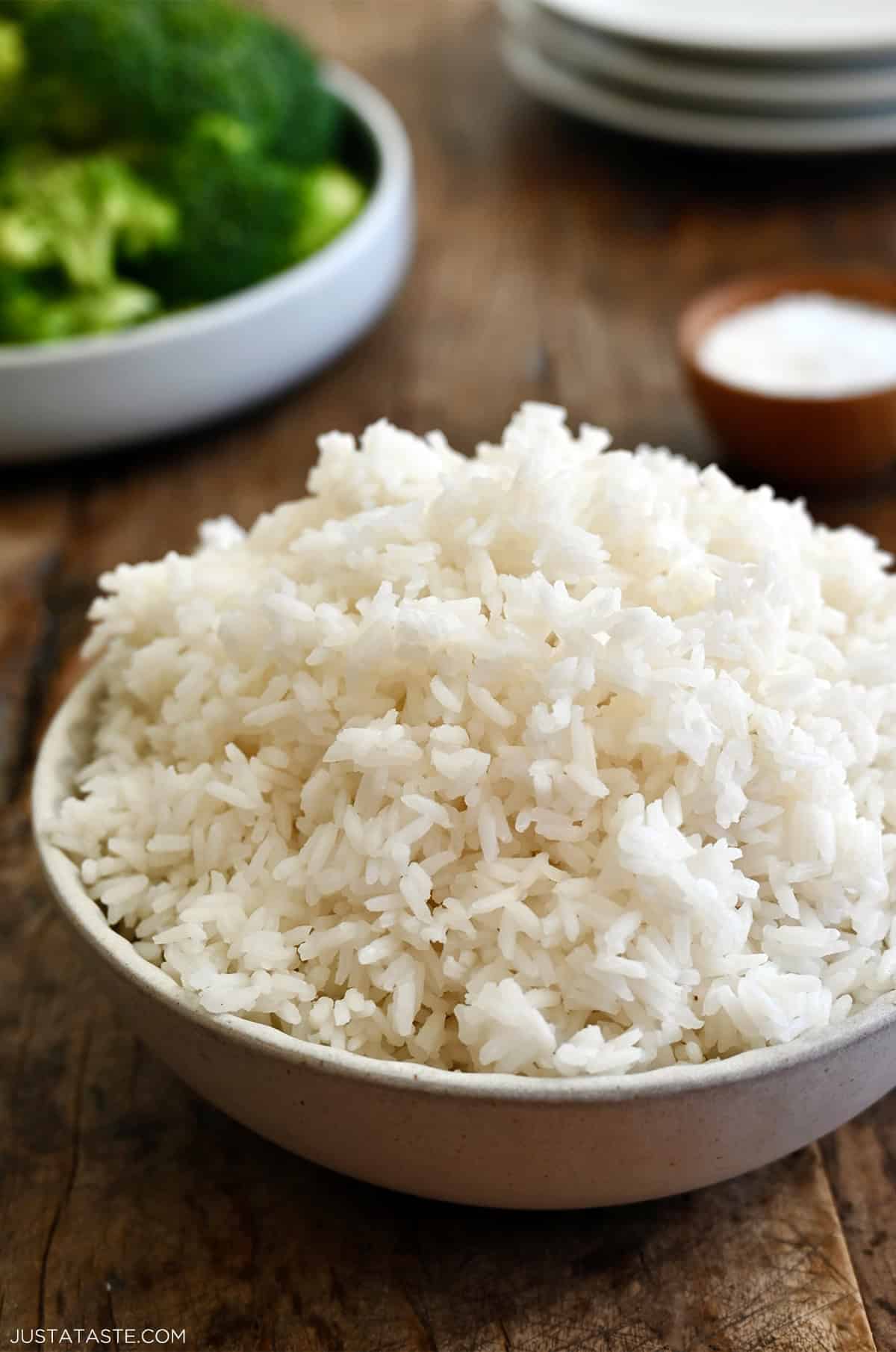
Cook 1 cup white rice with 2 cups water, simmer covered, then fluff and rest.
I’ve cooked white rice thousands of times for family dinners and recipe tests. This guide shows exactly how to cook white rice perfectly on the stove, in a rice cooker, in the microwave, and even in the oven. You’ll get clear steps, helpful tips, troubleshooting, and my real-world notes so you can make fluffy rice every time.
:max_bytes(150000):strip_icc()/__opt__aboutcom__coeus__resources__content_migration__simply_recipes__uploads__2020__02__HTC-White-Rice-Lead-3-5073a46b67124ca8b405143cd373da0c.jpg)
Why mastering how to cook white rice matters
White rice is a global staple. It’s simple, budget-friendly, and pairs with many dishes. Yet small mistakes can make rice gummy, mushy, or undercooked. Learning how to cook white rice well saves time and improves meals. I’ll share easy rules, ratios, and tricks I use in my kitchen so you get consistent results.
Ingredients and tools you need
Simple ingredients and basic tools are enough.
- Ingredients
- White rice (long-grain, medium-grain, or short-grain)
- Fresh water
- Salt (optional)
- Fat like butter or oil (optional)
- Tools
- Medium saucepan with a tight-fitting lid
- Rice cooker (optional)
- Fine-mesh sieve for rinsing
- Fork for fluffing
Choosing good tools matters. A good lid keeps steam in. A rice cooker removes guesswork. I prefer a heavy-bottomed saucepan to avoid hot spots.

Basic stovetop method: step-by-step
This is the classic, reliable way to learn how to cook white rice.
- Measure rice and water
- Use 1 cup white rice to 2 cups water for most long-grain white rice. Adjust for other types.
- Rinse the rice
- Rinse under cold water until water runs clear to remove surface starch.
- Bring to a boil
- Combine rice, water, and a pinch of salt in the saucepan. Bring to a gentle boil uncovered.
- Simmer low and cover
- Reduce heat to the lowest setting. Cover tightly and simmer 15–18 minutes for long-grain white rice.
- Rest and fluff
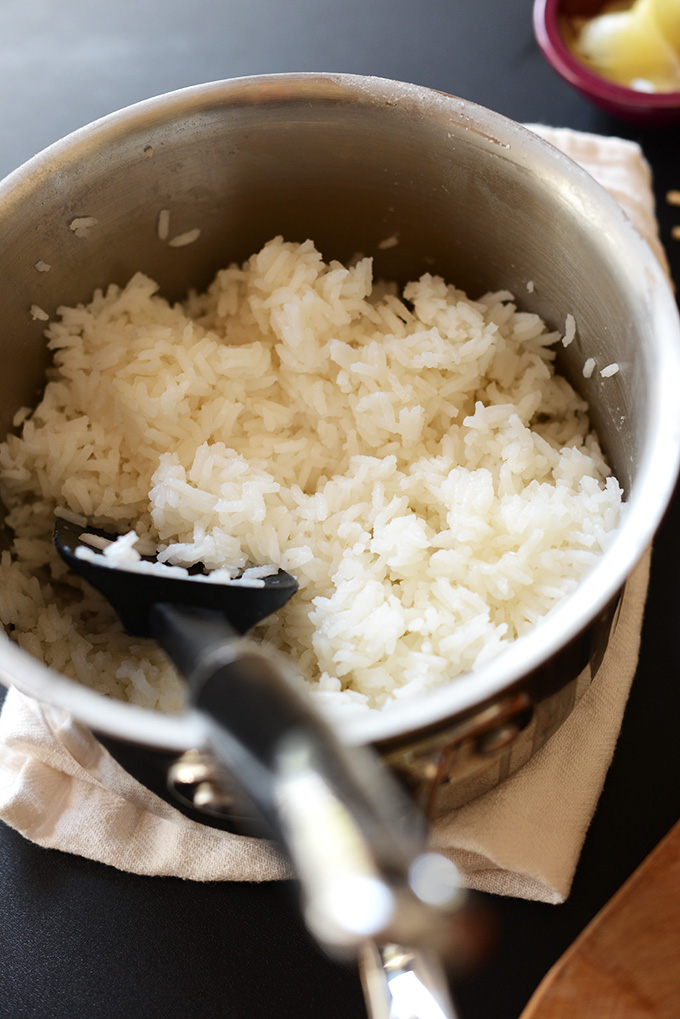
- Turn off heat. Let rice rest, covered, 10 minutes. Remove lid and fluff with a fork.
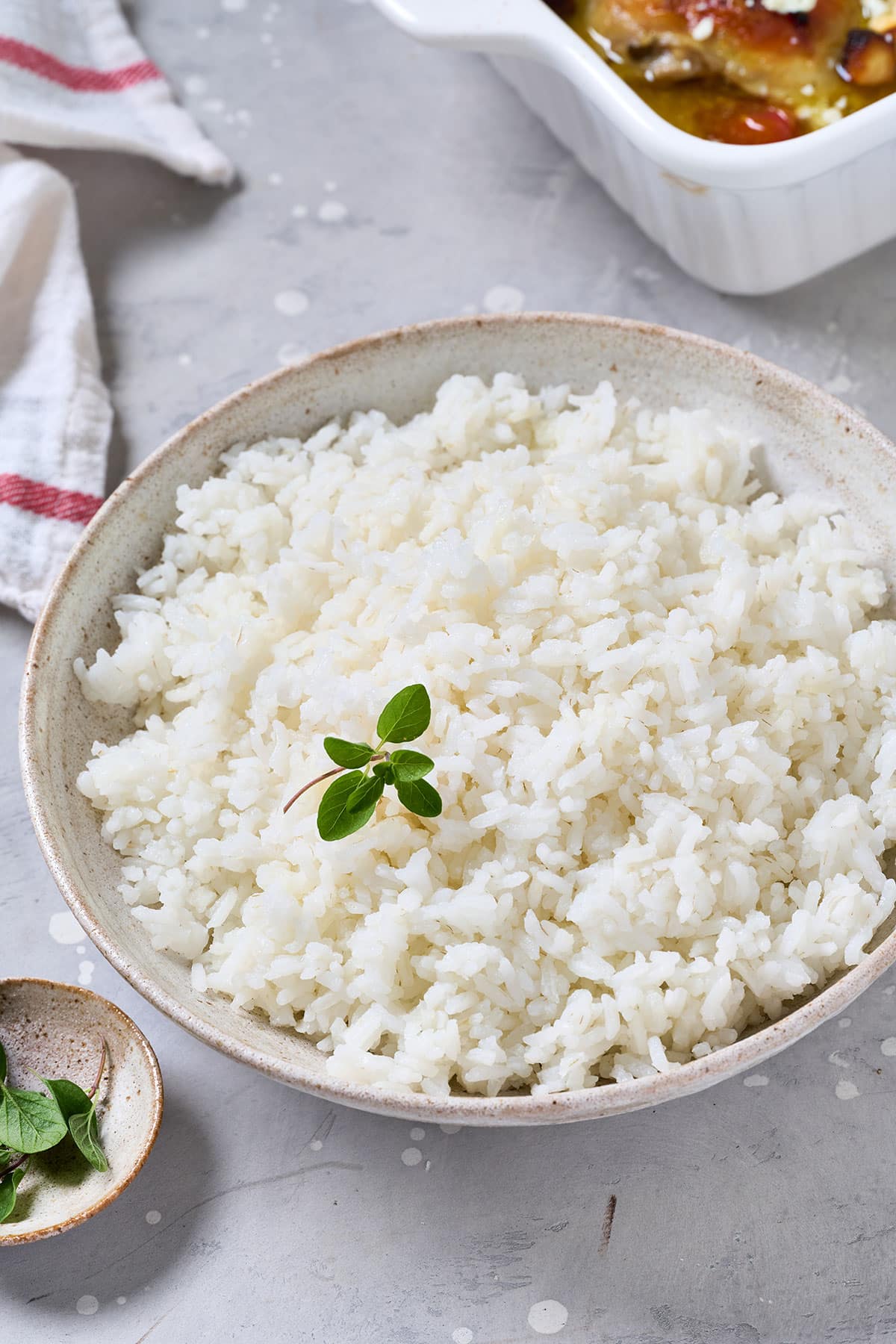
This method teaches you water control and timing. I learned early that resting is as important as cooking. It lets steam finish the job and stops rice from getting sticky.
Rice-to-water ratios and timing
Ratios vary by rice type. Learn these basics and you’ll know how to cook white rice in any situation.
- Long-grain white rice
- Ratio: 1 cup rice to 2 cups water
- Time: Simmer 15–18 minutes, rest 10 minutes
- Medium-grain white rice
- Ratio: 1 cup rice to 1.75–2 cups water
- Time: Simmer 15–17 minutes, rest 10 minutes
- Short-grain white rice
- Ratio: 1 cup rice to 1.5–1.75 cups water
- Time: Simmer 12–15 minutes, rest 10 minutes
Altitudes and cookware affect results. If rice is too firm, add 1–2 tablespoons of hot water and steam 2–3 minutes. If too soft, reduce water slightly next time.
Rinsing rice: why and how
Rinsing changes texture. It removes surface starch that makes rice gummy.
- Fill a bowl or use a sieve.
- Rinse under cold running water while stirring with your hand.
- Continue until water runs mostly clear, usually 3–4 rinses.
I used to skip rinsing. My rice was clumpy. A quick rinse fixed that. For recipes needing starchy rice (like sushi), rinse less or not at all.

Rice cooker method
Rice cookers simplify how to cook white rice and make it nearly foolproof.
- Measure rice and water using the cooker’s cup marks or 1:2 ratio.
- Rinse rice, then add to cooker with water and salt.
- Close lid, press the cook button. The cooker switches to warm when done.
- Let rice rest 5–10 minutes, then fluff.
Rice cookers often yield more consistent results than stovetop. My rice cooker handles short-grain and long-grain well with no babysitting.
Microwave and oven methods
Quick options when you lack a stove or rice cooker.
Microwave method
- Use a microwave-safe bowl with lid.
- Combine 1 cup rice and 2 cups water. Cover (leave small vent).
- Microwave on high for 10–12 minutes, then low for 5 minutes.
- Rest 5 minutes and fluff.
Oven-baked method
- Preheat oven to 375°F (190°C).
- Put 1 cup rice and 2 cups boiling water in an oven-safe pot with lid.
- Cover and bake 25–30 minutes. Rest 10 minutes before fluffing.
I use the oven when making large batches. It’s hands-off and consistent.

Flavor tips and add-ins
Small additions make rice taste richer without extra effort.
- Use broth instead of water for more flavor.
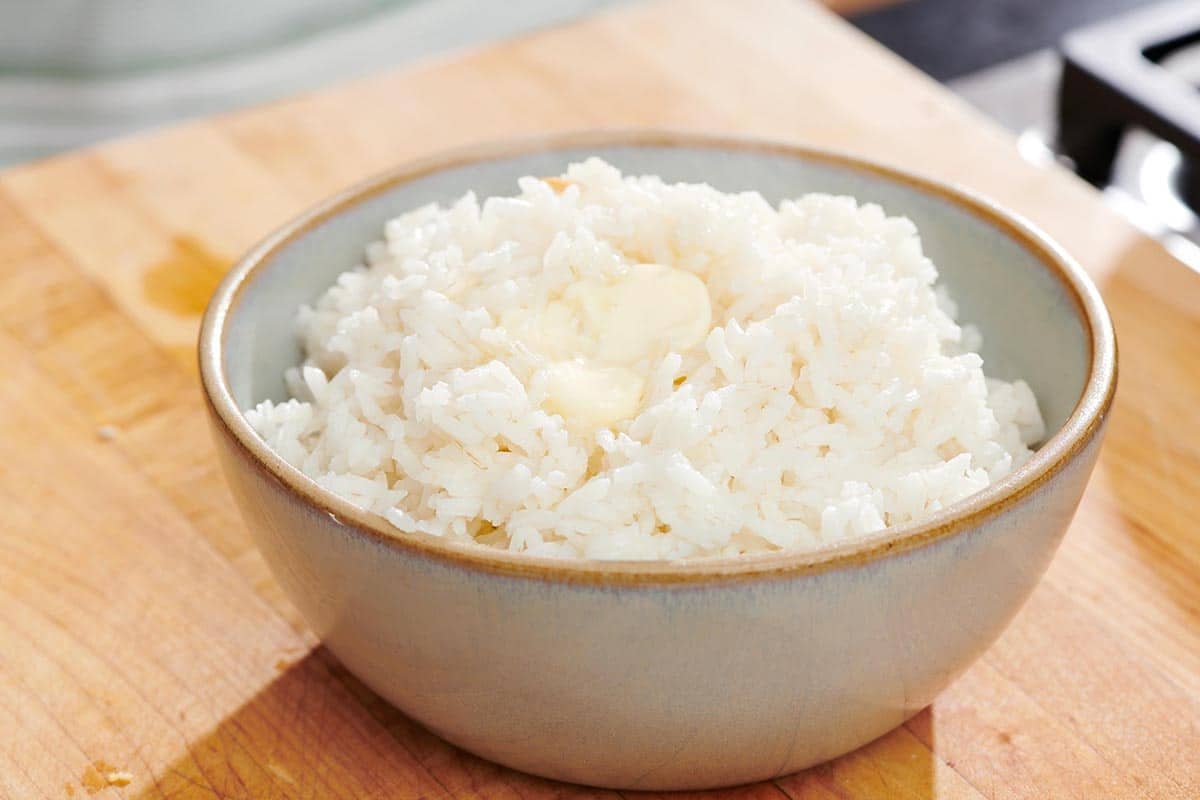
- Add 1 tablespoon butter or oil per cup of rice for silkiness.
- Stir in fresh herbs after cooking for brightness.
- Toast rice 1–2 minutes in the pot with oil before adding water for a nutty aroma.
Avoid adding too much salt before cooking. Taste as you go. These tricks help when you serve rice with simple mains.

Troubleshooting common problems
Problems happen. Here’s how to fix them fast.
- Rice is undercooked but dry
- Add 2–4 tablespoons hot water, cover, and steam 3–5 minutes.
- Rice is mushy or gummy
- Reduce water next time and rinse rice thoroughly. Use lower heat.
- Rice sticks to the pot
- Use a heavier pot or cook on lower heat. Add a splash of oil next time.
- Burnt bottom
- Remove unburned rice immediately. Use lower heat and a heavy pan next time.
These fixes come from trial and error. I’ve burned a pot or two. Now I trust lower heat and rest time.
PAA-style questions you might search for
What is the best ratio for how to cook white rice on the stove?
- The most common ratio is 1 cup rice to 2 cups water for long-grain white rice. Adjust slightly for other rice types.
Should you rinse white rice before cooking?
- Yes, rinsing removes surface starch and reduces gumminess. Rinse until water runs clear for fluffier rice.
How long should you let cooked rice rest?
- Rest rice 10 minutes covered after cooking so steam evens out and grains firm up. Don’t skip this step.
Personal experiences and lessons learned
I started with recipes that gave vague times. I learned to trust ratios and low heat. A fine-mesh sieve and a good lid became my must-haves. My biggest lesson: rest time matters as much as cooking time. When I cook for guests, I always use a rice cooker to avoid last-minute stress. These habits cut waste and improve texture every time.
Tips for storing and reheating
Proper handling keeps rice safe and tasty.
- Cool rice quickly by spreading it in a shallow container.
- Store in the fridge within 1 hour and use within 3–4 days.
- Reheat with a splash of water and cover to restore moisture.
Leftover rice can be fried into fried rice or added to soups. Never leave cooked rice at room temperature for long to avoid food-safety risks.
How to adapt for diet and texture
Adjust water and method to match the dish.
- For firmer rice, use slightly less water.
- For stickier rice or sushi, use short-grain rice and less rinsing.
- For lighter rice, use a little oil and fluff thoroughly.
Experiment on small batches until you find the texture you like. This approach helped me match rice to many cuisines.
Frequently Asked Questions of how to cook white rice
How much water do I use per cup of rice?
Use 2 cups of water for each 1 cup of long-grain white rice. Adjust slightly for other rice types or personal texture preference.
Do I need to rinse white rice every time?
Rinsing is recommended to remove excess starch and prevent gummy rice. For recipes that need sticky rice, rinse less or skip.
Can I salt the water before cooking?
Yes. Add a pinch of salt to the cooking water to season the rice. You can also add butter or oil for flavor.
How do I reheat leftover rice without drying it out?
Add a tablespoon or two of water per cup and cover while reheating. Use a microwave-safe lid or steam on the stove for best results.
Is it safe to leave cooked rice out overnight?
No. Cooked rice should be cooled and refrigerated within 1 hour to reduce food-safety risks. Use refrigerated rice within 3–4 days.
Final thoughts
Mastering how to cook white rice is simple with the right ratios, rinsing, low heat, and resting. Try the basic stovetop method first, then experiment with a rice cooker, microwave, or oven. Small changes make a big difference, so adjust water and timing to match your rice type and taste. Practice these steps, and you’ll get reliable, fluffy rice every time.
Try one method this week and leave a comment about your results. Subscribe or come back for more kitchen tips and easy recipes.