Cook brown rice simply: rinse, soak (optional), then simmer with 2 to 2.5 parts water for 40–50 minutes.
I’ve cooked brown rice for years in home kitchens and test kitchens, and this guide pulls together practical methods, timing, and troubleshooting so you can learn exactly how to cook brown rice that’s fluffy, nutty, and reliable. Read on for stovetop, rice cooker, and Instant Pot methods, plus tips, flavor ideas, storage advice, and answers to common problems so you’ll never end up with gummy or crunchy brown rice again.

Why choose brown rice?
Brown rice keeps the bran and germ. That means more fiber, vitamins, and a deeper flavor than white rice. Many people choose brown rice for its nutrition and hearty texture.
Brown rice takes a bit longer to cook but rewards you with chew and scent. Knowing how to cook brown rice well makes it an easy pantry staple.
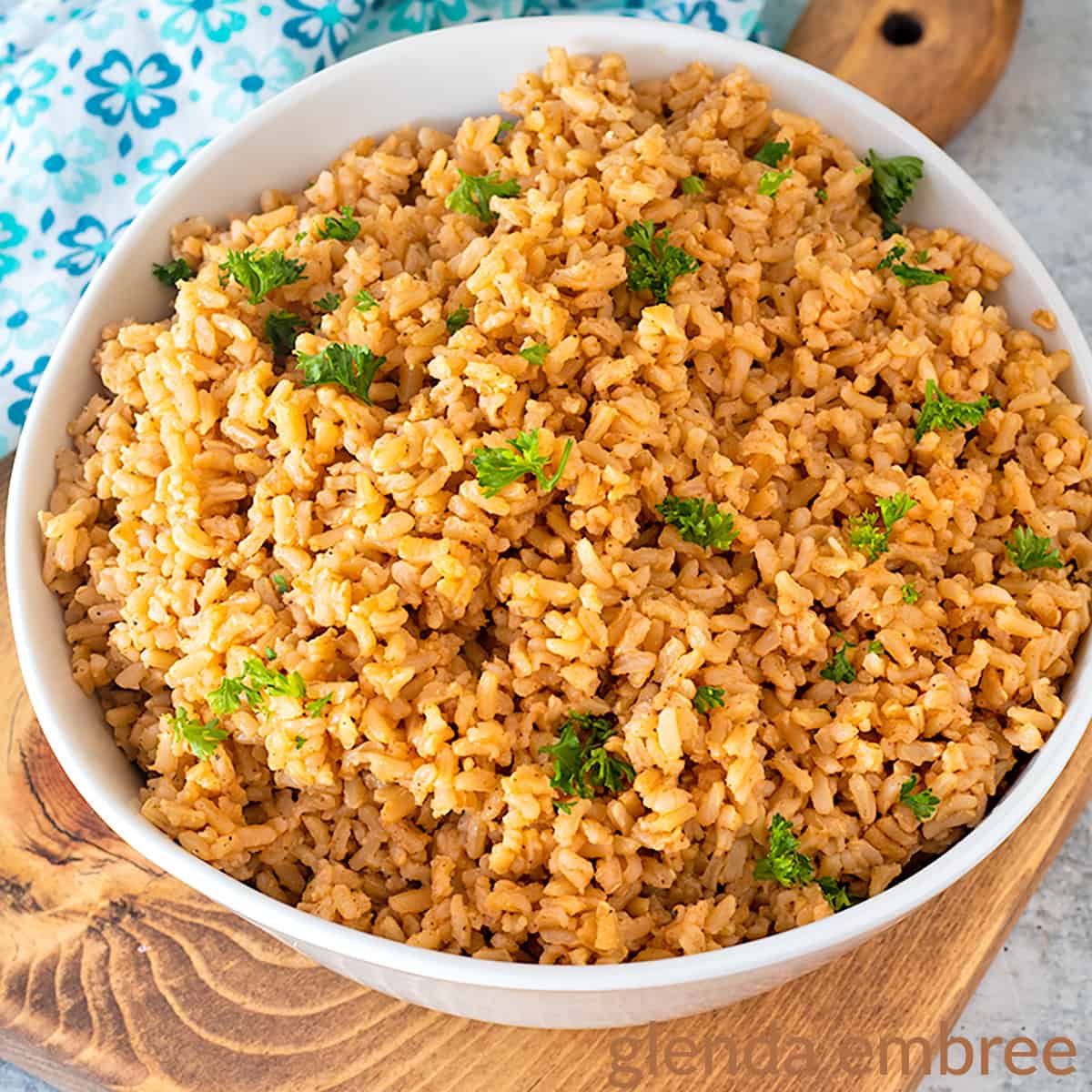
Types of brown rice and grain sizes
- Short-grain brown rice — Tender and slightly sticky when cooked. Good for bowls and sushi-style dishes.
- Medium-grain brown rice — Balanced texture, slightly creamy, good for everyday meals.
- Long-grain brown rice — Fluffiest option, grains stay separate. Great for pilafs and sides.
- Parboiled brown rice — Partially precooked, cooks faster and can be firmer.
- Quick-cook brown rice — Steam-treated to shorten time, but less nutty flavor.
Different types need small tweaks to water ratio and time. Match the method to the grain for best results.
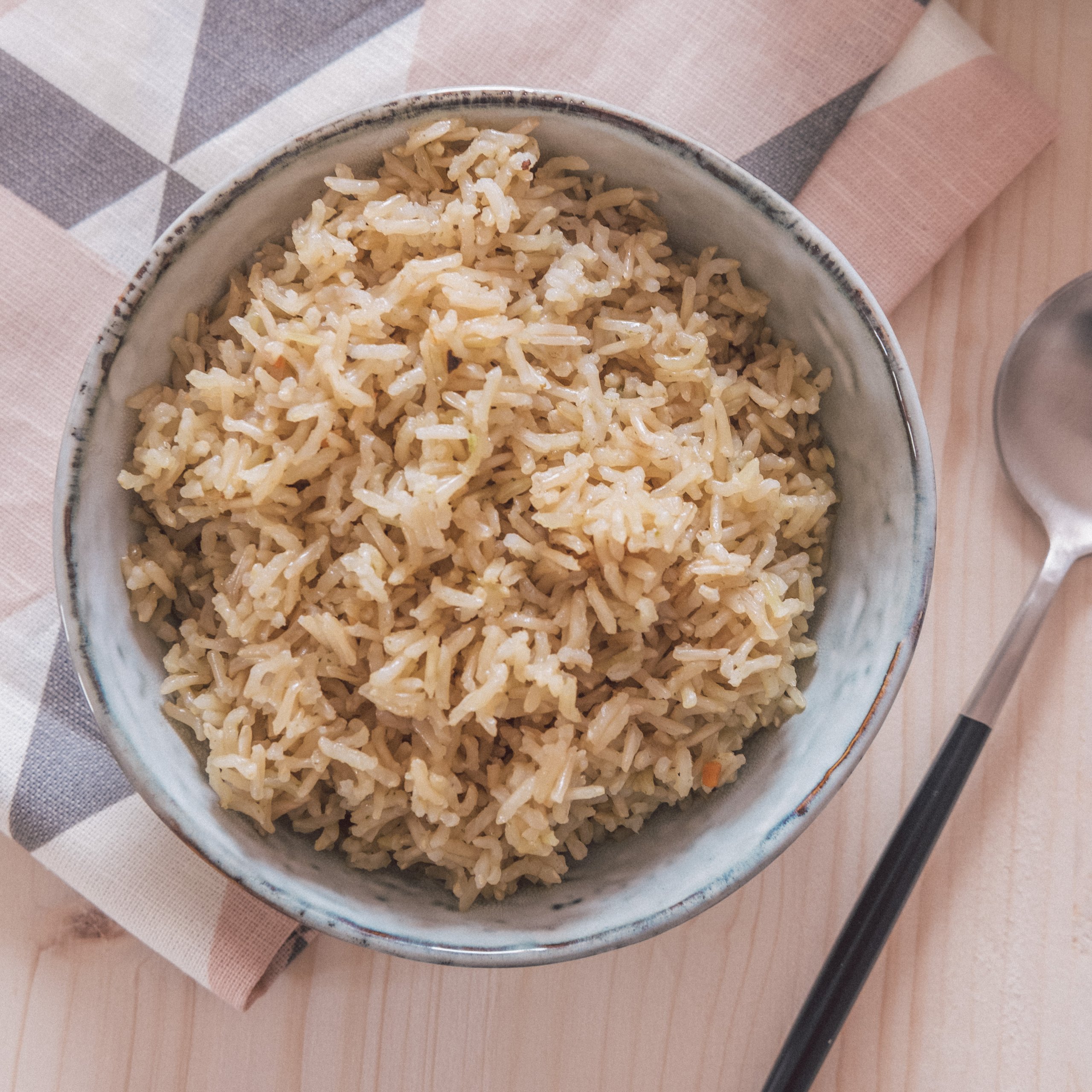
How to cook brown rice — Basic stovetop method
- Measure rice and water. Use 1 cup brown rice to 2 to 2.5 cups water.
- Rinse rice. Place rice in a fine sieve and rinse under cold water until water runs clear. This removes dust and excess starch.
- Optional soak. Soak rice 20–45 minutes to shorten cooking time and improve texture; drain before cooking.
- Combine in pot. Add rice, water, and a pinch of salt to a saucepan with a tight-fitting lid. Bring to a gentle boil uncovered.
- Simmer low. Reduce heat to low, cover, and simmer 40–50 minutes. Do not lift the lid often.
- Rest. Turn off heat and let rice sit covered for 10 minutes to steam. Fluff with a fork and serve.
Tips from experience:
- If you prefer firmer grains, use 2 cups water per 1 cup rice; for softer, use 2.25–2.5 cups.
- A heavy-bottomed pot and tight lid prevent scorching and steam loss.
How to cook brown rice well is mostly about timing and not lifting the lid early.

Source: loveandlemons.com
Rice cooker method
- Rinse and optionally soak the rice.
- Add rice and water to the cooker. Use the cooker’s brown rice setting if available; otherwise use 1:2 to 1:2.25 rice-to-water ratio.
- Start the cooker and let it finish its cycle. Allow a 10-minute rest after it switches to “warm.”
- Fluff and serve.
Using a rice cooker makes how to cook brown rice almost foolproof. My rice cooker yields consistent results and frees up stove space.
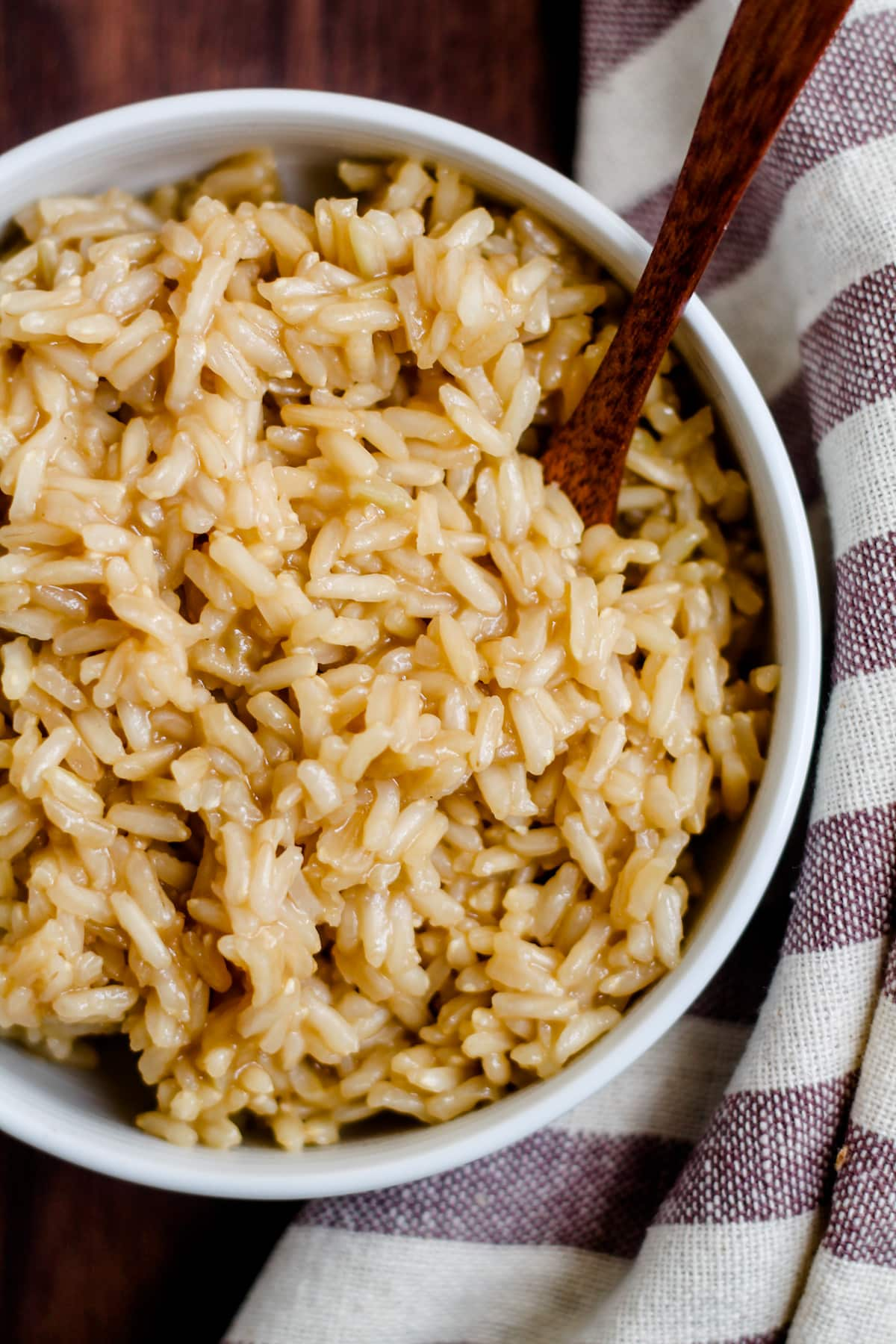
Instant Pot / Pressure cooker method
- Rinse rice. No need to soak.
- Add 1 cup rice to 1.25–1.5 cups water for firmer rice, or up to 1.75 cups water for softer rice.
- Seal and cook on high pressure for 20–22 minutes.
- Natural release for 10 minutes, then quick release any remaining pressure. Fluff and serve.
Pressure cooking shortens time and keeps texture reliable. I like the Instant Pot when I need brown rice fast without sacrificing chew.

Soaking, rinsing, and salt — why they matter
- Rinsing removes surface starch and possible dust. It helps grains separate when cooking.
- Soaking reduces cook time and can make grains more tender. A 20–45 minute soak is often enough.
- Salt enhances the natural nuttiness; use about 1/4 to 1/2 teaspoon per cup of dry rice.
These small steps improve texture and flavor when you learn how to cook brown rice precisely.
:max_bytes(150000):strip_icc()/924877_master-recipe-brown-rice-05-13126d75658249b48e7c9ac32d180ab2.jpg)
Flavoring and serving ideas
- Cook brown rice in broth instead of water for richer taste.
- Add a bay leaf, garlic clove, or a pinch of turmeric to the pot while cooking.
- Stir in butter or olive oil after fluffing for shine and flavor.
- Use brown rice in bowls, salads, stir-fries, pilafs, and stuffed peppers.
Pair brown rice with roasted vegetables, beans, or lean proteins. It holds up well to bold sauces and spices.

Troubleshooting common problems
Why is my brown rice mushy?
- Too much water or overcooking causes mush. Reduce water by 10% and shorten cooking time next time.
Why is my rice undercooked or crunchy?
- Not enough water or heat that’s too low can leave rice firm. Add a splash of hot water, cover, and cook another 5–10 minutes.
Why do grains stick together?
- Rinsing thoroughly and using a gentle fluff with a fork fixes this. For separate grains, try a slightly lower water ratio or a long rest before fluffing.
If the bottom is burnt, switch to a heavier pot or use lower heat and add a layer of heat diffuser next time. These fixes stem from testing and everyday kitchen experience.
:max_bytes(150000):strip_icc()/__opt__aboutcom__coeus__resources__content_migration__simply_recipes__uploads__2019__08__HT-Stovetop-Brown-Rice-LEAD-3-3b69bbb3488e4cc1a030e174ea2f17f6.jpg)
Storage and reheating brown rice
- Cool quickly. Spread rice thin on a tray and refrigerate within two hours of cooking to reduce bacterial growth.
- Refrigerate 3–4 days in an airtight container. Freeze up to 6 months in portioned bags.
- Reheat with a sprinkle of water and cover, using microwave or stovetop, until steaming hot.
Keeping cooked brown rice safe and fresh is as important as learning how to cook brown rice. Proper storage prevents waste and keeps texture pleasant.
Frequently Asked Questions of how to cook brown rice
How long does brown rice take to cook on the stove?
Most brown rice takes 40–50 minutes to simmer on the stove after boiling, plus a 10-minute resting time. Soaking can reduce that time.
What is the best water-to-rice ratio for brown rice?
A common ratio is 2 to 2.5 cups water per 1 cup brown rice for stovetop cooking; rice cookers and pressure cookers use slightly different amounts. Adjust for texture preference.
Can I cook brown rice without soaking?
Yes. Soaking is optional. Soaking shortens cook time and can make rice slightly softer, but unsoaked brown rice cooks fine with a longer simmer.
Is brown rice healthier than white rice?
Brown rice contains more fiber, vitamins, and minerals because it keeps the bran and germ. It has a lower glycemic impact than many white rices.
How do I reheat brown rice so it isn’t dry?
Add a tablespoon or two of water per cup, cover, and microwave or heat gently on the stove until steaming. This restores moisture and prevents dryness.
Conclusion
Now you know how to cook brown rice using stovetop, rice cooker, or Instant Pot methods, plus simple tips on soaking, rinsing, flavoring, and storing. Start with a reliable water ratio, use a tight lid, and allow a resting period — these small steps make a big difference. Try one method tonight and tweak water and time to match your texture preference, then come back and share your favorite brown rice dish or tip.