How to grind coffee beans with a blender: pulse short bursts for coarse to medium grind, watch heat and time.
I’ve ground coffee in a blender many times and I’ll walk you through safe, reliable steps so you get a tasty cup. This guide explains how to grind coffee beans with a blender, why it works, when to use it, and how to avoid common mistakes. You’ll learn exact timing, pulse technique, grind targets for different brews, and cleaning tips from hands-on experience.
Why grind coffee at home?
Grinding coffee at home keeps beans fresh. Whole beans keep aroma and flavor longer than preground coffee. Freshly ground beans make a brighter, cleaner cup.
Grinding at home also lets you match grind size to your brew. You can tune grind for French press, pour-over, AeroPress, or drip. When you know how to grind coffee beans with a blender, you get control and save money.
:max_bytes(150000):strip_icc()/20240416-SEA-ImmersionBlenderViralHack-YasmineMaggio-hero-3e1bedd08fd14d7b8a9247d68e0be110.jpg)
Tools and safety: blender vs grinder
A burr grinder gives the most consistent grind. A blade blender can still work in a pinch. Know the limits and use safe methods.
Safety tips:
- Make sure the blender is stable and lid is secure.
- Use short pulses to avoid heating the beans.
- Never leave the blender running unattended.
If you want the best taste, use a burr grinder when possible. If you must use a blender, follow the steps below for best results.

Step-by-step: how to grind coffee beans with a blender
Follow this clear method to grind coffee in a blender without burning the beans or ending with dust.
- Measure beans
- Use a kitchen scale or scoop. Aim for 10–15 grams per cup for regular strength.
- Cool and dry beans
- Start with room-temperature, dry beans. Oily or chilled beans can clump.
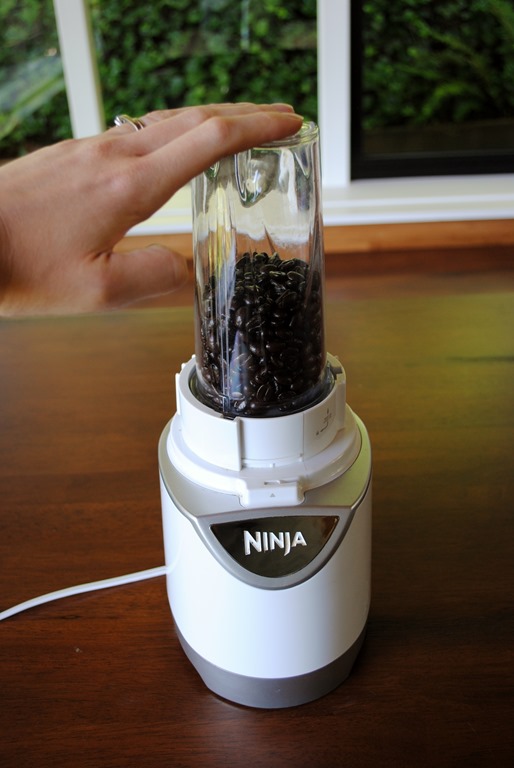
- Add beans to the blender
- Fill the jar no more than one-quarter full to let beans move.
- Use pulse bursts
- Pulse 0.5 to 1 second, then pause 2–3 seconds. Repeat 10–20 times depending on grind goal.
- Check the grind frequently
- Stop and inspect every 5 pulses. Shake the jar to redistribute beans.
- Tap and sift
- Tap the jar to settle fines. Use a sieve to remove very fine dust if needed.
- Rest before brewing
- Let grounds sit 30–60 seconds to cool. This reduces heat effects on flavor.
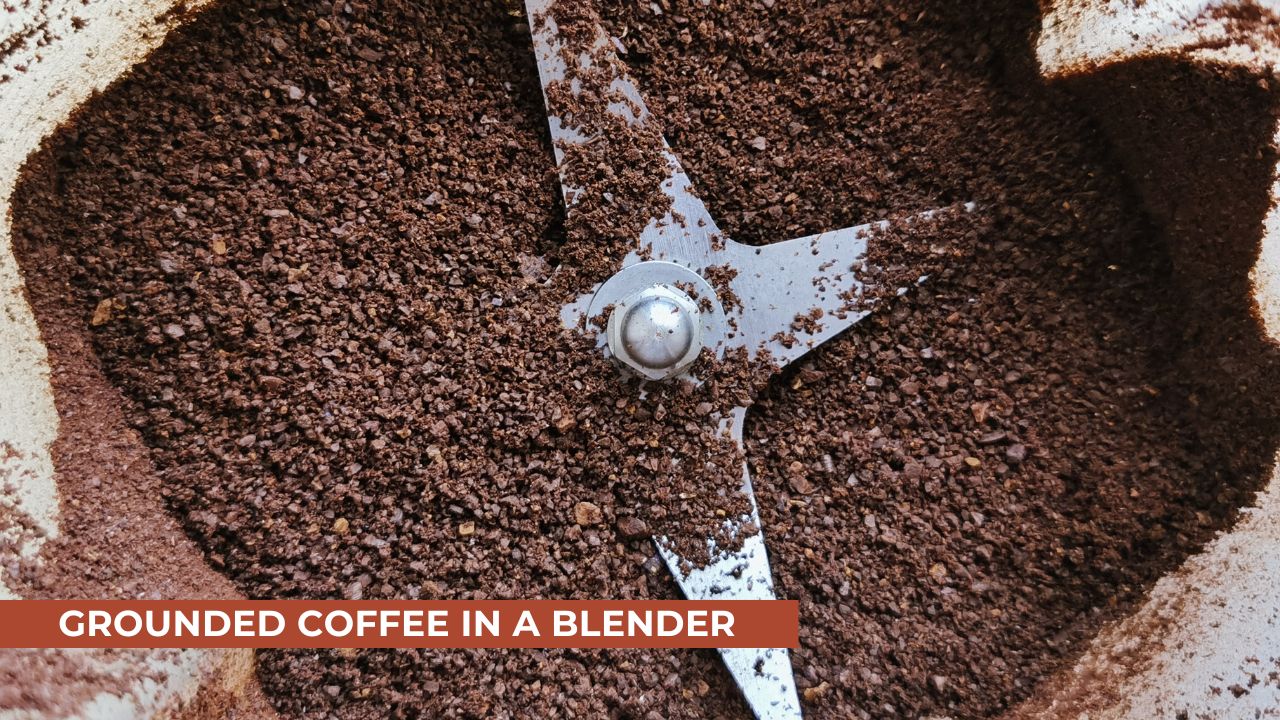
How long you pulse controls grind size. Short pulses yield coarse grounds for French press. A few more pulses give medium grounds for drip. Many short pulses produce fine grounds closer to espresso, but a blender rarely matches a proper burr grinder’s consistency.
:max_bytes(150000):strip_icc()/20240416-SEA-ImmersionBlenderViralHack-YasmineMaggio-002-67f6c98c823e40eeba9039f5c3adb46e.jpg)
Grind size guide for brewing methods
Match grind to brew method for best flavor. Here’s a simple guide to pick a target when you learn how to grind coffee beans with a blender.
- Coarse (French press)
- Large, chunky particles. Pulse 6–10 times. Should look like sea salt.
- Medium-coarse (chemex)
- Smaller but still chunky. Pulse 10–14 times.
- Medium (drip, AeroPress standard)
- Like sand. Pulse 12–18 times, checking often.
- Fine (espresso-like)
- Very hard to achieve well with a blender. Pulse many short bursts and sift.
Expect more fines and uneven particles with a blender. Use a paper filter or cloth to trap dust for cleaner cups.
Tips, problems, and fixes
Here are practical fixes I use when I grind coffee beans with a blender.
- Avoid heat
- Problem: Blender blades heat beans and change flavor.
- Fix: Use short pulses and let the jar cool between tries.
- Reduce fines
- Problem: Blender makes lots of dust and fines.
- Fix: Pulse less and shake jar often. Use a sieve to remove dust.
- Even distribution
- Problem: Grounds are uneven.
- Fix: Stop and stir or tap jar, then pulse more.
- Oily beans
- Problem: Oily beans clump.
- Fix: Chill beans briefly or add a spoon of rice to absorb oils (remove rice after).
- Small batches
- Problem: Too many beans cause uneven grind.
- Fix: Grind in smaller batches for better control.
Can a blender replace a grinder?
A blender can work short-term for coarse and medium grinds, but it won’t fully replace a burr grinder for consistency.
Will the blender make my coffee taste bad?
If you overheat or over-grind, yes. Use pulses, check often, and avoid long runs to preserve flavor.

Cleaning and maintenance
Clean the blender well after grinding beans. Coffee oils stick to plastic and metal. If you skip cleaning, old oils will taint future blends.
Cleaning steps:
- Empty grounds and brush the jar.
- Add warm water and a drop of dish soap. Pulse and rinse.
- For deep clean, grind a tablespoon of rice, then discard and wash.
- Dry thoroughly to avoid stale flavors.
Store your beans in a cool, dark place. If you use a blender often, inspect seals and blades for wear.
Personal experience, mistakes, and lessons
I learned a lot from trial and error using a blender for coffee. My first attempts overheated beans and made flat-tasting coffee. That taught me pulse timing and batch size matter more than blender power.
What worked for me:
- Short pulses and frequent checks gave the best results.
- Grinding for French press was easiest and most forgiving.
- Using a sieve cut out fines and made pour-overs cleaner.
Mistakes to avoid:
- Running blender continuously.
- Overfilling the jar.
- Skipping cleaning.
These simple habits improved my cup every time I tried how to grind coffee beans with a blender.

Frequently Asked Questions of how to grind coffee beans with a blender
How long should I pulse a blender to grind coffee beans?
Pulse in 0.5 to 1 second bursts. Pause 2–3 seconds between pulses and check the grind after every 5 pulses.
Can a blender make espresso-level fine grounds?
Not reliably. A blender can approach fine, but it will produce uneven particles and more fines than a burr grinder.
Will grinding coffee in a blender damage the motor?
Short batches and pulses are safe for most home blenders. Avoid long continuous runs to protect the motor.
How many beans should I grind at once in a blender?
Keep the jar about one-quarter full. Small batches give more even results and prevent overheating.
How do I reduce coffee dust from a blender grind?
Pulse less, shake the jar frequently, and use a sieve to remove dust. A paper filter can also trap fines during brewing.
Is adding rice to the blender safe to absorb oils?
Yes, a small amount of dry rice can absorb oils and help clean, but discard the rice and wash the jar thoroughly afterward.
Conclusion
You can get a great cup when you know how to grind coffee beans with a blender. Use short pulses, small batches, and frequent checks to avoid heat and fines. Expect unevenness compared to burr grinders, but with care you can brew tasty French press or drip coffee at home.
Try the pulsing method today. Share what worked for you, subscribe for more tips, or leave a comment about your blender grind results.