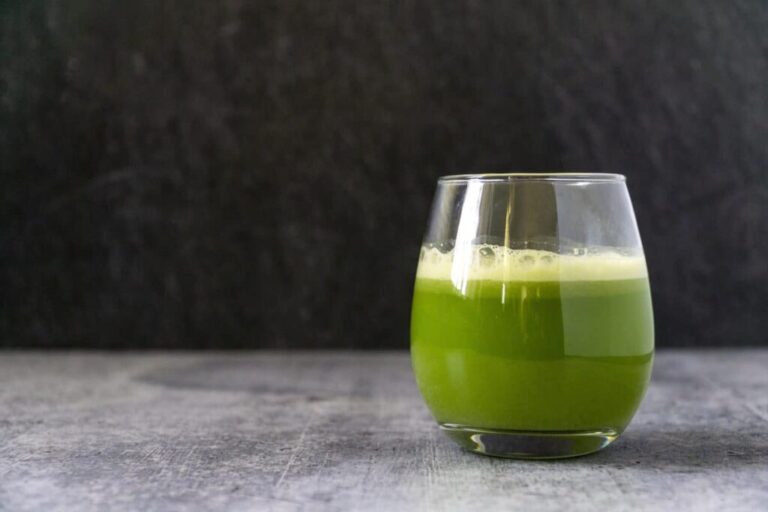
Blend fresh fruit, liquid, and ice for a creamy, healthy smoothie in minutes.
I’ve taught friends, fed my family, and tested blenders for years, so I know how to make fruit smoothies with a blender that taste great and keep their texture. This guide walks you through the tools, ingredients, ratios, step-by-step method, and common fixes so you can make reliable, delicious smoothies at home every time. Read on to learn simple techniques, quick recipes, and tips from real kitchen experience.

Why make fruit smoothies?
Fruit smoothies are quick, tasty, and flexible. They turn whole fruit into a drinkable, nutrient-rich meal or snack. Smoothies can boost fruit and vegetable intake, support post-workout recovery, and satisfy a sweet tooth in a healthy way.
Making smoothies at home saves money and lets you control sugar, fiber, and portion sizes. If you want to know how to make fruit smoothies with a blender that keep a silky texture, focus on fruit type, liquid, and blending order. Real-life tip: start small when testing new combos to avoid wasting ingredients.
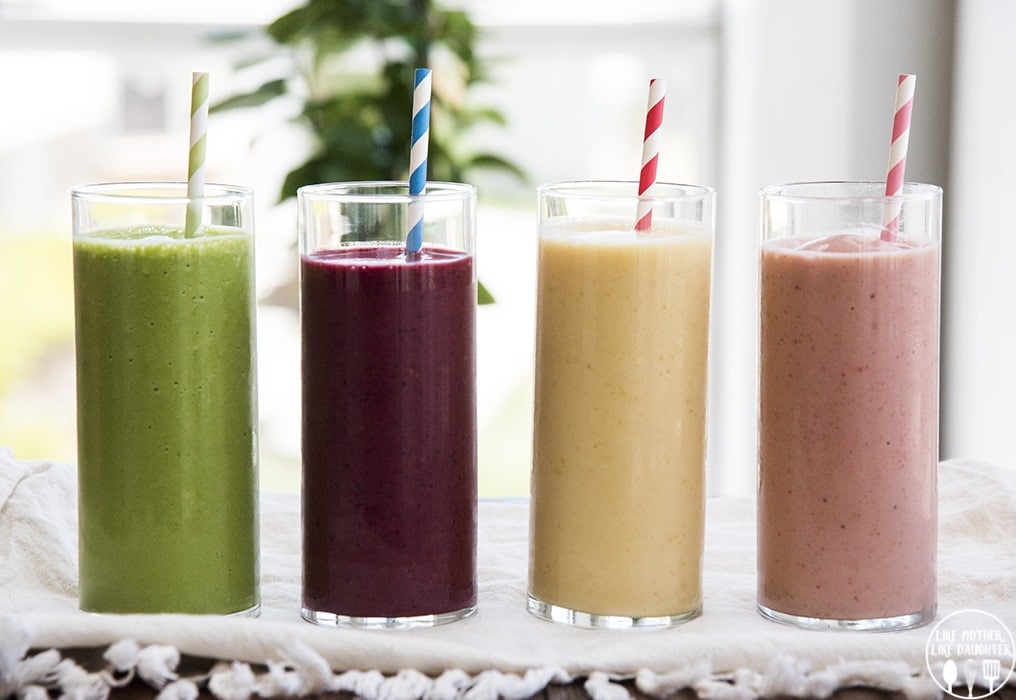
Equipment: choosing the right blender
Not all blenders are equal. A good blender for smoothies has a strong motor and sharp blades. High-speed blenders crush ice and frozen fruit with ease. Personal or single-serve blenders work well for quick drinks and individual portions.
Look for a blender with a jar shape that pulls ingredients toward the blades. Seal lids and dishwasher-safe parts make cleanup easier. My experience: a mid-range blender handled daily smoothies for years and saved me money over buying premade drinks.
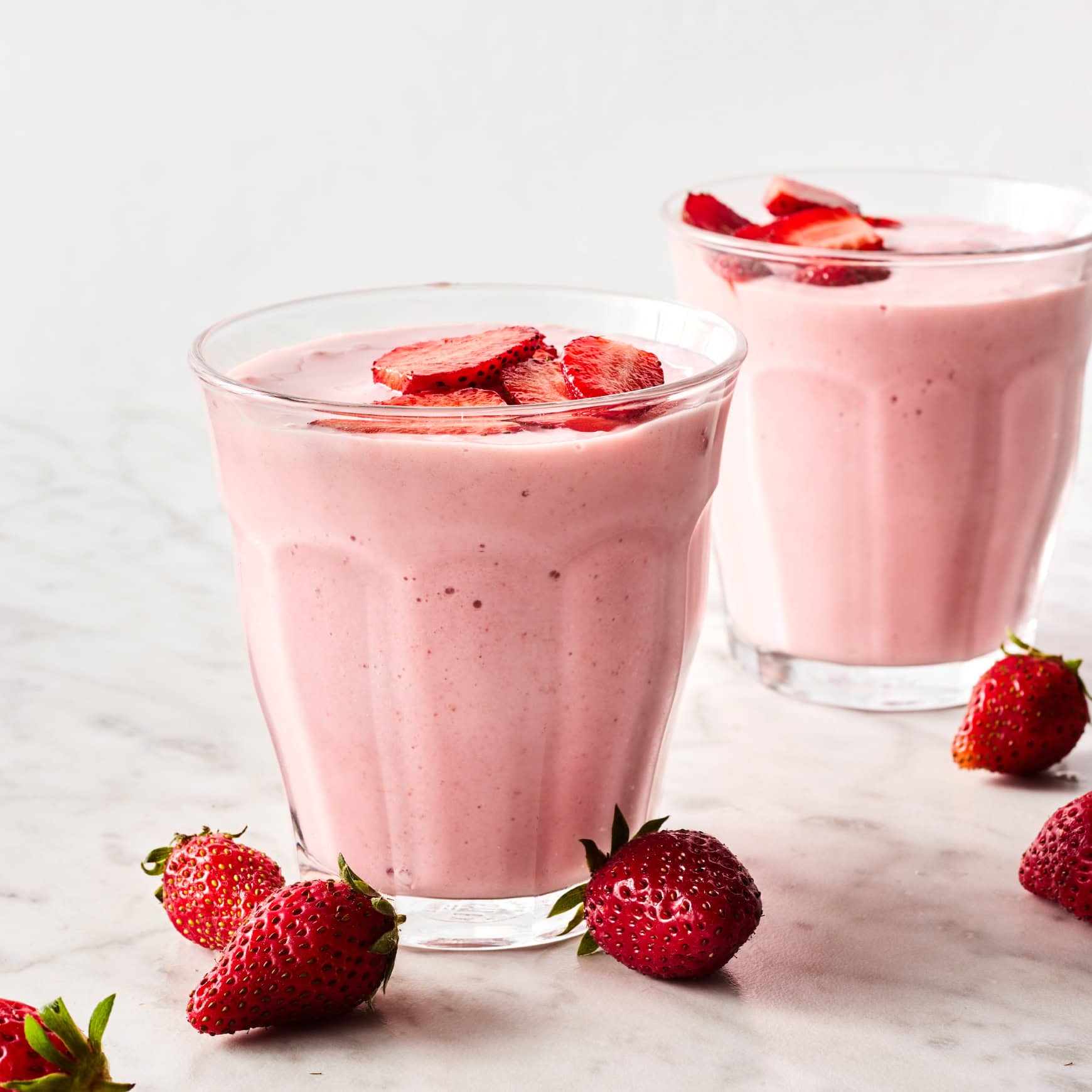
Ingredients and simple ratios
Build a smoothie from three basic layers: base liquid, bulk (fruit/veggies), and texture/fat/protein. Use simple ratios to keep things consistent.
Basic ratio to follow
- Base liquid: 1 to 1.5 cups
- Fruit/veg (fresh or frozen): 1.5 to 2 cups
- Thickener/fat/protein: 1/4 to 1/2 cup (yogurt, nut butter, or protein powder)
- Optional ice: 1/2 to 1 cup if not using frozen fruit
Choose ripe fruit for the best flavor. Frozen fruit gives a creamy texture without needing much ice. When learning how to make fruit smoothies with a blender, following the ratio above makes success likely every time.

Step-by-step guide: how to make fruit smoothies with a blender
Follow these steps to make a smooth, well-blended drink.
- Prep ingredients
- Wash fresh fruit and chop large pieces.
- Measure liquids and add any powders.
- Layer the blender
- Add liquid first so the blades start moving easily.
- Add soft ingredients next (yogurt, bananas).
- Add frozen fruit and ice on top so blades draw them downward.
- Blend in stages
- Start on low for 5–10 seconds to combine.
- Increase to high for 30–60 seconds until smooth.
- Stop, scrape the sides, and blend again if needed.
- Check texture and adjust
- If too thick, add 2 tablespoons of liquid and blend again.
- If too thin, add a small handful of frozen fruit or ice and pulse.
Practically, learning how to make fruit smoothies with a blender takes a few tries. I often pulse twice, then blend on high for 30 seconds. This routine gave me smooth drinks every morning.

Easy smoothie recipes to try
Here are reliable templates you can mix and match. Each uses the basic ratio above.
Classic berry smoothie
- 1 cup almond milk
- 1 cup mixed berries (frozen)
- 1 banana
- 1/4 cup yogurt
- Blend until smooth
Green boost
- 1 cup water or coconut water
- 1 cup spinach
- 1 cup frozen mango
- 1/2 banana
- 1 tablespoon chia seeds
- Blend, check sweetness, add honey if needed
Protein breakfast
- 1 cup milk of choice
- 1 scoop protein powder
- 1 banana
- 1/2 cup frozen berries
- 1 tablespoon nut butter
- Blend until creamy
Dessert-style smoothie
- 1 cup milk
- 1 cup frozen strawberries
- 2 tablespoons cocoa powder
- 1/4 cup Greek yogurt
- Blend and taste for sweetness
These recipes show how to make fruit smoothies with a blender for varied goals: energy, greens, protein, or dessert. I keep a “go-to” jar in the freezer with fruit pre-portioned. It saves time and reduces waste.
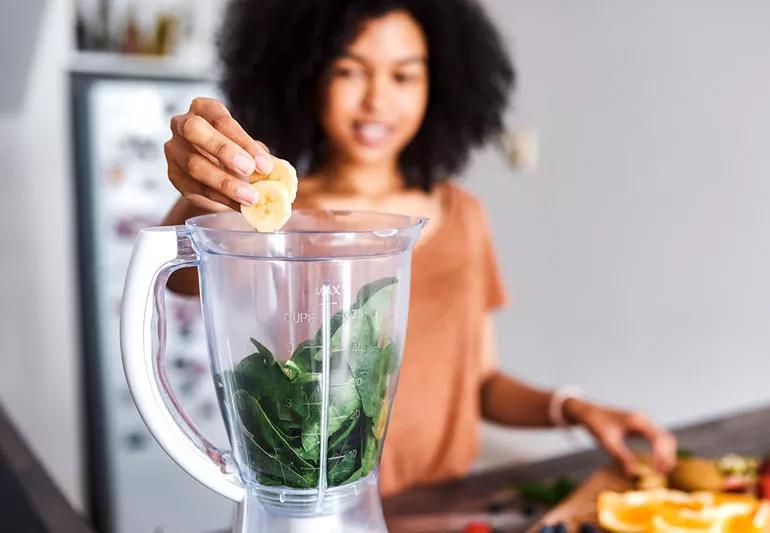
Common mistakes and troubleshooting
Mistakes are easy to fix. Here are common problems and solutions.
Problem: Lumpy or chunky texture
- Cause: Not enough liquid or blades clogged.
- Fix: Add 2–4 tablespoons of liquid. Blend on low, then high.
Problem: Separation after a few minutes
- Cause: No stabilizer (yogurt, avocado, or banana) or too much water.
- Fix: Add a creamy ingredient and blend again.
Problem: Too icy or gritty
- Cause: Too much ice or old frozen fruit.
- Fix: Reduce ice, use fresher frozen fruit, or let frozen fruit sit for 1–2 minutes before blending.
Mistakes I learned from: I used only ice and no frozen fruit once. The drink was watery and watered down quickly. Now I use frozen fruit as my primary chill agent.

Storage, safety, and nutrition tips
Smoothies are best fresh. If you must store, keep them in an airtight jar in the fridge for up to 24 hours. Shake or stir well before drinking.
Safety tips
- Wash fruit and blender parts thoroughly.
- Avoid refreezing thawed smoothies for texture and safety reasons.
- Watch sugar: even natural fruit has sugar. Add greens or protein to balance blood sugar.
Nutrition notes
- Whole fruit in smoothies keeps fiber and nutrients. Juices miss fiber.
- Adding protein or healthy fat makes smoothies more filling.
- If you track calories, measure ingredients to know what you drink.
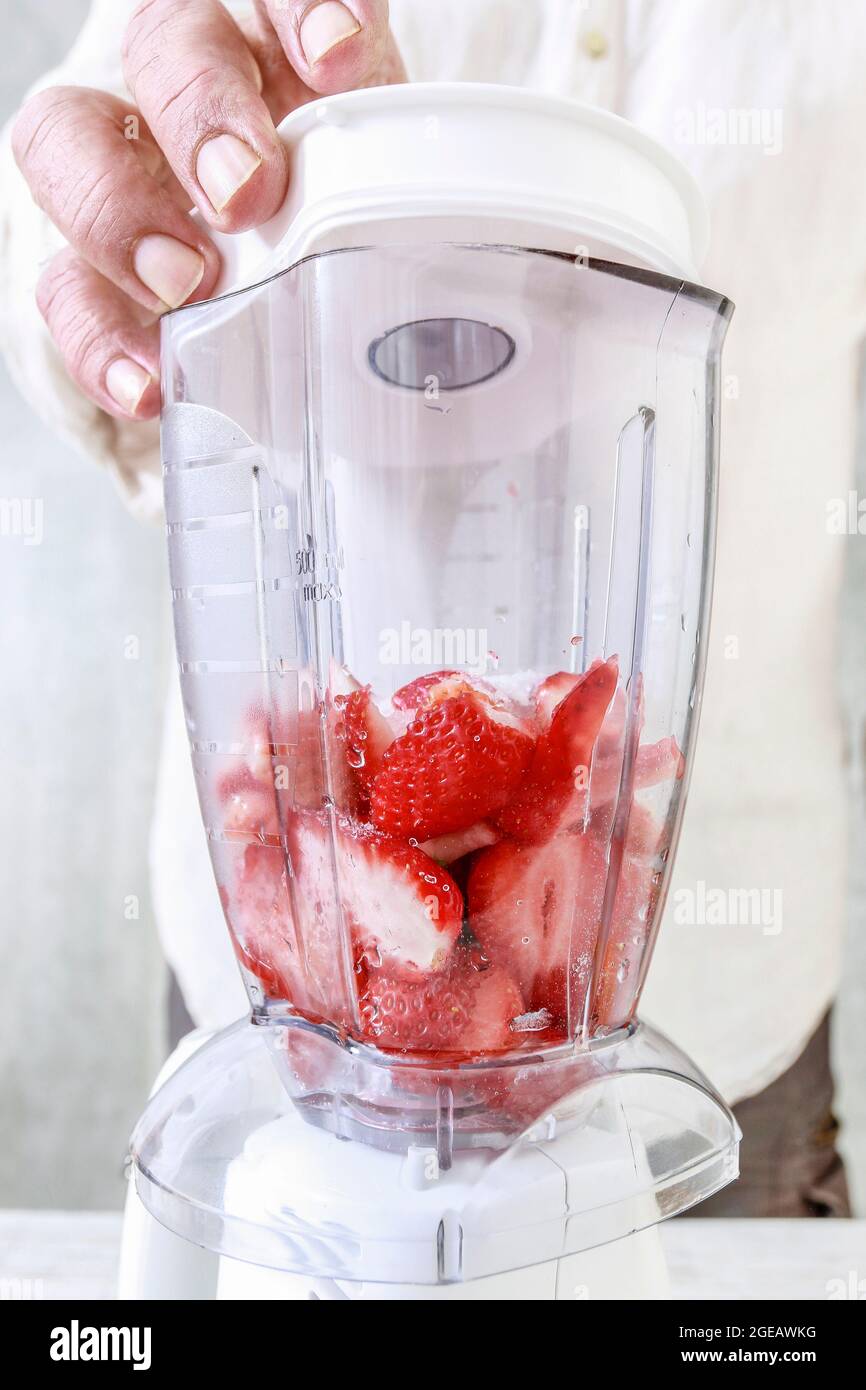
Frequently Asked Questions of how to make fruit smoothies with a blender
How long should I blend a smoothie?
Blend on low for 5–10 seconds, then high for 30–60 seconds until smooth. Total time varies by blender power and ingredient toughness.
Can I use frozen fruit instead of fresh?
Yes. Frozen fruit yields a thick, chilled texture and reduces the need for ice. Use slightly more liquid if the blend is too thick.
What liquid is best for smoothies?
Water, milk, plant milk, or juice all work. Choose based on flavor and texture: milk gives creaminess; water keeps calories low.
How can I make smoothies more filling?
Add protein (yogurt, protein powder), healthy fats (nut butter, avocado), or fiber (oats, chia). These slow digestion and keep you full longer.
Will a blender destroy nutrients in fruit?
No. Blending breaks down cell walls, making some nutrients easier to absorb, but it does not destroy most vitamins if consumed shortly after blending.
Conclusion
You now have clear steps, practical recipes, and fixes to master how to make fruit smoothies with a blender. Start with the simple ratio and a dependable blender. Try one recipe today and adjust it to your taste.
Takeaway: practice small tweaks, keep ingredients fresh, and use the layering method for smooth results. If you enjoyed this guide, try a new fruit combo, share your results, or leave a comment with your favorite mix.