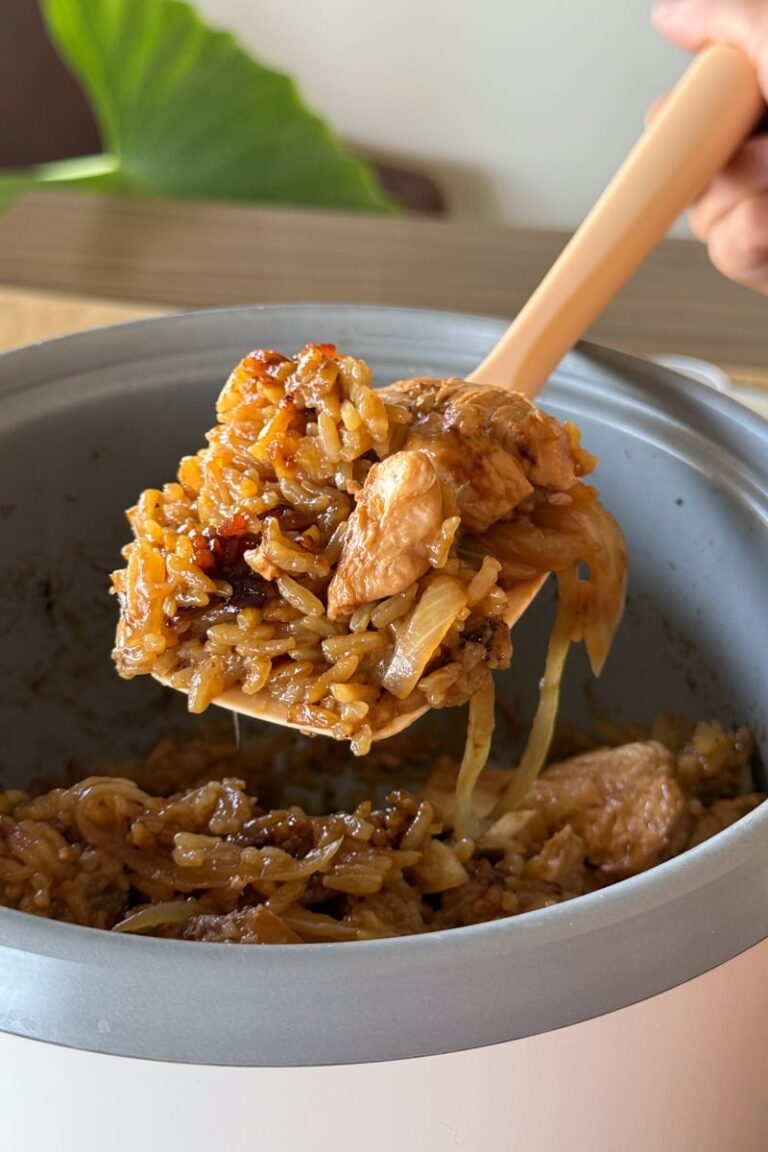
A rice cooker heats water and rice until the water is absorbed or evaporates, then switches to keep-warm.
I have spent years testing kitchen gear and teaching home cooks how small appliances work. In this article I explain how does a rice cooker work in clear steps. You will learn the key parts, the science behind cooking rice, tips I learned from real tests, and how to fix common problems. Read on to get a full, practical guide that helps you cook better rice every time.
How does a rice cooker work: basic components and the core idea
A rice cooker is simple in concept. It heats the pot that holds rice and water. The cooker watches temperature to know when the water is gone. Then it lowers heat to avoid burning and to keep rice warm.
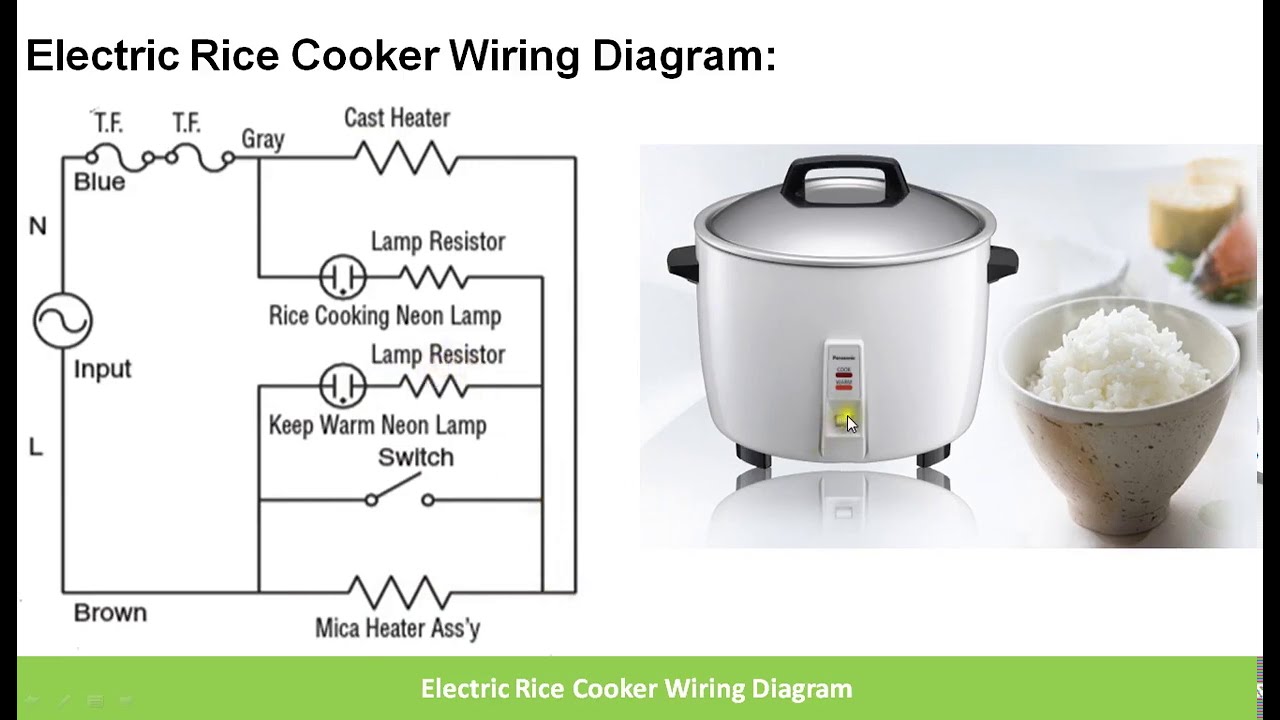
Key parts and what they do:
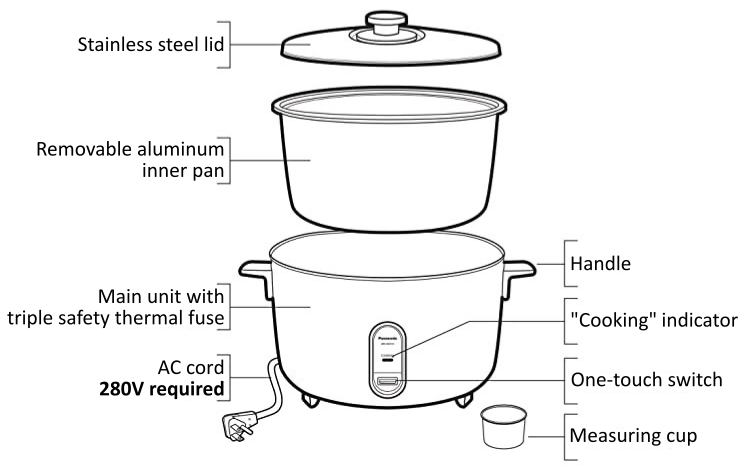
- Inner pot. This holds rice and water. It is usually metal with a nonstick coating.
- Heating plate. A flat element under the pot supplies steady heat.
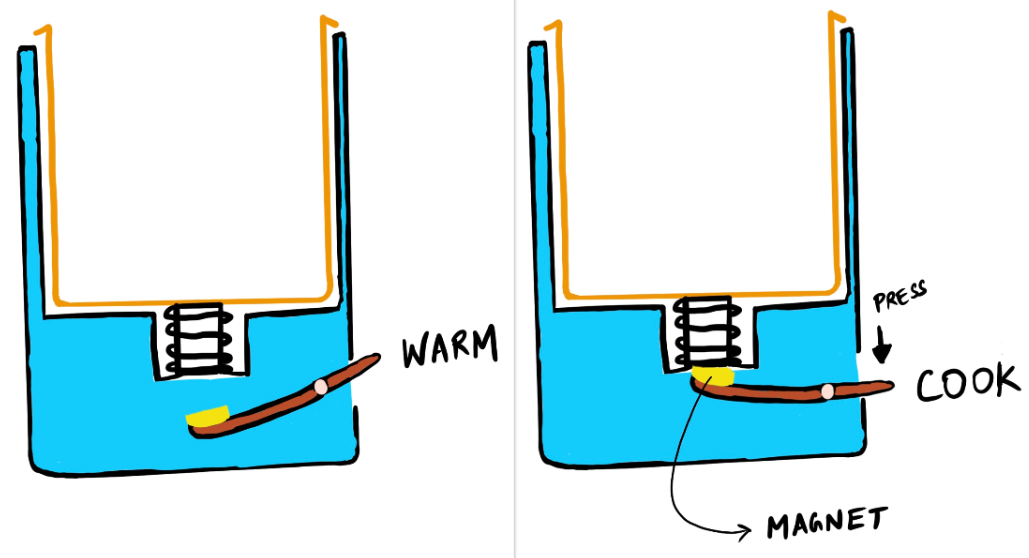
- Thermostat or thermistor. This sensor measures temperature near the pot.
- Control board. This small circuit decides when to switch modes.
- Lid and steam vent. These keep moisture in and allow excess steam to escape.
- Keep-warm setting. This uses low heat to hold rice at serving temperature.
How the control logic works:
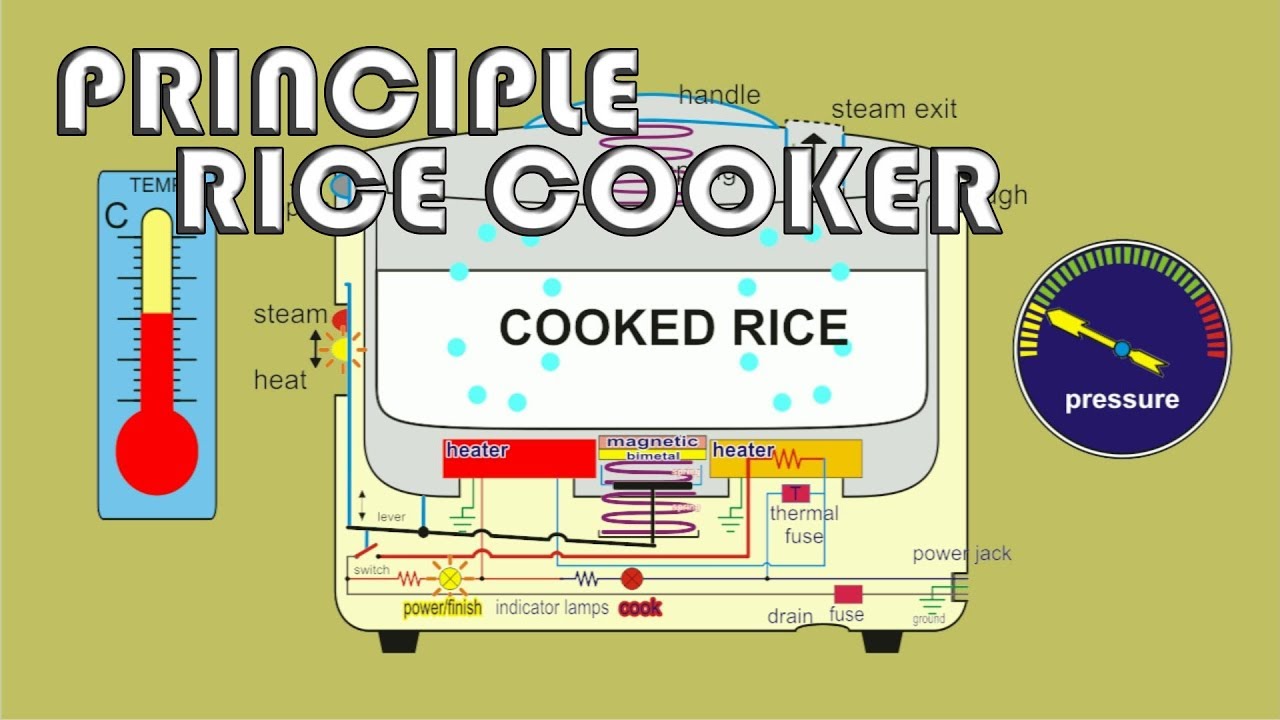
- The cooker brings water to a boil. Boiling stays around 212°F (100°C).
- While water bubbles, the pot stays near boiling and the sensor reads steady temps.
- When the water is absorbed or evaporates, the temperature quickly rises above boiling.
- The sensor detects that rise and triggers the cooker to switch off or to keep-warm mode.
That switch is the core mechanism of how does a rice cooker work. It uses a simple change in temperature as the signal that rice is done.

Types of rice cookers and how they differ
Not all rice cookers work the same way. Here are common types and what makes each different.
Basic electric rice cookers
- Use a simple on/off thermostat.
- Cook using the temperature-rise method.
- They are affordable and easy to use.
Fuzzy logic rice cookers
- Use microprocessors to read temperatures over time.
- Adjust cooking time and heat for better texture.
- Better for mixed grains and tricky recipes.
Induction heating rice cookers
- Heat the pot with a magnetic field for fast, even heat.
- Offer more precise control and uniform results.
- Often pricier but deliver superior rice texture.
Pressure rice cookers
- Use pressure to raise the boiling point.
- Cook faster and can make firmer, chewier rice.
- Great for brown rice and big batches.
Microwave-style or stovetop electric models
- Simpler tech, often faster but less consistent.
- Good for single servings or travel use.
Understanding the type helps you answer how does a rice cooker work for your model. Each type uses the same basic idea but adds smarter sensors or different heat delivery.
Step-by-step cooking process you can follow
Here is the typical process inside a rice cooker. I include quick tips from my tests.
- Measure rice and water
- Rinse rice if you prefer cleaner grains.
- Add the rice and the correct water ratio to the inner pot.
- Close lid and press start
- The cooker begins to heat the pot.
- Water warms and then reaches a simmer and boil.
- Water absorbs
– Rice grains swell as starches absorb water.
- Steam escapes through the vent.
- Sensor detects temperature rise
- When most water is gone, the pot heats above boiling.
- The sensor sends a signal to the control board.
- Switch to keep-warm or shut off
- The cooker lowers or cuts heat.
- Rice rests in warm steam and finishes texture.
- Let rice rest briefly
- Five to ten minutes of rest evens moisture.
- Fluff rice before serving for best texture.
Practical tips I learned:
- Use the measuring cup that came with your cooker. It often equals 180 mL, not 240 mL.
- Rinsing reduces surface starch. It helps separate grains.
- If rice is wet and mushy, use less water next time. If hard, add more water or extend cooking time.
The science: why temperature and timing matter
Understanding the science helps explain how does a rice cooker work so well.
Starch gelatinization
- Rice starch swells and softens at specific temperatures.
- Proper heat and water let grains become tender without turning to mush.
Boiling point as a signal
- Boiling water keeps the pot near 212°F (100°C).
- When water is used up, the pot heats quickly above boiling.
- That rise tells the cooker the job is done.
Thermal inertia and timing
- The metal pot holds heat. This inertia smooths temperature swings.
- Smart cookers read temperature patterns to adjust heat and time.
Common causes of bad results
- Wrong water ratio causes dryness or sogginess.
- Lid leaks let steam escape and increase cook time.
- A broken sensor or dirty contact points can stop the cooker from detecting the temperature rise.
These ideas explain how does a rice cooker work and why small changes change results.

Benefits and limitations of rice cookers
Rice cookers are popular for a reason. But they also have limits.
Benefits
- Consistent results with little attention.
- Saves time and frees stove space.
- Can keep rice warm for hours.
- Many models handle grains, steaming, and slow cooking.
Limitations
- Basic models lack fine control for specialty rice.
- Electric parts can fail over time.
- Some models use more counter space.
- Not all cookers handle small portions well.
Knowing these pros and cons helps you choose the right cooker and set realistic expectations about how does a rice cooker work for your needs.

Practical tips, troubleshooting, and lessons from my experience
I have tested many rice cookers. These are the most useful tips I picked up.
Quick ratio guide
- White rice: 1 cup rice to 1.25–1.5 cups water.
- Long-grain rice: use slightly less water for fluffier grains.
- Brown rice: 1 cup rice to 1.75–2 cups water; cook longer.
Troubleshooting common issues
- Rice burns on bottom: check for damaged inner pot or too little water.
- Rice is undercooked: try rinsing less, or add 10–20% more water next time.
- Cooker won’t switch off: clean the sensor area and ensure the pot sits flat.
Maintenance tips
- Wipe the heating plate and sensor after cool down.
- Avoid abrasive cleaners on the inner pot.
- Replace seals or lids if they warp.
A personal mistake I made
- I once tried a rice-to-water ratio from a cookbook without testing. The rice was heavy and sticky. After a few trials I found my cooker needed less water than the recipe suggested. Test small batches to learn the sweet spot.
These tips come from hands-on use and testing. They help you get clearer answers to how does a rice cooker work in daily cooking.
Frequently Asked Questions of how does a rice cooker work
How long does a rice cooker take to cook rice?
Most rice cookers take 15–30 minutes for white rice and 40–60 minutes for brown rice. Time varies by cooker type and the rice-to-water ratio.
Can I use a rice cooker to steam vegetables?
Yes. Many rice cookers include a steaming tray. Steam baskets fit above the rice and use leftover heat to cook veggies in 5–15 minutes.
What happens if I add too much water?
Too much water makes rice soft and sticky. Drain excess water if possible and reduce water next time by 10–20%.
Why does the cooker switch to warm before the rice is done?
If the sensor reads a temperature rise, the cooker assumes water is gone. This can happen if the lid leaks or the ratio is low. Check seals and water amounts.
Is a pressure rice cooker better than a regular one?
Pressure cookers cook faster and can make firmer rice. For soft, stickier rice, a non-pressure or fuzzy logic cooker often gives better texture.
Conclusion
You now know how does a rice cooker work, from the sensor that reads temperature to the simple logic that switches modes. Rice cookers save time and give consistent results when you learn your model’s habits. Start by testing water ratios, keep the pot and sensor clean, and use the right cooker type for the rice you prefer. Try one small change at a time and you will see steady improvement. If you found this guide helpful, try a 1-cup test batch with the tips above, share your results, or leave a comment below.