The best blender for soups and smoothies combines strong power, smooth results, easy controls, and simple cleanup.
You may want a creamy breakfast smoothie in the morning and warm soup by dinner, but not every blender handles both jobs well. A weak motor leaves ice chunks, while a poor jar can make hot soup messy or unsafe. I reviewed these blenders with real kitchen needs in mind, including power, jar size, texture, controls, cleanup, and value. Whether you cook for one or feed a family, this guide can help you find the best blender for soups and smoothies without guesswork.
Hamilton Beach Power Elite Blender

The Hamilton Beach Power Elite is a practical countertop blender for daily smoothies, shakes, sauces, and blended drinks. Its Wave Action design helps pull food toward the blades instead of leaving it stuck around the sides. I like this feature for fruit smoothies because it can reduce the need to stop and scrape the jar. The control panel also feels friendly for new blender users.
This blender offers a useful balance of size, price, and ease of use. It can crush common smoothie ingredients such as frozen fruit and ice, though very thick mixes may need a splash of liquid. The pitcher works well for family-size batches, but it may not create the same ultra-fine texture as a premium high-speed blender. For warm soup, blend cooled ingredients and reheat them on the stove unless the manual specifically allows hot contents.
Pros:
- Wave Action helps move ingredients toward the blades
- Simple controls suit first-time blender owners
- Large pitcher works well for family smoothies
- Useful preset buttons reduce guesswork
- Good value for everyday blending tasks
- Compact design fits many kitchen counters
Cons:
- Thick blends may need extra liquid or stirring
- It may leave some texture in fibrous greens
- The plastic pitcher needs careful handling to avoid scratches
My Recommendation
I recommend the Hamilton Beach Power Elite for shoppers who want an affordable blender for smoothies, milkshakes, dips, and light soup prep. It is a smart choice for students, small families, and casual cooks who prefer clear buttons over complex settings. It offers strong everyday value and is often easy to find online. If you want the best blender for soups and smoothies on a budget, this model deserves a close look.
Turelar 400W Immersion Blender

The Turelar 400W immersion blender takes a different approach from a countertop model. Instead of pouring soup into a jar, I can place the blending shaft right into a pot, bowl, or tall cup. This makes it especially useful for creamy tomato soup, potato soup, gravy, baby food, and small sauces. Its two-speed design keeps operation simple.
An immersion blender saves space and reduces dish washing. It also gives you direct control over texture, since you can blend until the soup is as smooth or rustic as you like. The corded design provides steady power during use, but it limits movement around the kitchen. This is not my first pick for crushing ice or making thick frozen smoothies, yet it is highly convenient for hot soup when used with care.
Pros:
- Blends soup directly in the cooking pot
- Reduces the need to transfer hot food
- Compact form stores easily in a drawer
- Two speeds make control simple
- Useful for sauces, dressings, and purees
- Often easier to clean than a full countertop blender
Cons:
- Not designed for large frozen smoothie batches
- Corded use limits reach near the stove
- Users must keep the blade fully covered to reduce splashing
My Recommendation
I suggest this Turelar immersion blender for home cooks who make soup often and want less mess. It suits people with small kitchens, limited storage, or a favorite cooking pot they do not want to empty. It is also a handy backup tool for sauces and quick purees. For soup-first buyers, it may be the best blender for soups and smoothies when convenience matters more than ice-crushing power.
Ninja Professional BL610 Blender

The Ninja Professional BL610 is built for shoppers who want plenty of blending power and a generous pitcher. Its 1000-watt motor and Total Crushing technology target ice, frozen fruit, and other firm ingredients. The 72-ounce pitcher is useful when I need several smoothie servings at once. It is also a strong option for party drinks and family meal prep.
This Ninja can make smooth fruit drinks quickly when I add enough liquid and load the jar correctly. The large blade assembly reaches a broad area of the pitcher, which helps break down ice and frozen pieces. It does not have a heating element, so I would cool cooked soup before blending and then warm it separately. The tall jar and strong motor also mean that storage space and noise deserve attention.
Pros:
- Powerful 1000-watt motor handles frozen ingredients
- 72-ounce pitcher suits families and gatherings
- Total Crushing blade design works well with ice
- Good choice for smoothies and frozen drinks
- Fast blending can save time during meal prep
- Well-known brand with broad kitchen appeal
Cons:
- Large blade assembly requires careful handling
- It can be loud during high-speed blending
- The tall pitcher may take more cabinet space
My Recommendation
The Ninja Professional BL610 is best for families, athletes, and hosts who make large cold drinks. I would choose it for frozen fruit, ice, protein shakes, and batch smoothies rather than direct hot soup blending. It gives strong performance without the price of some premium models. If your main goal is power and capacity, this is a serious contender for the best blender for soups and smoothies, especially when soup is blended after cooling.
Ninja Nutri-Plus Personal Blender

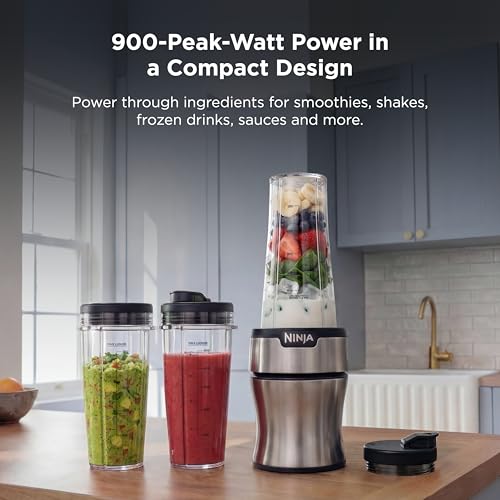
The Ninja Nutri-Plus Personal Blender is designed around quick, single-serve drinks. It includes three 20-ounce cups, which makes it convenient for separate smoothies during a busy morning. Its 900 peak-watt motor is suited to fruit, leafy greens, yogurt, and many frozen ingredients. I also like the smaller footprint for apartments, dorms, and office kitchens.
This personal blender encourages a blend-and-go routine. I can prepare a drink, fit a lid, and take it with me instead of washing a large pitcher. The cup size works for one serving, but it is not a good match for family soup batches. It also cannot replace a heated soup maker, so cooked soup should cool before blending and then return to the pot for heating.
Pros:
- Three cups support individual drink preparation
- Compact design fits small counters
- 900 peak watts suit many smoothie recipes
- Useful for quick breakfasts and protein drinks
- Personal cups make portions easy to manage
- Less food waste than using a large pitcher
Cons:
- Small cups are not made for family-size batches
- Not suitable for blending hot soup
- Thick recipes may need more liquid
My Recommendation
I recommend the Ninja Nutri-Plus for one person or a couple who mainly wants smoothies. It is a good fit for commuters, gym users, and anyone who values fast cleanup. Choose another blender if you often make soup for four or more people. For personal drinks, this compact design can be the best blender for soups and smoothies for a small household, as long as you cool soup first.
Glass 1500W Heating Blender

This glass blender stands out because it targets both cold and hot kitchen tasks. The listed 1500-watt motor, nine speeds, and preset programs give cooks more control over texture and time. Its glass jar may appeal to people who prefer a solid, non-plastic container. The tamper can also help move thick mixtures toward the blades.
The heating function is the key feature for soup lovers, but I always advise checking the current manual before adding hot liquid. A true heating blender can simplify a meal by blending and cooking soup in one vessel. It may also handle nut milk, sauces, and frozen desserts. The trade-off is extra weight, more parts, and a larger counter footprint than a basic smoothie blender.
Pros:
- Heating function can streamline soup preparation
- High listed wattage supports demanding recipes
- Glass jar resists odors better than some plastics
- Nine speeds offer fine texture control
- Preset programs reduce hands-on work
- Tamper helps with thick blends
Cons:
- Glass jars are heavier and can break if dropped
- More features may mean a steeper learning curve
- Heating models often need extra care during cleanup
My Recommendation
This model is best for cooks who want soup-making features in one countertop appliance. It may suit meal preppers, busy parents, and people who enjoy sauces, nut milk, and hot purees. I would confirm the heating instructions and maximum fill line before use. Among the listed options, it has a strong claim to being the best blender for soups and smoothies when hot blending is a top priority.
1800W Countertop Blender With To-Go Cup

This 1800W countertop blender is aimed at shoppers who want high speed and flexible serving sizes. It includes a 70-ounce BPA-free pitcher and a 20-ounce cup, so I can make a family batch or a quick drink for one. The listed 28,000 RPM motor is designed for ice crushing, frozen drinks, and milkshakes. That combination makes it attractive for busy homes with varied routines.
The to-go cup adds real value because it cuts down on extra dishes. The large pitcher gives enough room for multiple servings, while the personal cup helps with breakfast on rushed days. This blender should perform best when I use the right liquid-to-solid balance and avoid overloading it. It is a cold-blending machine, so I would cool soup before processing and reheat it in a suitable pot.
Pros:
- High listed power suits frozen drinks and ice
- 70-ounce pitcher supports family-size recipes
- 20-ounce cup works well for single servings
- Versatile setup covers several daily drink needs
- Useful for smoothies, shakes, and milkshakes
- To-go design can reduce cleanup
Cons:
- Large motor may create noticeable operating noise
- It needs cabinet or counter space for both containers
- It does not replace a dedicated hot soup blender
My Recommendation
I would choose this blender for active households that want one machine for both family and personal drinks. It is especially useful for frozen fruit, ice, milkshakes, and post-workout smoothies. The extra cup gives it more daily flexibility than many standard countertop models. If you want the best blender for soups and smoothies but mostly make cold recipes, its power and two-container setup offer strong value.
Vitamix 5200 Professional Blender

The Vitamix 5200 is a long-standing favorite for people who care most about smooth texture and motor strength. Its variable-speed control lets me start slowly and increase power as ingredients break down. The 64-ounce container suits family smoothies, sauces, purees, and many soup recipes. Its stainless-steel blades are built for repeated kitchen use.
One feature I value is the ability to create hot soup through friction when the blend runs long enough, although the recipe and manual must guide safe use. The variable dial gives more control than a short list of presets. It also supports self-cleaning with water and a small amount of dish soap. The trade-offs are a higher price, louder operation, and a design that feels more focused on control than convenience buttons.
Pros:
- Variable speed gives precise texture control
- Powerful motor handles smoothies and dense blends
- 64-ounce container works for family portions
- Can produce very smooth soups and purees
- Self-cleaning process makes daily use easier
- Strong reputation for long-term kitchen service
Cons:
- Costs more than basic countertop blenders
- It can be loud at high speed
- The classic design lacks many automatic programs
- The tall container may not fit under every cabinet
My Recommendation
The Vitamix 5200 is my top pick for serious home cooks who want one dependable machine for soups and smoothies. It suits families, meal preppers, and people who make hummus, nut butter, frozen desserts, and sauces as well as drinks. The controls reward a little practice and provide excellent texture control. For many shoppers, it remains the best blender for soups and smoothies because it combines power, versatility, and proven design.
Vitamix VX1 Professional Blender
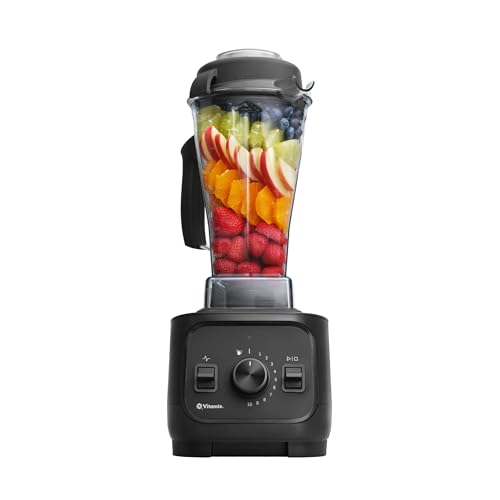
The Vitamix VX1 is a professional-grade option for shoppers who want a classic full-size blender with simple speed control. Its 10-speed system lets me choose a gentle mix for sauces or a stronger blend for frozen fruit. The 64-ounce classic container gives enough room for family drinks and soup portions. Its self-cleaning feature also supports regular use.
This blender fits cooks who prefer a sturdy tool over a crowded control panel. It can make smoothies, juices, soups, and purees with the smooth texture many users expect from a premium blender. As with any high-speed model, I would follow the fill guidance and handle hot contents carefully. The main question is whether the premium cost fits your cooking habits and budget.
Pros:
- Ten speeds support detailed blending control
- 64-ounce container suits larger households
- Professional-style design handles many recipes
- Useful for smoothies, soups, juices, and sauces
- Self-cleaning feature saves time after use
- Simple controls are easy to learn
Cons:
- Premium pricing may not suit occasional users
- It takes more space than a personal blender
- High-speed blending can be noisy
My Recommendation
I recommend the VX1 for cooks who want a premium blender with a familiar layout and broad recipe range. It is a good match for regular smoothie drinkers, soup makers, and families who value consistent results. It may be excessive for someone who only blends a small drink once a week. Still, it is a strong best blender for soups and smoothies choice for users who want professional-style performance and simple controls.
Turelar 400W Immersion Blender, Alternate Model
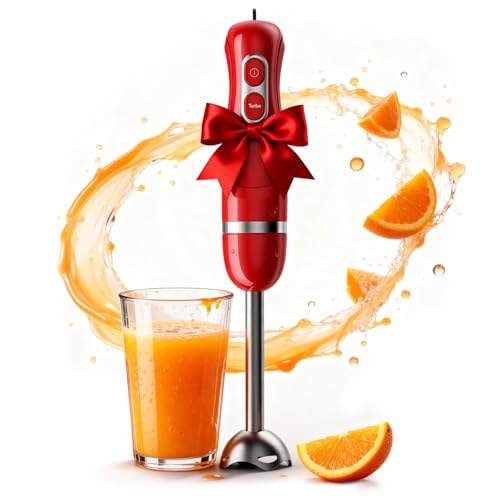
This second Turelar immersion blender listing offers the same stated 400W corded format and two-speed control. Its slim shape makes it easier to hold over a pot than a full countertop blender. I find this style helpful when cooking a batch of vegetable soup, lentil soup, or sauce. It also works for small amounts of baby food and homemade dressing.
The main benefit is direct blending with less lifting and pouring. That can matter when a heavy pot is hot or full. It will not match a high-speed countertop blender for ice, frozen fruit, or large smoothie batches, so I would use it for soft ingredients and liquid-rich recipes. Keep the shaft below the surface while it runs to limit splatter and protect the cooktop area.
Pros:
- Blends directly in pots and deep bowls
- Light storage needs suit small kitchens
- Two speeds allow basic texture control
- Helpful for soups, gravies, and sauces
- Reduces transfer steps during meal preparation
- Easy choice for occasional blending jobs
Cons:
- Limited for ice and frozen smoothie ingredients
- Corded operation may feel less flexible
- It cannot cook or heat soup by itself
My Recommendation
This Turelar model is best for cooks who want a low-cost soup tool with a small storage footprint. It works well beside a slow cooker, stockpot, or saucepan. I would pair it with a regular countertop blender if the household also makes many frozen smoothies. For simple soup work, it can be the best blender for soups and smoothies for a buyer who values easy pot blending.
Consciot 11-Piece Personal Blender

The Consciot 11-piece blender is designed for shoppers who want both kitchen and personal-size options. Its listed 900 peak watts give it enough force for many fruit smoothies, shakes, and soft ingredients. The collection of cups and accessories may help a household prepare different portions without using one large jar every time. This flexibility can be useful when several people follow different routines.
I see this model as a practical starter kit rather than a heavy-duty soup machine. It can handle small smoothie portions and everyday blends, but it is not intended for direct hot blending. Let cooked soup cool before processing, and use a suitable heat-safe container. The many pieces add convenience, but they also mean more parts to wash and store.
Pros:
- Eleven-piece kit offers useful everyday accessories
- Personal-size setup suits quick smoothies
- 900 peak watts handle common soft and frozen foods
- Multiple containers support different serving sizes
- Good starter option for small households
- Compact pieces can simplify portion control
Cons:
- Many parts require extra storage space
- Not made for blending hot soup directly
- It may struggle with very thick or dry mixtures
My Recommendation
I recommend the Consciot for students, couples, and new cooks who want a versatile personal blender kit. It is useful when smoothies are the main goal and different cup sizes matter. I would not select it for large soup batches or daily nut butter work. For affordable, small-portion blending, it offers a reasonable path toward finding the best blender for soups and smoothies.
How I Chose These Soup and Smoothie Blenders
I look at more than the watt number on a product page. Motor power matters, but blade design, jar shape, speed control, and the amount of liquid also affect results. A strong motor cannot fix an overloaded jar or a poor recipe ratio. I also consider how easy the blender is to clean because a machine that stays in the cabinet is not useful.
Soup use needs extra care. The FDA advises safe handling of food and attention to temperature, while blender makers provide specific instructions for hot liquids. A sealed countertop jar can build pressure when it holds hot food, so I never guess about hot blending. I check the manual, respect the fill line, vent the lid when the design allows it, and use a towel or oven mitt when needed.
For smoothies, I look for a blade system that can break down ice, frozen fruit, seeds, and leafy greens. I add liquid first, then soft items, greens, frozen fruit, and ice on top. This order gives the blades a better chance to form a steady vortex. If a blend stalls, I stop the motor before using a tamper or spatula.
What Makes the Best Blender for Soups and Smoothies?
The best blender for soups and smoothies must serve two different jobs. Smoothies need enough force to crush frozen food and make a fine drink. Soup needs safe handling, steady blending, and good control over texture. Some models do both well, while others excel at only one task.
Motor Power
Manufacturers may list watts, peak watts, or horsepower. These numbers can help compare models, but they do not tell the whole story. A 900-watt personal blender may work well for one smoothie, while a larger motor can handle a full pitcher more comfortably. I judge power by the task, not by the biggest number printed on the box.
Jar Size and Shape
A 20-ounce cup works well for one drink. A 64- or 72-ounce pitcher suits families and meal prep. The jar shape also matters because narrow jars may help small amounts move, while wide jars may handle big batches better. Glass resists some odors, but it weighs more and can break. Plastic is lighter, yet it may show scratches over time.
Hot Soup Safety
Not every blender can process hot food. Some models require cooled ingredients, and some soup blenders include a heating function. Always check the instructions for the exact model. Never fill a closed jar to the top with hot liquid because steam can expand and force the lid upward.
Speed and Program Controls
A variable-speed dial gives careful control. Preset buttons make common tasks quick. I prefer variable speed when I want a chunky soup or a silky puree. Presets can help beginners make smoothies with less effort. The right choice depends on whether you enjoy adjusting a recipe or want to press one button.
Cleaning
Rinse the jar soon after blending. Dried greens and nut butter become much harder to remove later. Self-cleaning programs can help, but I still inspect the blade area and gasket. Removable parts are useful, yet more parts can also add time. A simple rinse after a smoothie is one of the small comforts that makes a blender feel truly good.
Best Uses for Each Blender Type
A full-size countertop blender is best for family smoothies, large soup batches, frozen drinks, and sauces. A personal blender is better for one serving and quick cleanup. An immersion blender shines in soup pots and sauces because it avoids transfers. A heating blender can combine cooking and blending, but it costs more and needs careful cleaning.
| Best for | Why |
|---|---|
| Family smoothies and frozen drinks | A large pitcher and strong motor make several servings at once. |
| Direct pot blending for soup | An immersion design reduces lifting, pouring, and extra dishes. |
| Hot soup and broad recipe use | A heating model can simplify cooking when used within its manual limits. |
Tips for Smoother Smoothies
I start with liquid in the jar. Milk, water, juice, or yogurt helps the blades move. Next, I add soft fruit and greens, then frozen fruit and ice. This simple stack often works better than putting ice at the bottom.
Use frozen fruit for a cold drink without too much ice. Cut large pieces into smaller chunks. If you use leafy greens, blend them with liquid before adding thick ingredients. A short pause can help settle air pockets, but always switch the blender off before opening the lid.
Do not pack the container beyond its marked limit. Overfilling can reduce circulation and strain the motor. For very thick smoothie bowls, use a tamper only if the blender includes one and the instructions permit it. Add liquid in small amounts until the mixture moves.
Tips for Better Blended Soup
Cook vegetables until they are tender before blending. Hard carrots and raw squash can create a rough texture and place extra stress on the motor. Add stock or cooking liquid to help the blades work. Blend in batches if the jar is small.
For a creamy soup, blend longer at a controlled speed. For a rustic soup, use short pulses and stop early. Add cream, coconut milk, herbs, or oil after the main vegetables become smooth. Taste at the end because blending can spread salt and spices through the whole batch.
When using an immersion blender, keep the blade head under the surface. Move it slowly around the pot, but do not lift it while the motor runs. A deep pot helps reduce splashes. Let the soup cool before transferring it to a standard blender unless that model clearly supports hot contents.
Common Blender Buying Mistakes
Choosing by Wattage Alone
Power is useful, but it does not guarantee a smooth drink. A blender also needs a good jar shape and blade design. A high-watt model may be too large for one small serving. Think about your usual recipe before choosing the biggest motor.
Ignoring Serving Size
A personal cup cannot replace a family pitcher. A large jar may also waste food when you blend one small drink. Match the container to your daily routine. Some models, such as the Ninja Nutri-Plus and the 1800W countertop model reviewed here, offer more than one size.
Using Hot Liquid Without Checking Instructions
This mistake can cause a dangerous mess. Heat creates steam, and steam needs room to expand. Use the manual as your safety guide. If the blender does not support hot contents, cool the soup first and reheat it after blending.
Forgetting Noise
Powerful blenders often sound like small engines. That may not matter in a large home, but it can bother people in an apartment or open kitchen. If noise concerns you, blend during suitable hours and use the lowest speed that gets the job done. A quieter model may be worth more than extra power.
Care and Maintenance Tips
Unplug the blender before cleaning around the blade assembly. Rinse the jar right away, then use warm water and a little dish soap. Run the self-clean cycle when the manufacturer supports it, but do not treat it as a substitute for checking the lid, seal, and corners.
Never place a motor base in water. Wipe it with a damp cloth and dry it at once. Check the power cord from time to time. If the blade begins to wobble, the jar leaks, or the motor smells hot, stop using the blender and contact the manufacturer.
Store the jar with the lid loose if the manual allows it. This helps reduce trapped moisture and odors. Keep sharp blades away from loose hands during washing. Good care protects the blender and helps it deliver the same smooth results for longer.
FAQs Of best blender for soups and smoothies
Can I blend hot soup in any blender?
No. Only use hot liquids when the manufacturer clearly permits them. Otherwise, cool the soup first, blend it in safe batches, and reheat it on the stove.
What motor power is best for smoothies?
A model around 900 to 1000 watts can handle many home smoothies. More power helps with large batches, ice, and dense frozen mixtures, but jar design and liquid amount also matter.
Is an immersion blender good for soup?
Yes. An immersion blender works well for soup because it blends directly in the pot. It is less suited to crushing ice or making large, very thick smoothies.
Is glass better than plastic for a blender jar?
Glass resists some odors and feels sturdy, but it is heavier and can break. Plastic is lighter and easier to handle, though it may scratch or hold odors over time.
How do I get a smoother green smoothie?
Blend greens with liquid first. Then add soft fruit, frozen fruit, and ice. Avoid overfilling the jar, and add a little more liquid if the mixture stops moving.
Final Verdict: Which Should You Buy?
For most homes, I choose the Vitamix 5200 as the best blender for soups and smoothies. It offers strong power, fine speed control, a useful 64-ounce container, and excellent texture.
Choose an immersion blender for easy pot blending, or a personal Ninja for one-serving drinks. The right best blender for soups and smoothies should match your portions, recipes, space, and budget.