If you open the fridge and find cottage cheese but no cream cheese, you do have options. Can cottage cheese be substituted for cream cheese? Yes, in many recipes. The key is to change the texture before you use it.
Cottage cheese has soft curds and more moisture. Cream cheese is smooth, thick, and richer. Blend cottage cheese until silky, then drain it if it seems wet. For baked dishes, a little cream or another source of fat can help bring back the rich texture you expect from cream cheese.

Can Cottage Cheese Be Substituted for Cream Cheese?
Yes. **Can cottage cheese be substituted for cream cheese?** In many cases, it can. The swap works best when the recipe needs creaminess but does not depend on the exact fat level or firm structure of cream cheese.
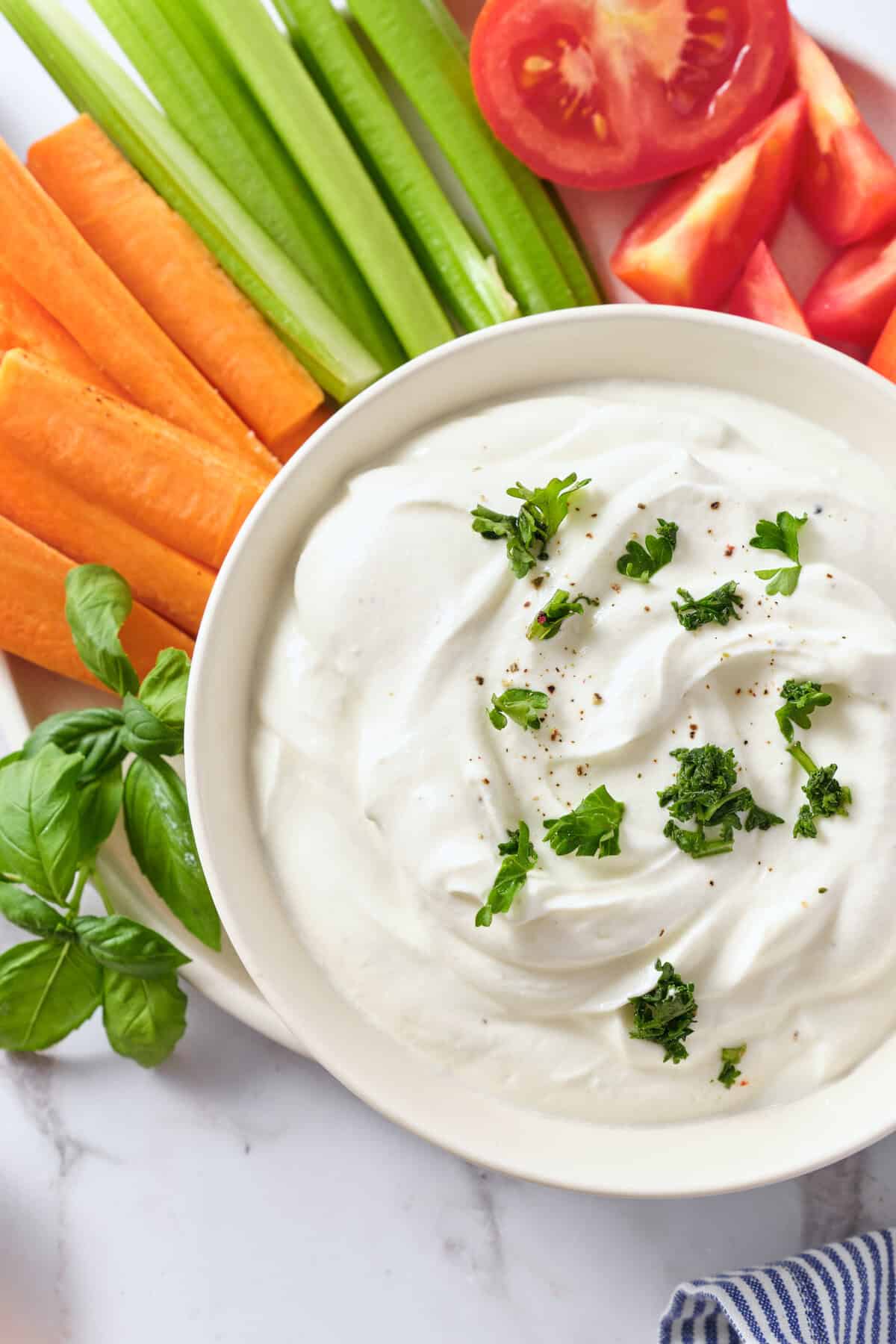
For dips, sauces, spreads, pasta dishes, and many casseroles, blended cottage cheese can work very well. It has a mild taste, so herbs, garlic, lemon, spices, sugar, or vanilla can shape the final flavor.
The biggest issue is texture. Regular cottage cheese has visible curds, while cream cheese is smooth. A blender or food processor solves much of this problem.
- ✦ Best uses
Dips, spreads, sauces, pasta dishes, stuffed shells, casseroles, and some breakfast recipes are good places to start.
- ✦ Main adjustment
Blend the cottage cheese until smooth. Drain excess liquid if the mixture looks thin.
- ✦ For richer recipes
Add a small amount of heavy cream, half-and-half, milk, butter, or another suitable fat when the recipe needs extra richness.
Why the Swap Works
Both products are soft dairy cheeses with a mild tang. That makes cottage cheese useful when a recipe needs body, moisture, and a creamy dairy base.
The difference comes from how they are made and how they behave. Cream cheese has a smooth, dense texture and more fat. Cottage cheese has curds and more free moisture, so it needs more preparation.
- ✦ Texture
Cream cheese is naturally smooth. Cottage cheese needs blending to reach a similar texture.
- ✦ Fat
Cream cheese is richer, so some recipes need extra fat when cottage cheese replaces it.
- ✦ Moisture
Cottage cheese can contain more liquid, which may thin sauces, fillings, or baked mixtures.
How to Turn Cottage Cheese Into a Cream Cheese Substitute
The best way to use cottage cheese as a cream cheese substitute is to blend it first. This simple step breaks down the curds and creates a much smoother base.
Start with plain cottage cheese. Full-fat cottage cheese usually gives a richer result, while low-fat or fat-free versions may need more help with flavor and texture.
If the cottage cheese looks watery, drain it before blending. You do not need to remove every drop of whey. The goal is simply to avoid adding more liquid than the recipe can handle.

- ✦ Step 1: Drain
Place cottage cheese in a fine-mesh strainer for several minutes if it has a lot of liquid.
- ✦ Step 2: Blend
Process it in a food processor or blender until you no longer see obvious curds.
- ✦ Step 3: Taste
Taste the blended cheese before adding it to the recipe. Add salt, lemon, herbs, sugar, or vanilla based on the dish.
- ✦ Step 4: Adjust
If it is too thick, add a small amount of milk or cream. If it is too thin, chill it or drain it longer.
How Long Should You Blend Cottage Cheese?
Blend until the curds disappear and the mixture looks creamy. This can take about one to two minutes, depending on the amount and the strength of your blender.
Stop once the texture is smooth. Over-processing can sometimes make a wet mixture look looser, so check the consistency as you go.
- ✦ Use a food processor
A food processor is useful for larger batches and thick mixtures.
- ✦ Use a blender
A blender can produce a very smooth texture, but you may need to scrape the sides.
What Ratio Should You Use?
For many cold dips and spreads, a **1:1 ratio** is a useful starting point. One cup of well-blended cottage cheese can replace about one cup of cream cheese.
Do not treat 1:1 as a rule for every recipe. A cheesecake, frosting, or rich baked filling may need changes because cream cheese provides more fat and a different structure.
The safest approach is to match the texture of the original ingredient. If your blended cottage cheese looks thinner than the cream cheese called for in the recipe, drain it more or reduce other liquid ingredients.

- ✦ Dips
Start with 1 cup blended cottage cheese for 1 cup cream cheese.
- ✦ Spreads
A 1:1 swap often works after the cottage cheese is blended smooth.
- ✦ Sauces
Use a 1:1 starting ratio, then adjust with milk, cream, broth, or seasoning as needed.
- ✦ Baked recipes
Use the recipe as a guide and consider adding cream or another fat when richness is important.
A Simple Swap Guide
The table below gives practical starting points. These are not rigid rules because cottage cheese brands vary in moisture, curd size, and fat level.
- ✦ Cold dip
Use a 1:1 swap after blending. Season to taste.
- ✦ Pasta sauce
Use a 1:1 swap and thin with a small amount of milk or pasta water if needed.
- ✦ Lasagna filling
Use blended cottage cheese in place of cream cheese when the recipe can handle a lighter, wetter filling.
- ✦ Cheesecake
A partial swap is often easier than replacing all the cream cheese. Blend well and control extra moisture.
- ✦ Frosting
A full swap is difficult because cottage cheese does not provide the same thick, stable structure.
Can Cottage Cheese Replace Cream Cheese in Baking?
Yes, but baking needs more care. **Can cottage cheese be substituted for cream cheese** in a baked recipe? It can, but the result may be softer, lighter, or less rich than the original.
Cream cheese adds fat and helps create a dense, creamy texture. Cottage cheese brings more moisture and less fat, so a direct swap may change the way a cake, cheesecake, or bar sets.
For baked recipes, drain the cottage cheese well and blend it completely. If the recipe depends on cream cheese for richness, adding some heavy cream can help close the gap.
- ✦ Cheesecake
A partial cottage cheese swap is easier to manage than replacing all the cream cheese. Blend until very smooth and control the moisture.
- ✦ Cheesecake bars
They may work with blended cottage cheese, but expect a lighter and sometimes softer texture.
- ✦ Cakes
Cottage cheese can add moisture and protein, but the recipe may not have the same richness.
- ✦ Baked pasta
This is often a forgiving use because other ingredients help provide flavor and structure.
Why Extra Fat Can Help
Fat affects more than flavor. It also changes how rich and creamy a baked dish feels. When cream cheese is replaced with lower-fat cottage cheese, the final dish may taste less rich.
For a richer result, blend strained cottage cheese with a modest amount of heavy cream or another suitable fat. Make small adjustments rather than adding a large amount at once.
- ✦ Use full-fat cottage cheese
It generally gives a fuller flavor and creamier texture than fat-free cottage cheese.
- ✦ Control moisture
Drain excess whey before blending so the batter does not become too loose.
Best Recipes for a Cottage Cheese and Cream Cheese Swap
Some recipes handle this substitution better than others. The easiest choices are dishes where the cheese is blended into other ingredients or where a slightly lighter texture is welcome.
Savory recipes are often especially forgiving. Garlic, herbs, lemon, spices, tomato, vegetables, and shredded cheese can add flavor and help balance the mild taste of cottage cheese.

- ✦ Dips
Blend cottage cheese with garlic, herbs, lemon juice, salt, or spices for a creamy dip.
- ✦ Toast and bagels
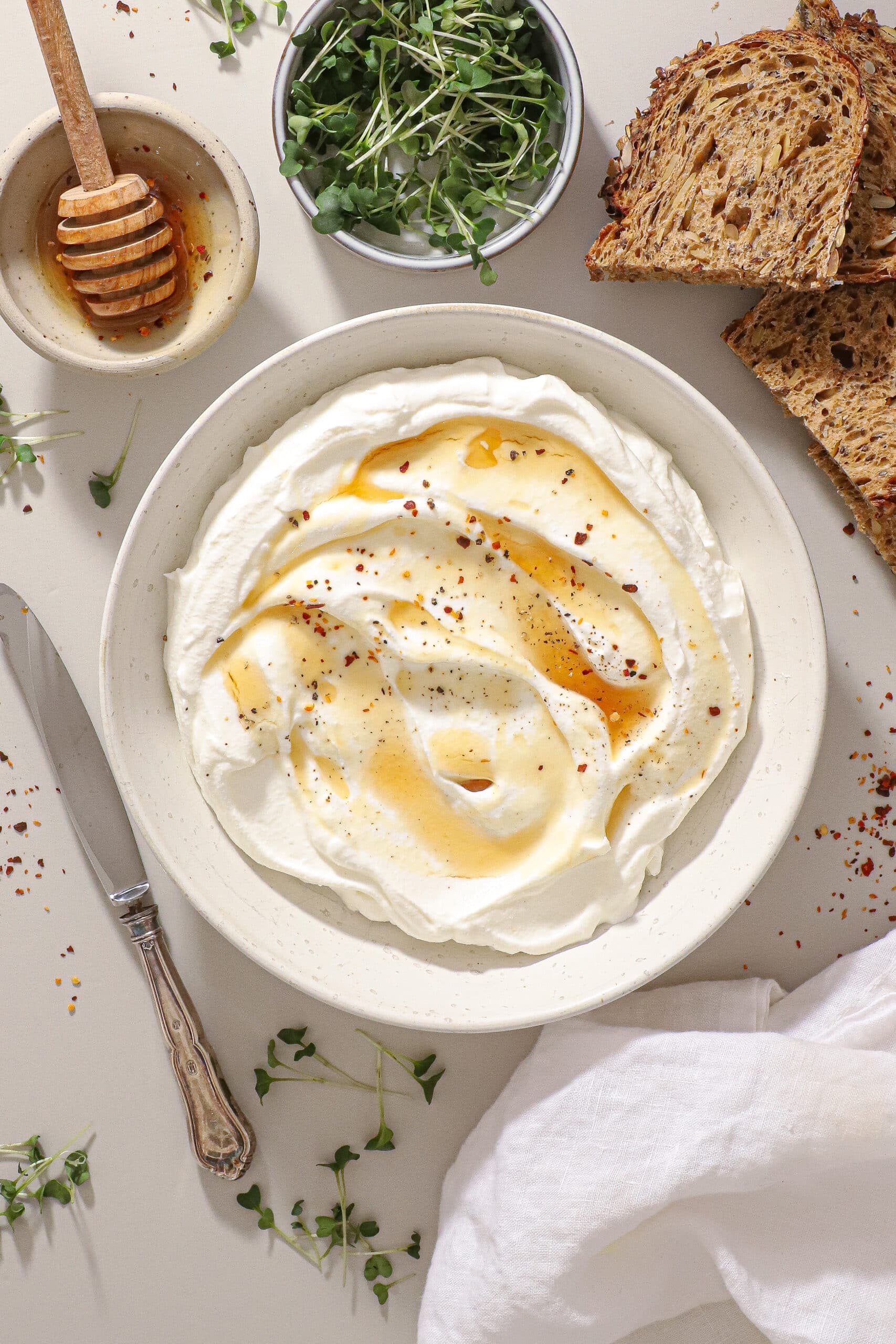
Whipped cottage cheese makes a simple spread for toast, bagels, crackers, and sandwiches.
- ✦ Pasta sauces
Blend cottage cheese with seasonings and a little cooking liquid for a creamy pasta base.
- ✦ Stuffed shells
Blended cottage cheese can add moisture and protein to a cheesy filling.
- ✦ Casseroles
Cottage cheese works well when mixed with other cheeses, vegetables, pasta, or grains.
Sweet Uses
Cottage cheese can also work in sweet recipes. Blend it until smooth, then add ingredients such as honey, maple syrup, sugar, vanilla, cinnamon, or fruit.
The flavor is not identical to cream cheese, so a sweet recipe may need more seasoning. For a dessert spread, taste the mixture before using it and adjust the sweetness and tang.
- ✦ Fruit dip
Blend cottage cheese with honey and vanilla for a creamy fruit dip.
- ✦ Breakfast spread
Use blended cottage cheese on toast with berries, cinnamon, or a light drizzle of honey.
- ✦ Dessert filling
Use it in recipes where a soft, creamy filling is acceptable and the recipe does not rely on the dense structure of cream cheese.
When Cottage Cheese Is Not a Good Substitute
A substitute does not need to work everywhere. **Can cottage cheese be substituted for cream cheese** in every recipe? No. Some recipes depend on the exact fat level, firmness, or spreading quality of cream cheese.
Traditional cream cheese frosting is one example. Cottage cheese contains too much moisture and does not have the same stable structure, so the frosting may become loose or fail to hold its shape.
Rich cheesecake can also be difficult. You can experiment with a partial swap, but a full replacement may produce a lighter, softer, or less creamy result.

- ✦ Traditional frosting
Cream cheese provides the thick structure needed for a stable frosting. Cottage cheese is usually too wet.
- ✦ Classic cheesecake
A full swap can change the density, richness, moisture, and setting of the cheesecake.
- ✦ Simple bagel spread without blending
Regular cottage cheese remains curdy, so it will not feel like smooth cream cheese unless you blend it.
- ✦ Recipes built around cream cheese flavor
The finished dish may taste noticeably different because cottage cheese has a milder, fresher dairy flavor.
How to Improve a Difficult Swap
If a recipe seems too demanding for a full replacement, use cottage cheese for only part of the cream cheese. This keeps some of the original structure while adding the texture and protein of cottage cheese.
You can also combine blended cottage cheese with another creamy ingredient. The right choice depends on whether you need more fat, more thickness, more tang, or more stability.
- ✦ Use a partial swap
Replace part of the cream cheese rather than all of it when structure is important.
- ✦ Add richness
Heavy cream or another suitable fat can help in cooked and baked dishes.
- ✦ Reduce extra liquid
If the recipe already contains milk, cream, or other wet ingredients, you may need to reduce them slightly.