Use a blender, peeled oranges, a splash of water, and strain for fresh orange juice.
I’ve been making orange juice with a blender for years, and I’ll show you how to make orange juice with blender step by step. This guide covers tools, technique, flavor tweaks, safety tips, and storage. You’ll get smooth, bright-tasting orange juice with minimal fuss. Read on to learn my proven method, common mistakes to avoid, and simple variations you’ll love.
What you need: ingredients and tools
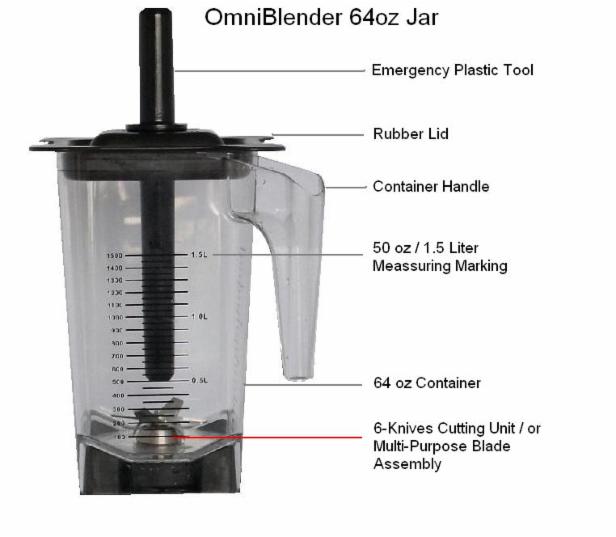
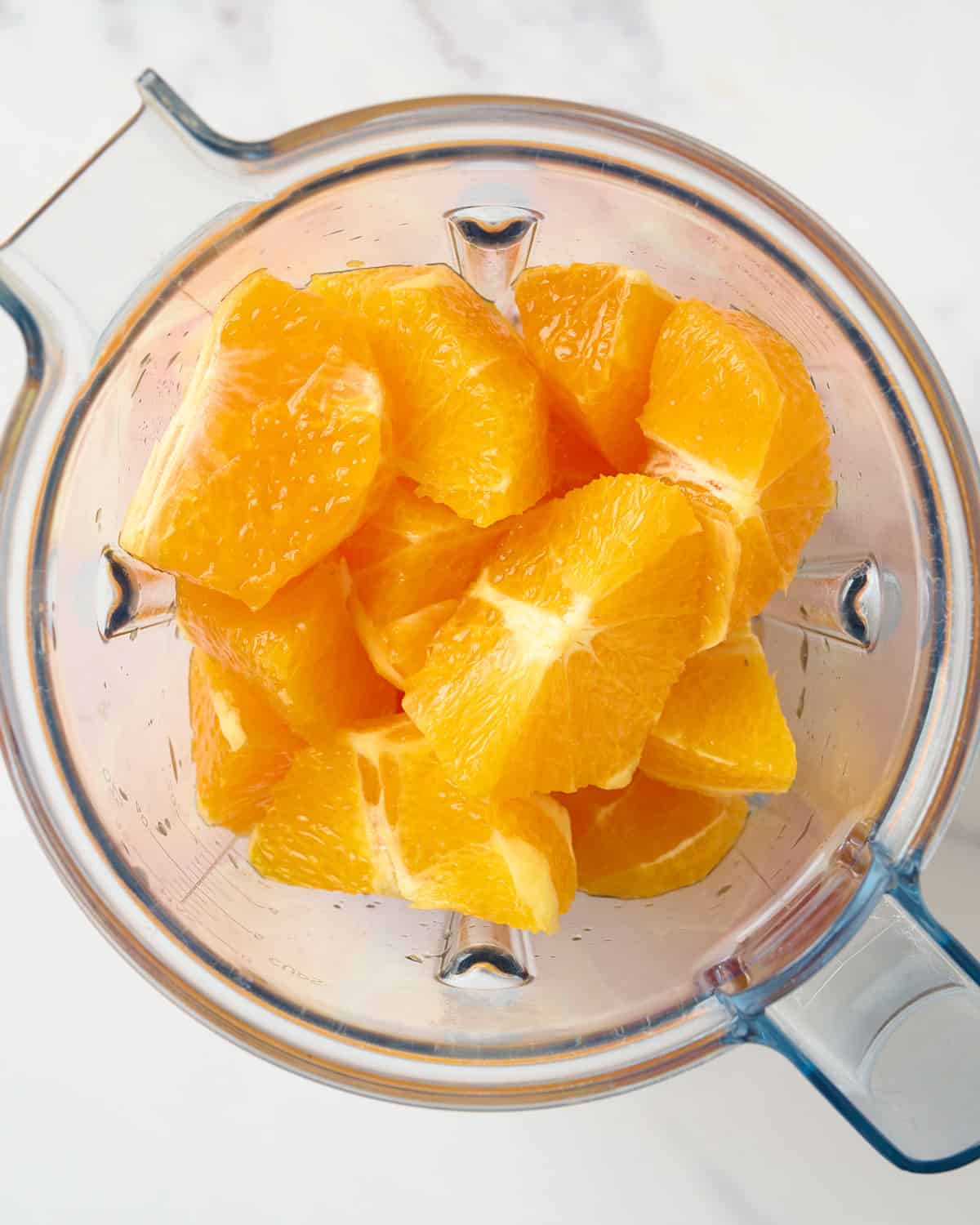
Making orange juice with blender is quick and simple when you have the right items. Gather fresh, ripe oranges and a blender that can handle soft fruit. Optional items include a fine mesh strainer, a zester, and ice.
- Oranges: naval, valencia, or blood oranges work well.
- Blender: countertop or high-speed blender will do.
- Water: a splash to help blending and loosen pulp.
- Sweetener (optional): honey, agave, or a pinch of sugar.
- Strainer or cheesecloth (optional): for pulp-free juice.
- Ice or chilled glasses for serving.
I prefer ripe sweet oranges for balanced flavor. If you want more juice yield, choose juicier varieties. Making orange juice with blender requires only these basics, so you can start fast.

Step-by-step: how to make orange juice with blender
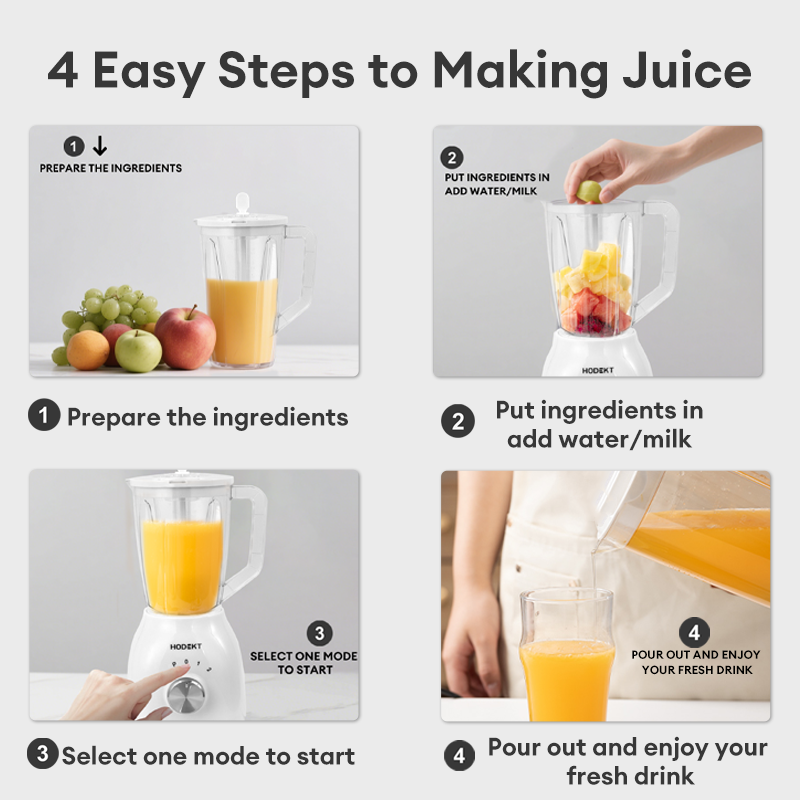
Follow these short steps to make orange juice with blender that tastes like it came from a café.
- Wash and prep oranges. Rinse fruit and dry. Peel each orange, removing as much pith as possible to reduce bitterness.
- Segment or chop oranges. Cut the oranges into chunks. Remove seeds if visible.
- Add to blender. Place orange pieces into the blender jar and add 2 tablespoons of water per 2 oranges to help the blades.
- Pulse then blend. Pulse three times to break fruit, then blend on medium-high for 20–30 seconds for a smooth texture.
- Taste and adjust. If juice is too tart, add a small sweetener or more water. Blend 5–10 seconds to combine.
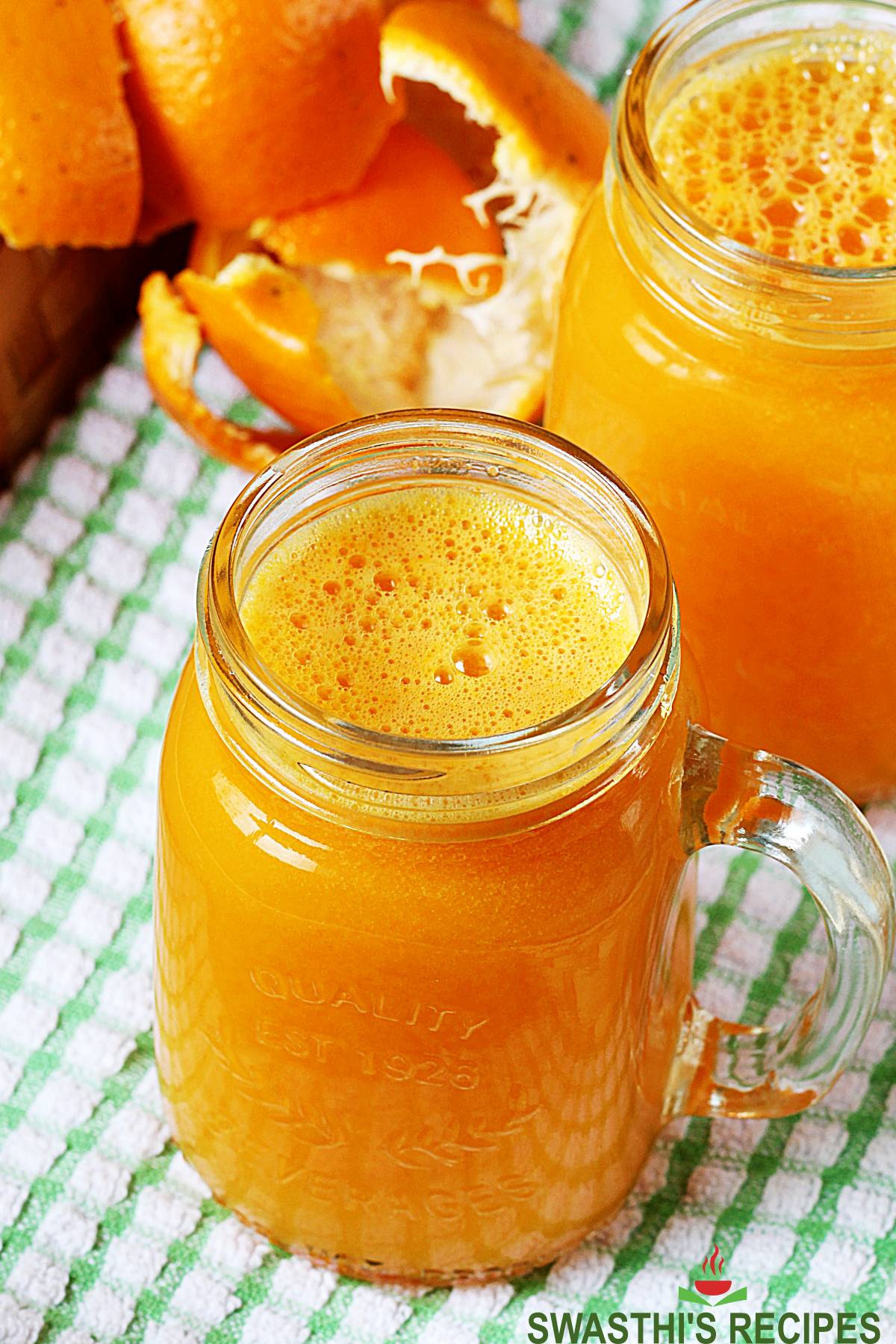
- Strain if desired. Pour juice through a fine mesh strainer or cheesecloth for pulp-free orange juice. Use a spoon to press pulp for extra yield.
- Chill and serve. Serve over ice or refrigerate for up to 48 hours for best flavor.
This method keeps things fast and consistent. If you prefer a pulpy drink, skip the straining. I usually make orange juice with blender in under 10 minutes from start to finish.
Tips and variations to improve flavor and texture
Small tweaks make a big difference when you want the perfect orange juice with blender.
- For sweeter juice use fully ripe oranges or add a teaspoon of honey.
- To reduce bitterness, peel off most of the white pith and avoid blending it.
- For smoother juice add 1–2 tablespoons of water before blending.
- For a thicker smoothie-style drink, add banana or yogurt.
- To make a citrus blend, include a small lemon or lime for brightness.
- For cold juice, chill oranges or add ice cubes and blend briefly.
Can I make pulp-free orange juice with a blender?
Yes. Blend, then strain with a fine mesh sieve or cheesecloth to remove pulp for clear juice.
Can frozen oranges be used to make orange juice with blender?
Yes. Frozen orange chunks work well and make a chilled, slushy juice. Thaw slightly or add a little water to help blending.

Health benefits and nutrition
Fresh orange juice made with a blender preserves many nutrients. It is rich in vitamin C, folate, and antioxidants that support immune health. Fresh juice contains natural sugars and calories, so enjoy it in moderation.
A glass of homemade orange juice keeps more phytonutrients than store varieties that are heavily processed. Making orange juice with blender lets you control sugar, pulp, and portion size for healthier results.
Troubleshooting common problems
If something goes wrong, these fixes help when you make orange juice with blender.
- Too bitter: Remove more pith and avoid the bitter membrane near the peel.
- Too thick: Add a splash of cold water and blend briefly.
- Too tart: Add a small sweetener or a sweet orange variety.
- Blender struggles: Cut fruit smaller and add liquid to ease blending.
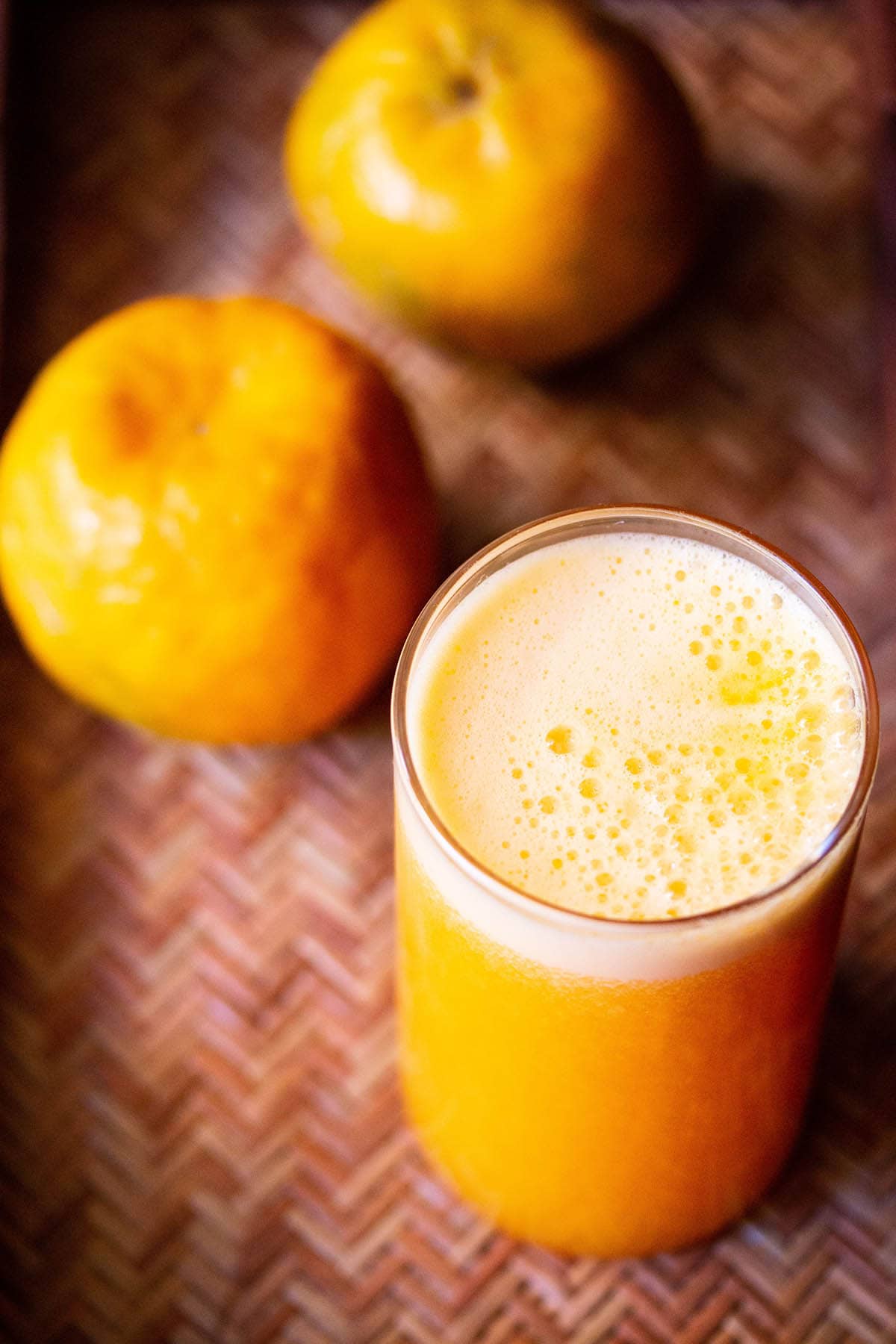
- Juice separates: Shake or stir before serving; separation is natural without stabilizers.
When I first started, I overblended the pith and made a bitter batch. Now I peel carefully and pulse first. These small habits improve every batch.

Storage and shelf life
Fresh juice tastes best quickly. Store homemade orange juice with blender in a sealed container in the refrigerator for up to 48 hours. Keep it cold and use within two days for best flavor and vitamin retention.
For longer storage, freeze juice in ice cube trays and transfer to a freezer bag for up to three months. Thaw in the fridge or blend frozen cubes into smoothies.
Frequently Asked Questions of how to make orange juice with blender
How many oranges make one cup of juice?
Typically 2 to 3 medium oranges yield one cup of juice. Yield varies by variety and ripeness.
Do I need to remove seeds before blending?
Yes, remove visible seeds for smoother texture and less bitterness. Small seeds can be strained out later if missed.
Can I use a hand blender to make orange juice with blender?
A hand blender can work for small batches if you chop oranges and use a deep container. A countertop blender is faster and smoother.
Is it healthier to strain the pulp out?
Straining removes fiber but gives a cleaner texture. Leaving pulp keeps more fiber and slows sugar absorption.
Can I keep juice overnight without refrigeration?
No. Fresh juice must be refrigerated to prevent spoilage and loss of nutrients. Keep it cold and sealed.
Conclusion
Making orange juice with blender is fast, flexible, and rewarding. You only need ripe oranges, a blender, a bit of water, and a simple routine to get bright, fresh juice at home. Try the basic method, then experiment with pulp level, blends, and chilling techniques to find your favorite version. Give it a try today, share your results, or leave a tip in the comments — I’d love to hear how your orange juice with blender turns out.