Use fresh or frozen fruit, a liquid base, and blend until smooth with a blender.
I’ve taught home cooks and blend fans how to make smoothies at home with a blender for years. This guide walks you through the easiest steps, smart ratios, blender picks, health tips, and real mistakes I’ve made so you can blend fast, safe, and tasty drinks every day.
Why make smoothies at home?
Smoothies made at home save money and give you full control over ingredients. You pick the fruit, protein, and sugar level.
Making smoothies at home with a blender also cuts waste. You can use bruised fruit or frozen bits that would otherwise get tossed. Home blending helps you meet nutrition goals and fits busy mornings.
Essential ingredients and simple ratios
Good smoothies use four parts: liquid, produce, protein/fat, and boosters. Keep ratios simple for repeatable results.
- Liquid: 1 cup per single serving. Use water, milk, plant milk, or juice.
- Fruit/veg: 1 to 1.5 cups. Use a mix of fresh and frozen for texture.
- Greens: 1 cup packed for leafy greens like spinach.
- Protein/fat: 1 serving (1 scoop protein, 1–2 tbsp nut butter, or 1/4 avocado).
- Boosters: 1 tbsp seeds, 1 tsp sweetener, or small handful of oats.
Example ratio for creamy results: 1 cup liquid, 1 cup fruit, 1/2 cup frozen fruit, 1 serving protein, 1 tbsp fat. When you learn these basics, you can easily customize how to make smoothies at home with a blender to match taste and goals.
:max_bytes(150000):strip_icc()/23553-basic-fruit-smoothie-ddmfs-step2-0703-4x3-4d6e3ec1cc8840a497c321da88209a2e.jpg)
Choosing the right blender
Pick a blender that matches how often and what you blend. Power, jar shape, and blade design matter.
- High-speed countertop blenders: Best for smoothies with ice, nuts, or seeds. Look for 700+ watts for consistent results.
- Personal blenders: Great for single servings and quick shakes. They are small but may struggle with hard items.
- Tamper and pulse settings: A tamper helps move thick blends without overfilling. Pulse lets you control texture.
Match your budget to use. A good mid-range blender handles daily smoothies and lasts longer. Choosing the right gear makes how to make smoothies at home with a blender faster and less messy.

Step-by-step: How to make smoothies at home with a blender
Follow this simple routine for consistent results every time.
- Prep ingredients: Wash greens, slice fruit, measure liquids.
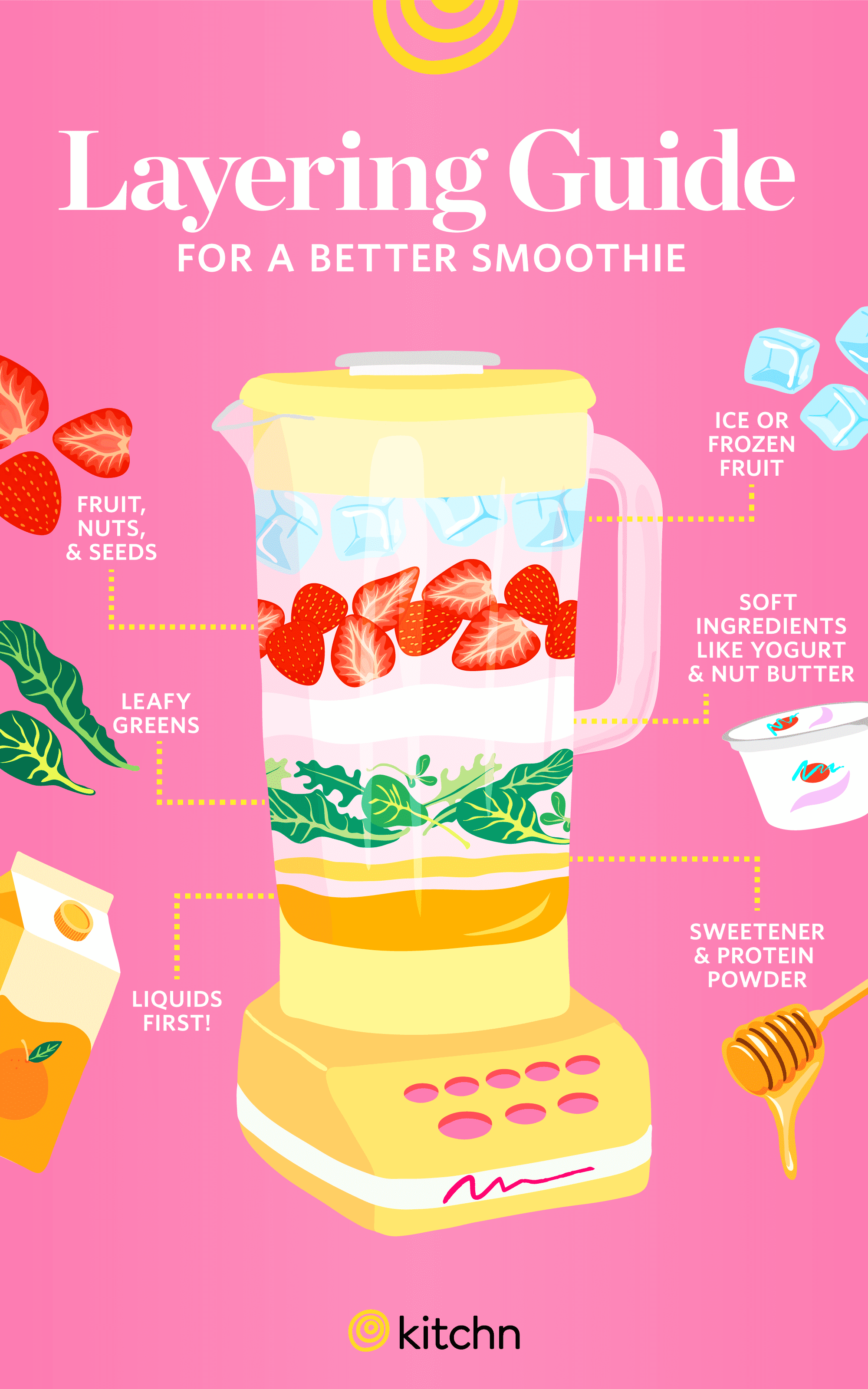
- Layer the blender: Add liquid first, then powders and greens, then soft fruit, frozen fruit or ice last. This helps the blades move easily.
- Start slow: Begin on low speed, then increase to high for 30–60 seconds until smooth. Use a tamper if needed.
- Taste and adjust: Add liquid to thin, more frozen fruit or ice to thicken, or a sweetener for taste.
- Serve right away or store properly for later.
Recipes to try right away
- Green starter
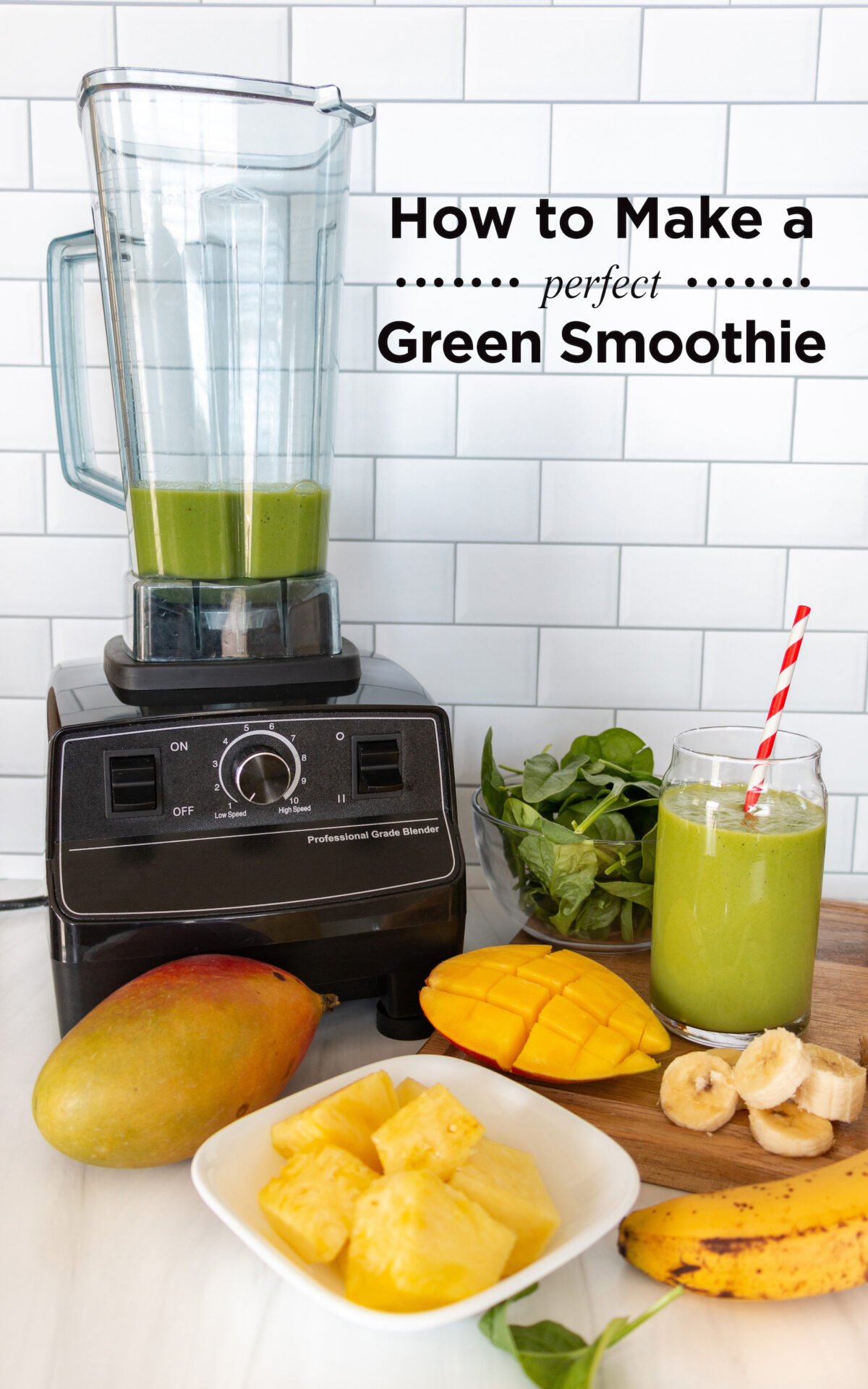
- 1 cup spinach, 1 banana, 1 cup almond milk, 1 tbsp peanut butter, 1/2 cup ice. Blend until smooth.
- Berry protein
- 1 cup mixed berries (frozen), 1 scoop vanilla protein, 1 cup water, 1 tbsp chia seeds. Blend 45 seconds.
- Tropical boost
- 1 cup frozen mango, 1/2 cup pineapple, 1/2 cup coconut milk, 1/2 banana. Blend to a thick pourable texture.
- Chocolate banana treat
- 1 banana, 1 tbsp cocoa powder, 1 cup milk, 1 tbsp almond butter, handful of ice. Blend until creamy.
Practicing these steps helps you master how to make smoothies at home with a blender with little fuss.
Tips for texture and troubleshooting
Texture makes or breaks a smoothie. Small fixes keep blends smooth and drinkable.
- Too thin: Add frozen fruit, ice, or a quarter avocado. A tablespoon of oats also thickens while adding fiber.
- Too thick: Add more liquid one tablespoon at a time and re-blend.
- Grainy or chalky: Blend longer and add more liquid. Use blended oats instead of raw for creaminess.
- Icy chunks: Use softer frozen fruit or run blender a bit longer on high. A tamper helps force ingredients toward blades.
Common quick questions people ask while blending:
Q: Can I use frozen fruit only? Yes. Use slightly more liquid and pulse longer for a smooth result.
Q: Is yogurt necessary? No. Yogurt adds creaminess and protein but you can use nut butter or protein powder instead.
These small fixes show how to make smoothies at home with a blender without wasting ingredients.
Meal prep, storage, and food safety
Smoothies are best fresh but can be prepped smartly. Use the right containers and timing to keep flavor and safety.
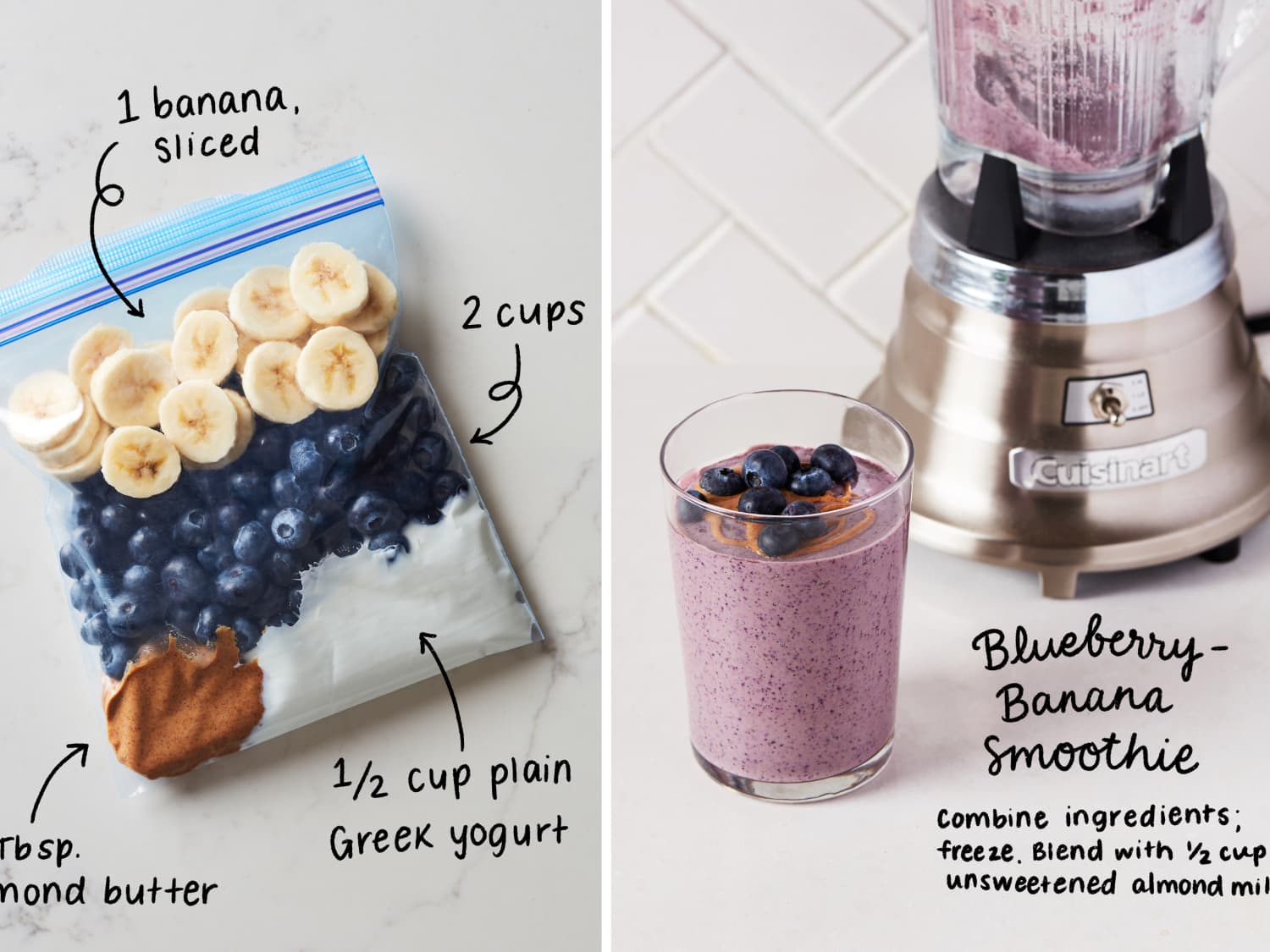
- Make-ahead tip: Pre-portion ingredients in freezer bags. Dump the bag into the blender with liquid and blend.
- Storage: Fresh smoothies last 24 hours in the fridge. Use airtight bottles to limit oxidation. Vacuum-sealed containers keep color and taste longer.
- Food safety: Keep perishable items cold, and discard smoothies left at room temperature for over two hours. Avoid hot liquids in a sealed blender pitcher to prevent pressure build-up.
These habits let you plan ahead and maintain quality while you learn how to make smoothies at home with a blender.
Nutrition, portion control, and when to be careful
Smoothies can be healthy or calorie-dense. Balance ingredients to match your goals.
- Choose whole foods: Use whole fruit and vegetables to keep fiber.
- Limit added sugar: Skip juice and reduce syrups. Rely on fruit and spices for sweetness.
- Add protein and fiber: Protein powder, Greek yogurt, seeds, and oats increase fullness and stabilize blood sugar.
- Watch portions: A 12–16 ounce smoothie can have 300–500 calories depending on add-ins. Adjust to your energy needs.
If you have diabetes or other health concerns, talk with a pro before making big changes to diet. Using these rules will help you make smoothies at home with a blender that support health.
Personal experience: lessons learned and mistakes to avoid
I’ve tested hundreds of blends and learned to keep things simple. I once used all frozen fruit and not enough liquid; the blender stalled and I learned to add liquid first. Another time I overloaded the jar with ice and made a slushy that never smoothed out.
Key lessons I share with friends:
- Measure the liquid. Eyeballing often leads to re-blending or wasting food.
- Use frozen banana for creaminess instead of lots of ice.
- Clean immediately. Dried smoothie residue is hard to remove and can trap bacteria.
These tips come from real experiments and will speed your mastery of how to make smoothies at home with a blender.
Equipment care and safety tips
A clean blender lasts longer and works better. Follow simple care steps.
- Clean right away: Rinse the jar and blade soon after use. For deep clean, blend warm water with a drop of dish soap for 30 seconds.
- Check seals and blades: Replace worn gaskets and dull blades to avoid leaks and poor blends.
- Avoid hot liquids in plastic jars: Heat can warp the jar or create pressure. Use metal or heat-tolerant containers for warm blends.
- Store safely: Unplug when not in use and store blades out of reach if you remove them.
Good care keeps your blender ready so making smoothies at home with a blender stays easy and safe.
Frequently Asked Questions
What is the best liquid to use in smoothies?
Almond milk, dairy milk, plain water, or coconut water are great options. Choose milk for creaminess, water to cut calories, and coconut water for electrolytes.
Can I use only frozen fruit in a smoothie?
Yes, but add more liquid than you would with fresh fruit. Start with the standard 1 cup liquid and increase by tablespoons until smooth.
How do I keep green smoothies from turning brown?
Add an acid like lemon juice and use airtight bottles. Drink within 24 hours for best color and nutrients.
Will blending remove fiber from fruit?
No. Blending keeps most fiber intact. Smoothies break fiber into smaller pieces but still provide the fiber benefits of whole fruit.
How do I make smoothies less sugary?
Use more vegetables, add protein and healthy fats, and skip juice or sweeteners. Taste as you go and add a small amount of banana or cinnamon for sweetness.
Can I put hot liquids in the blender?
Avoid hot liquids in sealed blender jars to prevent pressure build-up. Let hot liquids cool slightly and remove the center cap while blending, or use a blender that’s rated for hot use.
Conclusion
You now have a clear, simple path for how to make smoothies at home with a blender. Start with the right ratios, pick a blender that fits your needs, and use tiny tweaks to fix texture and flavor. Try one recipe from this guide today, build from there, and share what works for you. If you found this helpful, subscribe for more tips or leave a comment with your favorite blend.