The best blender for sauces combines strong blades, smooth results, easy cleaning, and safe control.
You start dinner with fresh tomatoes, roasted peppers, herbs, or nuts, but the sauce turns out chunky and uneven. A good blender fixes that kitchen headache in minutes. I tested these blender styles with sauce tasks in mind, from silky marinara and pesto to salsa, hummus, gravy, and hot soup bases. I also looked at power, jar size, controls, cleanup, noise, and value. Whether you cook for one or feed a family, this guide can help you find the best blender for sauces without wasting money or counter space.
Ninja Nutri-Plus Personal Blender

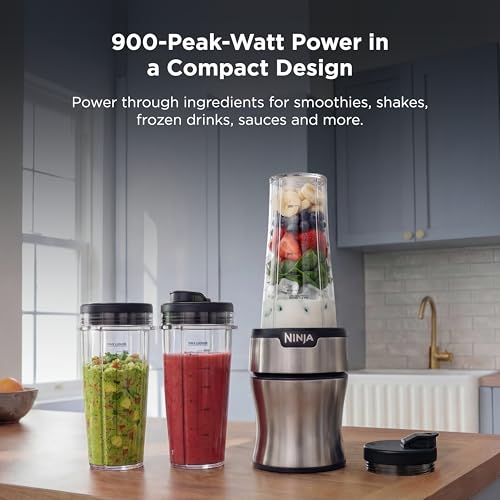
The Ninja Nutri-Plus Personal Blender BN301 is a compact pick for small batches of sauce. Its 900-watt motor gives it more muscle than many basic personal blenders. I like the three 20-ounce cups because I can blend a sauce, cap it, and store it without dirtying another container. The small footprint also suits apartments, dorm kitchens, and busy counters.
This blender works well for creamy dressings, pesto, small salsa batches, and smooth dipping sauces. The cup design encourages a quick blend, but I would add enough liquid and cut firm foods into small pieces first. The cups are not intended for hot liquids, so let cooked ingredients cool before blending. That safety step follows standard blender guidance and helps prevent pressure from building inside a sealed cup.
Pros:
- Strong 900-watt motor for its compact size
- Three cups make small-batch storage easy
- Good choice for pesto, salsa, and dressings
- Uses little counter space
- Simple push-to-blend operation
- Useful for single servings and meal prep
Cons:
- Small cups limit family-size sauce batches
- Not suitable for blending hot liquids
- Can need shaking when ingredients are thick
My Recommendation
I recommend the Ninja Nutri-Plus to cooks who make sauce for one or two people. It is especially useful for pesto, salad dressing, garlic sauce, and quick salsa. The three cups add real value because you can blend and store with less washing. If you want the best blender for sauces in a small kitchen, this model offers a practical balance of power and size.
Magic Bullet Small Blender Set

The Magic Bullet Blender is a small, simple set for everyday sauce work. Its 11-piece package includes cups and lids, which makes it handy for quick prep and storage. I find it most useful when I need a small amount of garlic aioli, chipotle sauce, dressing, or a fresh dip. It is easy to place on a crowded counter and fast to put away.
The motor is suited to soft produce, cooked vegetables, herbs, and lighter blends. It can handle many simple sauces, but thick mixtures may need extra liquid or a pause for stirring. As with other personal blenders, do not use it for hot ingredients in a sealed cup. The best results come from short pulses, small pieces, and a sensible amount of liquid.
Pros:
- Compact size fits small kitchens
- Includes useful cups and storage lids
- Fast for small sauce portions
- Easy to use with simple controls
- Helpful for dips, dressings, and salsa
- Usually offers strong value for basic food prep
Cons:
- Not ideal for large family-size batches
- Less suited to very thick or fibrous sauces
- Limited control compared with a full-size blender
My Recommendation
The Magic Bullet is best for students, couples, and cooks who want an affordable starter blender. It handles small sauce jobs without a long setup or a large jar to wash. I would choose it for fresh dressings, salsa, and simple marinades rather than daily nut butter or thick hummus. For a low-cost best blender for sauces, it remains an easy and useful option.
Ninja Mega Kitchen System 1500W

The Ninja Mega Kitchen System BL770 is built for cooks who make large batches. Its 1500-watt motor and 72-ounce pitcher give it a clear advantage for family meals, party dips, and freezer cooking. I like the extra food-processing parts because this system can do more than blend. It can help with sauces, dough, chopped vegetables, smoothies, and frozen drinks.
The large pitcher works well for marinara, tomato sauce, enchilada sauce, and blended soups after cooling. Its power can break down firm vegetables and many fibrous ingredients more quickly than a small personal unit. Still, thick food needs proper liquid and a careful loading order. I also suggest leaving room in the jar and following the manual because hot food and fast blades can create pressure.
Pros:
- Very strong 1500-watt motor
- Large 72-ounce pitcher for family portions
- Useful for sauces and broader food prep
- Includes food-processing and single-serve options
- Handles firm produce better than many small blenders
- Good fit for meal prep and entertaining
Cons:
- Takes more storage space than a personal blender
- Can be loud at high speed
- Large parts may take longer to wash and dry
My Recommendation
I recommend the Ninja Mega Kitchen System for large households and serious home cooks. It is the best blender for sauces here when you need volume and want one appliance for several jobs. The strong motor is useful for smooth tomato sauce, salsa, dips, and vegetable blends. Choose it if you value versatility more than a small footprint.
Nutribullet Full-Size Blender Combo

The Nutribullet Full-Size Blender Combo NBF50500 gives you a useful middle ground. It includes a 64-ounce pitcher for family recipes and a 32-ounce cup for smaller tasks. Its 1200-watt motor has enough power for smoothies, sauces, soups, and frozen blends. I also like the simple speed choices because they make routine cooking feel less like a technical project.
This model is a strong choice for cooks who want one blender for several sauce styles. Use the large jar for marinara or roasted pepper sauce, then use the smaller cup for dressing or a single serving. The pulse setting helps control texture when you want a little body rather than a fully smooth puree. Let hot food cool before blending unless the product instructions clearly allow that use.
Pros:
- 1200 watts provide solid everyday power
- 64-ounce pitcher suits family-size recipes
- 32-ounce cup handles smaller sauce batches
- Pulse setting helps manage texture
- Useful for smoothies, soups, sauces, and dips
- Good balance between capacity and price
Cons:
- Large pitcher needs extra cabinet space
- Controls are basic rather than highly precise
- Thick blends may need a scrape or stir
My Recommendation
The Nutribullet Combo is best for families who want flexibility without buying a high-end blender. It is my balanced pick for cooks who make both small and large batches. The two container sizes reduce waste and make daily prep easier. If you want the best blender for sauces and smoothies in one package, this combo deserves serious attention.
Ninja Professional Blender 1000W

The Ninja Professional BL610 is a straightforward full-size blender with a 72-ounce pitcher. Its 1000-watt motor and total crushing blade design make it useful for smooth sauces and blended food. I find the simple control panel easy to understand, even when I am cooking several things at once. The wide jar also gives enough room for a batch of sauce without working in tiny portions.
This blender is a good match for salsa, pasta sauce, creamy soup, and large batches of dressing. Its power helps turn cooked vegetables into a smooth base, while pulse control can keep some texture in the mix. It does not offer the same range of accessories as a kitchen system, but that can be a benefit for people who prefer fewer parts. Always use care with hot ingredients and avoid sealing hot food in a personal cup.
Pros:
- Large 72-ounce pitcher
- 1000-watt motor handles common sauce tasks
- Crushing blade design blends firm ingredients well
- Simple controls are easy to learn
- Good for family meals and batch cooking
- Fewer accessories mean a simpler setup
Cons:
- Large pitcher may not suit small kitchens
- Can be noisy during hard blending
- No dedicated small cup included
My Recommendation
I recommend the Ninja Professional BL610 to anyone who wants a capable full-size blender without extra attachments. It is especially good for weekly tomato sauce, salsa, and soup prep. The large jar saves time when you cook for several people. For many homes, this is the best blender for sauces when simple controls and useful capacity matter most.
Ninja BL660 Professional Blender

The Ninja BL660 adds useful convenience to a powerful full-size blender. Its 1100-watt motor, 72-ounce pitcher, and three function settings suit frozen drinks, smoothies, sauces, and more. The two 16-ounce cups are handy when I need a quick dressing or a small dip. Spout lids also make those cups easier to carry after blending.
For sauce work, the BL660 can handle cooked vegetables, herbs, tomatoes, and many fresh ingredients. I like the choice between a large batch and a personal portion because it fits real weeknight cooking. The controls are simple, and the pitcher gives enough room for blending without repeated stops. For thick sauces, I still add liquid gradually and use a spatula only when the motor is off.
Pros:
- 1100-watt motor offers strong everyday performance
- Large 72-ounce pitcher supports batch cooking
- Includes two portable 16-ounce cups
- Three functions cover common kitchen jobs
- Useful for sauces, smoothies, and frozen drinks
- Spout lids add practical take-along value
Cons:
- Requires more storage space than a personal unit
- Sound level is noticeable at high speed
- Blade assembly needs careful handling during cleaning
My Recommendation
The BL660 is best for active households that want batch power and personal cups. I would pick it for cooks who prepare sauce for dinner but also make smoothies or drinks each morning. It gives more flexibility than a basic full-size model without becoming overly complex. In my view, it is a strong best blender for sauces choice for busy families.
Nutribullet Personal Blender 600W
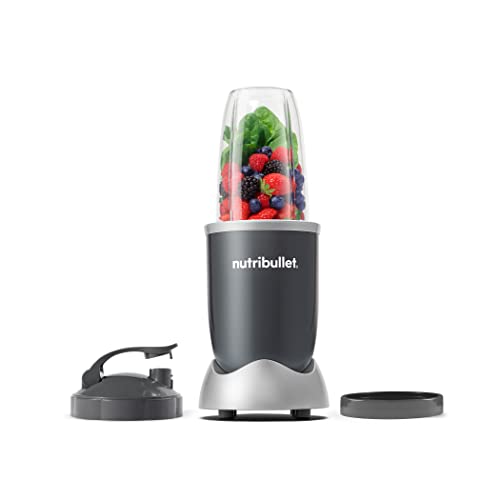
The Nutribullet Personal Blender NBR-0601WM is a compact 600-watt model for quick, small servings. Its 24-ounce size works well for a sauce made for one meal. I like it for garlic dressing, berry sauce, mild salsa, and small amounts of pesto. The design is simple, so it suits people who do not want a large appliance with many buttons.
This blender performs best when ingredients are soft or cut into small pieces. It can make a smooth sauce, but very thick mixtures may need more liquid and a few pauses. The smaller cup also helps reduce food waste when you are cooking for one or two people. Since personal cups are not made for hot blending, cool cooked ingredients before use and transfer the finished sauce to a pan for reheating.
Pros:
- Compact design saves counter and cabinet space
- 24-ounce cup suits small portions
- 600 watts handle light sauce tasks
- Simple operation helps new users
- Good for dressings, dips, and small salsa batches
- Creates less cleanup than a full-size pitcher
Cons:
- Not suitable for large family batches
- Less power for nuts and thick mixtures
- Not designed for hot liquids
My Recommendation
I recommend this Nutribullet to solo cooks, students, and anyone with limited space. It is a smart pick for small sauce jobs where speed matters more than capacity. The 24-ounce cup keeps portions practical and cleanup quick. It can be the best blender for sauces for a small household, but larger families should choose a full-size pitcher.
Turelar 1100W Immersion Blender

The Turelar immersion blender takes a different path from countertop models. Instead of moving food into a pitcher, you place the handheld blade right in a pot, bowl, or cup. Its 1100-watt motor and five-in-one set make it useful for sauces, soups, mashed foods, whipped cream, and other prep. I find this style especially helpful when a recipe starts on the stove.
An immersion blender is often the best blender for sauces when you want to blend marinara or soup in the same cooking pot. It reduces transfer work and leaves fewer large parts to wash. Move the blade slowly through the food and keep it fully covered to limit splashes. For safety, follow the manual, keep the cord away from heat, and use care around hot liquid and steam.
Pros:
- Blends directly in pots and bowls
- 1100 watts provide strong handheld power
- Five-in-one set adds kitchen flexibility
- Useful for marinara, soup, gravy, and puree
- Needs less storage space than a full-size blender
- Reduces the need to transfer hot food
Cons:
- Handheld use can cause splashes
- May leave texture in very fibrous foods
- Cord limits movement around the kitchen
My Recommendation
I recommend the Turelar for cooks who make sauce in a pot and want fewer dishes. It is a strong fit for marinara, soup bases, gravy, and vegetable puree. It also suits people who lack room for a full countertop blender. If you want direct control and simple cleanup, this immersion model offers excellent value as a best blender for sauces.
Beast Mini Blender Plus 600W

The Beast Mini Blender Plus is a small countertop blender with a 600-watt motor. Its clean shape and compact footprint make it appealing for modern kitchens with limited space. I would use it for small batches of pesto, dressing, salsa, and creamy dipping sauce. It feels more like a countertop appliance than a travel cup blender, while still keeping the size modest.
This model is best for soft ingredients and recipes that do not need a large jar. It can produce a smooth sauce when you add enough liquid and avoid overfilling. The smaller capacity encourages fresh batches, which can help keep herbs and produce bright. As with most compact blenders, cool cooked food before blending and never assume a sealed cup is safe for hot contents.
Pros:
- Compact countertop design
- 600 watts suit light and medium sauce tasks
- Good for pesto, salsa, and dressing
- Uses less space than a full-size blender
- Simple size makes daily setup easy
- Attractive appearance fits many counters
Cons:
- Small capacity limits batch size
- Not the strongest choice for hard nuts
- May need extra liquid for thick sauce
My Recommendation
The Beast Mini Blender Plus is best for small households and style-focused kitchens. I would choose it for fresh dressings, dips, and small sauce portions rather than bulk meal prep. It offers a neat balance of ease, size, and everyday power. For shoppers seeking a compact best blender for sauces, it is worth considering when large capacity is not important.
Magic Bullet Combo Blender 600W

The Magic Bullet Combo Blender adds a 48-ounce pitcher to the brand’s familiar small-cup format. Its 600-watt motor is designed for smoothies, sauces, shakes, salsa, and other daily blends. I like the choice between a family-size jar and a 16-ounce cup with a to-go lid. That mix gives this model more range than a basic personal blender.
The cross blade works well for soft vegetables, tomatoes, herbs, and simple sauce mixes. Use the pitcher when cooking for several people, then switch to the cup for a small dressing or dip. The pulse function can help keep salsa from turning into soup. For hot blends, follow the product directions closely, vent steam when allowed, and avoid sealing hot ingredients in the personal cup.
Pros:
- Includes both a 48-ounce pitcher and 16-ounce cup
- Useful for sauces, salsa, shakes, and smoothies
- To-go lid adds everyday convenience
- 600-watt motor suits common soft-food blends
- Compact alternative to larger kitchen systems
- Easy cleaning supports frequent use
Cons:
- Less power than full-size professional blenders
- May struggle with very thick mixtures
- Pitcher is smaller than many family-size models
My Recommendation
The Magic Bullet Combo is best for couples and small families who want two container sizes. It is more flexible than a personal-only blender but easier to store than a large kitchen system. I especially like it for salsa, pasta sauce, dressing, and quick shakes. It is a sensible best blender for sauces for shoppers who want useful features at a moderate cost.
Best Blender for Sauces: Buying Guide
Choosing the best blender for sauces is not only about wattage. A sauce blender must create an even texture, move food through the blade area, and let you control the final result. The right choice also depends on how much sauce you make and whether you prefer a pot, cup, or pitcher.
Motor Power
Motor wattage gives a rough idea of power, but it does not tell the whole story. Blade shape, jar design, food amount, and liquid level also affect results. A 600-watt blender can make excellent dressing and salsa when ingredients are soft. A 1000-watt or 1500-watt model is better for large batches, firm vegetables, frozen foods, and thick dips.
Do not judge a blender by wattage alone. A strong motor cannot fix an overloaded jar. I load ingredients in layers, add liquid early, and stop to scrape thick mixtures when needed. This simple method often matters as much as the number printed on the box.
Jar Size and Batch Volume
Think about your normal recipe size. A personal cup is ideal for one or two servings of sauce. A 48-ounce pitcher suits couples or small families. A 64-ounce or 72-ounce jar works better for meal prep, large pasta dinners, and freezer batches.
A large pitcher can be less effective for tiny batches because food may spread below the blades. A small cup can struggle when you try to make enough sauce for a crowd. I prefer a combo system when my cooking changes from day to day.
Countertop or Immersion Blender?
A countertop blender often gives the smoothest texture. It is a strong choice for pesto, hummus, nut sauces, and large batches. It also works well when you want to blend several ingredients at once.
An immersion blender shines in a pot. It lets you blend cooked tomatoes, vegetables, or soup without moving hot food to another container. It may not create quite the same silky finish as a high-powered countertop blender, but it saves time and reduces dishes.
Blade Design
Blade design affects how well food circulates. Crushing blades can help with firm produce and ice. Cross blades work well for small portions and soft ingredients. An immersion blade creates a focused whirlpool inside the pot.
Sharp blades are helpful, but safe handling matters more. I unplug the blender before touching the blade area. I also use a soft brush around small gaps and avoid placing my fingers near any blade, even when the unit looks clean.
Controls and Texture
Simple controls can be a benefit. A pulse button helps keep salsa chunky and prevents over-blending. Multiple speeds offer more control for mayonnaise, gravy, and smooth sauces. Automatic programs may help, but they are not required for good results.
When I want a sauce with body, I start with short pulses. I then increase the speed only if needed. This approach helps preserve herbs, seeds, and small vegetable pieces instead of turning every recipe into a thin puree.
Cleaning and Storage
Easy cleaning encourages you to use a blender more often. Removable parts can be convenient, but they need careful handling. Some cups and jars may be dishwasher safe, yet I still check the care instructions before using a dishwasher.
Rinse the jar soon after blending. Dried tomato, cheese, and nut paste become much harder to remove. Warm water and a drop of dish soap can loosen fresh residue, but keep water away from the motor base.
Hot Sauce Safety
Hot food needs special care. Steam expands, and a sealed container can build pressure. The FDA advises safe food handling, and blender makers also provide specific rules for hot liquids. I never seal steaming sauce in a personal blending cup.
For hot sauce, an immersion blender may be easier because it can work in a suitable cooking pot. If you use a countertop blender, cool the food when required, avoid filling too high, and vent the lid as directed. Keep a towel over the lid and start at low speed when the instructions permit hot blending.
How I Tested These Sauce Blenders
I judge a sauce blender by useful kitchen results, not just marketing claims. I look at how well it handles soft tomatoes, roasted vegetables, herbs, garlic, oil, and thick ingredients. I also consider how much liquid the recipe needs before the blades pull food into a smooth flow.
I pay attention to the small details that shape daily use. Does the jar pour cleanly? Can I store a small batch? Is the control panel easy to use with wet hands? Can I clean the blade area without risking a cut? These questions help separate a convenient blender from one that only looks powerful on paper.
Best For Comparison
| Best for | Why |
|---|---|
| Large family sauce batches | The Ninja Mega Kitchen System offers a powerful motor and large pitcher. |
| Small portions and quick cleanup | The Ninja Nutri-Plus and personal Nutribullet use compact cups for one or two servings. |
| Blending sauce in the cooking pot | The Turelar immersion blender reduces transfer work and dirty dishes. |
How to Make Better Sauce in a Blender
Start with the right ingredient size. Cut onions, peppers, carrots, and tomatoes into chunks that the blades can move. Cook hard vegetables until tender when the recipe calls for it. Soft ingredients blend faster and place less strain on the motor.
Add liquid before dry or firm food. Water, stock, oil, vinegar, tomato juice, or cream can help create movement. Add only a little at first, then increase it as needed. This lets you control thickness instead of ending with a watery sauce.
Do not fill the jar to the top. Food needs room to move. Overfilling can leave chunks at the top and may stress the motor. For thick sauce, stop the blender, unplug it, and scrape the sides with a suitable spatula.
Use pulse mode for salsa and chunky sauces. Use a steady speed for smooth marinara, dressing, or puree. Taste after blending because air can soften the first impression of salt, acid, and spice. Let the sauce rest for a minute, then adjust the flavor.
For pesto, add greens and herbs with nuts, cheese, and oil in stages. Short pulses help protect the color and keep the texture fresh. For hummus, add enough liquid to help the chickpeas move. A small amount of ice water, lemon juice, or reserved cooking liquid can make the blend lighter.
Which Blender Is Best for Different Sauces?
Best Blender for Tomato Sauce
A full-size countertop blender is usually best for a large tomato sauce batch. The Ninja BL610, Ninja BL660, Nutribullet Combo, and Ninja Mega Kitchen System all offer useful pitcher space. An immersion blender is also excellent when the tomatoes are already cooking in a pot.
Remove tomato stems and cut large pieces before blending. If the sauce is hot, follow the correct hot-blending process. Do not put steaming sauce into a sealed personal cup.
Best Blender for Pesto
Pesto needs a blender that can handle herbs, nuts, cheese, garlic, and oil. A personal blender works for a small batch, while a full-size blender helps when you cook for a group. Use short pulses to avoid heating the basil.
Add oil slowly if the recipe needs a smooth emulsion. Stop to scrape the sides only after switching off and unplugging the blender. A smaller cup can help the ingredients stay near the blades.
Best Blender for Salsa
Look for pulse control when salsa texture matters. The Magic Bullet Combo, Ninja BL660, and Ninja Professional models are useful choices. Start with short pulses and check the texture often.
Drain very watery tomatoes if you want thick salsa. Add cilantro and delicate herbs near the end. This keeps the flavor fresh and prevents the salsa from becoming a thin green puree.
Best Blender for Hummus
Hummus is thick, so motor power and jar movement matter. A 1000-watt or stronger full-size blender may make the work easier. You can also use a smaller model if you add liquid slowly and blend in modest amounts.
Warm chickpeas, tahini, lemon juice, and water can create a smoother result. Do not force the blender through a dry, dense mix. Stop and scrape when needed, and never use a utensil while the blades move.
Best Blender for Gravy
An immersion blender is convenient for gravy because it can work in a saucepan. It helps smooth onions, stock, and cooked vegetables without transferring the mixture. A countertop blender can also work, but you need to handle hot liquid with care.
Blend before adding a final thickener when possible. This can reduce lumps. If you use flour or starch, follow the recipe and cook the gravy fully before serving.
Best Blender for Hot Sauce
Hot pepper sauce needs careful handling. A countertop blender can create a fine texture, but hot peppers and steam may irritate the eyes and skin. Let the mixture cool when the recipe and appliance instructions require it.
An immersion blender may offer a simpler path in a pot, yet it can still splash. Wear suitable protection, keep the blade below the surface, and blend at a low speed first. Ventilation also helps when working with strong peppers.
Common Mistakes to Avoid
One common mistake is adding too much food at once. Even the best blender for sauces can stall when the jar is packed with dry ingredients. Work in batches when the recipe is thick or the container is small.
Another mistake is using the wrong container for hot food. Personal cups often seal tightly, which can trap steam. Let cooked ingredients cool as directed, and use a pot-safe immersion blender when that better fits the task.
Many cooks also blend too long. Extra blending can warm pesto, dull fresh herbs, and make salsa runny. Use short pulses, taste often, and stop when the texture looks right.
Finally, do not ignore cleaning. Sauce residue can hide under the blade or gasket. Rinse soon after use and inspect removable parts before storing the blender.
FAQs Of best blender for sauces
What wattage is best for making sauces?
A 600-watt blender can handle light sauces, dressings, and salsa. For thick sauces, firm vegetables, or large batches, choose 1000 watts or more. Jar design and ingredient prep also affect results.
Can I blend hot sauce in a blender?
Only if the blender instructions allow hot blending. Steam can build pressure in a sealed container. Cool food when required, leave room in the jar, and follow the maker’s safety directions.
Is an immersion blender good for sauces?
Yes. An immersion blender works well for marinara, gravy, soup, and cooked vegetable sauces. It blends in the pot, which can reduce mess and food transfer.
What size blender jar do I need for sauce?
A 16- to 24-ounce cup suits one or two servings. A 48-ounce pitcher works for smaller family batches. Choose a 64- or 72-ounce jar for meal prep and large dinners.
How do I make a blender sauce smoother?
Cut firm foods small, cook hard vegetables until tender, and add enough liquid for movement. Blend in short stages and scrape only when the motor is off. Straining can remove seeds or fibers if you need an extra-smooth finish.
Final Verdict: Which Should You Buy?
For most homes, I recommend the Nutribullet Full-Size Blender Combo. Its 1200-watt motor, 64-ounce pitcher, and smaller cup cover both family sauces and quick portions.
The best blender for sauces depends on batch size and texture needs. Choose an immersion model for pot blending or a personal blender for small, fast recipes.