
Use the whisk or blending shaft, plug in, submerge blade, pulse gently until smooth.
I’ve used hand blenders for years and I’m here to walk you through exactly how to use KitchenAid immersion blender safely and efficiently. This guide explains parts, step-by-step technique, common uses, cleaning, safety tips, troubleshooting, and real-life tips from my kitchen. By the end, you’ll feel confident using a KitchenAid immersion blender to blend soups, smoothies, sauces, and more with pro-level results.

Why choose a KitchenAid immersion blender?
A KitchenAid immersion blender blends directly in pots, pitchers, and bowls. It saves time and reduces dishes. It is compact and easy to store. Many models include multiple attachments for whisking and chopping. Choosing this tool can speed prep and keep hot soups off the stove and out of a blender pitcher.
Experience note: I prefer a KitchenAid model with a removable shaft. It makes cleanup fast and keeps the motor safe from splashes. Knowing how to use KitchenAid immersion blender well turns a basic gadget into a go-to tool for daily cooking.

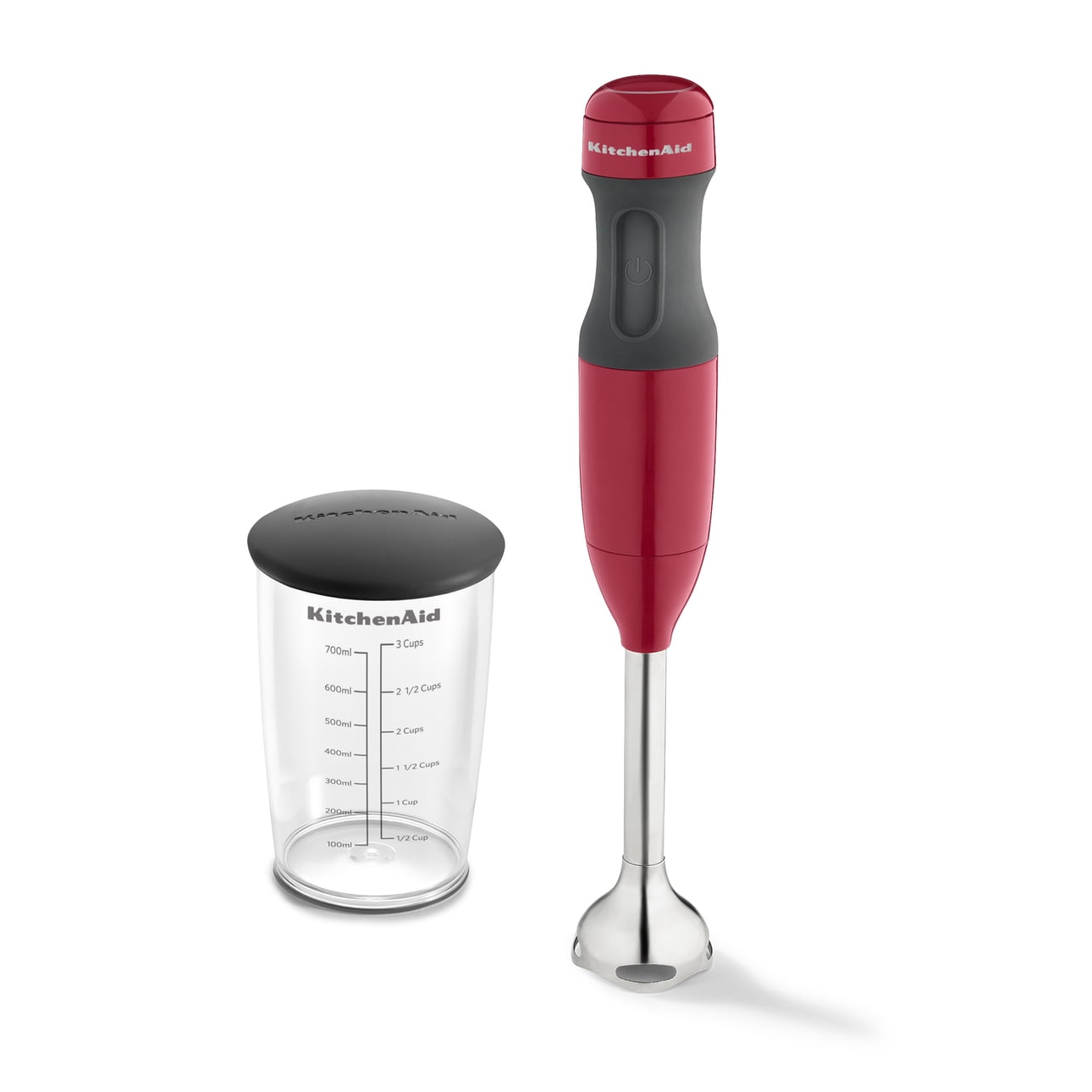
Parts and features you should know
Understanding parts helps you use the tool correctly and safely.
- Motor body: Holds the controls and powers the shaft.
- Blending shaft: The metal or plastic tube that connects to the motor.
- Blade guard: Shields the blade and reduces splatter.
- Stainless-steel blade: Cuts and purees ingredients.
- Speed settings: Low and high or variable speeds for control.
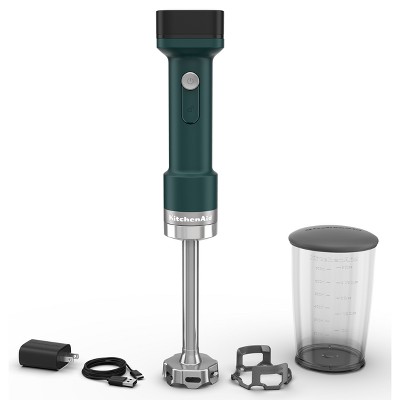
- Additional attachments: Whisk, chopper bowl, and flexible blending arm in some kits.
Tip from experience: Always check that the shaft locks in securely. A loose shaft can wobble and cause splatter or uneven blending. Familiarity with each attachment helps you decide how to use KitchenAid immersion blender for each task.
Step-by-step: how to use KitchenAid immersion blender
Follow these steps for safe, smooth blending every time.
- Prepare • Gather ingredients and choose the correct attachment.
- Assemble • Make sure the motor is unplugged. Attach the shaft or whisk until it clicks.
- Fill the container • Use a deep pot or tall pitcher. Fill roughly halfway to two-thirds to avoid splashes.
- Submerge the blade • Place the blade guard fully under the surface before turning on.
- Start slow • Turn on the lowest speed or pulse briefly to reduce splatter.
- Move gently • Lift and lower the shaft, and move it in a small circular pattern for even blending.
- Finish and check • Turn off, remove the shaft, and inspect texture. Repeat if needed.
PAA-style question 1: How long should I run a KitchenAid immersion blender?
Run short bursts of 10–20 seconds, pausing to check texture. For smooth purees, repeat as needed until you reach the desired consistency.
PAA-style question 2: Can I blend hot soup in the pot with a KitchenAid immersion blender?
Yes—blending hot soup in the pot is a primary use. Keep the blade submerged and start slow to avoid splatters and burns.
Personal tip: For chunky soups, blend until roughly even and then finish with a few quick pulses to preserve texture. I learned the hard way that running the blender nonstop creates a lot of splatter. Short pulses are kinder to the motor and your countertop.

Recipes and practical uses
A KitchenAid immersion blender is versatile. Try these common uses.
- Smooth soups • Blend tomato, butternut squash, or potato leek directly in the pot for silky texture.
- Smoothies • Use a tall cup and pulse for a quick breakfast drink.
- Sauces and dressings • Emulsify vinaigrettes and mayonnaise in seconds.
- Baby food • Puree steamed veggies and fruits to a smooth, safe texture.
- Whipping and mixing • Use the whisk attachment for eggs, cream, and batter.
Example: To make carrot-ginger soup, simmer ingredients, then blend with the immersion blender until smooth. Finish with a splash of cream. The result is faster and cleaner than transferring to a countertop blender.
Cleaning and care
Clean your KitchenAid immersion blender after every use to keep it working well.
- Unplug first • Always disconnect power before cleaning.
- Remove the shaft • Most shafts detach for safe washing.
- Rinse immediately • Warm water removes most food residue.
- Wash gently • Use mild soap and a soft brush around the blade guard.
- Dishwasher check • Many removable shafts are dishwasher-safe on the top rack.
- Dry completely • Let parts air dry before reassembly to prevent rust or odors.
From experience: Avoid immersing the motor housing in water. A quick rinse of the shaft right after use prevents food from drying and sticking, making cleanup much easier.
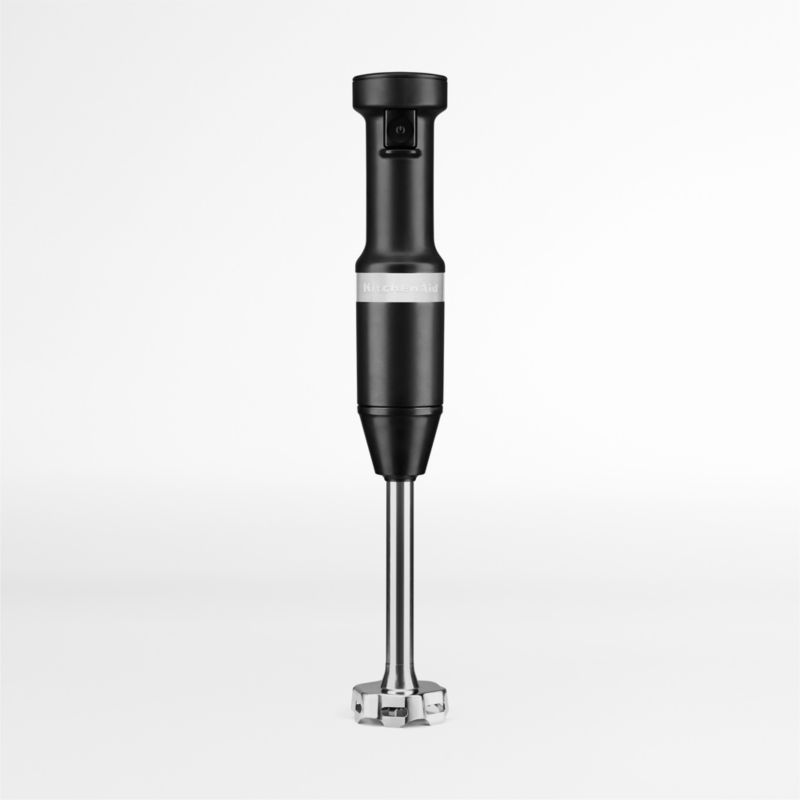
Safety tips and troubleshooting
Keep safety first and address common problems quickly.
Safety basics:
- Unplug before changing attachments or cleaning.
- Keep fingers away from blades, even when unplugged.
- Do not operate the motor if the shaft is damaged or bent.
- Avoid blending very thick mixes that strain the motor.
Troubleshooting:
- Motor won’t start • Check power connection and that the shaft is locked properly.
- Excessive vibration • Ensure the blade isn’t hitting the pot bottom and attachments are secure.
- Overheating • Give the motor time to cool; use short bursts instead of continuous running.
- Uneven blending • Use a deeper container or move the shaft around more to reach all ingredients.
Limitations to know:
- An immersion blender won’t make as smooth a nut butter as a full-size blender.
- Very hard items like whole ice cubes can dull blades. Use crushed ice or crush first.
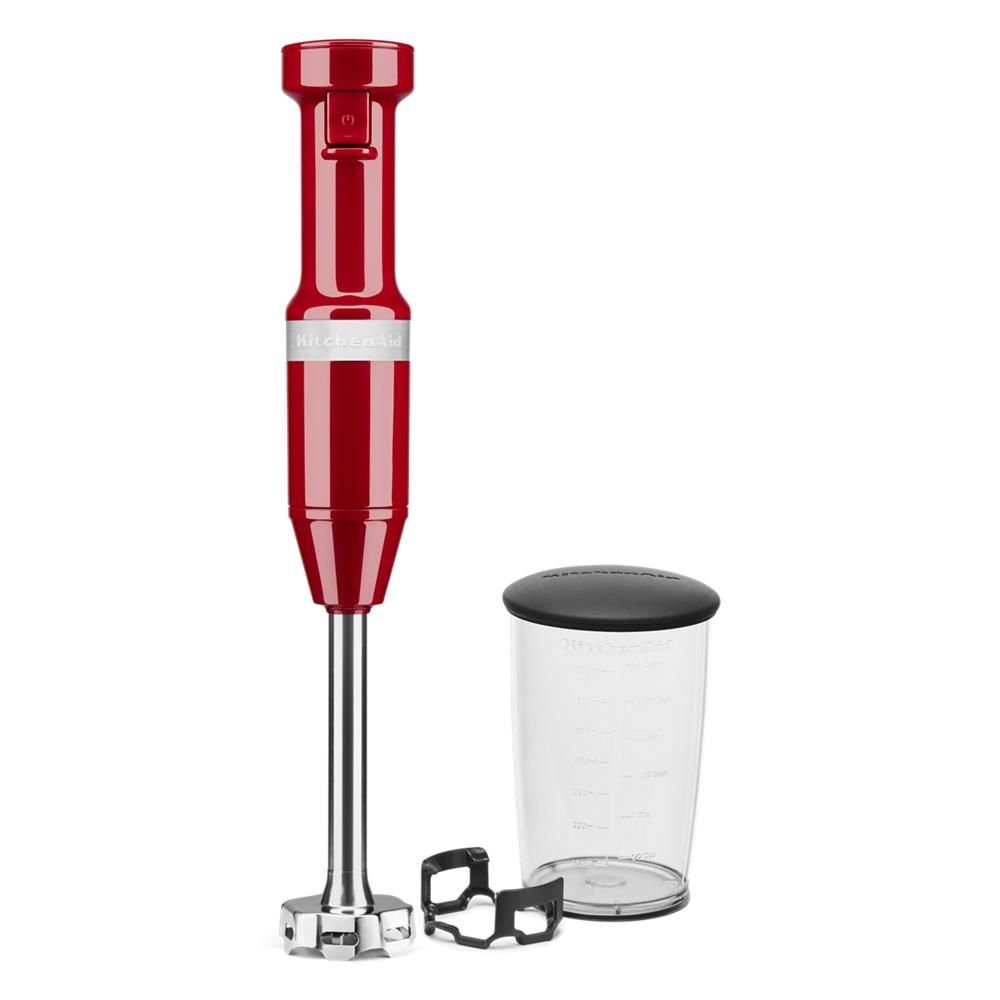
Frequently Asked Questions of how to use kitchenaid immersion blender
How often should I clean the shaft of my KitchenAid immersion blender?
Clean the shaft after every use. Quick rinses prevent food from drying and make deep cleaning easier later.
Can I use my KitchenAid immersion blender in a metal pot?
Yes. Stainless-steel pots are safe and sturdy. Avoid thin pans that could dent or heat unevenly.
Is it safe to leave the blade underwater while blending?
Yes, keeping the blade submerged reduces splatter. Turn the blender on only when the blade is below the liquid surface.
How do I prevent splatter when blending hot liquids?
Start on low speed and use short pulses. Submerge the blade fully and tilt the pot slightly to create a deeper well.
What attachments are worth buying for a KitchenAid immersion blender?
A whisk and small chopper bowl are the most useful extras. They expand the tool’s uses to whipping and light chopping.
My immersion blender smells like it’s burning. What should I do?
Stop immediately and unplug. Let the motor cool for at least 15–30 minutes. If the smell persists, inspect for food trapped in vents or consult service.
Can I blend frozen fruit directly with an immersion blender?
Small frozen pieces work but avoid large, solid blocks. Let fruit thaw slightly or chop into smaller chunks first.
Conclusion
You now have clear, practical steps for how to use KitchenAid immersion blender safely and well. Start with the right attachment, work in short pulses, and keep blades submerged to avoid splatter. Clean the shaft promptly and follow safety checks to extend the tool’s life. Try one new recipe this week—blend a pot of soup or whip a quick vinaigrette—and you’ll see how much time and dishwashing the immersion blender saves. If this guide helped, leave a comment about your favorite immersion blender hack or subscribe for more kitchen tips.