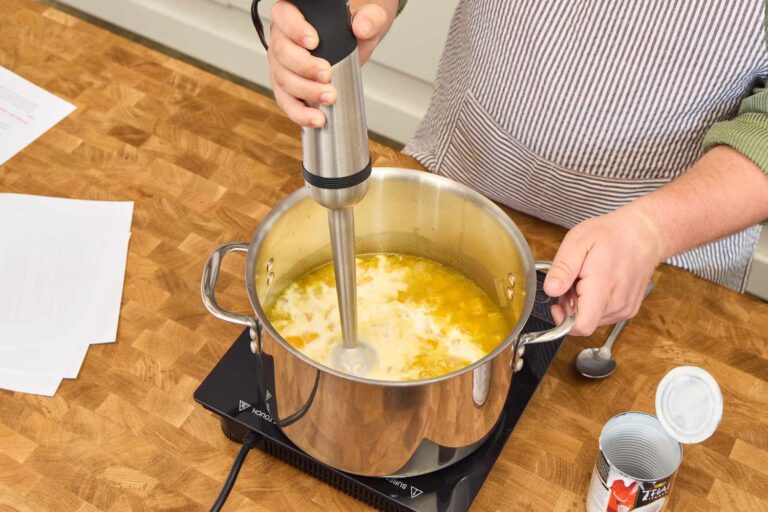
The best blender for soup combines strong power, smooth results, safe handling, and easy cleanup for home cooks.
You start with roasted carrots, soft potatoes, or fresh tomatoes, then face a pot full of chunky soup. A weak blender leaves bits behind, while a poor hand blender splashes hot liquid across the stove. I tested the key features that matter most, including motor power, blade design, speed control, jar size, comfort, and cleaning. The picks below suit different kitchens, from small soup batches to large family meals.
Turelar 1100W Immersion Blender

The Turelar 1100W immersion blender is made for cooks who blend soup right in the pot. Its high-watt motor gives it more muscle than many basic stick blenders. I like this design because it removes the need to transfer hot soup into a countertop jar. That saves time and also reduces the chance of spills.
This 5-in-1 set adds value for more than soup alone. The attachments can help with sauces, smoothies, whipped mixtures, and small food prep tasks. The stainless steel blending shaft feels suited to regular kitchen use, while the handheld shape gives you direct control over texture. For many home cooks, this is a strong all-around choice for the best blender for soup.
Pros:
- 1100W motor provides strong blending power
- Blends soup directly in the cooking pot
- 5-in-1 design supports several kitchen tasks
- Stainless steel shaft is practical for hot foods
- Helps reduce transfers, dishes, and mess
- Useful for sauces, smoothies, and baby food
Cons:
- Corded design limits movement near the stove
- May feel heavy during long blending sessions
- Attachments require extra storage space
My Recommendation
I recommend this Turelar model for families, meal-prep cooks, and anyone who makes large pots of vegetable soup. It is especially useful when you want a smooth texture without cooling and moving hot food. The extra attachments make the set more useful than a single-purpose hand blender. If you want a powerful and flexible best blender for soup at a practical price, this model deserves a close look.
Hamilton Beach Power Elite Blender

The Hamilton Beach Power Elite is a familiar countertop blender with a large jar and a wave-action blending system. This design helps pull food toward the blades instead of leaving a dry pocket near the sides. It works well for puréed vegetable soup, bean soup, and creamy tomato soup when the ingredients are soft. The controls are simple enough for cooks who prefer buttons over complicated programs.
The larger pitcher suits family servings and batch cooking. It also gives you room to blend smoothies and frozen drinks between soup days. I would use care with hot liquids because steam can build pressure inside a closed blender jar; follow the maker’s instructions and never overfill it. For cool or warm mixtures, this blender offers a useful mix of capacity and everyday value.
Pros:
- Large pitcher supports family-size batches
- Wave-action design helps move food toward the blades
- Simple controls are easy to learn
- Useful for soup, smoothies, and frozen drinks
- Countertop design stays stable during use
- Good choice for regular home cooking
Cons:
- Hot soup needs careful handling in the jar
- Countertop storage takes more space
- May need scraping or a second blend for thick soup
My Recommendation
This Hamilton Beach blender fits cooks who want a traditional countertop machine for family meals. It is a sensible pick for smoothies and soup made in moderate to large batches. Choose it if you value a roomy pitcher and easy controls more than a compact footprint. As a budget-friendly best blender for soup, it gives everyday kitchens a dependable starting point.
Turelar 400W Immersion Blender

The Turelar 400W immersion blender is a compact option for basic soup and sauce work. Its two-speed design keeps operation simple, so you can start slowly and increase power as needed. This helps limit splashing when you blend a thin soup. The handheld form also makes it easy to reach into a saucepan or narrow container.
A 400W motor is better suited to soft cooked vegetables, broth-based soup, and light sauces than hard frozen foods. I would not expect it to match a high-power blender on nuts, ice, or dense mixtures. Still, it can be a smart fit for a small kitchen, apartment, or cook who makes soup once or twice a week. Its BPA-free food-contact parts add peace of mind for routine use.
Pros:
- Compact shape fits small kitchens
- Two speeds allow basic texture control
- Blends directly in pots and bowls
- Simple controls help new users
- Useful for soft vegetables and light sauces
- Easy to store in a drawer or cabinet
Cons:
- 400W power may struggle with thick mixtures
- Not the best match for ice or frozen ingredients
- Fewer attachments than larger immersion sets
My Recommendation
I recommend this Turelar model for light home use and small soup portions. It suits students, apartment dwellers, and anyone who wants a simple tool without a large countertop base. Keep the ingredients soft and use short blending bursts for the best results. If your needs are modest, this affordable best blender for soup offers useful control in a small package.
BLACK+DECKER PowerCrush Blender
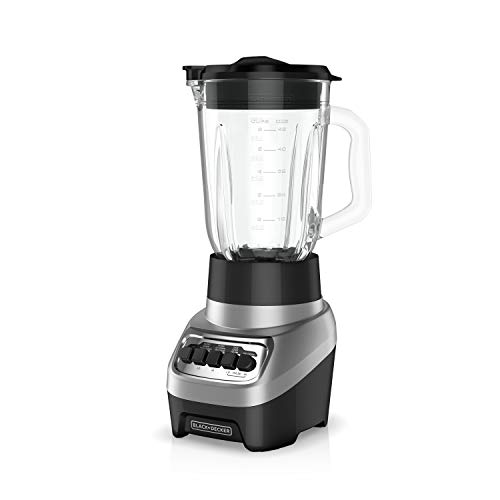
The BLACK+DECKER PowerCrush combines a countertop base with a 6-cup glass jar. That glass container may appeal to cooks who prefer a sturdy vessel that does not retain food odors as easily as some plastic jars. Four speed settings give you more control than a single-button blender. For soup, I would blend cooked ingredients in batches and keep the mixture below the safe fill level.
This model can handle common kitchen jobs such as smoothies, sauces, and purées. Its multi-function design makes it useful when you want one appliance for several recipes. The glass jar adds weight, which can help the blender feel stable but may make lifting and washing more tiring. Overall, it is a practical choice for cooks who want a classic blender with a useful capacity.
Pros:
- 6-cup glass jar offers useful batch capacity
- Four speeds provide flexible texture control
- Glass helps resist lingering food odors
- Suitable for soup, sauces, and smoothies
- Countertop base gives steady support
- Multi-function design adds daily value
Cons:
- Glass jar is heavier than many plastic jars
- Hot liquids require extra care and proper venting
- Takes more cabinet or counter space than a stick blender
My Recommendation
This BLACK+DECKER blender is best for cooks who prefer a glass jar and several speed choices. It works well in a home kitchen where the blender stays on the counter and handles many tasks. I would choose it for soups that are cooled slightly before blending, plus smoothies and sauces. It is a balanced best blender for soup when jar material matters to you.
Professional High-Power Soup Blender
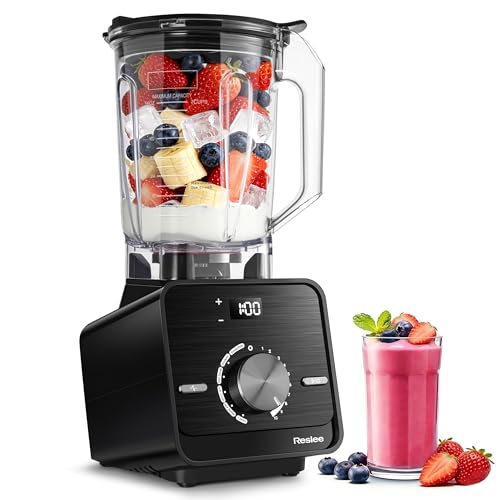
This professional high-power blender is aimed at cooks who want serious speed and capacity. The listed 3.5HP motor, 30,000 RPM rating, ten speeds, and 56-ounce Eastman Tritan jar suggest a machine built for demanding blending tasks. It is designed for smoothies, frozen foods, nut milk, and hot soup. The broad speed range lets you begin gently and build toward a fine purée.
High power can turn cooked vegetables into a smooth, restaurant-style texture, but it also calls for careful technique. Hot food expands as it blends, so I would follow the manual, avoid overfilling, and use the lid’s venting method. The jar size works well for family portions without becoming as large as some commercial containers. This model is a strong candidate for the best blender for soup if power is your top concern.
Pros:
- High-power motor is suited to dense ingredients
- Ten speeds offer fine texture control
- 56-ounce jar supports family-size recipes
- Designed for hot soup and nut milk
- Useful for ice, frozen fruit, and smoothies
- Tritan jar is lighter than many glass jars
Cons:
- High-speed operation can be loud
- Large motor base needs storage space
- More power may be unnecessary for small soup batches
My Recommendation
I recommend this blender for serious home cooks who make soup often and want a very smooth finish. It is also a good fit for people who prepare frozen drinks, nut milk, and thick smoothies. Choose it only if you have room for a full countertop machine and can manage hot-blending safety. For power-focused buyers, it may be the best blender for soup in this group.
Ninja Professional Plus Blender BN701

The Ninja Professional Plus BN701 offers a 1400W motor, a 72-ounce pitcher, and Auto-iQ programs. Its large pitcher is helpful when you prepare soup base, purées, or chilled soup for several people. Auto-iQ can make blending easier because timed programs reduce guesswork. I also like the strong motor for turning soft cooked vegetables into a smooth mixture.
This is a better match for batch cooking than for a single bowl of soup. The 72-ounce container needs plenty of storage room, and the blade assembly requires careful handling during cleaning. Because the pitcher is large and enclosed, use the safety directions for hot liquids and do not assume every program is intended for steaming soup. It is a versatile pick for cooks who want power and automation.
Pros:
- 1400W motor supports strong everyday blending
- 72-ounce pitcher suits large batches
- Auto-iQ programs simplify timed blending
- Useful for smoothies, sauces, and purées
- Good choice for meal preparation
- Recognizable controls are easy to use
Cons:
- Large pitcher takes considerable storage space
- Not ideal for tiny portions
- Hot soup needs careful, manual preparation
My Recommendation
The Ninja BN701 is best for families and cooks who make large batches. It is a strong choice if you want a powerful countertop blender with guided programs for routine recipes. I would select it for soup prep when the ingredients are handled according to the safety instructions. As a best blender for soup and smoothies, it gives busy cooks speed and useful capacity.
SHARDOR 1100W Immersion Blender

The SHARDOR 1100W immersion blender is built for cooks who want one handheld tool for many jobs. Its variable-speed control lets you adjust the blend from a gentle stir to a faster purée. That control matters when you want creamy soup without sending liquid up the sides of the pot. The stainless steel shaft is well suited to blending cooked vegetables and broth in cookware.
This 5-in-1 set includes tools for chopping, whisking, frothing, and blending. Those extras can help with whipped cream, pancake batter, baby food, dressings, and small chopped ingredients. I find immersion blenders easier to use for soup because I can see the texture as it develops. It is a particularly flexible best blender for soup for cooks who dislike single-use appliances.
Pros:
- 1100W motor gives strong handheld performance
- Variable speed helps prevent splashing
- 5-in-1 set supports many recipes
- Stainless steel shaft suits hot soup blending
- Chopper, whisk, frother, and beaker add value
- Blends in the pot with minimal transfers
Cons:
- Many attachments need organized storage
- Handheld blending requires active control
- Corded operation may feel less convenient
My Recommendation
I recommend SHARDOR for cooks who want versatility and direct control. It is a strong fit for soup, sauces, baby food, whipped mixtures, and small prep jobs. The variable speed is useful for beginners because it helps them start slowly. If you want the best blender for soup with several helpful attachments, this set offers excellent flexibility.
KitchenAid Variable Speed Hand Blender

The KitchenAid KHBV53 takes a clean and focused approach to handheld blending. Its variable-speed trigger allows you to control the texture with one hand. That is useful when a soup moves from chunky to creamy in just a few seconds. The charcoal gray finish also gives it a neat look for kitchens where the tool stays visible.
I like this style for cooks who already own other appliances and do not need a large attachment set. You can blend soup in a pot, cup, or bowl, which cuts down on washing and transfer work. It is best for soft, cooked ingredients rather than very hard foods or heavy dough. For simple soup making, the KitchenAid offers control without a bulky countertop base.
Pros:
- Variable-speed trigger gives precise control
- Compact handheld design saves counter space
- Works directly in pots and bowls
- Simple setup suits quick soup preparation
- Easy to guide around the pot
- Trusted kitchen brand and familiar design
Cons:
- Basic package may have fewer accessories
- Handheld use requires steady pressure
- Not designed for large frozen-food jobs
My Recommendation
The KitchenAid KHBV53 is best for cooks who want a refined, simple hand blender. It suits small kitchens, frequent soup makers, and people who value speed and low cleanup. Pick it when you want control rather than a large appliance with many modes. It is a reliable best blender for soup for everyday purées and sauces.
OVENTE 300W Immersion Blender

The OVENTE HS560B is a small 300W hand blender for basic kitchen tasks. Its two mixing speeds keep the controls easy and make it suitable for simple purées. I would use it for cooked squash, tomato, potato, and other soft soup ingredients. The black body has a compact feel that works well in a small apartment or starter kitchen.
This blender does not aim to replace a high-power countertop machine. It is better for light soup, gravy, baby food, and small sauces than ice or very thick mixtures. Its main advantage is convenience: place the shaft in the pot, blend, rinse, and put it away. For occasional use, it can provide good value without taking much room.
Pros:
- Compact design suits small kitchens
- 300W motor handles soft cooked foods
- Two speeds keep operation simple
- Blends directly in a cooking pot
- Easy choice for occasional soup making
- Usually needs less storage space than a countertop blender
Cons:
- Lower power limits heavy blending tasks
- Not suitable for ice or very dense mixtures
- May take longer to produce a very fine texture
My Recommendation
I suggest the OVENTE for students, new cooks, and small households. It is a practical tool when you make light soup and do not need many attachments. Use soft ingredients and work in short bursts for the smoothest result. This is an economical best blender for soup when low cost and easy storage come first.
Vitamix Propel Series 750 Blender

The Vitamix Propel Series 750 is the premium option in this group. It includes four blending programs, a 64-ounce container, stainless steel blades, and a self-cleaning program. The soup program can simplify the process, while manual controls still let experienced cooks shape the final texture. Vitamix machines are known for strong blending performance, which helps create smooth purées from cooked vegetables.
This blender suits people who use a blender often and want more than one appliance for occasional soup. The 64-ounce container handles family meals, smoothies, sauces, and frozen recipes. I would still follow the instructions for hot liquids, including the correct fill level and lid position. If you want long-term versatility and a polished user experience, this is a high-end best blender for soup.
Pros:
- Four programs simplify common recipes
- Soup setting supports convenient preparation
- 64-ounce container suits family portions
- Stainless steel blades support fine blending
- Self-cleaning program reduces cleanup work
- Versatile enough for smoothies and frozen foods
Cons:
- Higher price than basic soup blenders
- Large base needs permanent counter space
- Premium power may be excessive for rare use
My Recommendation
The Vitamix Propel 750 is best for serious home cooks, large families, and people who use a blender several times each week. It makes sense when soup, smoothies, frozen drinks, and sauces all matter. The programs and cleaning cycle add comfort to a busy routine. If budget is flexible, this is one of the strongest premium choices for the best blender for soup.
Best Blender for Soup: Quick Comparison
| Best for | Why |
|---|---|
| Best overall immersion blender | Turelar 1100W offers strong power, direct pot blending, and useful attachments. |
| Best premium countertop blender | Vitamix Propel 750 adds soup programs, a large container, and easy cleaning. |
| Best budget compact pick | OVENTE 300W handles light soup while taking little storage space. |
How I Choose the Best Blender for Soup
Soup looks simple, but blending it well requires the right tool. Cooked vegetables can be soft yet dense, especially when they contain potatoes, beans, lentils, or squash. A good blender must move the food through the blades without leaving thick pockets behind. I look for useful power, steady control, and a design that feels safe around warm food.
I also consider how much cleanup each blender creates. An immersion blender can go right into the pot, while a countertop blender may deliver a finer finish but add a jar, lid, and base to wash. Neither type wins every kitchen. The best blender for soup depends on your batch size, texture goals, counter space, and comfort with hot-liquid safety.
Immersion Blender or Countertop Blender?
An immersion blender is often the easiest tool for soup. You cook the ingredients, place the shaft into the pot, and blend until the texture looks right. This method saves a transfer step and works well for chunky, rustic, or creamy soup. It also lets you blend only part of the pot if you want a mixed texture.
A countertop blender can create a very smooth finish. Its jar and blade shape may produce a more uniform purée, especially with fibrous vegetables. It is also useful for smoothies, frozen fruit, and larger recipes. However, hot soup creates steam, so you must use the instructions for venting, fill level, and safe handling.
Why Motor Power Matters
Wattage gives a rough idea of electrical input, but it does not tell the whole story. Blade shape, jar design, speed control, and food amount also affect performance. A 300W hand blender can do a fine job with soft vegetables. A high-power model gives you more room for thick soup, frozen foods, and frequent use.
For soup, I prefer enough power to keep the blend moving without forcing the motor. Dense ingredients need more help than a thin broth. If the motor sounds strained, stop and add liquid before continuing. Small batches also need less power than a full family-size pot.
Speed Control and Texture
Speed control helps you choose the final feel of the soup. Start low when the food is chunky or the pot is full. Increase the speed as the ingredients break down. This approach gives the blades time to catch the food and helps prevent splashes.
Variable speed is useful for cooks who enjoy making many soup styles. A slow setting can keep some texture in lentil soup, while a fast setting can smooth a roasted pepper purée. Preset programs can also help, but I still watch the food and stop when it reaches the texture I want.
Jar Size and Batch Capacity
A small household may not need a 72-ounce pitcher. A compact immersion blender can handle soup in the same pot used for cooking. Families may prefer a 56-ounce, 64-ounce, or larger container for fewer batches. Always leave room for movement and expansion, especially with warm food.
Do not judge capacity only by the number printed on the jar. The safe working amount may be lower. Thick soup needs space to circulate. Overfilling can lead to uneven results, splashes, or pressure concerns.
Blade and Shaft Design
Stainless steel shafts are common on immersion blenders because they resist stains and suit normal kitchen use. The guard around the blade can affect how easily food enters the cutting area. A wide guard may reduce splashes, while a narrow design can reach into a smaller pot.
Countertop blender blades should move food through the jar rather than simply spin beneath it. This is why jar shape and flow design matter. A blender that creates a strong circulation pattern can reduce the need to stop and scrape the sides.
Hot Soup Safety Tips
Hot soup needs care in any blender. Heat creates steam, and steam can raise pressure in a closed container. I never fill a countertop jar to the top with hot food. I blend in smaller amounts when needed, use the correct venting method, and keep my hand on the lid while following the manufacturer’s instructions.
For an immersion blender, keep the blade fully covered by the soup before switching it on. Move the shaft slowly and keep the blade below the surface. Turn the motor off before lifting the blade from the pot. These small habits protect your hands, clothes, and kitchen from hot splashes.
How to Get Smoother Soup
Cut vegetables into even pieces before cooking. Cook them until a fork passes through with little effort. Tough pieces make the blender work harder and can leave a grainy finish. Add enough broth or water so the blades can move the food.
Blend in short bursts when using a hand blender. Tilt the shaft slightly and move it around the pot instead of holding it in one spot. Taste after blending, then add salt, herbs, cream, or acid as needed. A small amount of lemon juice can brighten many vegetable soups.
How to Clean a Soup Blender
Clean the blender soon after use. Dried starch from potato or bean soup can cling to blades and guards. For an immersion model, unplug the motor before removing the blending shaft. Wash the food-contact parts according to the care instructions, and keep the motor housing away from water.
For a countertop blender, rinse the jar before food dries. Use the maker’s cleaning cycle if the model has one, but inspect the blade area by hand when safe. Do not place parts in a dishwasher unless the instructions say they are dishwasher safe. Good cleaning keeps old soup smells from following you into your next smoothie.
Common Soup Mistakes to Avoid
- Filling a blender jar too high
- Sealing hot soup without a safe vent
- Blending dry or very thick food without enough liquid
- Starting at high speed in a full pot
- Lifting an active immersion blender from the soup
- Ignoring unusual motor smells or sounds
- Using a low-power tool for jobs it cannot handle
Which Blender Type Fits Your Kitchen?
Choose an immersion blender if you make soup in a pot and want fast cleanup. This type is also best when you make small portions or prefer a rustic texture. It is easy to store and simple to use. The Turelar, SHARDOR, KitchenAid, and OVENTE models fit this style in different power ranges.
Choose a countertop blender if you want very smooth results and also make smoothies or frozen drinks. This type often offers more power and larger batch capacity. The Hamilton Beach, BLACK+DECKER, professional high-power model, Ninja, and Vitamix options fit that need. Compare the jar size, hot-food instructions, controls, and storage space before you buy.
FAQs Of best blender for soup
Can I blend hot soup in a blender?
Yes, but only if the blender maker allows it and you follow the safety directions. Steam can create pressure, so never overfill a sealed jar. Use the recommended venting method, blend in small batches, and keep the lid secure.
Is an immersion blender better for soup?
An immersion blender is often better for convenience. It blends soup directly in the pot, which saves time and reduces dishes. A countertop blender may create a finer texture, especially for large batches.
What power is best for a soup blender?
For soft cooked vegetables, a 300W to 400W immersion blender may be enough. Dense soup, frozen foods, and frequent use benefit from more power. Motor design, blade shape, and liquid level also affect results.
How do I stop soup from splashing?
Keep an immersion blender blade fully below the surface before turning it on. Start at a low speed and move the shaft slowly. Do not lift the running blade above the soup.
Can a blender make soup completely smooth?
A strong blender can make many cooked vegetable soups very smooth. Cut food evenly, cook it until tender, and add enough liquid for circulation. Fibrous skins, seeds, and tough herbs may still need straining.
Final Verdict: Which Should You Buy?
For most homes, the Turelar 1100W immersion blender is the best blender for soup. It blends in the pot, offers strong power, and includes useful attachments.
Choose the Vitamix Propel 750 for premium batch blending. For light use, the OVENTE saves space and money. Match the blender to your soup style, batch size, and cleanup needs.