Using a rice cooker is simple: rinse rice, add proper water, press cook, and let it rest.
I’ve cooked hundreds of meals with rice cookers, and I’ll show you exactly how to use a rice cooker so you get perfect rice every time. This guide covers types of rice, water ratios, step-by-step cooking, helpful tips, cleaning, troubleshooting, and creative uses. Read on to master your rice cooker with clear, practical advice from real kitchen experience.

Why use a rice cooker?
A rice cooker takes the guesswork out of making rice. It cooks rice evenly, frees you to do other tasks, and reduces burned or undercooked results. Modern models also steam vegetables, cook grains, and keep food warm automatically. Using a rice cooker saves time and gives consistent results for both beginners and busy cooks.

Types of rice and water ratios
Different rice types need different water amounts. Knowing your rice type is key to how to use a rice cooker well.
- White long-grain rice: Use about 1 cup rice to 1.25 to 1.5 cups water.
- Short-grain rice: Use about 1 cup rice to 1.25 cups water for stickier rice.
- Brown rice: Use about 1 cup rice to 1.75 to 2 cups water because it needs more steam.
- Jasmine or basmati: Use about 1 cup rice to 1 to 1.25 cups water for fluffiness.
- Mixed grains or wild rice: Follow package directions; grain mixes often need more water and longer cooking.
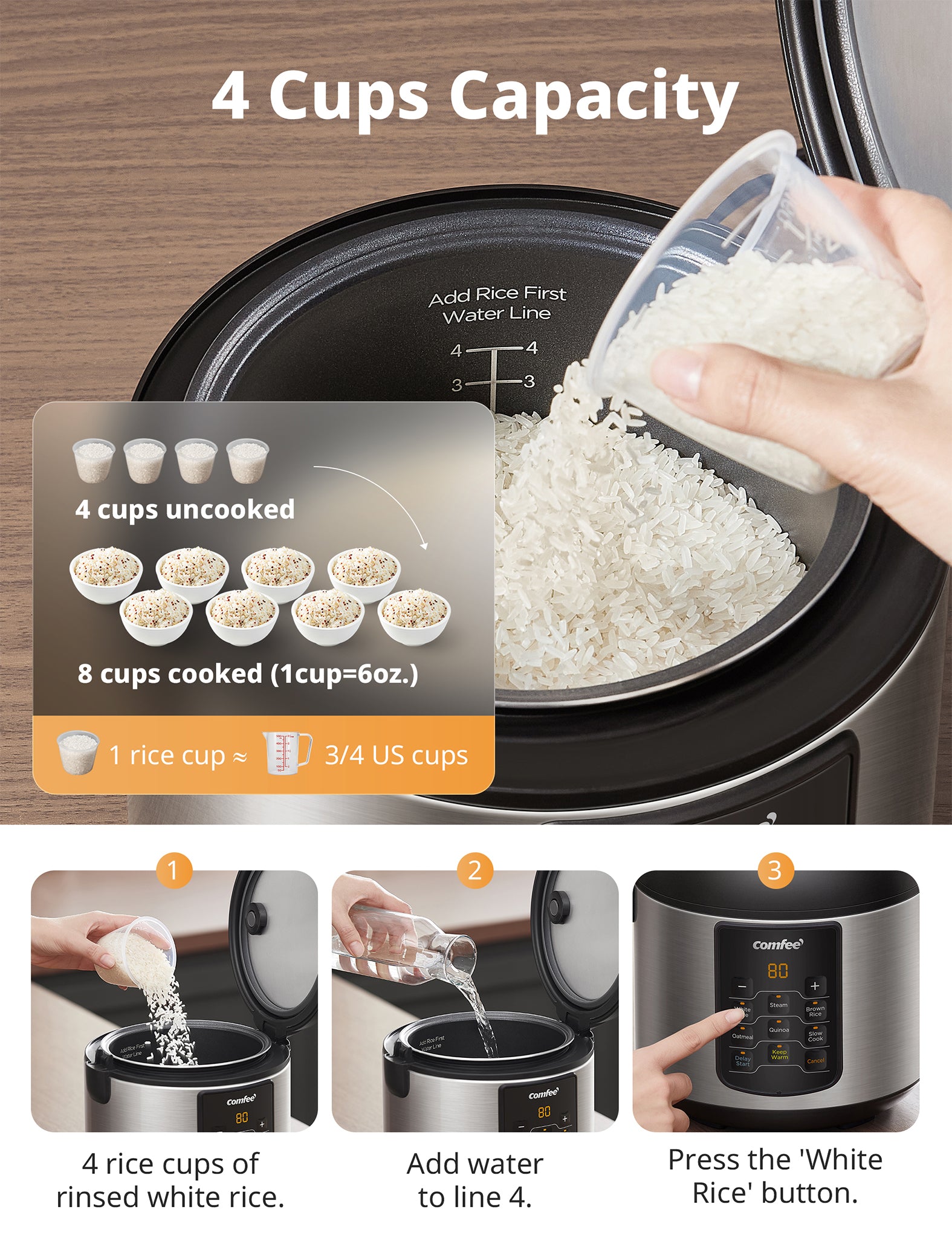
Measure rice with the cup that came with your cooker or a standard measuring cup. If your cooker has water-level marks, use them for the same rice type each time. Consistent measurement is essential for learning how to use a rice cooker well.
Step-by-step: how to use a rice cooker
Follow these steps to get perfect rice reliably.
- Measure rice precisely.
- Scoop or weigh rice for consistent results.
- Rinse the rice.
- Rinse under cold water until it runs clear to remove excess starch.
- Add water according to rice type.
- Use the measured ratio or the cooker’s internal marks.
- Season if desired.
- Add a pinch of salt, a teaspoon of oil, or a small piece of butter for flavor.
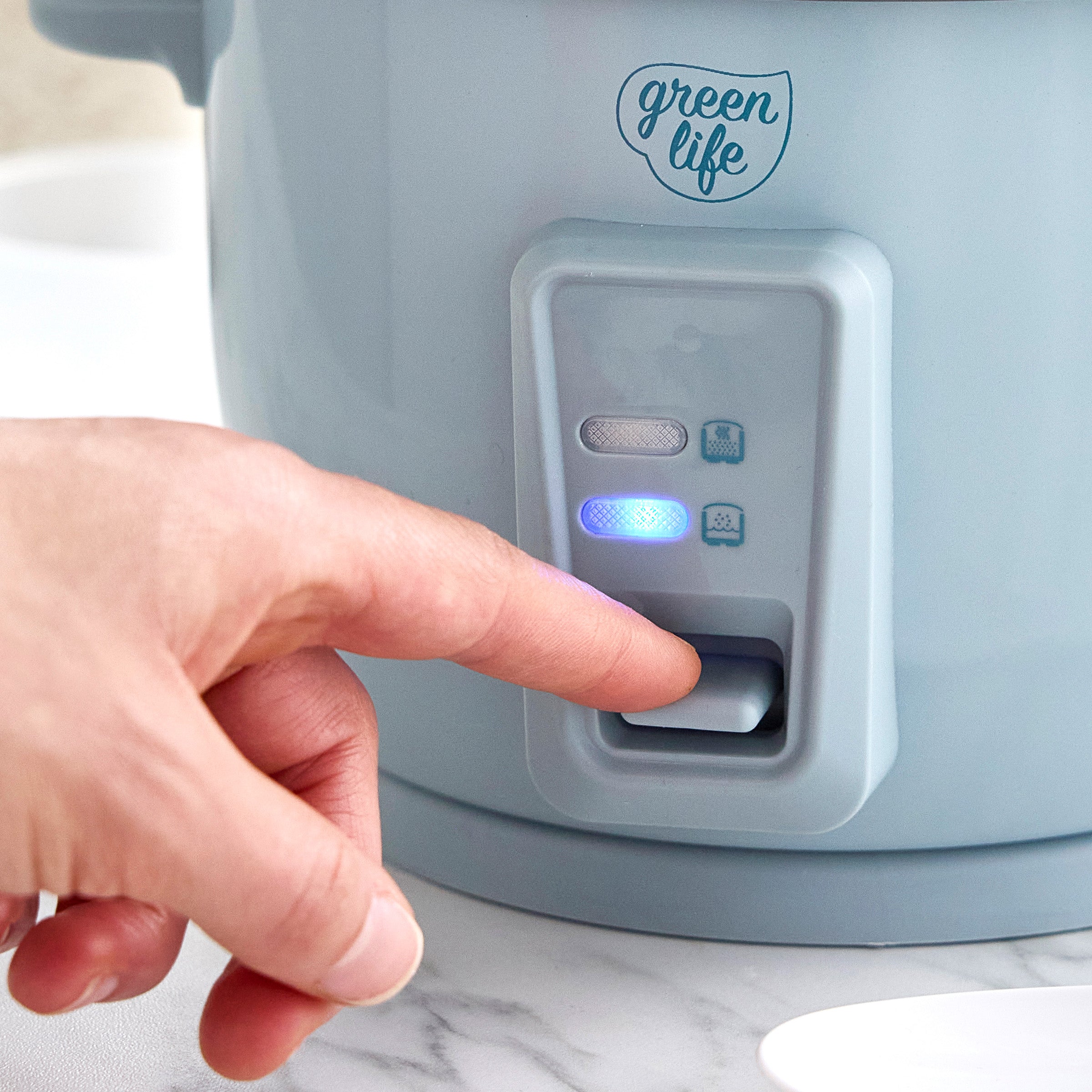
- Close the lid and select the program.
- Let it cook and then rest.
- Allow rice to sit for 5 to 15 minutes after cooking; this firms grains and evens moisture.
- Fluff and serve.
- Use a rice paddle to fluff gently without smashing the grains.
These steps explain how to use a rice cooker simply. My own routine is to rinse, measure, and start the cooker while I prepare the rest of the meal. That habit always gives stable results.
:max_bytes(150000):strip_icc()/__opt__aboutcom__coeus__resources__content_migration__simply_recipes__uploads__2020__03__Rice-Cookers-LEAD-1-5e344ea3ef304b148bc141077d3c8ae1.jpg)
How long does rice take in a rice cooker?
Cooking times vary. White rice usually finishes in 15–25 minutes. Brown rice can take 40–60 minutes. Quick-cook settings reduce time but may change texture. Time depends on model and rice type, so expect some variation as you learn how to use a rice cooker.
Can I cook other grains in a rice cooker?
Yes. Quinoa, barley, and steel-cut oats work well. Use slightly different water ratios and longer cook times for dense grains. Trial and small batches help you dial in exact amounts when learning how to use a rice cooker for new grains.
Tips and troubleshooting
Simple tweaks fix most issues when you learn how to use a rice cooker.
- If rice is mushy: Use less water next time and reduce resting time.
- If rice is dry or hard: Add a few tablespoons of hot water and let it steam for 5–10 minutes.
- If rice sticks to the pot: Soak the bowl after use and avoid metal utensils that scratch the nonstick surface.
- If the cooker turns off too soon: Check the vent and clean any buildup. Dirty vents can confuse sensors.
- If the top is soggy: Open the lid briefly to release excess steam, then let rice rest with lid closed.
I once overfilled a small cooker and ended up with a soggy mess. Learning that you must respect capacity marks was a key lesson in how to use a rice cooker safely and effectively. Small tests and notes help you avoid repeat mistakes.
Cleaning and maintenance
Regular care keeps a rice cooker working for years.
- Unplug before cleaning and let it cool completely.
- Wash the inner pot with warm, soapy water and a soft sponge.
- Clean the lid, steam vent, and rubber seals regularly to prevent buildup.
- Wipe the exterior with a damp cloth; never submerge the base.
- Check the heating plate and wipe away residue with a soft cloth if present.
If the nonstick coating starts to flake or the cooker fails to heat properly, consider replacing the inner pot or the unit for safety. Proper cleaning and gentle use are part of how to use a rice cooker long-term.
Beyond plain rice: recipes and creative uses
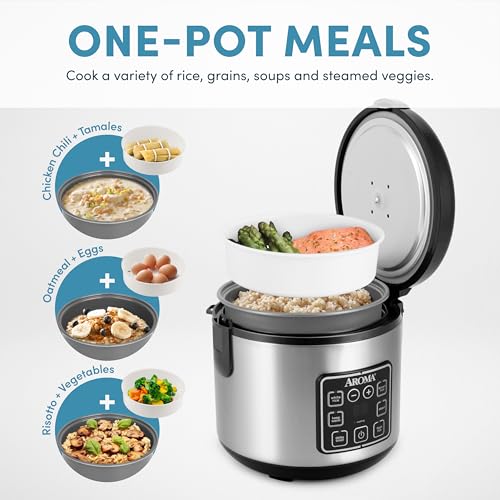
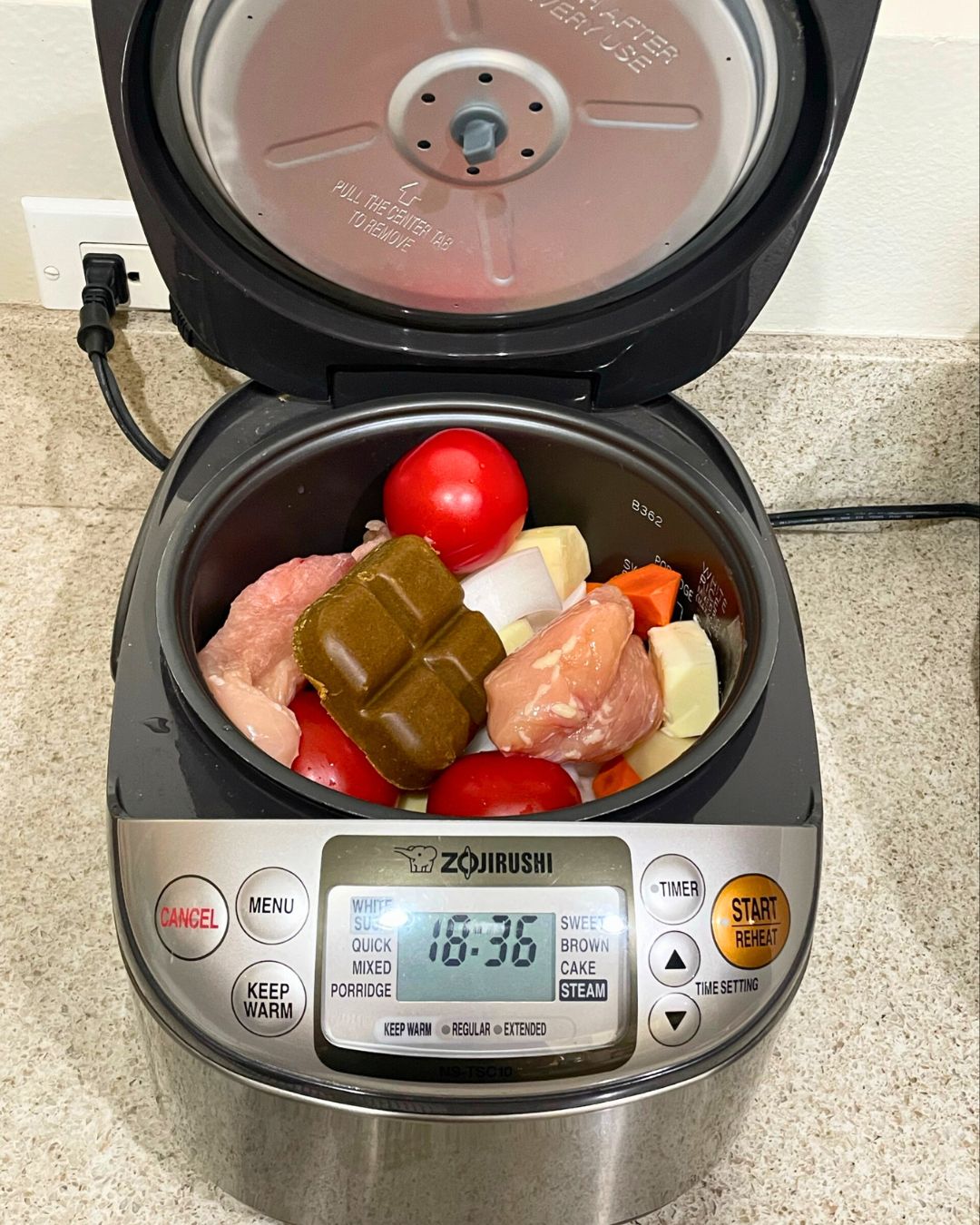
A rice cooker is versatile. Here are easy ideas to expand how to use a rice cooker beyond rice.
- Rice and beans: Cook rice and add canned beans after cooking for a simple meal.
- Steamed fish or veggies: Use the steaming tray while rice cooks to make a full plate.
- Oatmeal or porridge: Use rolled oats and extra water, then use a porridge or low-heat setting.
- One-pot soups: Sauté aromatics in the inner pot if your cooker has a sauté function, then add broth and grains.
- Rice pudding: Cook rice with milk, sugar, and spices on a low setting for creamy dessert.
Experimentation is part of learning how to use a rice cooker creatively. I often steam vegetables while rice cooks, which saves time and reduces dishes.
Frequently Asked Questions of how to use a rice cooker
How much water should I add for 1 cup of rice?
Use about 1 to 1.5 cups of water for 1 cup of white rice, depending on grain type. For brown rice, use about 1.75 to 2 cups of water per cup.
Do I need to rinse rice before cooking?
Rinsing removes excess starch and helps prevent clumping. Rinse until the water runs mostly clear for fluffier rice.
Can I open the lid while rice is cooking?
Avoid opening the lid during cooking, as this releases steam and changes cook time. If you must check, expect to add a few minutes.
How do I reheat leftover rice safely?
Reheat rice with a splash of water and cover to steam evenly. Ensure it reaches hot throughout to reduce food-safety risk.
Is it safe to leave rice in the cooker on warm?
Most cookers keep rice safe on warm for a few hours, but avoid leaving rice all day. Cool and refrigerate leftovers within two hours for safety.
Conclusion
Mastering how to use a rice cooker gives you consistent, hands-off meals and frees up time in the kitchen. Measure carefully, rinse rice, use the right water ratios, let rice rest, and keep your cooker clean. Try small experiments like steaming vegetables or making porridge to expand what your cooker can do. Now that you know the steps and tips, put them into practice tonight—start with a simple batch of rice, take notes, and adjust until it matches your taste. Share your results, ask questions, or subscribe for more kitchen tips.